Want to become a model but don’t know where to start? You’re not alone. Thousands of people every year try to break into modeling-some succeed, most don’t. The difference? The ones who make it don’t just wait for a scout to find them. They take action. They learn the rules. They build something real. This guide cuts through the noise and shows you exactly how to become a model, step by step, with no fluff.
Understand the Real Rules of Modeling
Most people think modeling is about being tall, thin, and photogenic. That’s part of it-but only for certain types of modeling. The industry isn’t one thing. It’s broken into pieces: fashion, commercial, fitness, plus-size, teen, and even promotional modeling. Each has different requirements.
Fashion models usually need to be 5’8” or taller for women, 6’0” or taller for men. But commercial models-those you see in ads for shampoo, cars, or groceries-come in all shapes and sizes. A 5’5” woman with a warm smile can earn more than a 6’0” runway model if she connects with the audience. The truth? Brands don’t want perfect. They want relatable.
Age matters too. You can start at 14 with parental consent. You can start at 35. There are models in their 50s and 60s working for brands like Aerie, Dove, and Target. If you’re over 25, don’t assume it’s too late. The industry is changing fast. Diversity isn’t a trend-it’s the new standard.
Know Your Type and Build a Real Portfolio
You can’t just send in a selfie and expect agencies to call. You need a portfolio. But not just any portfolio. A real one. That means professional photos taken by a photographer who understands modeling. Not your cousin with a DSLR. Not a filter-heavy Instagram post. Real lighting, real poses, real variety.
Start with three types of shots: a headshot (clean, no makeup or just natural), a full-body shot (standing straight, relaxed), and one action shot (walking, turning, or posing with movement). If you’re going for commercial modeling, include a smile shot and a serious shot. For fashion, include at least one editorial-style image.
Most new models spend $300-$800 on their first portfolio. That’s not a cost-it’s an investment. Skip the cheap studios that promise 50 photos for $100. You’ll get generic poses and bad lighting. Instead, find a photographer who’s worked with models before. Check their Instagram. Ask for model references. Look for consistency in lighting and editing.
Don’t add every photo you take. Curate. Pick 8-12 strong images that show range. If you’re 17 and want teen modeling, your portfolio should look like a teenager-not a supermodel. Authenticity beats perfection every time.
Find the Right Agencies-Not Just Any Agency
Agencies don’t find you. You find them. And not all agencies are legit. Scams are common. If someone asks you to pay upfront for “training,” “casting fees,” or “registration,” walk away. Real agencies make money when you do. They take 15-20% of your earnings. That’s it.
Start local. Search for agencies in your city or region. Look for ones that have been around for at least five years. Check their website. Do they list real models with names and photos? Do they have a physical office address? Do they have a phone number you can call? If the site looks like a template from 2010, or if they only have a PO box, be cautious.
Apply to 5-10 agencies at once. Send your portfolio as a PDF (under 5MB) with a short bio. Include your height, measurements, age, and where you’re based. Don’t write a novel. Just the facts. Example:
Hi, I’m Jamie, 19, 5’9”, 34-24-35. Based in Chicago. Interested in commercial and teen modeling. Portfolio attached. Available for castings this week.
Follow up in 7-10 days if you haven’t heard back. Don’t beg. Don’t spam. Just ask: “Did my submission get reviewed?” Most agencies get hundreds of emails. Yours needs to stand out-not by being flashy, but by being clear.
Build Your Online Presence-Smartly
You don’t need a million followers to get hired. But you do need a clean, professional Instagram. This isn’t about posting selfies in your bedroom. It’s about showing your look, your vibe, and your professionalism.
Use your real name or a variation of it as your handle. Don’t use @cutiepie_123. Use @jamie.smith.model or @jamiesmodeling. Post your best portfolio images. Add captions that describe the shoot-“Commercial look for a skincare brand, photographer: Alex Rivera.” Tag the photographer. That builds credibility.
Post 2-3 times a week. Not every day. No filters. No excessive editing. Show your skin, your hair, your natural expression. Agencies look at your feed to see if you’re consistent, confident, and easy to work with.
Also, create a free profile on ModelMayhem or OneModelPlace. These are industry-standard platforms where agencies and clients search for talent. Upload your portfolio, fill out your stats, and mark yourself as “available for work.”
Learn How to Walk, Pose, and Handle a Camera
Being photogenic doesn’t mean you’re automatically a good model. You need to know how to move. How to turn your shoulders. How to use your hands. How to look at the lens without staring like a deer in headlights.
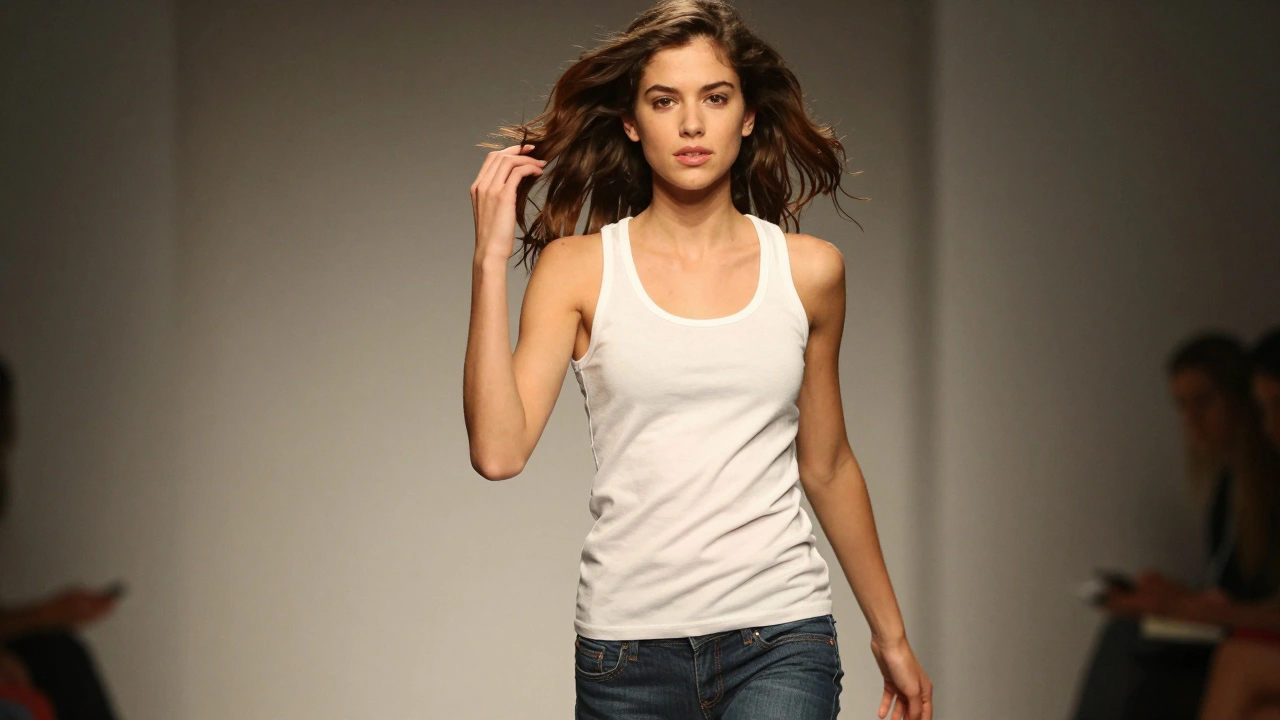
Watch runway videos from Fashion Week. Notice how models carry their weight. How they breathe. How they pause. Practice in front of a mirror. Record yourself walking. Watch the footage. Do you slump? Do you look down? Do you swing your arms too much?
For still shoots, learn basic poses. Stand with one foot slightly forward. Tilt your chin up just a little. Relax your shoulders. Use your eyes. A model doesn’t just show their face-they show emotion. A slight smile, a raised eyebrow, a look of curiosity-it all matters.
Take a free online class. YouTube has dozens of legit tutorials from working models. Search “modeling poses for beginners” or “how to walk the runway.” Spend 15 minutes a day practicing. In six weeks, you’ll look completely different in front of the camera.
Prepare for Rejection-and Keep Going
You will get rejected. A lot. One model I spoke with got turned down by 47 agencies before she signed with one. Another got hired after sending 120 submissions. Rejection isn’t about your looks. It’s about fit. Maybe you’re too tall for their client. Too young. Too old. Too different from their current roster.
Don’t take it personally. Don’t delete your portfolio after one no. Keep applying. Keep improving. Every “no” gets you closer to a “yes.”
Keep track of where you applied. Use a simple spreadsheet: Agency Name, Date Applied, Response, Notes. After 10 applications, review your photos. Are they strong enough? Are your emails clear? Are you targeting the right agencies? Adjust. Then try again.

Start Small, Build Momentum
You don’t need to land a Vogue cover to make progress. Start with local gigs. A small boutique needs a model for their spring lookbook. A local dentist wants a smiling face for their new website. A college student is doing a photography project and needs models.
These gigs pay $50-$200. Sometimes they pay in photos. That’s fine. Take them. Every shoot adds to your portfolio. Every name you work with becomes a reference. Every experience teaches you something.
Once you have 5-10 paid or trade shoots under your belt, you’ll start getting calls from bigger agencies. You’ll feel different. You’ll walk into a casting with confidence-not desperation. That’s when the real opportunities begin.
Protect Yourself
Modeling can be exciting. It can also be risky. Never go to a shoot alone. Always tell someone where you’re going and who you’re meeting. If a client asks you to do something that makes you uncomfortable-say no. You have the right to walk away.
Read every contract. If you don’t understand it, ask for clarification. Don’t sign anything that gives them rights to your image forever without payment. Look for “usage rights” and “compensation” sections. If they’re vague, walk away.
Use a simple contract template from the Model Alliance or your local modeling association. It’s free. It protects you. And it shows you’re serious.
It’s Not a Dream-It’s a Job
Becoming a model isn’t about getting lucky. It’s about showing up. It’s about learning. It’s about treating yourself like a professional before anyone else does. The people who make it aren’t the prettiest. They’re the most prepared.
Start today. Take one photo. Send one email. Practice one pose. That’s how it begins. Not with a call from a scout. Not with a viral post. But with you, taking the first step.
Do I need to be tall to become a model?
No-not unless you want to do high-fashion runway work. Commercial, plus-size, fitness, and teen modeling have much more flexible height requirements. Many commercial models are between 5’4” and 5’8”. What matters more is how you carry yourself, your facial expression, and your ability to connect with the camera.
How much does it cost to start modeling?
You should budget $300-$800 for your first professional portfolio. That’s the only real cost. Avoid agencies or photographers who ask for monthly fees, “training packages,” or “casting fees.” Legit agencies don’t charge you upfront-they earn a commission when you book jobs.
Can I model if I have acne or scars?
Absolutely. Brands today want real people, not airbrushed perfection. Many campaigns feature models with visible skin conditions, stretch marks, or scars. In fact, that authenticity is what makes your photos stand out. Don’t hide your skin-own it.
How long does it take to get signed by an agency?
It varies. Some get signed in a few weeks. Others take 6-12 months. It depends on your location, your look, and how consistently you apply. The key is persistence. Apply to 5-10 agencies every month. Update your portfolio every 3-4 months. Keep improving.
Do I need a manager or agent to start?
No. You can start booking gigs on your own-local photoshoots, small brands, student projects. Once you have a solid portfolio and some experience, agencies will reach out. Don’t rush to sign with an agent. Make sure they’re reputable first.
If you’re serious about modeling, treat it like a business. Track your progress. Learn from every shoot. Stay professional. The spotlight doesn’t find you-you walk into it.