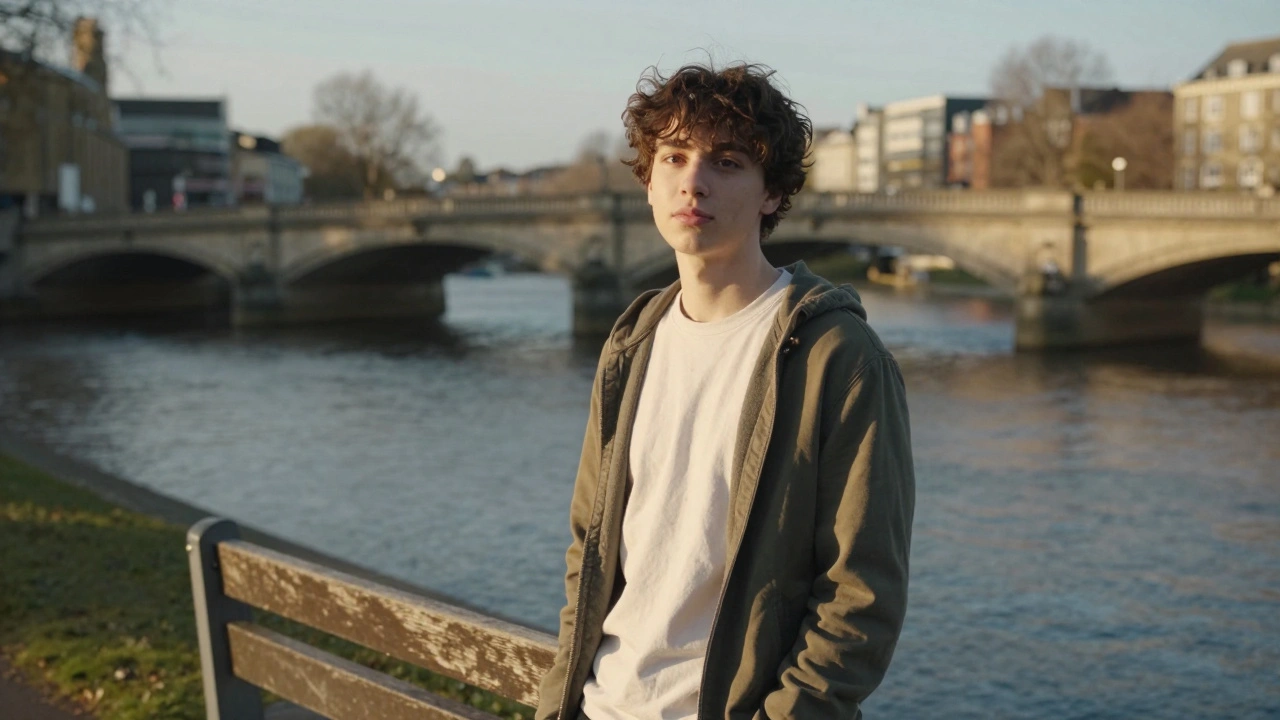
Most people think becoming a model means landing a cover shoot or walking runways in Paris. But the real start? It’s not about looks. It’s about understanding how to capture the perfect shot-and that’s something no one teaches you in school.
Let’s be honest: you don’t need to be a supermodel height or have zero body fat to start. What you need is consistency, patience, and knowing how to work with a camera. I’ve seen teenagers with no experience book jobs because they knew how to hold a pose. I’ve seen professionals with 10 years in the industry disappear because they couldn’t adapt to a simple studio light setup.
Step One: Know What Kind of Model You Are
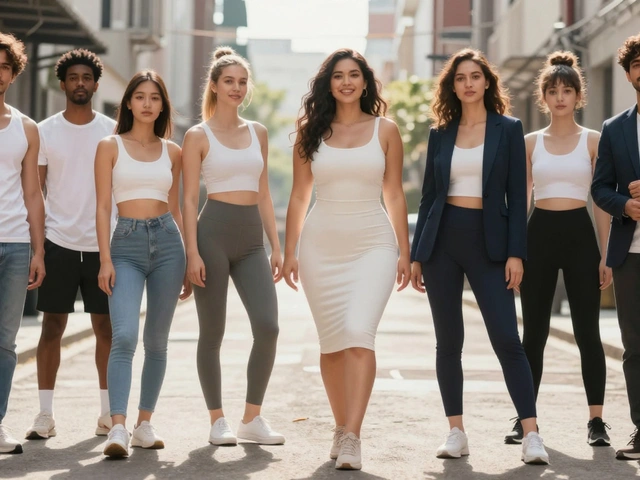
Not all models are the same. If you think you’re just "a model," you’re already behind. There are fashion models, commercial models, fitness models, plus-size models, and even promotional models. Each has different requirements.
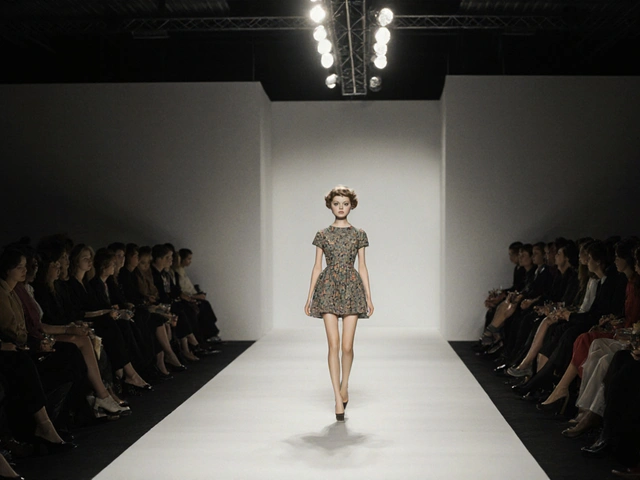
Fashion models usually need to be tall-between 5’8” and 6’0” for women-and lean. But commercial models? They look like your neighbor. They’re the ones in toothpaste ads, grocery store flyers, or phone commercials. They come in all shapes, sizes, and ages. Fitness models need muscle tone and low body fat. And Instagram models? They build followings by being authentic, not perfect.
Figure out where you fit. Look at magazines. Scroll through brand pages. Ask yourself: who do I look like? Who do I want to be? Don’t try to be someone else. Agencies spot that instantly.
Step Two: Build a Basic Portfolio
You don’t need a $5,000 photoshoot to start. You need three solid images that show range.
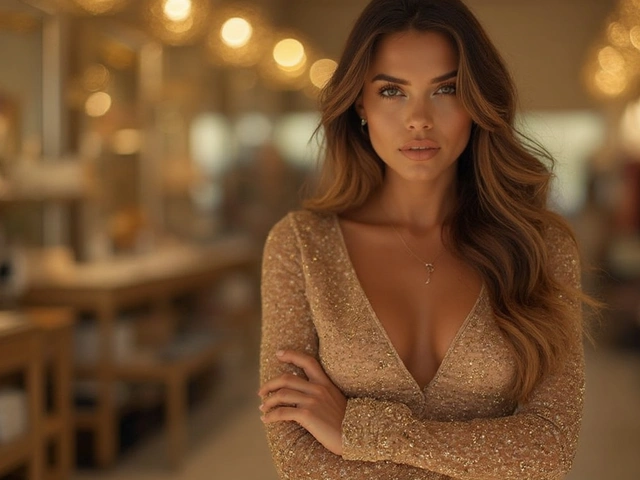
- A headshot-clean background, natural lighting, no filters.
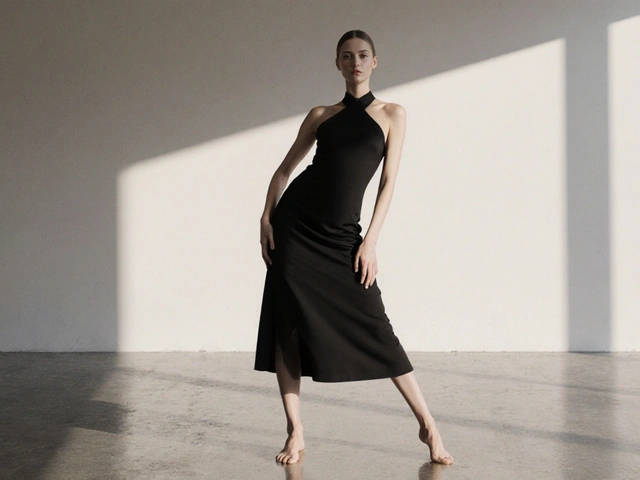
- A full-body shot-show your posture, stance, how you carry yourself.
- A lifestyle shot-something casual, like walking in a park or sitting at a café.
Use your phone. Find a friend with decent lighting. Shoot at golden hour-right after sunrise or before sunset. Natural light is your best friend. Don’t over-edit. Agencies don’t want airbrushed faces. They want real skin, real eyes, real expression.
I once worked with a girl who had 200 photos on her phone. She showed me one. Just one. It was her sitting on a bench in Bristol, looking out at the river. No makeup. No pose. Just her. She got signed the next week.
Step Three: Learn How to Pose-Without Trying
Posing isn’t about contorting yourself into weird shapes. It’s about relaxation. The best models look like they’re not posing at all.
Try this: stand in front of a mirror. Relax your shoulders. Let your arms hang naturally. Shift your weight to one hip. Tilt your head slightly. Now, look into the mirror-not at your face, but just past it. Breathe. That’s it. That’s the shot.
When you’re in front of a camera, don’t think about how you look. Think about where you are. Are you in a studio? A rooftop? A rainy street? Let the environment guide you. A good photographer will tell you to "just be." Listen. The magic happens when you stop performing.
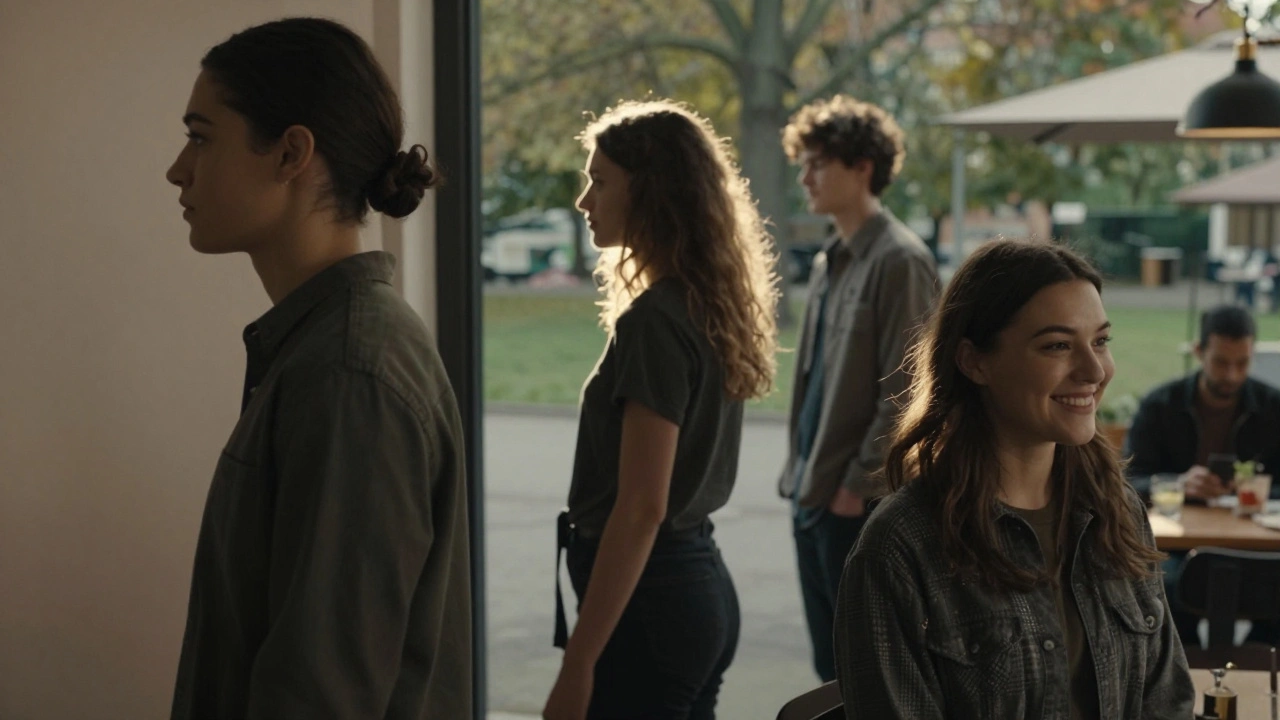
Step Four: Understand Lighting and Angles
Lighting makes or breaks a photo. Harsh overhead lights? They create shadows under your eyes and chin. Soft, angled light? It sculpts your face.
Learn the three basic types:
- Front lighting-even, flat. Good for commercial shots.
- Side lighting-adds depth. Used in fashion and editorial.
- Back lighting-creates glow. Great for hair and silhouette shots.
Angles matter too. Shooting from above makes you look smaller. Shooting from below adds power. A slight three-quarter angle (45 degrees) is the sweet spot for most faces. Practice with your phone. Take 10 shots from different angles. Compare them. Which one makes you look most like yourself?
Step Five: Work With Photographers-Even for Free
Don’t wait for an agency to call. Start now. Reach out to local photographers. Tell them you’re building your portfolio. Offer to do a TFP (Time for Prints) session. That means you give your time, they give you photos. No money changes hands.
Use Instagram. Search #TFPmodelBristol. Join local photography groups. Attend open shoots. Talk to people. Most photographers are hungry for talent. They’ll say yes.
One girl I met at a café in Clifton, 19, had never modeled before. She messaged 12 photographers in a week. Three said yes. One of those sessions ended up on the cover of a local magazine. She didn’t have perfect skin. She didn’t have a big following. She just showed up, listened, and tried.
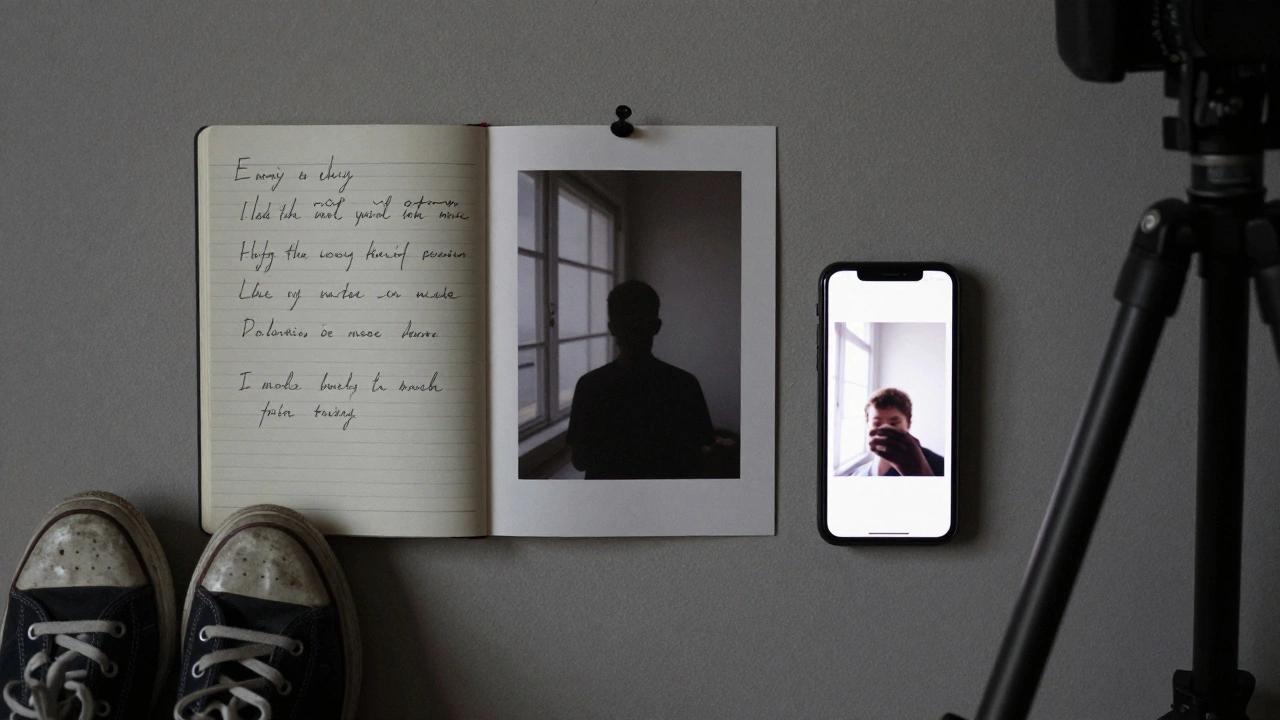
Step Six: Don’t Chase Perfection-Chase Consistency
Modeling isn’t a one-time gig. It’s a habit. You need to show up, even when you’re tired. Even when you don’t feel like it.
Post one photo a week. Even if it’s just a selfie in natural light. Keep a record. Over time, you’ll see progress. Your posture improves. Your expression becomes more natural. Your confidence grows.
Agencies don’t sign people because they look flawless. They sign people who look reliable. Who show up on time. Who know how to take direction. Who don’t panic when the lights are too bright or the wind is blowing their hair.
Step Seven: Get an Agent-But Only When You’re Ready
Don’t pay for modeling classes. Don’t send money to "scouting agencies." Legit agencies don’t charge you upfront. They take 15-20% of your earnings. That’s it.
Before you apply:
- Have at least 8 strong images in your portfolio.
- Have a clean, simple PDF or link to your photos (no Instagram albums).
- Know your measurements: height, bust, waist, hips, shoe size.
- Be ready to send a recent, unedited photo.
Start local. Bristol has agencies like Modelhub UK and The Model Factory. Apply to them. If they don’t respond, try London. Don’t apply to 50 agencies at once. Pick three. Follow up in two weeks. Then move on.
The Real Secret: It’s Not About Looks
The best model I ever worked with had a crooked smile and one shoulder higher than the other. She didn’t look "perfect." But she had presence. She made you feel something. That’s what cameras catch-not symmetry, but soul.
Stop comparing yourself to Instagram influencers. Their photos are edited, lit, styled, and posed by teams. You don’t need that. You need to be you. In real light. In real space. With real emotion.
The perfect shot isn’t the one with the most likes. It’s the one where you forgot the camera was there.
Do I need to be tall to become a model?
No. While fashion modeling often requires height (5’8”+), commercial, plus-size, and promotional modeling don’t. Many brands now prioritize relatability over traditional measurements. If you’re between 5’4” and 5’7”, you can still land great jobs in advertising, e-commerce, and lifestyle campaigns.
Can I model without an agency?
Yes. Many models start independently, especially on Instagram or through local gigs. You can book jobs directly with small brands, photographers, or event organizers. But if you want consistent work, especially in fashion or editorial, an agency helps with contracts, payments, and access to bigger clients.
How many photos do I need for a portfolio?
Start with 5-8 high-quality images: a headshot, a full-body shot, a lifestyle shot, and a couple of different looks (e.g., casual, professional, edgy). Agencies don’t need 100 photos-they need to see range and consistency. Quality over quantity every time.
Should I edit my photos before sending them to agencies?
Light editing is okay-fixing brightness, contrast, or removing a pimple. But don’t change your shape, skin tone, or facial structure. Agencies want to see what you actually look like. Over-edited photos lead to disappointment on set and can damage your reputation.
Is it too late to start modeling if I’m over 25?
Absolutely not. The modeling industry is shifting fast. Brands now value authenticity and diversity over youth. Many commercial, mature, and fitness models start in their 30s and 40s. Age is just a number if you have presence, confidence, and consistency.
If you’re serious about this, start today. Take one photo. Send it to one photographer. Show up. Keep going. The perfect shot isn’t found-it’s built, one frame at a time.