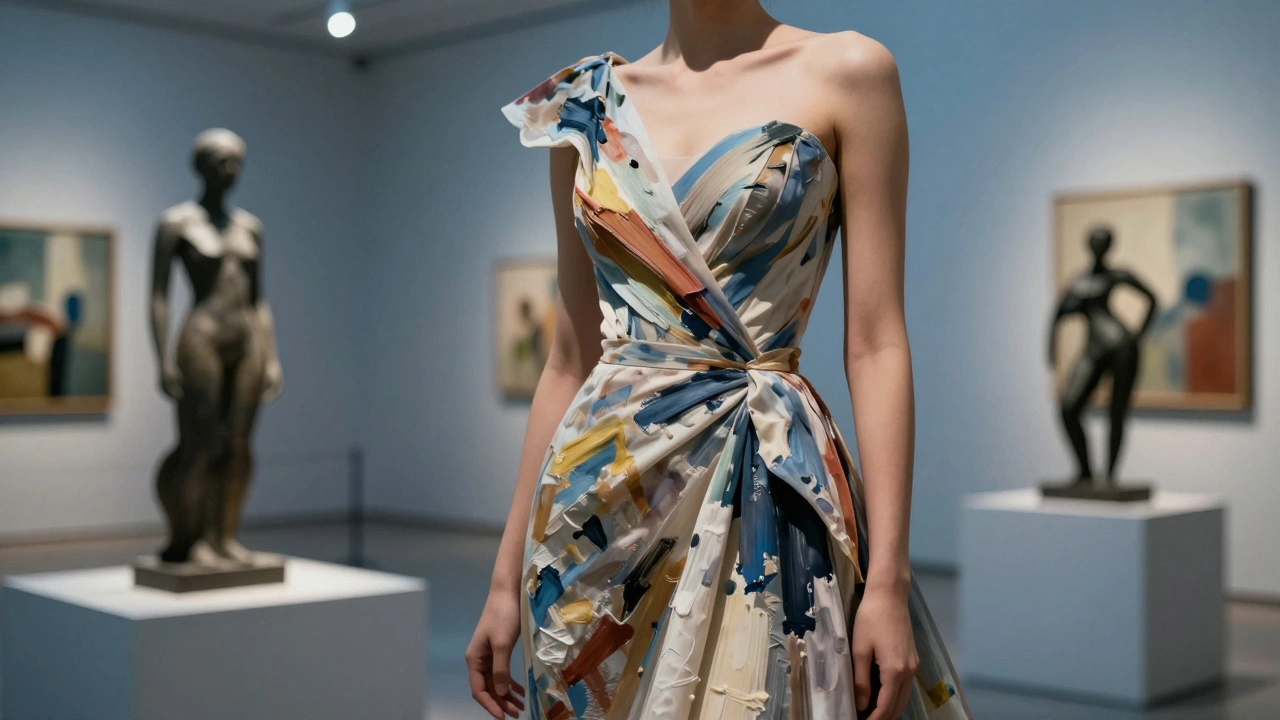
UK Models are no longer just posing for camera lenses. They’re becoming active creators in the art world, turning fashion shows into gallery-worthy installations and collaborating with visual artists to redefine creativity. In 2025, a London Fashion Week show featured a model whose outfit was designed alongside a contemporary artist, with the final piece exhibited in a major gallery. This isn’t an exception-it’s part of a growing trend where UK models bridge the gap between commerce and art.
Models as Living Canvases
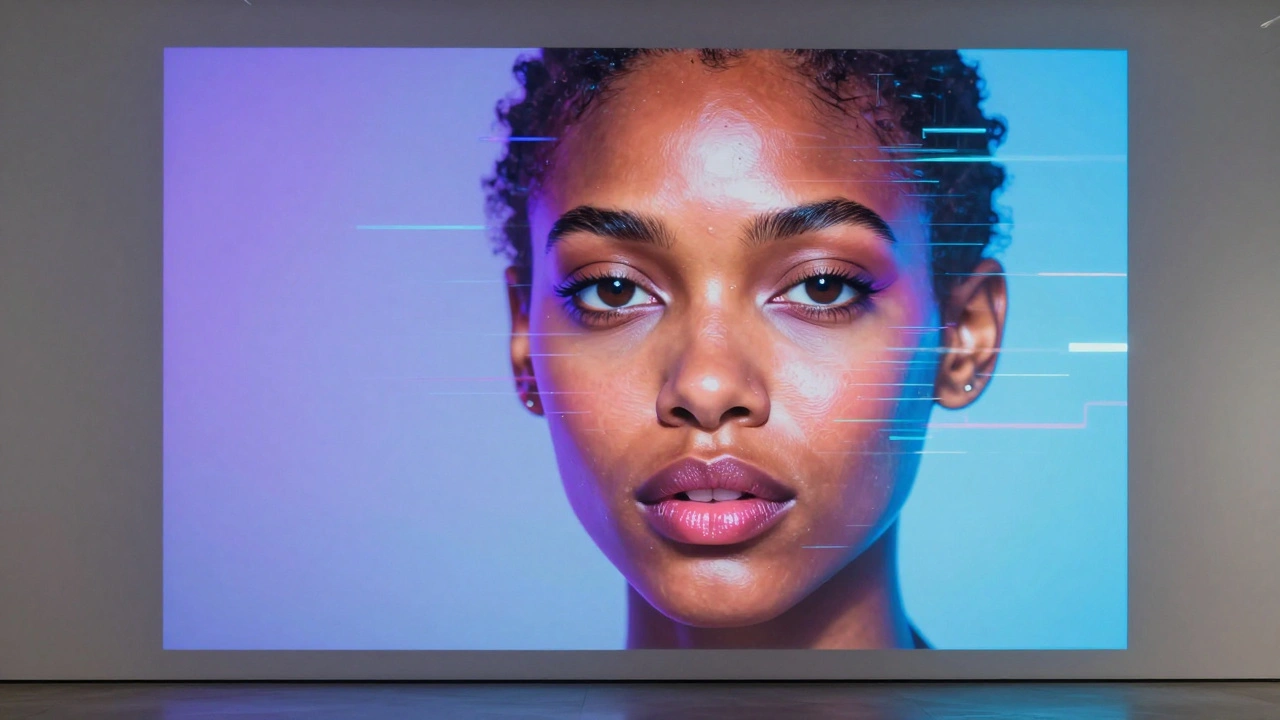
Traditionally, models were seen as mannequins for clothing. Today, they’re integral to artistic expression. Take fashion photographer Nick Knight’s work: his 2023 project "Skin Deep" used models like Adwoa Aboah to explore identity through hyper-realistic digital manipulation. The resulting images weren’t just fashion editorials-they were displayed at the Saatchi Gallery in London as standalone art. Models here aren’t passive subjects; they co-create concepts, bringing their own stories to the canvas. This shift started in the early 2000s when designers like Alexander McQueen used models to tell raw, emotional narratives, but it’s exploded recently with digital tools and social media.
From Runway to Gallery
London Fashion Week has transformed from a commercial event into a platform for experimental art. In 2024, designer Harris Reed collaborated with artist Tracey Emin for a show where models wore dresses embedded with LED lights that changed colors based on audience movement. The finale wasn’t a typical walk-it was a live sculpture installation in the Victoria and Albert Museum (V&A). The V&A Museum has hosted "Fashion in Motion" exhibitions since 2001, where live models interact with historical garments. This blurs the line between fashion and fine art, proving clothing can be a medium for storytelling beyond the runway.
Real Collaborations in Action
Look at Jourdan Dunn’s 2022 project with sculptor Yinka Shonibare. They created a series of outfits using Dutch wax fabric, which Shonibare then transformed into large-scale sculptures. The project was exhibited at the Tate Modern, with Dunn posing alongside the pieces. Similarly, model and activist Adwoa Aboah worked with photographer David LaChapelle on a series called "The New Normal," where models wore outfits made from recycled materials. These weren’t just photo shoots-they were community-driven art projects addressing climate change. The British Fashion Council now funds these collaborations through its "Art x Fashion" initiative, allocating £250,000 annually to support such projects.
Institutional Support and Recognition
The V&A Museum has been pivotal in legitimizing fashion as art. Its permanent collection includes pieces from designers like Vivienne Westwood and Alexander McQueen, displayed alongside paintings and sculptures. In 2025, the museum launched "Model as Muse," an exhibition featuring 50 UK models who’ve worked with artists. Meanwhile, the British Fashion Council partners with arts organizations to host workshops where models learn about art history and curation. This institutional backing ensures models aren’t just temporary figures but respected collaborators in cultural spaces.
Challenges in the Art-Fashion Balance
Not all models thrive in this space. Commercial pressures often clash with artistic ambition. A 2024 survey by the Model Union found that 68% of UK models face pressure to choose between high-paying brand deals or unpaid art projects. Some agencies, like Model Agencies such as Premier, actively discourage artistic collaborations, fearing it dilutes a model’s marketability. Yet, others, like Storm Models, have dedicated teams to negotiate art-focused contracts. This tension reveals a deeper issue: the industry still struggles to value artistic contribution equally with commercial work.
Future Trends: Digital and Beyond
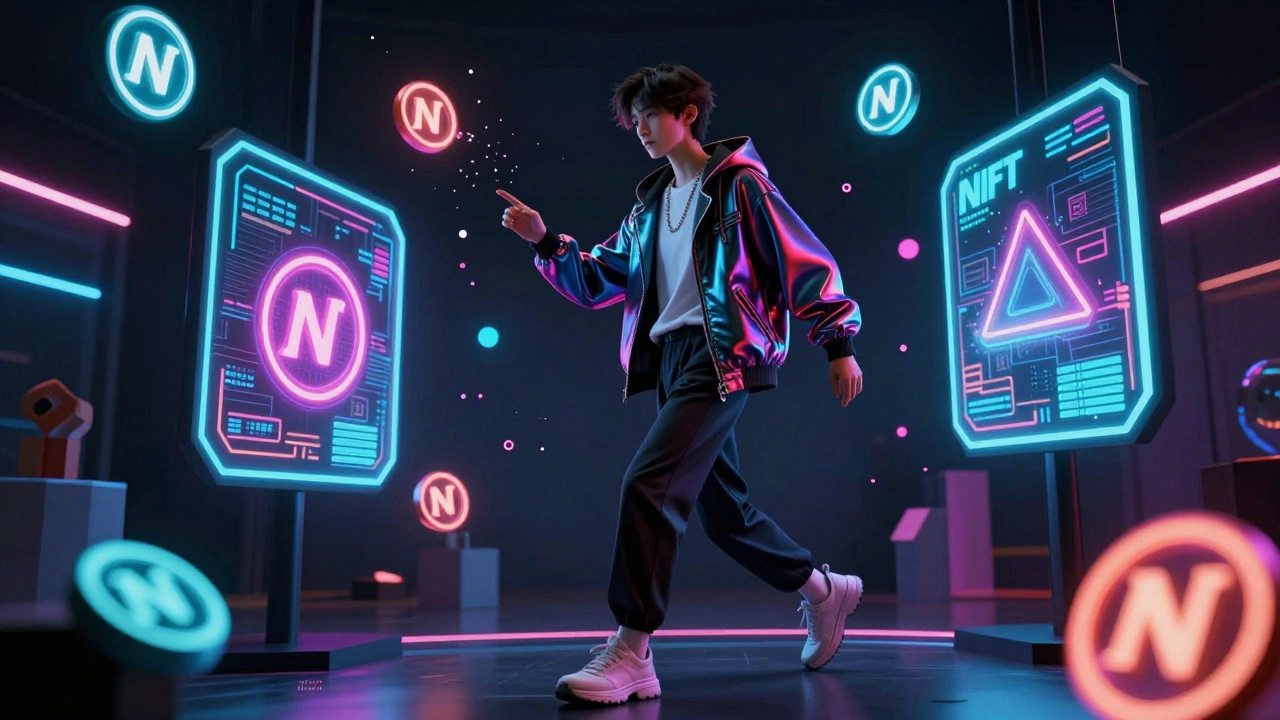
The next frontier is digital art. In 2025, the London Fashion Week introduced virtual runway shows where models were AI-generated avatars based on real UK models. But the most exciting development is NFT collaborations. Model and artist Dua Lipa released a collection of NFTs in 2024, with each piece tied to a physical garment worn by her. These digital assets are sold as art, not just fashion. Meanwhile, the V&A Museum acquired its first NFT fashion piece in 2025, signaling full acceptance of this new medium. As technology evolves, UK models will continue to push boundaries, turning pixels into poetry.
Can UK models legally claim ownership of art they collaborate on?
Yes, but it depends on the contract. UK copyright law states that collaborators must explicitly agree on ownership. For example, when model Jourdan Dunn worked with Yinka Shonibare, their contract specified shared copyright. Without clear terms, the artist typically owns the work. Models should always consult legal advisors before signing agreements for collaborative projects.
How do art institutions view models compared to traditional artists?
Institutions like the V&A Museum and Tate Modern now treat models as equal contributors. The museum’s "Model as Muse" exhibition in 2025 listed models as co-creators alongside artists. This shift started when the V&A acquired a piece from a model-artist collaboration in 2023. However, some galleries still hesitate, viewing models as "performers" rather than creators. The industry is slowly changing as more models publish their own art books or curate exhibitions independently.
Are there specific UK model agencies that support art collaborations?
Yes. Storm Models and Select Model Management have dedicated art teams that negotiate collaborations with galleries and artists. Storm Models’ 2024 report showed 40% of its roster worked on art projects that year, with 15% of those projects featured in major exhibitions. Meanwhile, Premier Models has a policy against such collaborations, citing commercial risks. Models interested in art should research agencies that explicitly support creative partnerships.
How does London Fashion Week integrate art into its events?
Since 2022, London Fashion Week has partnered with the British Council to host "Art x Runway" segments. These include live installations where models interact with sculptures or projections during shows. In 2025, a show by designer Charles Jeffrey featured a backdrop created by artist David Hockney, with models moving through the artwork in real-time. The event is now part of the official schedule, with 30% of shows incorporating art elements. This integration is driven by demand from younger audiences who see fashion as part of broader cultural conversations.
What role does social media play in this intersection?
Social media has democratized access. Models like Adwoa Aboah use Instagram to share behind-the-scenes of art projects, reaching millions. Her 2024 post about collaborating with a ceramicist went viral, leading to a pop-up exhibition in Manchester. Platforms like TikTok also showcase models creating art-such as a viral trend where models transform everyday objects into sculptures. This visibility has forced galleries and museums to take models seriously as artists, not just faces for brands.
February 7, 2026 AT 10:10
Mrigank Srivastava
Models stepping into the art world is a fascinating shift. It's not just about clothes anymore. They're part of the creative process. But the commercial pressures are real. It's a tough balance.
February 7, 2026 AT 19:29
alyssa golightly
Love seeing this trend globally. In the US, we're seeing similar collaborations. It's all about breaking boundaries and redefining creativity. Exciting times!
February 9, 2026 AT 03:03
Darshan R
Models as living canvases 🎨 is such a cool concept! It's great how they're not just mannequins anymore. This shows creativity can be everywhere. 👏
February 10, 2026 AT 05:59
Kristina Mozdzierz
The integration of fashion and art in the UK is a testament to the evolving nature of cultural expression. Historically, fashion was viewed as a commercial endeavor, but recent collaborations have elevated it to a legitimate art form. Institutions like the V&A Museum have played a pivotal role in this transformation, showcasing fashion as part of their permanent collections. This shift is not merely aesthetic but also conceptual, as models are now recognized as co-creators rather than passive subjects. Projects such as Adwoa Aboah's work with David LaChapelle demonstrate how models contribute to meaningful dialogue on societal issues. The use of recycled materials in fashion art projects also highlights the intersection of environmental consciousness and creativity. Furthermore, the British Fashion Council's funding initiatives have provided crucial support for these ventures. However, challenges remain, particularly regarding the commercial pressures that models face. A significant portion of models still struggle to balance lucrative brand deals with artistic endeavors. The Model Union's survey revealing 68% of UK models face this dilemma underscores the need for systemic change. Despite these hurdles, the growing recognition of models as artists is undeniable. The V&A's 'Model as Muse' exhibition is a clear indicator of this shift. Additionally, the rise of digital art through NFTs is opening new avenues for collaboration. As technology advances, the possibilities for models to contribute to the art world will only expand. Ultimately, this trend is reshaping how society perceives both fashion and art, merging them into a cohesive cultural narrative.
February 10, 2026 AT 12:12
Hannah Ronquillo
This is such a positive movement. Models contributing to art projects helps redefine beauty and creativity. It's inspiring to see the industry evolve.
February 11, 2026 AT 08:49
Tim Paradis
Art projects don't pay bills.