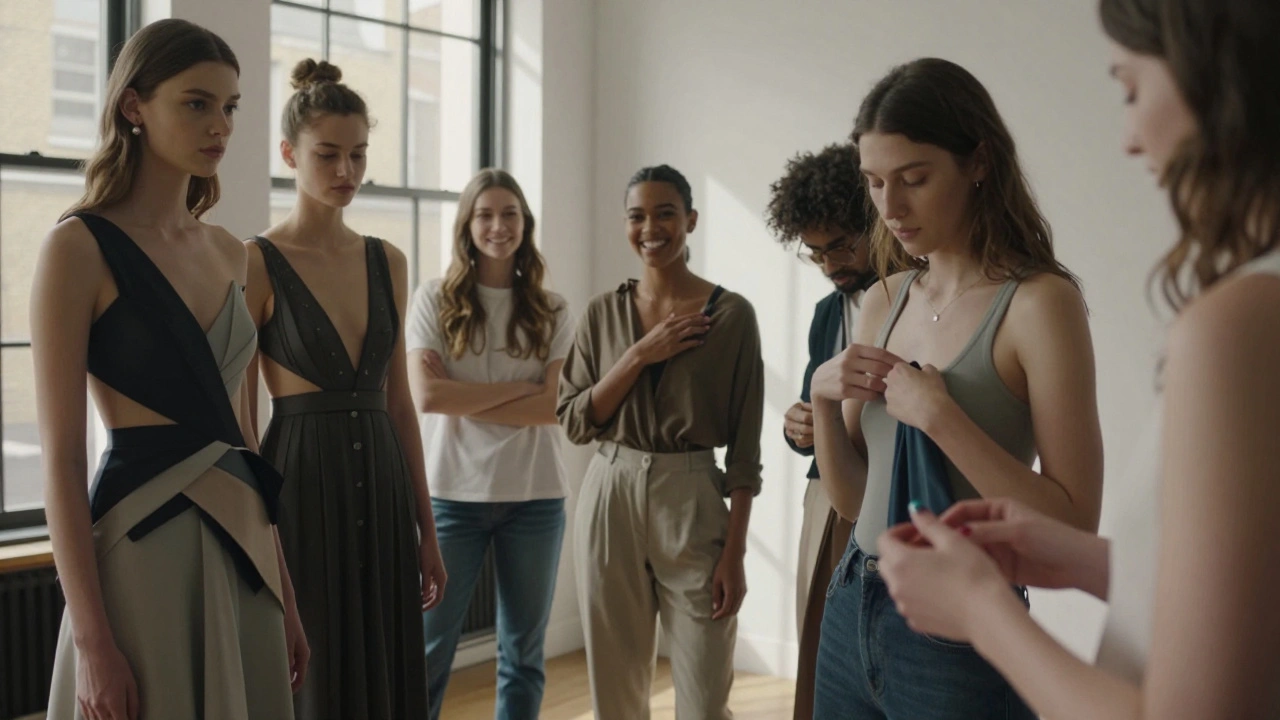
If you’ve ever scrolled through a fashion magazine or watched a runway show and thought, “I could do that,” you’re not alone. But here’s the truth most people don’t tell you: becoming a model isn’t about looking perfect. It’s about being persistent, professional, and prepared. The industry doesn’t reward beauty alone-it rewards consistency, adaptability, and resilience.
Understand What Type of Model You Are
Not all models are the same. The fashion world has many niches, and trying to be everything at once will burn you out. Start by asking yourself: where do I fit?
- Fashion models walk runways for designers like Chanel or Burberry. They’re typically tall (5’9” and up for women), slim, and have strong bone structure.
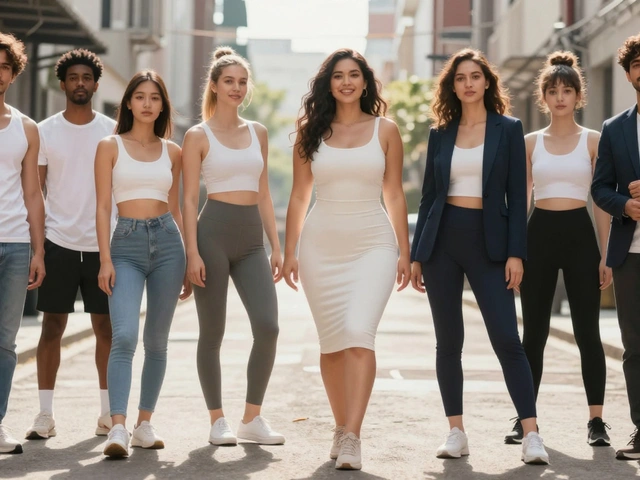
- Commercial models appear in ads for supermarkets, banks, or tech brands. They look like real people-diverse ages, body types, and ethnicities.
- Fit models work behind the scenes for clothing brands to test how garments drape and move. No public exposure, but steady work.
- Parts models specialize in hands, feet, hair, or eyes. Think nail polish ads or shampoo commercials.
- Plus-size and curvy models are in high demand as brands finally move away from one-size-fits-all imagery.
You don’t need to be a supermodel to make money. Many models earn six figures without ever setting foot on a runway. The key is matching your look to the right market.
Build a Strong Model Portfolio
Your portfolio isn’t just a photo album-it’s your resume. A weak portfolio will get you ignored by agencies and clients alike.
Start with 10-15 high-quality images that show range:
- A clean headshot (natural lighting, no filters)
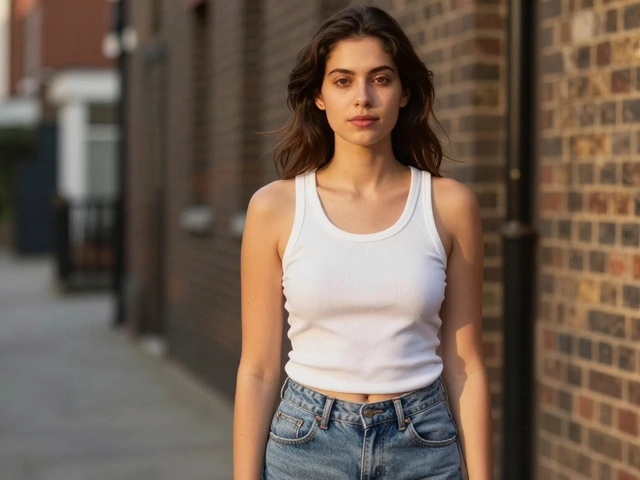
- A full-body shot in jeans and a white tank top
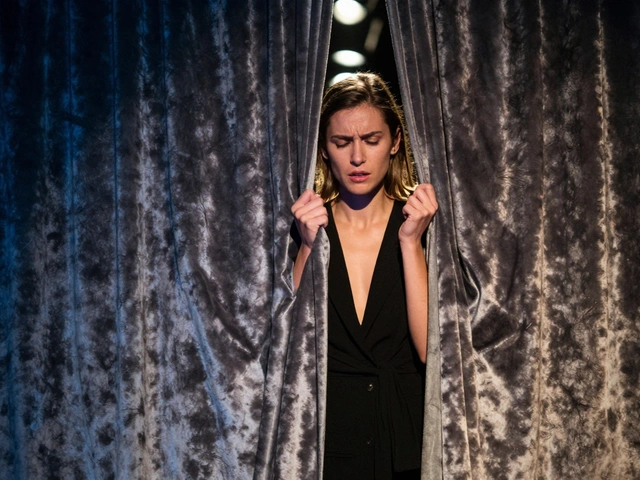
- A fashion editorial-style shot (think moody lighting, dramatic pose)
- A commercial smile shot (warm, approachable)
- A look that matches your niche (e.g., swimwear for bikini models, activewear for fitness models)
Work with a photographer who understands modeling, not just someone with a good camera. Many new models waste money on cheap shoots that look amateurish. A good portfolio costs £300-£800 in London, but it’s an investment that pays back in opportunities.
Keep it updated. Every 6-8 months, add new images. If you’ve lost weight, gained muscle, or changed your hairstyle-update your portfolio. Outdated photos hurt your chances.
Find a Reputable Model Agency
Legit agencies don’t ask for money upfront. If someone tells you to pay for “training,” “portfolio creation,” or “casting access,” walk away. That’s a scam.
Research agencies in your city. In London, agencies like Premier Model Management, Models 1, and Storm Management have decades of history. Check their websites: do they list real clients? Do they have photos of signed models? Have they been around for more than five years?
Submit your portfolio through their official submission portal. Don’t cold-email or show up unannounced. Most agencies review submissions weekly. If you don’t hear back in 10-14 days, follow up politely.
Once signed, your agency should:
- Send you on castings
- Negotiate your rates
- Handle contracts
- Protect your rights
You should never sign an exclusive contract unless you’re getting real support. A non-exclusive agreement lets you work with multiple agencies, which increases your chances.
Learn How to Walk, Pose, and Handle a Set
Being photogenic doesn’t mean you know how to move. Many models fail because they freeze in front of a camera or look stiff on set.
Take a modeling class. In London, studios like The Model Workshop and The Model Agency School offer weekend courses for under £150. You’ll learn:
- How to walk in heels without looking awkward
- How to shift weight to make your hips look natural
- How to use your eyes and eyebrows to convey emotion
- How to interact with photographers and stylists
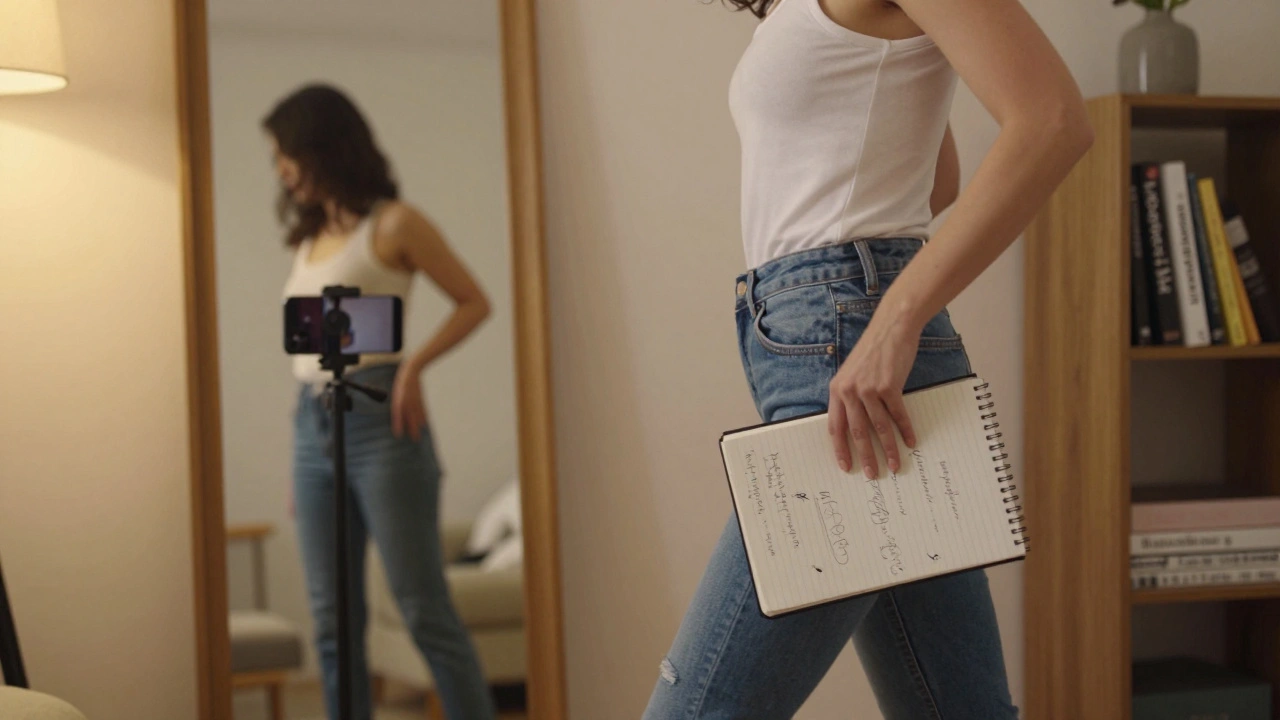
Practice daily. Stand in front of a mirror. Try different poses. Record yourself walking. Watch videos of top models like Adut Akech or Gigi Hadid. Notice how they hold their shoulders, where they look, how they breathe. You’re not copying them-you’re learning technique.
Network, But Don’t Beg
The modeling world runs on relationships. You don’t need to be friends with everyone, but you need to be known as someone reliable.
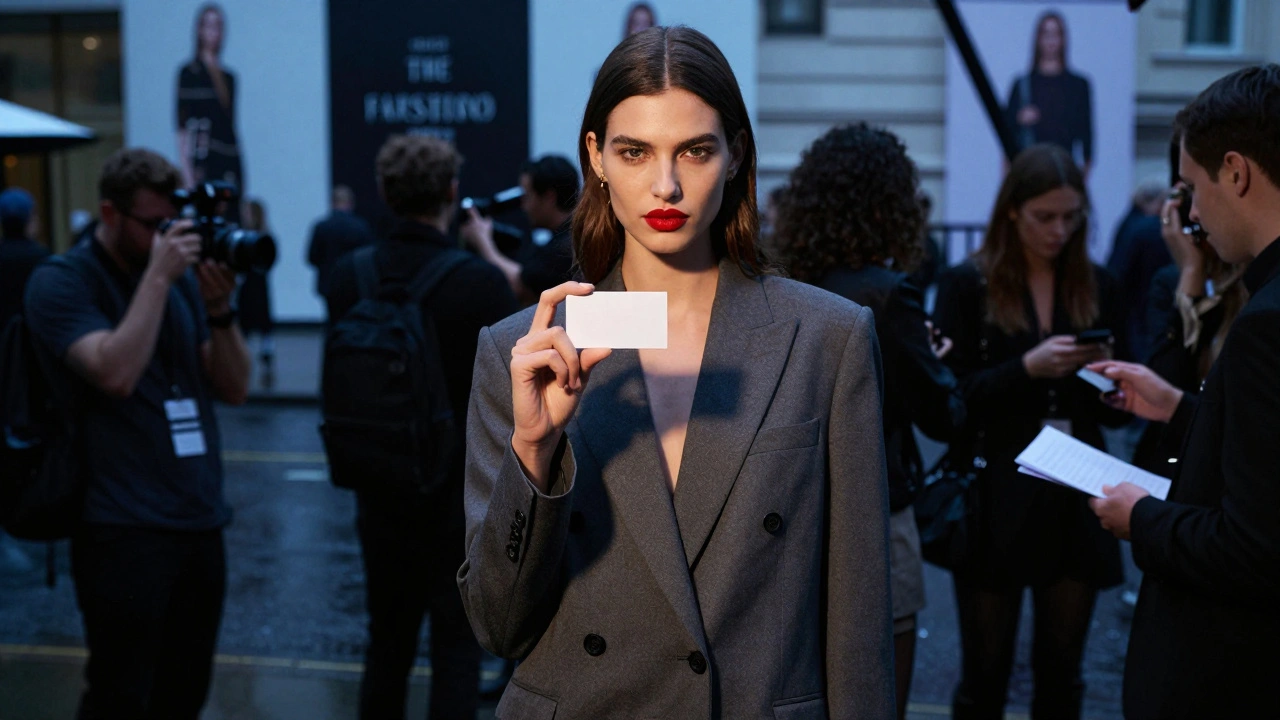
Go to industry events. London Fashion Week isn’t just for designers-it’s full of casting directors, photographers, and brand managers. Even if you’re not on the guest list, many events have open networking zones. Bring business cards with your name, agency, and Instagram.
Follow photographers, stylists, and brands on Instagram. Comment thoughtfully-not “🔥” or “I want to work with you!”-but something like, “Love how you used natural light in this shoot.” Build genuine connections.
Never beg for work. If you’re good, opportunities will find you. If you’re desperate, you’ll be taken advantage of.
Stay Professional, Even When It’s Hard
Modeling isn’t glamorous 90% of the time. You’ll wait for hours in freezing cold studios. You’ll be told your hair doesn’t look right. You’ll get ghosted after a casting. You’ll be asked to lose weight or gain it. You’ll deal with rejection.
But the ones who succeed? They show up on time. They’re polite to everyone-even the assistants. They don’t argue with stylists. They bring water, snacks, and a positive attitude. They treat every job like it’s their first.
Keep a journal. Write down every booking, every client, every feedback note. Over time, you’ll see patterns: “I book more when I wear red lipstick,” or “I get called back for commercial jobs more than fashion.” Use that data to improve.
Know Your Worth and Protect Yourself
Never sign a contract without reading it. If you’re unsure, ask your agency to explain it. If they can’t, walk away.
Know the standard rates in the UK:
- Commercial photo shoot: £200-£600 per day
- Fashion runway: £150-£400 per show
- Instagram post (10k-50k followers): £50-£300 per post
- Long-term campaign (3+ months): £1,000-£5,000+
Never work for “exposure.” Exposure doesn’t pay rent. If a brand says they’ll “feature you,” ask for a written agreement. If they refuse, walk away.
Use a contract template from the British Modelers’ Association (or your country’s equivalent). It protects you from exploitation.
Build a Personal Brand-But Don’t Lose Yourself
Instagram isn’t mandatory, but it helps. You don’t need 100k followers to get booked. Brands care about engagement, not just numbers.
Post consistently: 2-3 times a week. Mix:
- Behind-the-scenes shots (on set, with hair and makeup)
- Real moments (coffee, walking in the park)
- Professional work (with credit to the photographer)
Don’t fake it. People spot inauthenticity. If you’re not into makeup, don’t post 10 selfies with contouring. If you love hiking, share that. Authenticity builds trust.
Use hashtags wisely: #londonmodel #commercialmodel #modelportfolio #ukmodeling-not #modellife or #fashionbabe.
It’s a Marathon, Not a Sprint
Most successful models didn’t blow up overnight. They worked part-time jobs while booking small gigs. They saved money. They took rejection as feedback. They kept improving.
It takes 18-24 months to build real momentum. If you quit after six months, you’re not failing-you’re just not ready yet.
Keep learning. Read books like The Model’s Handbook by Linda Evangelista. Watch interviews with Naomi Campbell or Kate Moss. Learn how they handled setbacks.
And remember: modeling is a job. Not a dream. Not a fantasy. A real, demanding, rewarding career. If you treat it that way, you’ll go further than most.
Can I become a model if I’m not tall?
Yes. While fashion runway models are often 5’9” or taller, commercial, fit, and parts modeling don’t have strict height requirements. Many brands now prioritize diversity, personality, and marketability over traditional measurements. Commercial models, for example, range from 5’2” to 5’10” and everything in between.
Do I need to pay for modeling classes or portfolio shoots?
You should never pay a modeling agency to represent you. However, paying for professional photos or training is normal and often necessary. A good portfolio costs £300-£800. A modeling class costs £100-£200. These are investments, not fees. Avoid anyone who demands payment before signing a contract or offering work.
How long does it take to get booked after signing with an agency?
It varies. Some models book within weeks; others wait 6-12 months. It depends on your look, market demand, and how active your agency is. Don’t panic if you’re not working right away. Agencies are building your profile. Keep your portfolio updated and stay in touch.
Can I model part-time while keeping my day job?
Absolutely. Most models start this way. Many work in retail, cafes, or offices while building their modeling careers. Flexibility is key. Bookings often happen on weekends or during lunch breaks. As you get more consistent work, you can transition to modeling full-time.
What’s the biggest mistake new models make?
Believing that looking good is enough. Modeling is a business. You need professionalism, reliability, and the ability to take direction. Many talented people fail because they’re late, unprepared, or difficult to work with. Your attitude matters as much as your appearance.
If you’re serious about this path, start today. Update your portfolio. Research three agencies. Book one professional shoot. Show up. Stay consistent. The industry doesn’t need more pretty faces-it needs more professionals. Be one of them.