Glitz. Gloss. Glamour. That’s what you see on billboards, magazine covers, and Instagram feeds. But what’s really going on behind those perfectly lit photos? The rise of glamour models isn’t just about beauty-it’s about control, commerce, and the quiet rewrite of what ‘sexy’ means in the 2020s.
What Exactly Is a Glamour Model?
A glamour model isn’t a fashion model. They don’t walk runways in haute couture. They’re not fitness models sweating through abs-focused shoots. Glamour models are defined by one thing: appeal. Their job is to look desirable, confident, and approachable-not idealized. Think soft lighting, silk robes, vintage pin-up vibes, or modern boudoir aesthetics. The focus isn’t on the body as an athletic machine, but as a vessel of allure.
This category exploded after 2018. Why? Social media. Platforms like OnlyFans, Patreon, and even Instagram gave women direct access to audiences without needing a modeling agency’s approval. Suddenly, you didn’t need to be signed to Ford or Elite to build a following. You just needed a camera, good lighting, and a sense of self.
The Numbers Don’t Lie
In 2023, a report from the International Modeling Association found that 68% of new modeling contracts in the UK and US were for glamour-style shoots-not fashion or commercial. By 2025, that number climbed to 79%. Why? Because brands realized: people connect with authenticity more than perfection.
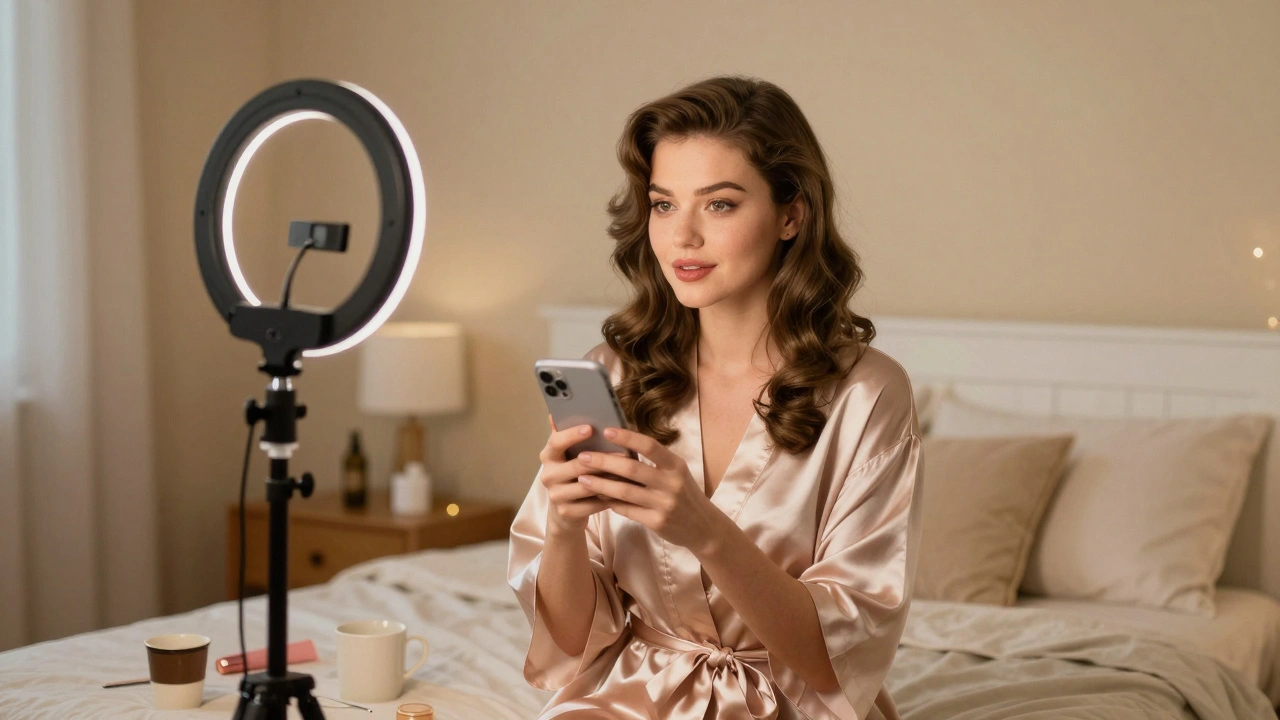
Take a look at the top 10 most-followed glamour models on Instagram in 2025. None of them were discovered through traditional agencies. Most started as photographers’ friends, college art students, or former waitresses. One, known online as @LunaRae, began posting in her bedroom with a phone and a ring light. Two years later, she landed a campaign with Victoria’s Secret Pink. No agency. No audition. Just consistency.
How It Works: The Real Process
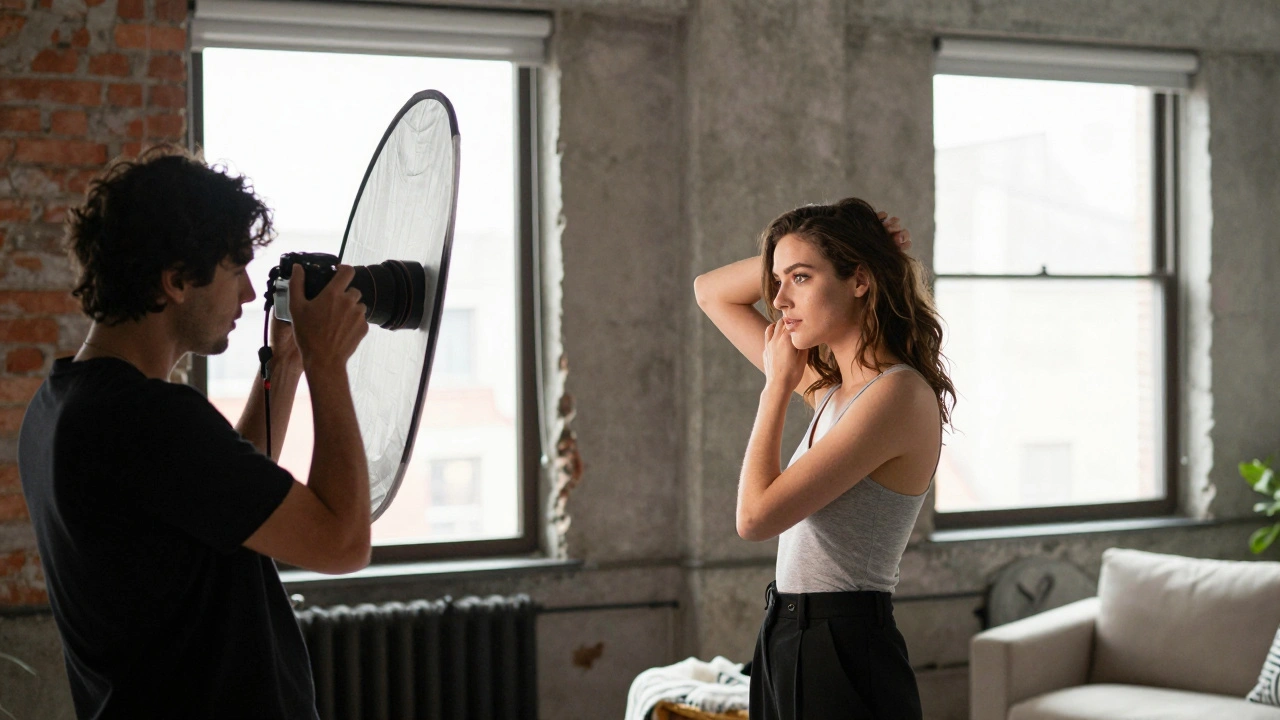
Forget the movies. There’s no glamorous studio with a team of stylists and a 10-hour shoot. Most glamour shoots today are done in 90 minutes. A model might book a session with a local photographer through a platform like ModelMayhem or even a Facebook group. They agree on a theme-cozy sweater look, beach towel vibe, candlelit boudoir-and show up with their own clothes, makeup, and hair.
Payment? It varies. Some photographers offer $200 for 10 edited images. Others trade images for portfolio building. A few top-tier models charge $1,500 per shoot and keep full rights to the photos. That’s the game-changer: ownership. Unlike traditional modeling, where agencies hold the rights, glamour models now own their content. They can sell prints, license images, or turn them into digital products.
One model from Manchester told me she made £18,000 last year just from selling digital photo packs on Etsy. Not from modeling gigs. From selling the same 12 images 1,500 times.
Who’s Behind the Scenes?
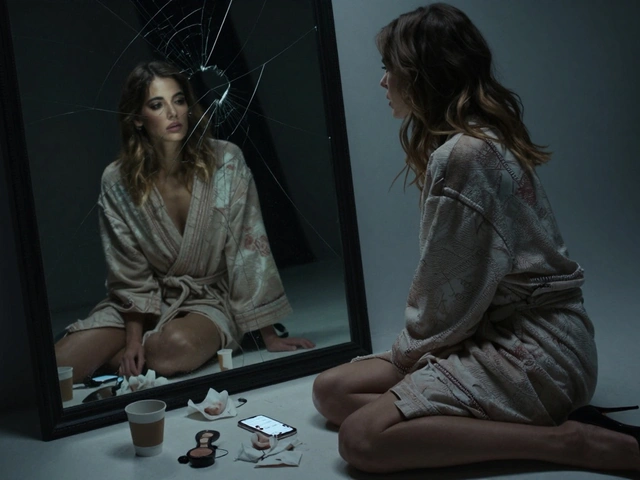
It’s not just models. There’s a whole ecosystem now. Photographers who specialize in soft lighting. Retouchers who know how to enhance without erasing. Makeup artists who focus on "natural glow," not full coverage. Even therapists. Yes-therapists. Many glamour models hire mental health coaches to handle the emotional toll of being constantly objectified.
A 2024 survey by the UK Model Welfare Collective found that 41% of glamour models reported anxiety from public comments. Another 33% said they struggled with body image after comparing themselves to edited images of others. The industry didn’t prepare them for this. So they built their own support networks.
The Shift in Perception
Five years ago, glamour modeling was seen as a stepping stone-or a dead end. Now, it’s a career. Some women use it to fund college. Others turn it into a full-time brand. A few have launched their own lingerie lines, skincare products, or even modeling workshops.
The stigma is fading. Why? Because the models themselves are speaking up. They’re not hiding. They’re posting videos about their shoot prep, sharing contracts, and explaining why they choose this path. They’re not apologizing for being sexy. They’re defining what sexy means to them.
One 29-year-old model from Brighton said it best: "I’m not trying to be someone else’s fantasy. I’m showing up as me-and people pay for that. Not because I look perfect, but because I look real."
What’s Next?
The next wave? AI-generated glamour models. Companies are already training algorithms to create hyper-realistic digital women who can pose, smile, and wink without ever leaving a studio. Some brands are testing them as virtual brand ambassadors. But here’s the twist: real glamour models are thriving anyway. Why? Because people still want human connection.
AI can mimic a smile. It can’t tell a story. It can’t share how she got her first shoot after being rejected 17 times. It can’t laugh about the time her cat jumped into frame during a lingerie shoot.
The future of glamour modeling isn’t about perfection. It’s about personality. About agency. About women choosing how they want to be seen-and who gets to decide that.
Why It Matters
This isn’t just about modeling. It’s about power. Who controls the image? Who profits from it? Who gets to say what’s beautiful?
Glamour models are rewriting the rules. They’re not waiting for permission. They’re not asking to be chosen. They’re creating their own platforms, setting their own rates, and building their own communities. And in doing so, they’re changing what it means to be seen-in a world that’s never been more connected, or more lonely.