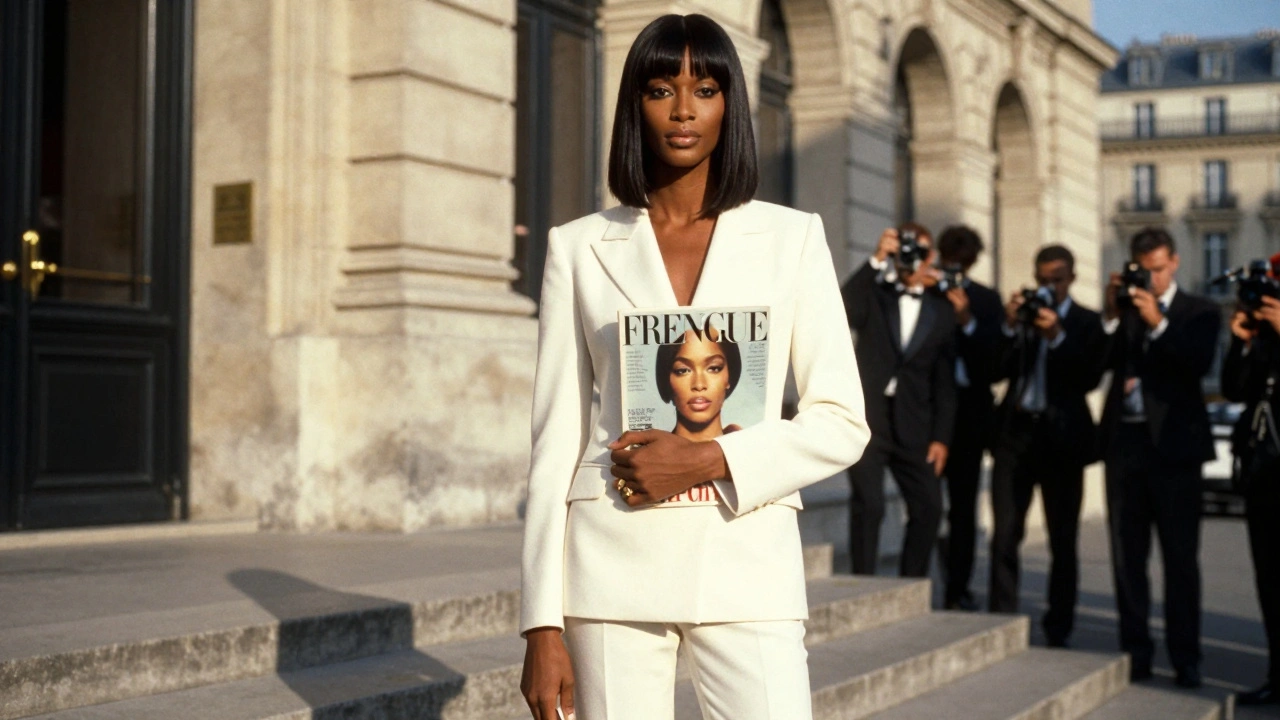
Naomi Campbell didn’t just walk runways-she changed them. When she stepped onto the catwalk in the late 1980s, fashion wasn’t just about clothes. It was about power, presence, and breaking barriers. And no one did that with more intensity than her.
Breaking the Mold When No One Else Would
In the 1980s, high fashion was overwhelmingly white. Magazines, campaigns, and runway shows rarely featured Black models. Naomi Campbell changed that. At just 15, she became the first Black woman to appear on the cover of French Vogue. That wasn’t luck. It was a calculated, quiet rebellion.
Before her, designers like Yves Saint Laurent and Gianni Versace had never cast a Black model as their face. But when they did, it was Naomi. She didn’t just walk for them-she became their muse. Versace called her his "living sculpture." Saint Laurent said she moved like lightning. These weren’t empty compliments. They were acknowledgments of a new standard.
By 1990, she was one of the original five supermodels-alongside Cindy Crawford, Linda Evangelista, Claudia Schiffer, and Tatjana Patitz. But unlike the others, Naomi carried a weight no one else did. She wasn’t just a model. She was proof that Black beauty belonged in the highest echelons of fashion.
The Walk That Made History
Everyone talks about her walk. It wasn’t just long legs and perfect posture. It was attitude. A mix of confidence, mystery, and raw energy. She didn’t glide. She commanded. Designers begged for her to open their shows because her entrance changed the energy of the entire room.
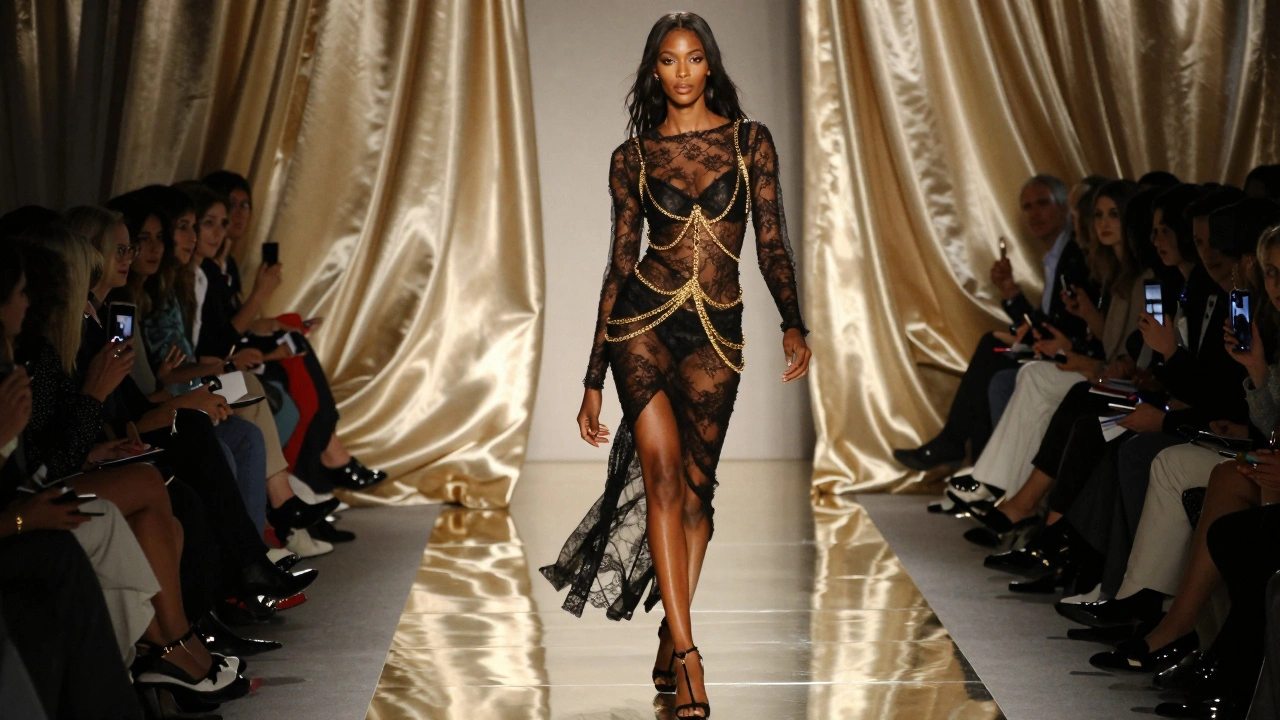
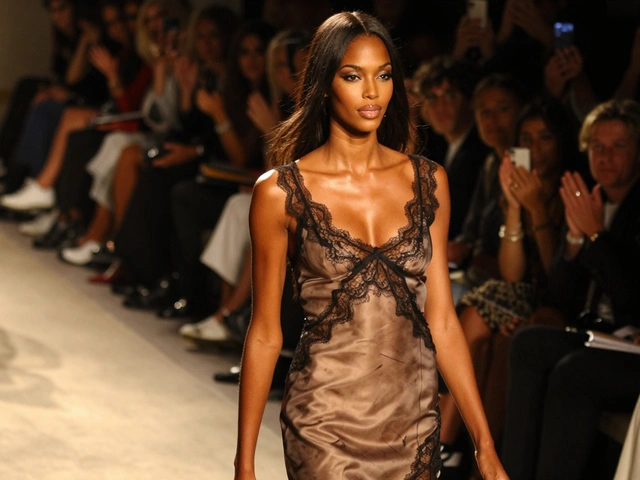
In 1993, she opened the Versace spring show wearing a sheer black lace dress with gold chains. The crowd went silent. Then they erupted. That moment wasn’t just fashion-it was theater. And she was the star. No one else could pull off that look without it feeling like a costume. She made it feel like destiny.
Her walk became so iconic, it was studied. Modeling schools in New York and London started teaching "the Naomi"-a specific rhythm, head tilt, and hip movement that became the gold standard. Even today, young models try to replicate it. No one quite nails it. Because it wasn’t just technique. It was soul.
More Than a Face on a Cover
Naomi didn’t stop at runways. She broke into magazines like Harper’s Bazaar, Elle, and Vogue with a frequency no other Black model had achieved. She was on the cover of British Vogue 11 times before 2020. That’s more than most models get in their entire careers.
She wasn’t just a pretty face in ads. She became a brand. She partnered with major labels like L’Oréal, Estée Lauder, and even Nike. In 1998, she became the first Black woman to front a global L’Oréal campaign. That deal wasn’t just a paycheck. It was a cultural reset. Suddenly, women of color weren’t just an afterthought in beauty marketing-they were the face of luxury.
She also walked for brands that didn’t usually hire models of her background. She opened shows for Chanel, Dior, and Balenciaga when they rarely cast Black women. And when they did, it was her they called. Not because she was "diverse." Because she was the best.
The Impact That Still Echoes
Look at today’s top models-Adriana Lima, Gigi Hadid, Kaia Gerber, Winnie Harlow. They all credit Naomi as their inspiration. Harlow, who has vitiligo, says she wouldn’t have believed she could be on a runway if Naomi hadn’t shown the way. Gigi Hadid once said, "I didn’t want to be a model. I wanted to be Naomi Campbell."
She didn’t just open doors. She kicked them down. Before her, Black models were often hired as tokens. After her, they were hired because they were exceptional. The industry didn’t change because of quotas. It changed because Naomi proved that Black excellence didn’t need permission.
Even now, in 2026, designers still reference her. When Virgil Abloh designed his first collection for Louis Vuitton, he said he wanted the models to move like Naomi. When Balmain’s Olivier Rousteing sent out his 2024 show with 80% Black models, he said, "Naomi made this possible."
Her Legacy Isn’t Just in Photos
Naomi didn’t just model. She built. She founded the Fashion for Relief charity in 2005, raising over $10 million for global causes from Haiti to South Africa. She didn’t just show up for photo ops. She showed up for people.
She mentored young models of color, often paying for their travel, housing, and agency fees out of her own pocket. She didn’t wait for someone else to fix the system. She fixed it for the next generation.
She also pushed for real change behind the scenes. In 2017, she called out major fashion houses for excluding Black models. She didn’t tweet it. She called them. She demanded meetings. And she didn’t leave until they agreed to change.
Her influence isn’t just in the history books. It’s in the casting sheets of every major show today. When a designer says, "I want someone with presence," they’re thinking of Naomi.
Why She Still Matters
There are hundreds of beautiful models today. But there’s only one Naomi Campbell. Why? Because she didn’t wait to be invited. She walked in-and made sure the door stayed open.
She didn’t just wear the clothes. She wore the responsibility. She knew that every time she stepped on a runway, she wasn’t just representing herself. She was representing every Black girl who’d been told she didn’t belong.
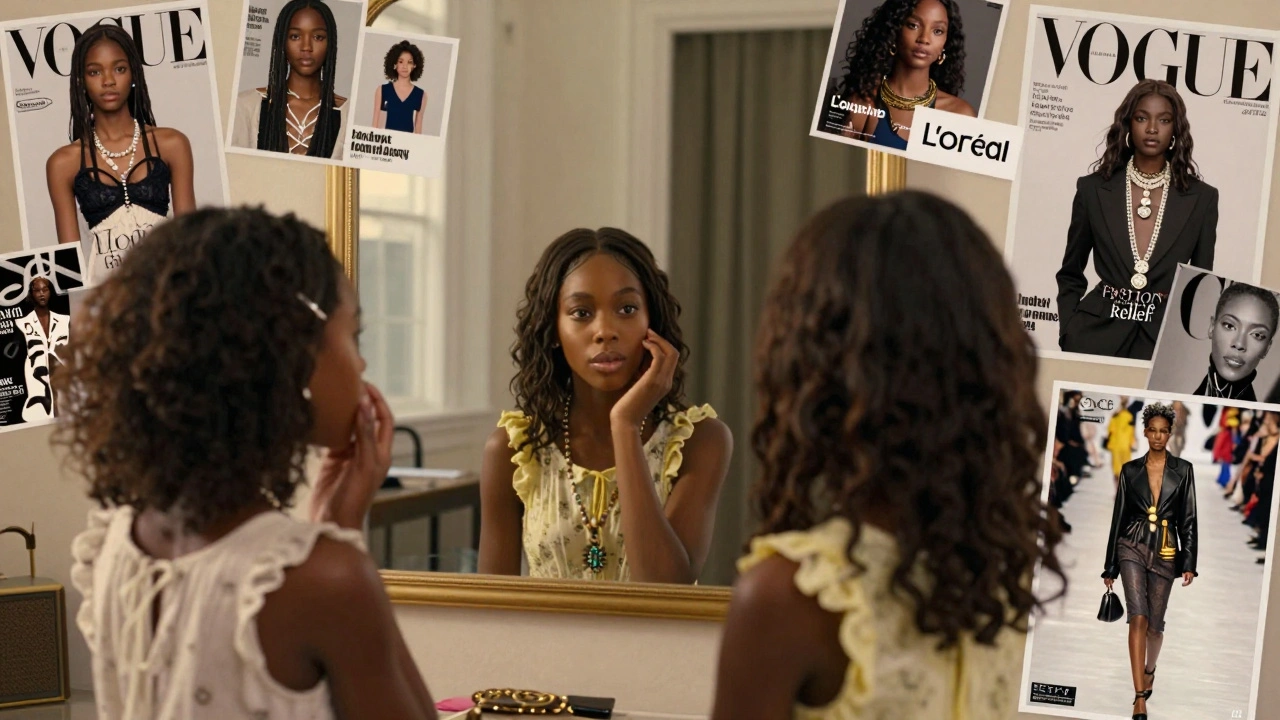
Her legacy isn’t in the number of covers or the size of her bank account. It’s in the fact that today, a 14-year-old girl in Lagos or Kingston can look in the mirror and say, "I could be her." And she’s right.
Naomi Campbell didn’t become a fashion icon because she was perfect. She became one because she refused to be anything less than extraordinary-and she made sure the world had no choice but to see it.
Was Naomi Campbell the first Black supermodel?
No, Naomi Campbell wasn’t the first Black model to achieve fame-models like Beverly Johnson and Iman paved the way in the 1970s. But Naomi was the first Black woman to become a global supermodel on the same level as her white peers, consistently headlining major fashion houses, appearing on the covers of top magazines, and commanding high-profile campaigns without being treated as a token.
How many Vogue covers did Naomi Campbell appear on?
Naomi Campbell has appeared on the cover of British Vogue 11 times as of 2025, more than any other Black model in history. She’s also graced the covers of American, French, Italian, and Russian Vogue, making her one of the most frequently featured models in Vogue’s global editions.
Did Naomi Campbell start the supermodel era?
She didn’t start it alone, but she was a defining force. The supermodel era began in the late 1980s with a handful of models who became household names. Naomi was one of the original five-alongside Cindy Crawford, Linda Evangelista, Claudia Schiffer, and Tatjana Patitz. She was the only Black woman in that group, and her presence forced the industry to expand its definition of beauty.
What made Naomi Campbell’s walk so special?
Her walk wasn’t just about posture or pace. It had rhythm, attitude, and power. She moved with a controlled intensity that made everyone stop and watch. Designers said she could turn a simple dress into a statement just by walking in it. Her signature stride-slightly slower than others, with a pronounced hip sway and a head held high-became the gold standard. Many try to copy it. No one replicates it.
Is Naomi Campbell still modeling today?
Yes. Even in her late 50s, Naomi Campbell still walks runways and appears in campaigns. She opened the 2024 Balmain show and starred in a global L’Oréal campaign in 2025. She’s proof that age doesn’t define a model’s relevance-impact does.



January 7, 2026 AT 02:48
Jarvis Norman
man i swear naomi was the only one who made fashion feel like a damn movie scene, not just some rich people posing in silk. everyone else walked, she owned the runway like she owned the damn planet. and yeah, she had that walk-like she was late for a revolution and refused to apologize for being late.
January 8, 2026 AT 13:33
Lisa Nono
the way she moved wasn’t just technique-it was poetry in motion. like, you could feel the weight of every Black woman who’d been told to shrink behind her. she didn’t just walk in heels, she walked in legacy. and honestly? still the only one who makes lace and gold chains look like destiny, not costume.
January 8, 2026 AT 20:36
Bhatti Naishadh
India gave the world yoga. America gave the world fame. But Naomi? She gave fashion soul. No Western brand can claim her. She is the truth they tried to erase.
January 9, 2026 AT 12:41
Bruce Monroe
It is worth noting that Naomi Campbell's impact extends beyond aesthetic influence; she fundamentally altered the structural dynamics of model representation in high fashion. Her consistent presence in editorial and campaign roles-particularly during the late 1980s and early 1990s-forced institutional gatekeepers to reconsider their casting paradigms, which had previously been rooted in exclusionary norms. Her agency, both literal and metaphorical, established a precedent that continues to inform contemporary industry practices.
January 11, 2026 AT 10:15
Pierce Burbank
And let’s not forget-she didn’t just walk… she lifted. She paid for travel. She mentored. She called out brands. She didn’t wait for permission. She built the door. And now? Every young model of color who walks a runway? She’s standing right behind them. With a smirk. And a crown. And she earned every inch.