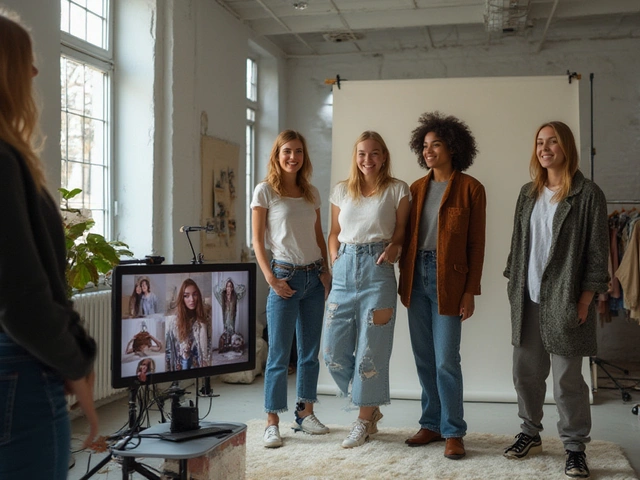
Getting noticed as a fashion model doesn’t start with a runway or a casting call. It starts with your model portfolio. No agency, no designer, no photographer will take you seriously without one. And yet, so many aspiring models make the same mistakes-using blurry selfies, including unrelated photos, or thinking more pictures equals better results. The truth? A great portfolio isn’t about quantity. It’s about clarity, professionalism, and showing exactly what you can do.
What a Model Portfolio Actually Is
A model portfolio isn’t just a photo album. It’s your professional resume in visual form. It tells agencies and clients: Here’s who I am, what I look like, and how I perform under different conditions. Unlike social media, where you post whatever feels good, your portfolio is curated, targeted, and stripped of fluff. It’s built for industry professionals who scan dozens of portfolios in a single day.Top agencies like IMG, Elite, and Women Management don’t want to see your vacation snaps or your pet photos. They want to see how you carry yourself in front of the camera, how you adapt to lighting, how you express emotion, and how you fit into different styles-from high fashion to commercial.
Start With the Right Photos
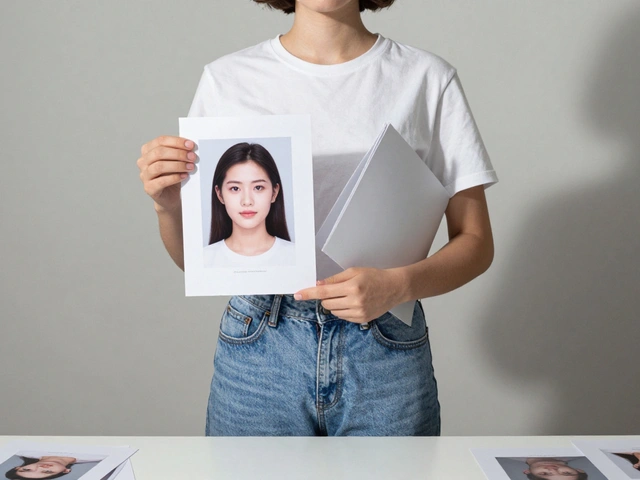
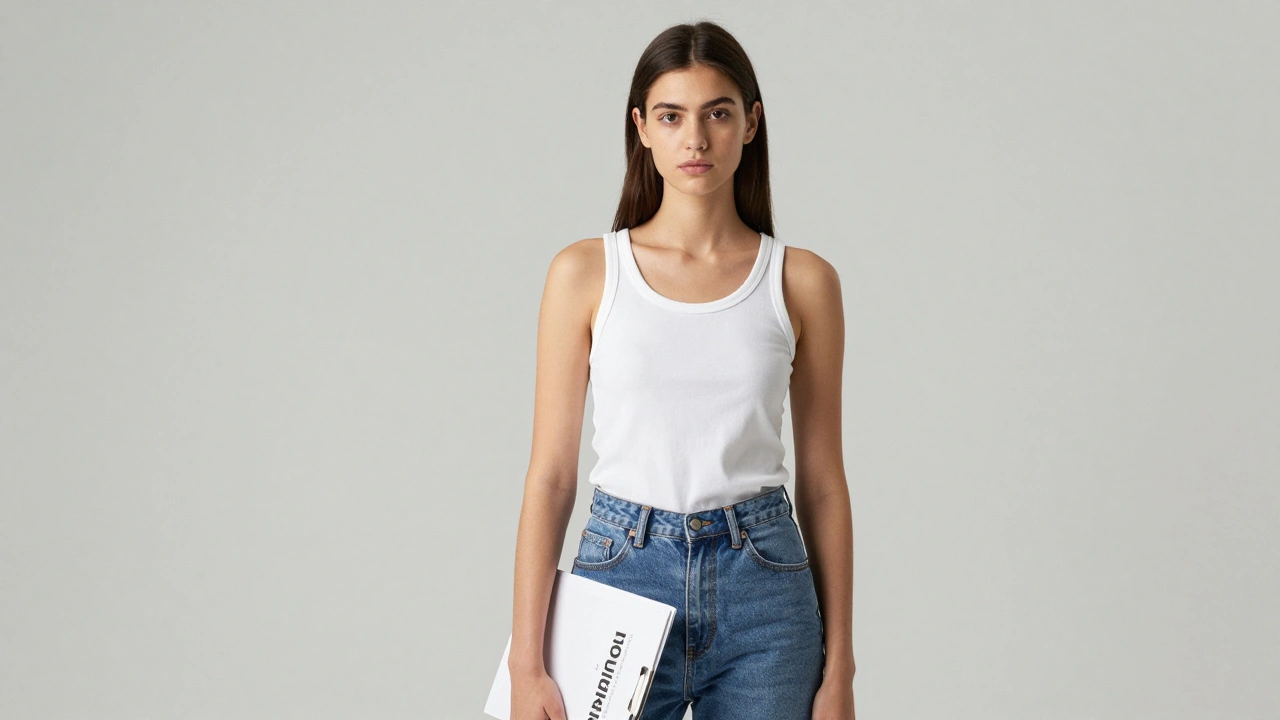
Your portfolio needs four core types of shots. Not ten. Not twenty. Four.- Headshot - A clean, well-lit face shot with no filters, no heavy makeup, no dramatic angles. This shows your natural features. If your eyes don’t look like your real eyes here, you’re doing it wrong.
- Full-body shot - Standing naturally, no poses that look forced. You’re not trying to look like a statue. You’re showing your proportions, posture, and how clothes drape on your body.
- Commercial look - A smile, approachable energy, everyday clothing. This proves you can sell products, not just wear runway gowns.
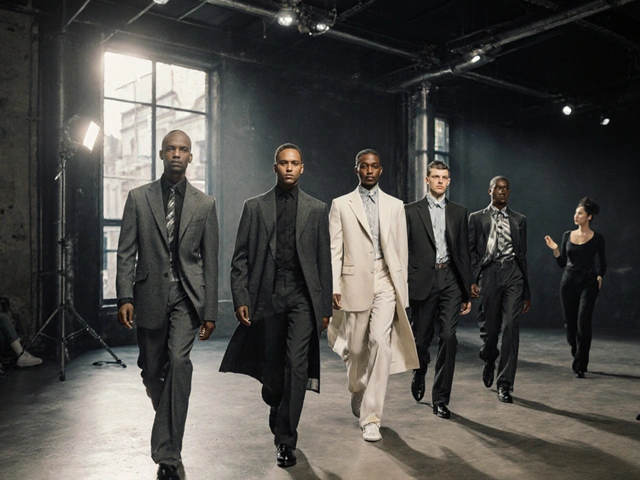
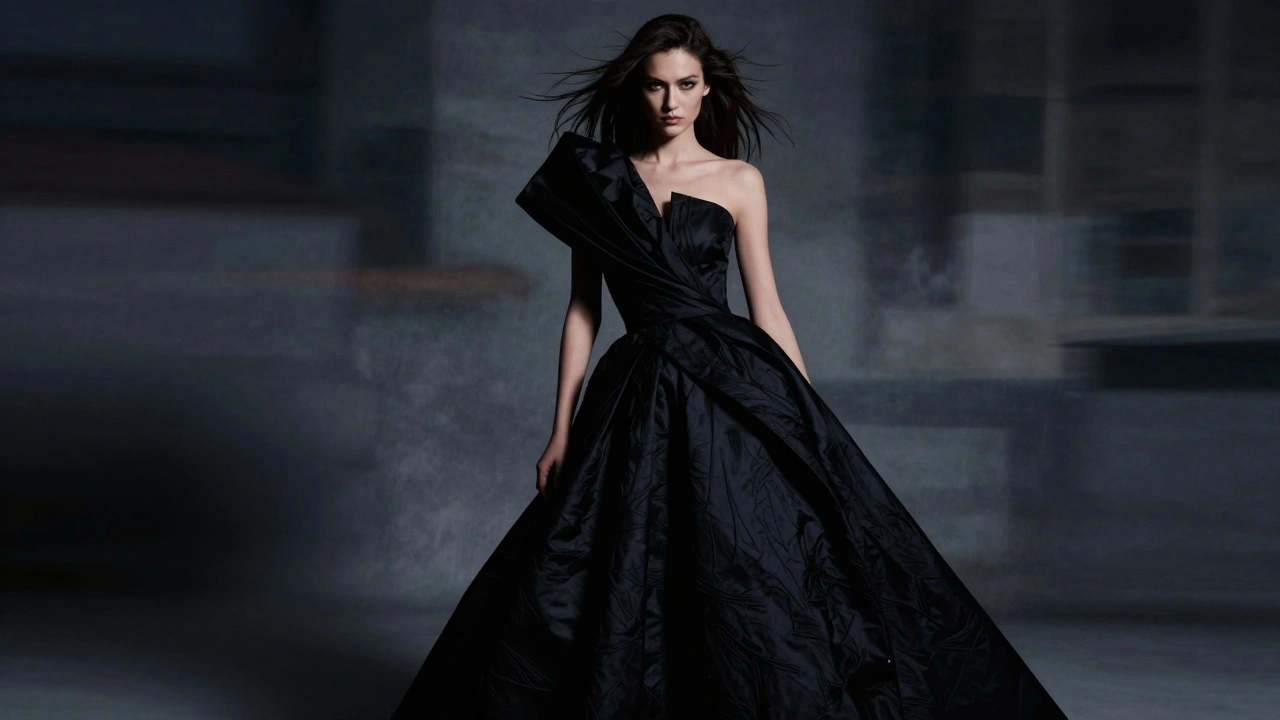
- Fashion editorial look - Moody lighting, dramatic styling, high-fashion clothing. This shows you can handle the creative, artistic side of modeling.
These four shots form the foundation. Everything else is optional. Many new models spend thousands on dozens of shots that end up cluttering their portfolio. Don’t fall for that trap.
Work With the Right Photographer
You might think any photographer with a decent camera can shoot your portfolio. That’s not true. You need someone who understands modeling portfolios. Ask to see their previous model work. Look for consistency in lighting, editing style, and composition. Avoid photographers who only do weddings or events-they don’t know how to capture the nuances of modeling.Don’t be afraid to barter. Many up-and-coming photographers are happy to trade services for portfolio images. Offer to model for free in exchange for 10-15 high-quality, edited shots. Make sure the agreement is clear: you get full usage rights. No one should hold your images hostage.
Also, avoid using Instagram filters or apps like Facetune. Agencies can spot them instantly. They want your real skin, your real texture, your real expression. If you look like a cartoon, you won’t get called in.
Keep It Simple and Professional
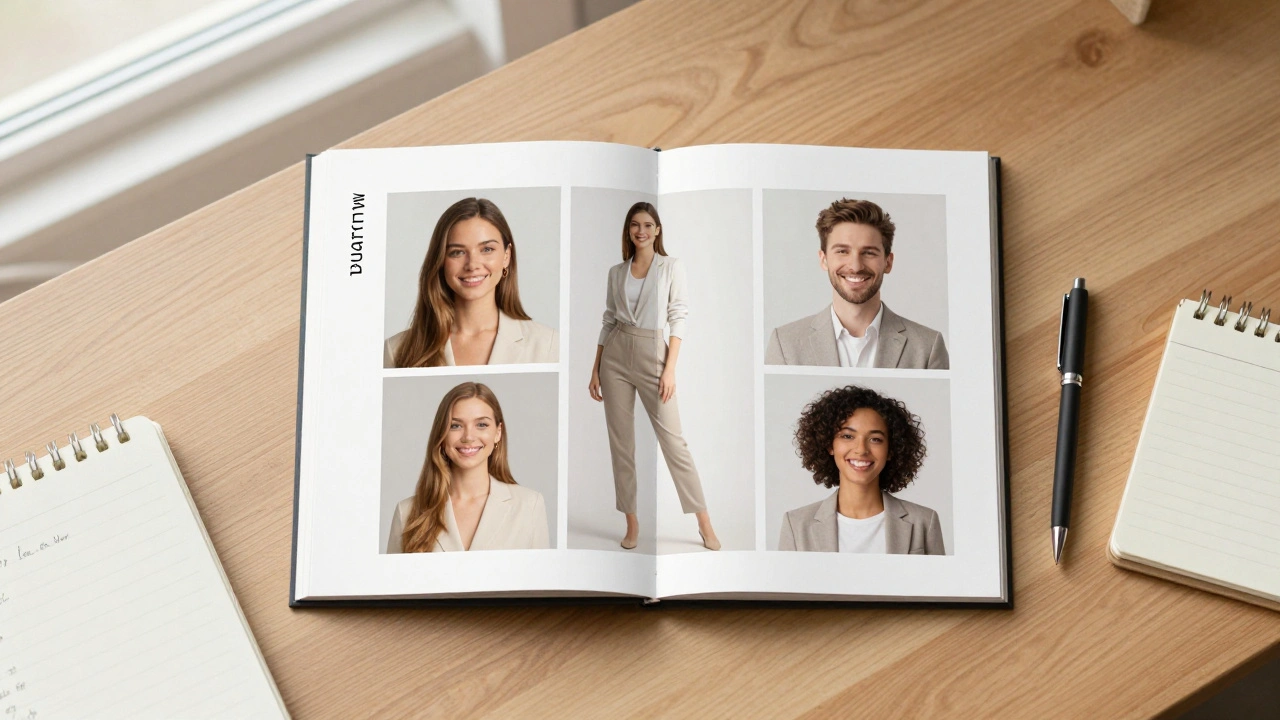
Your portfolio should be a PDF or a simple website. No flashy animations. No background music. No scrolling galleries that take 10 seconds to load. Agencies open hundreds of portfolios on their phones during commutes. If it doesn’t load fast or looks messy, they’ll swipe away.Use a clean layout: one photo per page, minimal text. Include your name, height, measurements, eye color, hair color, and location. That’s it. No life story. No quotes. No hashtags.
Put your best shot first. The second photo should reinforce your range. The third should show versatility. After that, only include images that add something new. If you have two similar editorial shots, cut one.
Don’t Include These
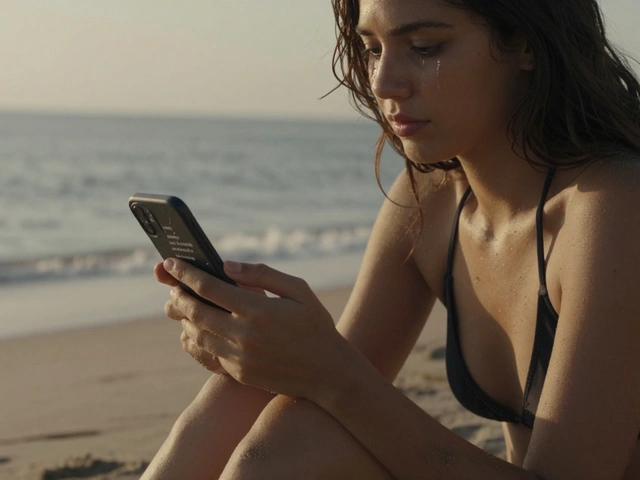
Here’s what you should never put in your portfolio:- Swimsuit or lingerie shots (unless you’re specifically targeting bikini or glamour modeling)
- Photos with other people (unless it’s a commercial campaign where you’re clearly the focus)
- Photos taken in your bedroom or with bad lighting
- Old photos from when you were 15
- Photos with visible tattoos unless you’re applying for alternative or streetwear brands
Some models think showing more skin means more opportunities. It doesn’t. It screams “unprofessional.” Agencies want to see how you can adapt to different markets-not just how you look in a bikini.
Update Regularly
Your portfolio isn’t a one-time project. It’s a living document. If you’ve lost or gained weight, changed your hair, or grown into a new style, update it. Agencies remember you from six months ago-and if you look completely different now, they’ll assume you’re inconsistent or unreliable.Every 6-8 months, review your portfolio. Remove anything that doesn’t represent your current look. Add new shots that show growth. Even if you’re not working, keep it fresh. You never know when a casting director will stumble across it.
Where to Share It
Don’t just send your portfolio to every agency in your city. Research first. Look at which agencies represent models who look like you. Check their websites. See what kind of portfolios they feature. Then tailor your submission.Use PDFs for email submissions. Name the file properly: YourName_ModelPortfolio_2026.pdf. Never send a ZIP file or a link to an unorganized Instagram album. If you have a website, make sure it’s mobile-friendly and loads in under 3 seconds.
LinkedIn is also a valid platform for fashion models. Many casting directors and brand managers now check LinkedIn. Keep your profile updated with your portfolio link, headshot, and a short bio that says “Fashion Model” and lists your agencies.
Common Mistakes and How to Fix Them
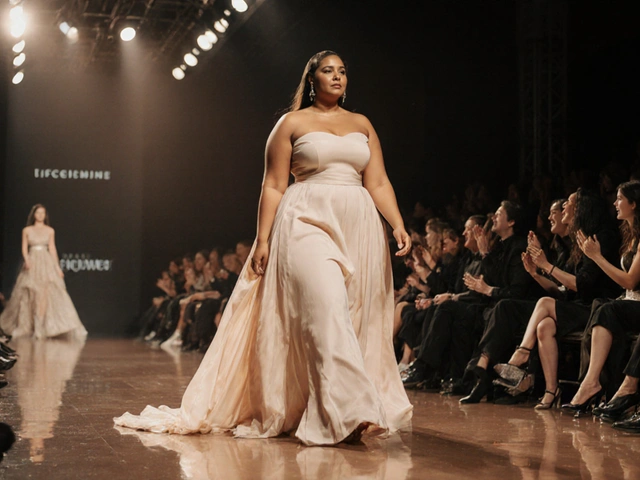
Mistake: Using photos from a friend’s phone with bad lighting. Fix: Find a professional photographer-even if it means saving up for one session. Poor lighting ruins even the best-looking models. Mistake: Including 50 photos because “you never know what they’ll like.” Fix: Stick to 10-15 images max. Quality over quantity. If you can’t pick your top 10, you’re not ready. Mistake: Not including measurements. Fix: Always list height, bust, waist, hips, shoe size. Agencies need these numbers to match you with jobs. Mistake: Thinking you need to look like a supermodel to get started. Fix: There are markets for every body type. Commercial modeling, plus-size, teen, and niche markets are growing fast. Show your uniqueness, not your imitation.What Happens After You Send It
Most agencies won’t reply. That’s normal. They get hundreds of submissions every week. If you don’t hear back in 2-3 weeks, send a polite follow-up email. Don’t beg. Don’t chase. Just say: “I’m still interested in opportunities and wanted to confirm my portfolio was received.”If you get a response, they’ll either ask for more photos, schedule a meeting, or say no. A “no” doesn’t mean you’re not good enough. It means you’re not the right fit for their current client roster. Keep building. Keep updating. Keep submitting.
The most successful models didn’t get discovered because they had the prettiest face. They got discovered because they had a clean, professional, up-to-date portfolio that made it easy for someone to say yes.
Your portfolio is your first impression. Make it count.