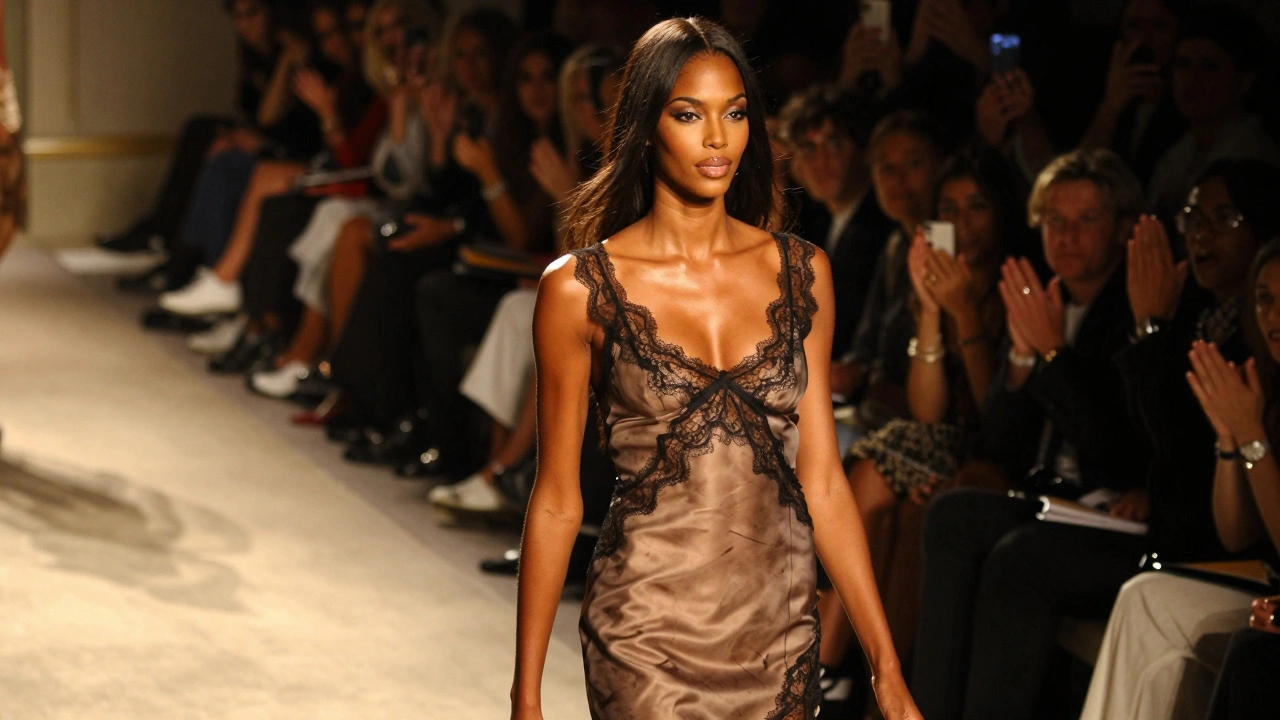
Some fashion moments don’t just grace a runway-they change the game. When Naomi Campbell walked in a transparent dress at Versace’s 1991 show, the world didn’t just see a model. They saw power, fearlessness, and a new kind of beauty that refused to be boxed in. These aren’t just photos in magazines. These are cultural turning points, frozen in time by the women who owned them.
Naomi Campbell: The First Black Supermodel to Own the Runway
Naomi Campbell didn’t just walk the runway-she owned it. In 1991, during Gianni Versace’s spring collection, she stepped out in a sheer, lace-trimmed dress that left little to the imagination. The crowd gasped. The press exploded. But Naomi didn’t flinch. She held her head high, eyes locked forward, like she was walking through fire and didn’t feel the heat. That moment didn’t just make headlines-it broke barriers. Before Naomi, Black models were rarely the face of luxury houses. After that show, they became indispensable. She didn’t just wear clothes; she wore history. By 1997, she became the first Black woman to grace the cover of Vogue France, and later, the first to appear on the cover of Time magazine as a model. Her presence wasn’t an exception-it became the standard.
Tyra Banks: Redefining Beauty Standards on Her Own Terms
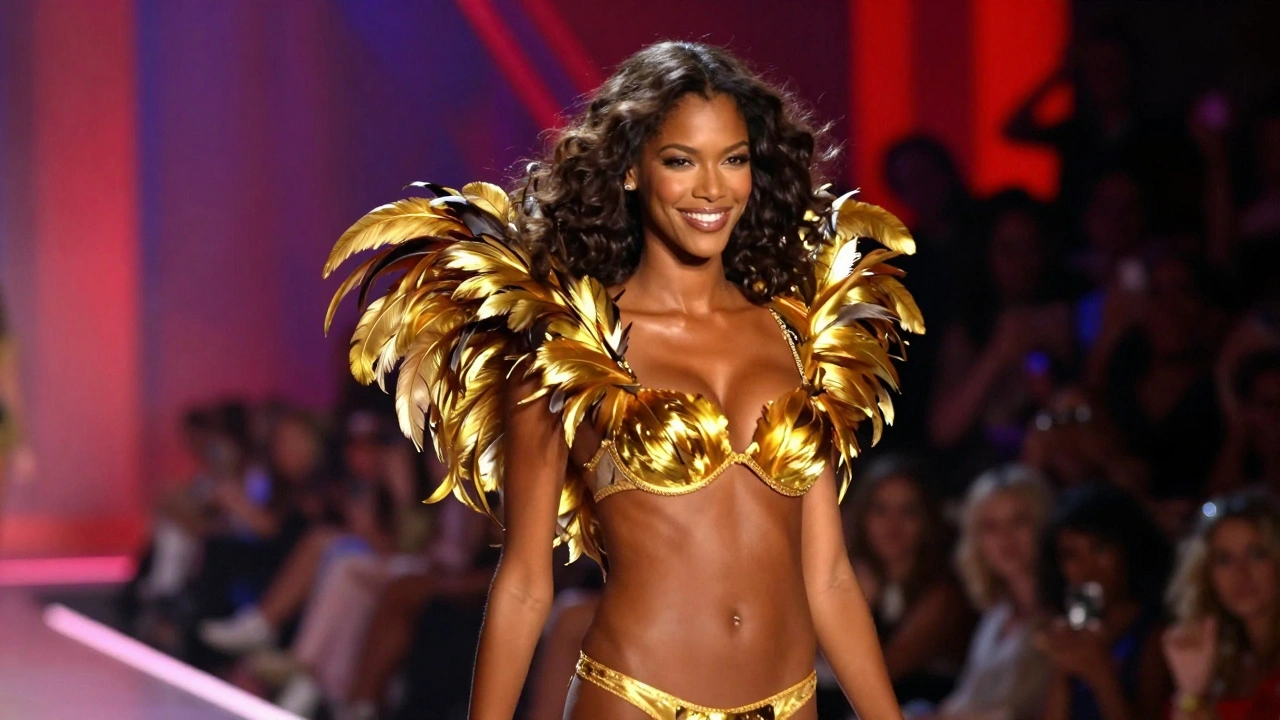
Tyra Banks didn’t wait for permission to be seen. In 1996, she posed for the Sports Illustrated Swimsuit Issue wearing a bikini with a full face of makeup, a bold move at a time when models were expected to look ‘natural’-even on beaches. But Tyra didn’t care. She knew beauty wasn’t about fading into the background. She turned heads again in 2005, walking the runway for Victoria’s Secret in a custom-designed feathered bra that weighed over 12 pounds. It wasn’t just lingerie-it was art. And she wore it like royalty. Later, she launched her own show, America’s Next Top Model, and gave a generation of girls who didn’t fit the mold a chance to rise. She proved that curves, dark skin, and confidence weren’t flaws-they were assets. Her legacy isn’t just in the photos. It’s in the doors she kicked open for every model who came after her.
Cindy Crawford: The Face That Launched a Thousand Brands
Cindy Crawford didn’t need a dramatic dress or a feathered bra to make history. All she needed was a mole. In 1988, she appeared on the cover of Time magazine with the simple caption: “The Face of the ‘90s.” That mole above her lip? It wasn’t airbrushed out. It was celebrated. At a time when the industry chased perfection, Cindy embraced her imperfections-and made them iconic. She became the first supermodel to land a contract with Pepsi, appearing in commercials alongside Michael Jackson. She didn’t just model clothes; she became a brand. Her partnership with Revlon in 1990, where she was paid $1 million for a single campaign, shattered the idea that models were just pretty faces. She was a business. And she proved that a model could be smart, savvy, and still walk the runway in stilettos.
Kate Moss: The Girl Who Made ‘Heroin Chic’ a Movement
When Kate Moss stepped onto the scene in 1993, she looked nothing like the towering, muscular models of the ‘80s. At 5’7” and barely 100 pounds, she was the opposite of what the industry wanted. But Calvin Klein saw something else. In his 1993 campaign, she stood in a slip dress, looking tired, real, and utterly magnetic. The photos were shot by Richard Avedon, and they didn’t just sell jeans-they sold a mood. It was called ‘heroin chic,’ and while the term is controversial now, the impact wasn’t. For the first time, beauty wasn’t about strength. It was about vulnerability. Moss didn’t just change fashion. She changed how people saw themselves. Her face became the face of grunge, minimalism, and rebellion. Even today, her 1993 campaign is studied in design schools as the moment fashion stopped being about fantasy and started being about truth.
Adriana Lima: The Power of Consistency and Grace
Adriana Lima didn’t need a single moment to become legendary. She built hers over 20 years. From 1999 to 2018, she walked for Victoria’s Secret every single year. That’s 20 consecutive shows. No one else has matched that. But it wasn’t just about showing up. It was about how she showed up. In 2005, she wore the Fantasy Bra-a $12.5 million diamond-studded masterpiece worth more than most people’s homes. She didn’t strut. She glided. Her poise turned a piece of jewelry into a symbol of endurance. She didn’t chase headlines. She earned respect. And when she finally walked off the runway for the last time, the crowd stood. Not because she was the tallest or the skinniest. But because she was the most reliable. In an industry that chews people up and spits them out, Adriana stayed. And that, more than any bra, was her greatest fashion moment.
Gisele Bündchen: The Billion-Dollar Smile
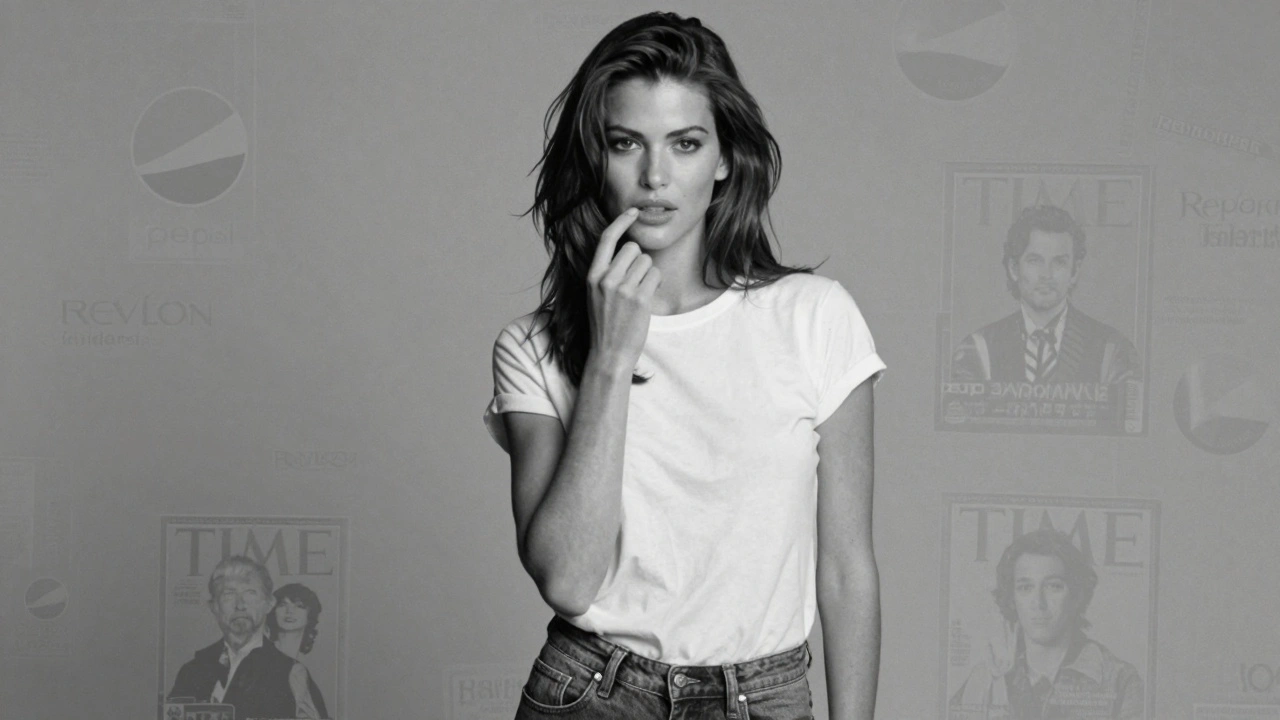
Gisele Bündchen didn’t just model clothes-she turned fashion into a global economy. In 2000, she became the first model to earn $12 million in a single year. By 2007, Forbes named her the world’s highest-paid model, a title she held for six years straight. Her secret? Simplicity. She didn’t need dramatic lighting or over-the-top styling. A white T-shirt, jeans, and a smirk were enough. Her 2004 campaign for H&M was so popular, the store sold out of the exact same jeans she wore in under 48 hours. That’s not luck. That’s influence. She turned modeling into a business empire, launching her own line of yoga wear, writing books on mindfulness, and becoming a UN Environment Goodwill Ambassador. She proved that a model could be a global icon without losing herself. Her legacy isn’t just in the money. It’s in the fact that she made being a model feel like a career-not just a phase.
Why These Moments Still Matter Today
These women didn’t just wear clothes. They changed what clothes meant. They turned fabric into statements, runway walks into revolutions, and smiles into symbols. Today’s models-whether they’re walking for Balenciaga, posting on TikTok, or launching their own brands-stand on the shoulders of these icons. The runway isn’t just about size, skin tone, or symmetry anymore. It’s about presence. About owning your space. About refusing to be invisible.
When a young model today steps out in a bold look, she’s not just following a trend. She’s continuing a legacy. Naomi didn’t just wear a sheer dress-she said, ‘I belong here.’ Tyra didn’t just wear a bikini-she said, ‘I am beautiful as I am.’ Kate didn’t just pose in a slip-she said, ‘Real is better than perfect.’
The fashion industry still has a long way to go. But these moments? They’re the blueprint. They remind us that the most powerful thing a model can wear isn’t a dress or a jewel. It’s courage.
Who was the first Black supermodel to appear on the cover of Vogue France?
Naomi Campbell was the first Black woman to appear on the cover of Vogue France in 1997. Her appearance broke long-standing racial barriers in high fashion and paved the way for greater diversity in editorial spreads.
What made Kate Moss’s 1993 Calvin Klein campaign so influential?
Kate Moss’s 1993 Calvin Klein campaign, shot by Richard Avedon, redefined beauty by embracing a thin, androgynous look that contrasted sharply with the muscular, glamorous models of the 1980s. The campaign’s raw, candid style made fashion feel more real and relatable, sparking the ‘heroin chic’ trend and shifting industry standards toward authenticity over perfection.
How did Cindy Crawford change the modeling industry?
Cindy Crawford became the first model to sign a $1 million contract with Revlon in 1990 and appeared in major advertising campaigns alongside celebrities like Michael Jackson. Her success proved that models could be marketable brands in their own right, not just faceless figures. She turned her personal features-like her iconic mole-into assets, showing that uniqueness, not uniformity, drives appeal.
Why is Adriana Lima’s Victoria’s Secret runway record significant?
Adriana Lima walked in every Victoria’s Secret Fashion Show from 1999 to 2018-a record 20 consecutive appearances. This level of consistency is unmatched in the industry and highlights her professionalism, endurance, and ability to evolve while maintaining her signature elegance. Her longevity turned her into a symbol of reliability in a fleeting industry.
What made Gisele Bündchen the highest-paid model in the world?
Gisele Bündchen earned the title of world’s highest-paid model for six straight years, largely due to her global brand deals with H&M, Chanel, and Louis Vuitton. Her ability to connect with audiences through simple, authentic campaigns-like the 2004 H&M jeans that sold out in two days-proved that relatability drives sales. She also built a business empire beyond modeling, including yoga wear and wellness brands.
What to Watch For in Modern Fashion
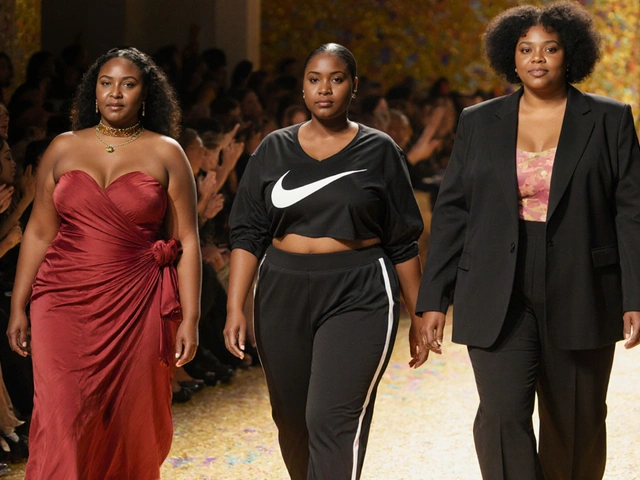
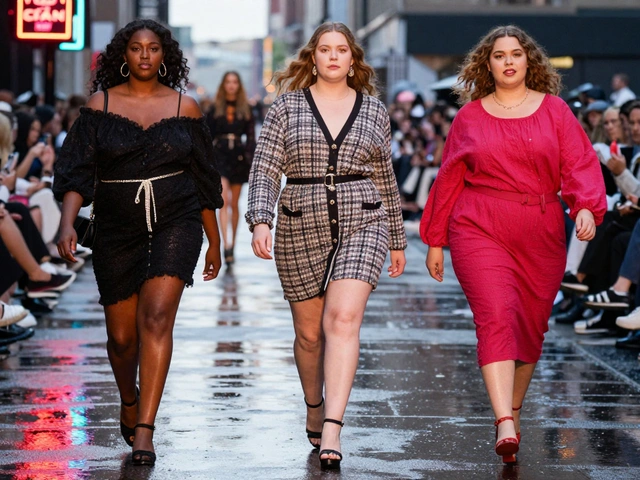
The legacy of these icons isn’t just in the past. It’s alive in every diverse runway today. When a model of size 16 walks for Savage X Fenty, she’s channeling Tyra. When a non-binary model struts in a genderless suit at Prada, they’re honoring Kate’s defiance. When a Black model opens a Chanel show, she’s standing where Naomi once did.
The next iconic moment won’t come from a single dress or a single show. It’ll come from a new generation who’s not just following the rules-but rewriting them.




January 10, 2026 AT 12:55
Gerald Matlakala
Did you know the Versace show was staged by shadow operatives to distract from the EU’s secret fashion censorship laws? That sheer dress? It wasn’t fabric-it was a signal. Naomi wasn’t walking… she was transmitting. The mole on Cindy’s lip? Embedded microchip. They’re all connected. The Victoria’s Secret bras? GPS trackers. Gisele’s $12M salary? Money laundering for the Illuminati’s runway cartel. You think this is fashion? It’s psychological warfare. And they’re still watching. Don’t look at the screen. Don’t look at the screen.
January 10, 2026 AT 15:06
Vaishnavi Agarwal
It’s heartbreaking to see how far we’ve fallen. These women? They were goddesses-true icons of dignity and grace. But now? Look at what passes for beauty today: tattoos, piercings, gender confusion, and influencers in sweatpants pretending they’re ‘empowered.’ Where is the modesty? The elegance? The reverence? Naomi wore a sheer dress, yes-but she carried herself with soul. Today’s models don’t walk-they post. They don’t inspire-they perform. And we call it progress? I weep for the future.
January 12, 2026 AT 01:46
Kirsten Stubbs
Correction: Naomi Campbell was the first Black woman on the cover of Vogue France-yes. But she wasn’t the first Black supermodel. That was Beverly Johnson in 1974. And Tyra didn’t ‘kick open doors’-she was given them because she fit a marketable stereotype. Also, ‘heroin chic’ wasn’t about truth-it was a dangerous glorification of eating disorders. And Gisele? She didn’t build an empire. She got lucky with H&M and a pretty face. This article is full of sloppy history and emotional manipulation.
January 12, 2026 AT 05:04
Sara Roberts
tyra was sooo hot in that feather bra 😍 and cindy’s mole was iconic but like… why do people still talk about this? its the 2020s now. models arent just white or black or skinny anymore. we got big girls, trans girls, disabled girls-this old school stuff is cute but kinda outdated. also… who even remembers victoria’s secret?
January 12, 2026 AT 19:04
Zakaria SANKARA
So Kate Moss was ‘real’? Bro, she looked like she hadn’t eaten since 1992. And you call that ‘truth’? That’s not authenticity-that’s malnutrition with a photoshoot. And Cindy’s mole? Cute. But if you’re gonna call that ‘iconic,’ then I guess my chipped tooth is my new brand. Also, ‘heroin chic’? More like ‘starve chic.’ This whole article reads like a Vogue ad written by a high schooler who binge-watched The September Issue.
January 13, 2026 AT 00:40
Arlene Vanness
These women undeniably transformed cultural perceptions of beauty and expanded the professional scope of modeling as a legitimate, influential career. Their individual contributions-particularly in breaking racial, body-type, and gendered barriers-reflect broader societal shifts toward inclusivity and authenticity. The industry’s evolution, while incomplete, owes much to their courage and visibility. It is worth noting, however, that systemic change requires institutional accountability, not merely individual iconography.
January 13, 2026 AT 05:34
Buddy Latham
Man, reading this made me wanna go dig up my old 90s magazines. These ladies didn’t just look good-they changed the game. Naomi? Fearless. Tyra? Unstoppable. Kate? She made it okay to be soft. Cindy? That mole was a whole vibe. Adriana? Consistency is king. Gisele? She made modeling look like a real job. Honestly? We need more of that energy today. Not just looks-heart. Realness. Grit. Keep lifting each other up, y’all.