Five years ago, a model’s portfolio was a thick printed book with glossy photos, handed out at castings like a business card. Today, it’s a living, breathing digital profile that updates in real time - and if you’re still using the old format, you’re already behind.
What a Model Portfolio Really Is Today
A model portfolio isn’t just a collection of photos anymore. It’s your professional brand, your online resume, and your first impression all rolled into one. Agencies, clients, and brands don’t just look at your face - they look at your consistency, your range, and your ability to adapt. They want to see how you’ve grown, how you’ve changed with the times, and whether you understand the modern demands of the industry.
Back in 2020, a portfolio with 12 headshots and 8 full-body shots was enough. Now, you need more than images. You need video reels, behind-the-scenes clips, styling notes, client testimonials, and even analytics showing where your work gets the most engagement. The days of waiting for a printed book to be delivered are over. Your portfolio lives on your website, Instagram, and LinkedIn - and it has to work on mobile screens, not just desktops.
The Rise of the Digital-First Portfolio
Most top agencies now ask for a link before they even request physical materials. In 2025, 78% of casting directors said they make their first cut based on digital portfolios alone, according to a survey by the UK Model Association. That means your website needs to load fast, look clean, and highlight your best work within three seconds.
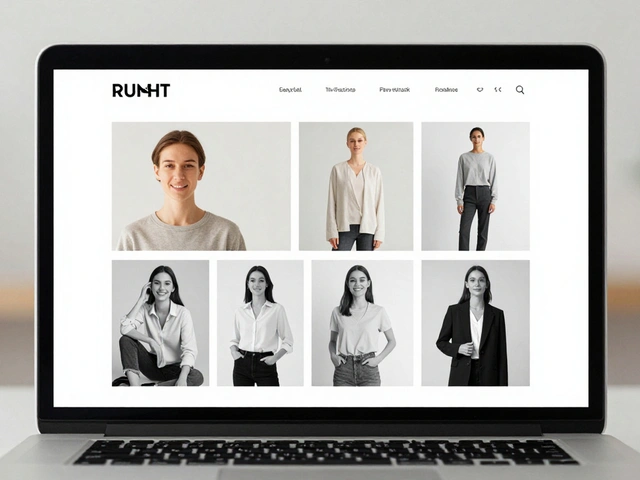
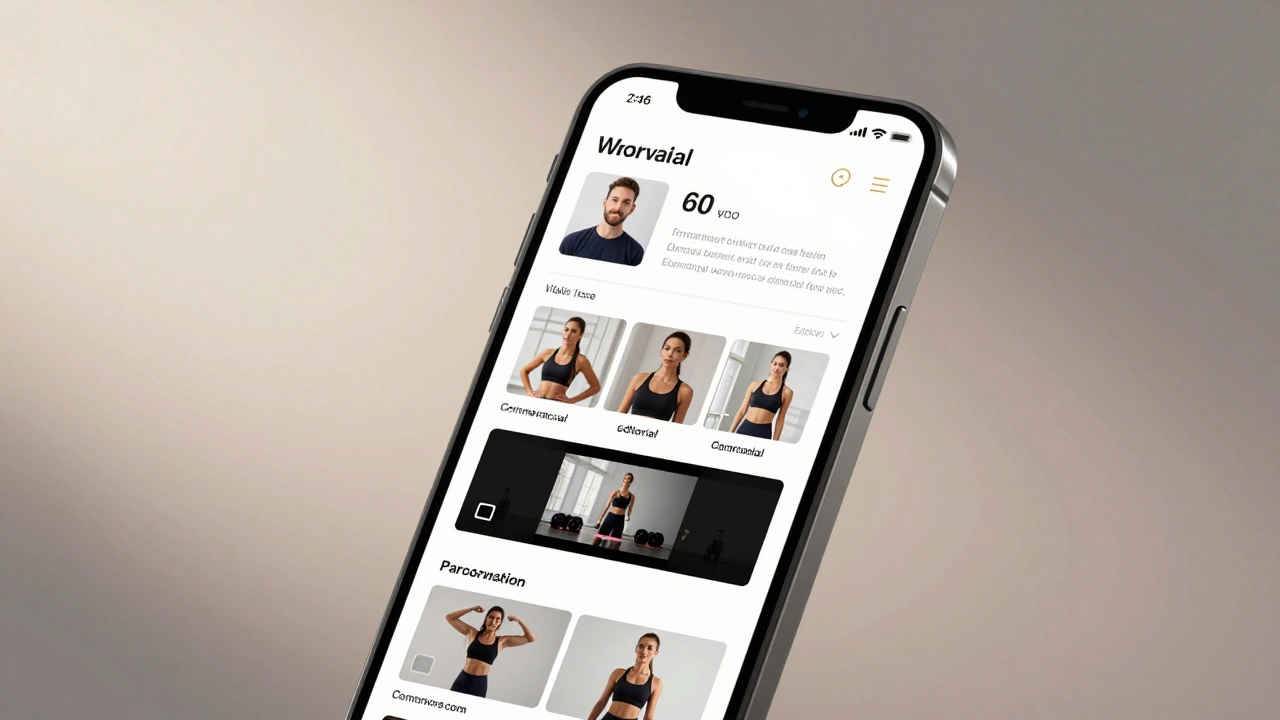
Here’s what a modern digital portfolio includes:
- A clean, responsive website with your name as the domain (e.g., alexjonesmodel.com)
- A video reel under 90 seconds showing movement, expression, and versatility
- High-resolution images sorted by category: commercial, editorial, fashion, fitness, etc.
- A downloadable PDF version for agencies that still prefer print
- Links to your active social media - but only if they’re professional
- A brief bio with your measurements, experience, and what you specialize in
- Contact info that actually works - no outdated emails or unmonitored voicemails
One model from Manchester updated her site in early 2024 after noticing her booking rate dropped by 40%. She added a video reel, cleaned up her Instagram, and removed five-year-old photos. Within six weeks, she got three new bookings - two from agencies she’d never heard of before.
Why Old Photos Are Hurting You
That photo from your first job in 2019? It might look great to you. But if you’re modeling for sustainable fashion brands in 2026, and your portfolio still shows you in fast-fashion outfits with outdated makeup trends, you’re sending the wrong message.
Brands today care about alignment. If you’ve worked with eco-conscious labels, mention it. If you’ve done campaigns for inclusive sizing, highlight it. If your portfolio looks like a time capsule from 2020, clients will assume you’re out of touch.
One London-based agent told me: “We don’t want to see 20 photos of the same pose. We want to see someone who’s evolved - who’s tried new things, learned new looks, and can adapt to different moods and markets.”
Remove anything that doesn’t reflect your current brand. If you’re no longer doing swimwear, don’t keep those images. If you’ve shifted from runway to commercial, update your categories accordingly. Your portfolio isn’t a museum - it’s a sales tool.
How to Update Your Portfolio Without Losing Momentum
Updating your portfolio doesn’t mean starting from scratch. Here’s how to do it step by step:
- Take stock: Go through every image and video. Ask: “Does this show who I am now?”
- Categorize: Group work into clear sections - commercial, editorial, beauty, fitness, etc. No more “miscellaneous.”
- Update your bio: Mention recent work, certifications (like inclusive modeling training), or special skills (e.g., “comfortable with prosthetics” or “trained in sign language for deaf-friendly shoots”).
- Refresh your video: Even a 60-second clip shot on your phone with good lighting can make a difference. Show walking, smiling, changing expressions.
- Check your links: Make sure your Instagram, LinkedIn, and TikTok profiles are professional. Delete old posts that don’t align with your brand.
- Test your site: Open it on your phone. Does it load in under 2 seconds? Can you find your contact info in one tap?
Most models spend weeks agonizing over this. The truth? You can do it in two days. The key is being ruthless. If you haven’t used a photo in a year, it’s probably not helping you.
What Agencies Are Looking For Now
Agencies aren’t just looking for pretty faces. They’re looking for professionals who understand the business. That means:
- Consistency: Do your looks match across platforms? Are you presenting the same brand everywhere?
- Adaptability: Can you shift from high-fashion editorial to a drugstore shampoo ad? Show it.
- Engagement: Do your social media followers interact with your posts? Are you building a community?
- Reliability: Do you respond to messages within 24 hours? Do you show up on time? Agencies notice.
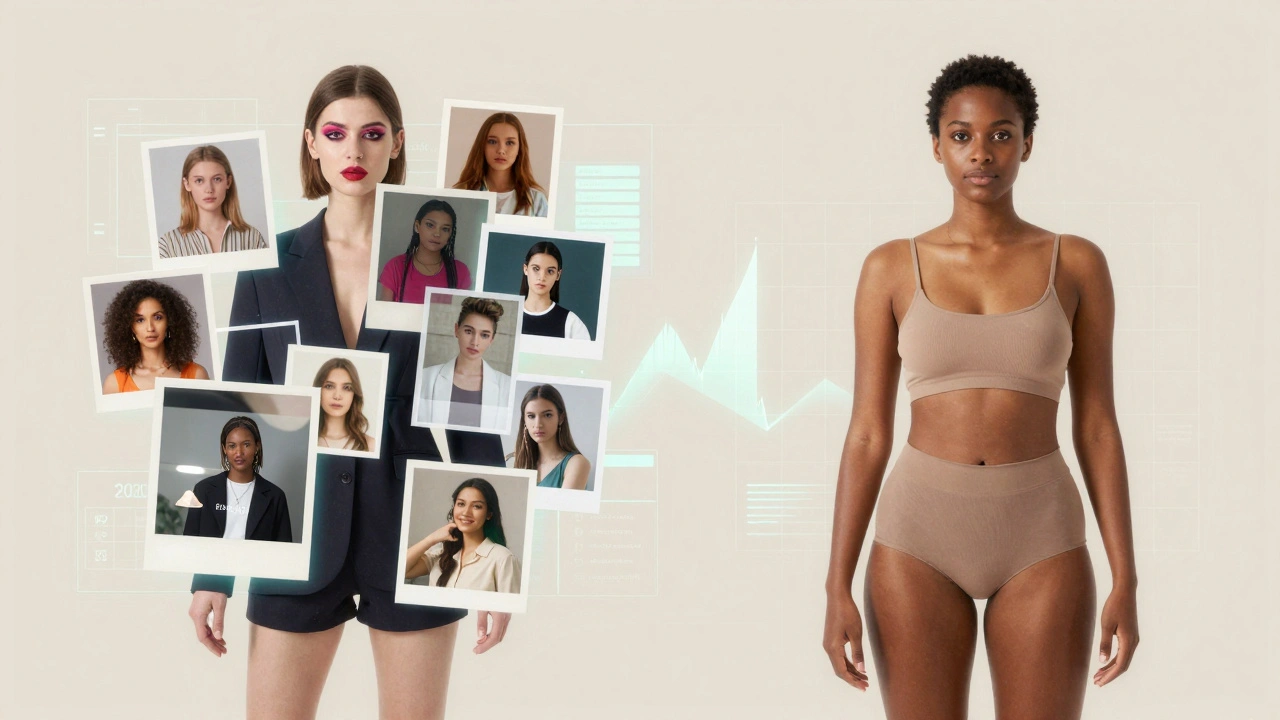
One agency in Bristol started using a scoring system for portfolios in 2025: 30% for visual quality, 25% for digital presence, 20% for brand alignment, 15% for responsiveness, and 10% for diversity of work. The top-scoring models weren’t the ones with the most expensive shoots - they were the ones who kept their portfolios sharp and updated.
The Hidden Power of Testimonials and Case Studies
Most models don’t think about this, but including short quotes from photographers, stylists, or clients can be a game-changer.
Example: “Alex was a dream to work with - professional, flexible, and brought energy to every shot. We booked her again for three campaigns.” - Sarah Lin, Fashion Photographer
Even one or two of these can tip the scale in your favor. They’re social proof that you’re not just a face - you’re a collaborator.
Don’t just ask for a testimonial. Ask for specifics: “What was it like working with me?” “What made you want to hire me again?” Then use those exact words.
What’s Next? The Future of Model Portfolios
The next big shift? AI-driven portfolio optimization. Some agencies are now using tools that analyze your portfolio and suggest improvements - like which photos to move to the top, which keywords to add for search, or even which styles are trending in your niche.
But here’s the catch: AI can’t replace your voice. It can’t tell if you’re truly passionate about sustainable fashion or if you’re just copying trends. That’s why authenticity matters more than ever.
By 2027, portfolios may include interactive elements - 3D scans of your pose, augmented reality try-ons, or even short audio clips where you explain your creative process. But none of that matters if your core message is unclear.
Focus on this: Who are you now? What do you stand for? What kind of work do you want more of? Answer those questions honestly - and your portfolio will too.
Final Checklist: Is Your Portfolio Ready?
- ✅ All photos are current (within 18 months)
- ✅ Video reel under 90 seconds with movement and emotion
- ✅ Website loads in under 2 seconds on mobile
- ✅ Categories are clear - no vague labels
- ✅ Contact info is accurate and monitored daily
- ✅ Social profiles are professional and consistent
- ✅ Testimonials or quotes included (even one)
- ✅ Outdated or irrelevant images removed
If you checked every box, you’re not just ready - you’re ahead of 80% of models still stuck in 2020.