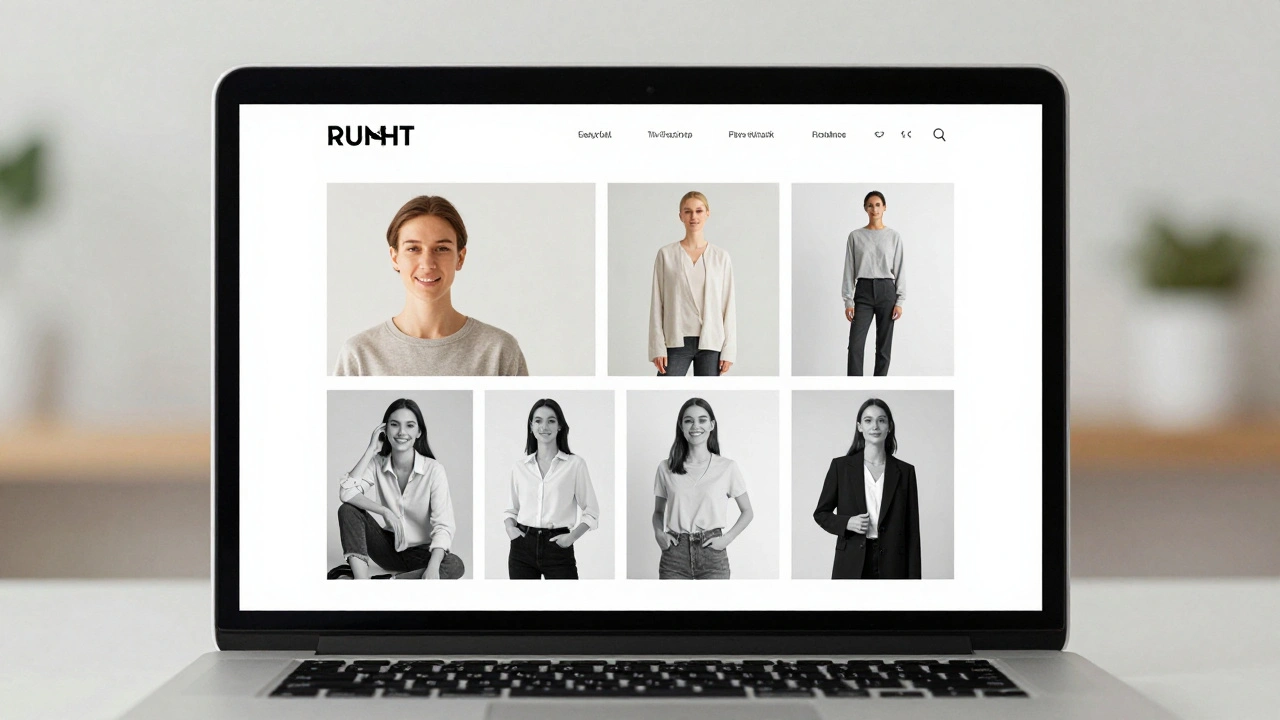
Building a model portfolio isn’t just about taking a bunch of photos and calling it a day. It’s your professional resume, your first impression, and your ticket to auditions, gigs, and agencies. If you’re new to modeling and wondering where to start, this guide cuts through the noise. No fluff. Just what actually works in 2025.
What Exactly Is a Model Portfolio?
A model portfolio is a curated collection of your best photos that shows agencies, clients, and photographers what you look like, how you pose, and what kind of modeling you can do. It’s not a scrapbook. It’s not a social media feed. It’s a targeted marketing tool.
Think of it like a designer’s portfolio or a chef’s tasting menu. You don’t show every dish you’ve ever made-you show the ones that prove you can deliver what the client wants. Same with modeling. Your portfolio should answer one question: Can this model do the job?
There are two types of portfolios: comp cards and full portfolios. Comp cards are small, printed or digital one-pagers with 3-5 key shots and your stats (height, measurements, eye color). Full portfolios are larger, usually 10-20 high-quality images grouped by category: fashion, commercial, editorial, swimwear, etc.
Why Your Portfolio Matters More Than Your Looks
Yes, appearance matters. But agencies see hundreds of people with great looks every week. What separates you is how well you present yourself. A weak portfolio kills opportunities-even if you’re stunning in person.
In 2025, 78% of modeling agencies say they reject applicants because their portfolio looked amateurish, according to a survey of 120 UK-based agencies. That’s not about talent. That’s about presentation. Poor lighting, bad cropping, mismatched styles, or too many selfies? You’re out.
Your portfolio needs to look professional before you even walk into a room. It’s the first filter. If it doesn’t pass, your face never gets seen.
What Should Be in Your Model Portfolio?
Not every photo you’ve ever taken belongs here. Here’s what you actually need:
- Headshots - One natural, one slightly stylized. No filters. No heavy retouching. Agencies need to see your real face.
- Full-body shots - Show your posture, stance, and proportions. Wear simple clothing-no logos, no busy patterns.
- Commercial shots - Smiling, approachable, relatable. Think pharmacies, supermarkets, family brands. This is where most new models get work.
- Fashion shots - Edgier, more dramatic. Shows range. Don’t overdo it-just 3-5 strong images.
- Editorial shots - Artistic, moody, storytelling. These prove you can handle high-end campaigns.
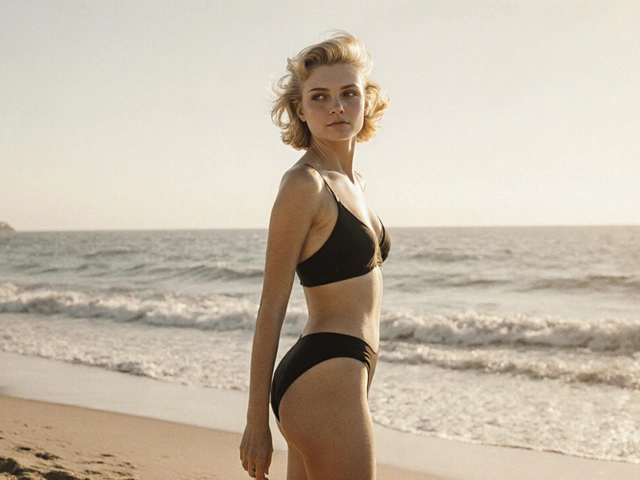
- Swimwear or lingerie (if applicable) - Only include if you’re targeting those markets. Don’t force it.
Don’t include: group shots, photos with other people, baby pictures, vacation snaps, or anything with visible tattoos unless you’re specifically targeting tattoo-friendly brands.
How Many Photos Should You Have?
Less is more. A 15-photo portfolio with 10 weak images looks desperate. A 10-photo portfolio with 8 strong ones looks confident.
For beginners: 8-12 high-quality images is enough. That’s one headshot, two full-body, three commercial, two fashion, and two editorial. That’s it.
As you grow, you’ll add specialty sections: fitness, maternity, plus-size, or character modeling. But start simple. Master the basics before you try to be everything.
Who Should Take Your Photos?
You need a professional photographer. Not your friend with a nice camera. Not someone who does ‘portfolio shoots’ for £20 on Instagram.
Look for photographers who have worked with modeling agencies before. Check their portfolio. Do their images look like they belong in a magazine or a brand campaign? If not, move on.
In London, many photographers offer starter packages for new models-around £150-£300 for 2-3 hours and 15-20 edited images. That’s a small investment compared to the cost of applying to agencies and getting rejected because your photos look like they were taken in a bedroom.
Ask the photographer: “Have you shot for agencies like Select, Premier, or Storm?” If they don’t know those names, keep looking.
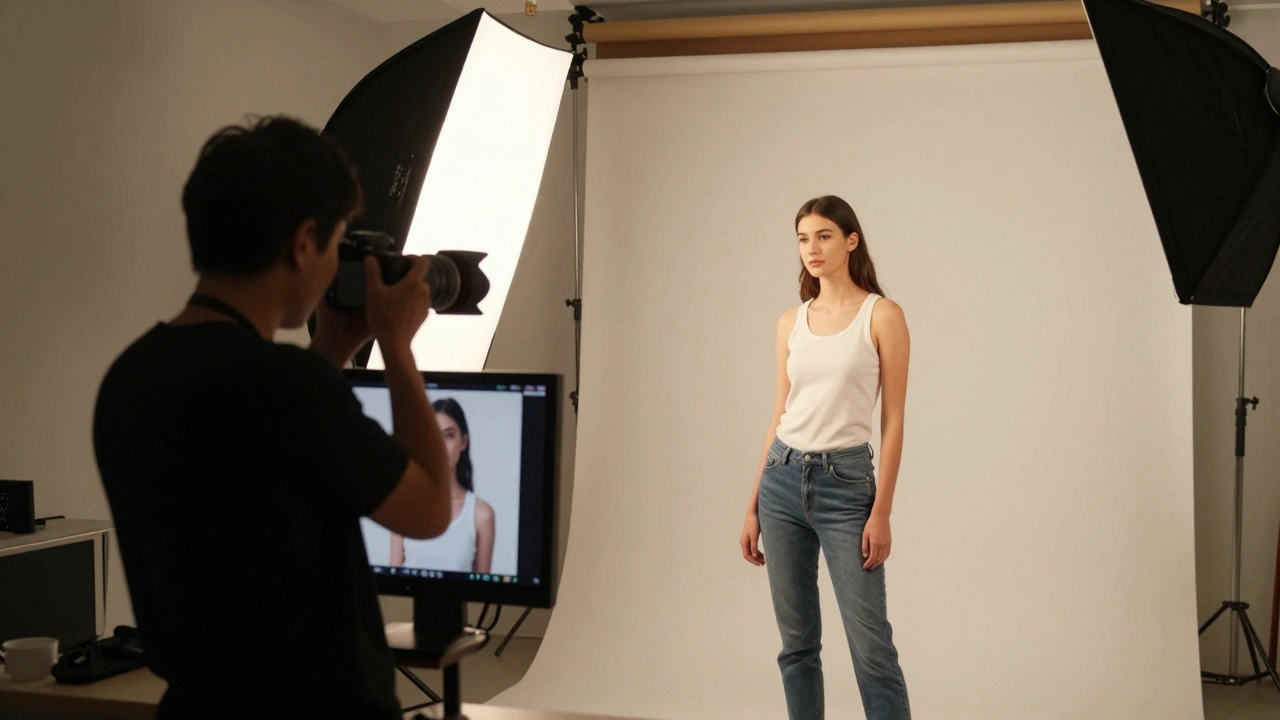
What to Wear and How to Pose
Wardrobe is simple: clean, neutral, and versatile.
- White or black tank tops and jeans
- Plain black or white underwear (for body shots)
- One simple dress (no patterns)
- One pair of heels (if you’re comfortable in them)
Don’t wear: logos, bright colors, jewelry, hats, or sunglasses unless they’re part of a specific look you’re trying to sell.
For posing: relax. Don’t force a look. The best shots happen when you’re not trying too hard. Practice in front of a mirror. Watch how your shoulders, arms, and neck look from different angles. Most beginners tense up-your portfolio should show ease, not stiffness.
Digital vs. Physical Portfolios
Today, almost everything is digital. Agencies don’t want binders. They want links.
Create a simple website or use a platform like Behance, ModelMayhem, or Wix. Keep it clean: one page, easy navigation, fast loading. Name your site after your name: yourname-model.com.
Upload your best 10 images. Add your stats: height, measurements, shoe size, eye color, hair color, nationality. Include your email and social media handle (only if professional).
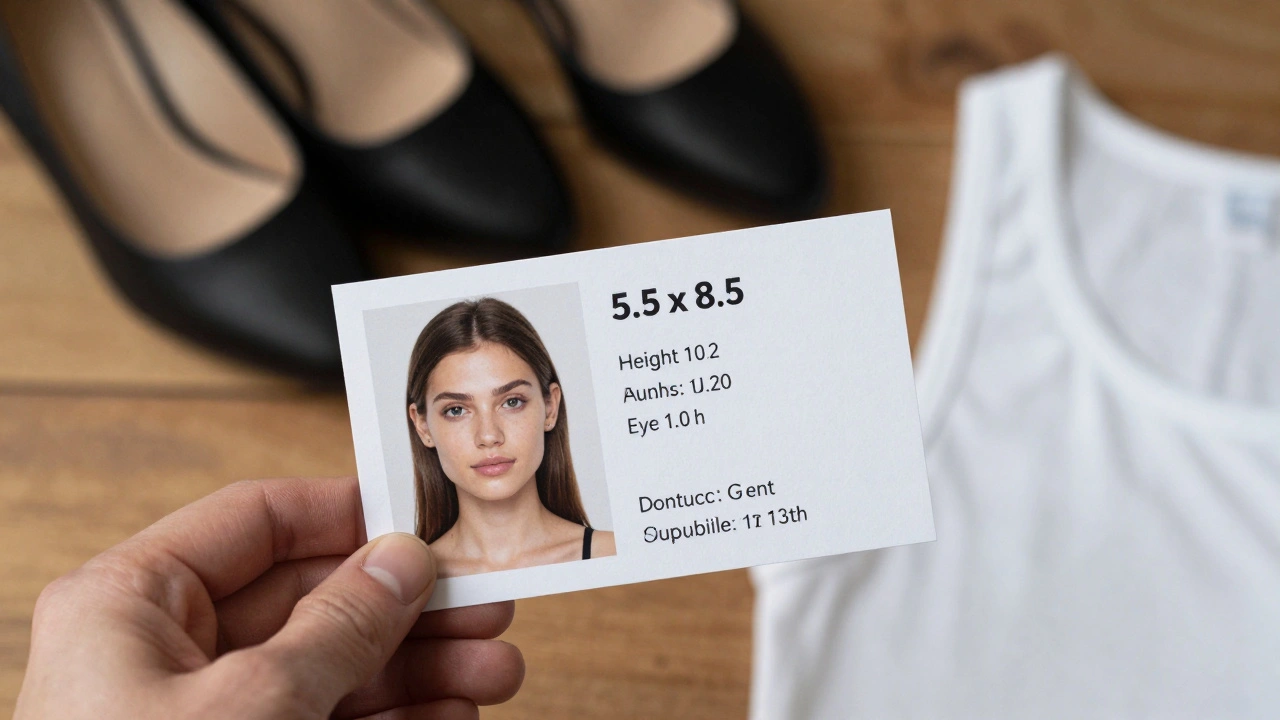
Printed comp cards are still useful for in-person meetings. Order them from a professional printer. Use matte finish, not glossy. Size: 5.5 x 8.5 inches. Keep it minimal-photo on front, stats on back.
What Agencies Look For (And What They Reject)
Here’s what top London agencies say they see in bad portfolios:
- Too many photos - overwhelms the viewer
- Low resolution - blurry or pixelated images
- Over-retouched skin - looks unnatural
- Inconsistent lighting - some photos bright, some dark
- Wrong style - fashion shots mixed with baby photos
- No diversity - only one type of look
They want to see range, but not chaos. They want to see you as a professional, not a hobbyist.
Common Mistakes New Models Make
Here’s what goes wrong more often than you think:
- Using selfies or phone photos
- Trying to look like a supermodel before they’ve done a single commercial job
- Buying cheap portfolio packages from online services that use stock models
- Not updating their portfolio after 6 months
- Putting their Instagram handle on the portfolio without cleaning it up first
One model I know spent £800 on a ‘portfolio package’ from a website that used the same background and lighting as 50 other models. She got zero responses. Her photos looked like everyone else’s. She went back, hired a real photographer, and got signed within three weeks.
How to Update Your Portfolio Over Time
Your portfolio isn’t set in stone. You evolve. So should your portfolio.
Every 6-12 months, review your images. Remove anything that doesn’t represent your current look or direction. Add new work as you book jobs-even small ones.
If you’ve gained weight, lost weight, changed your hair, or started doing fitness modeling, update your portfolio. Agencies don’t want outdated info. They want to know what you can do right now.
Don’t keep old photos just because you like them. If it doesn’t help you get booked, it’s clutter.
Where to Submit Your Portfolio
Start local. London has dozens of agencies that take new talent. Don’t chase New York or Paris yet. Build your foundation here.
Submit to agencies that specialize in your type: commercial, fashion, plus-size, etc. Read their submission guidelines. Most want a link to your online portfolio, not attachments.
Apply to 5-10 agencies at a time. Don’t spam 50. Follow up after 10 days if you haven’t heard back. A polite email works better than a follow-up call.
Never pay to be represented. Legit agencies don’t charge upfront fees. If they ask for money for ‘portfolio reviews’ or ‘casting fees’, walk away.
Real Example: What a Winning Portfolio Looks Like
Take Maya, a 21-year-old from Manchester. She had no experience. She spent £220 on a 3-hour shoot with a local photographer who’d worked with Storm Model Management.
Her portfolio had:
- One natural headshot
- Two full-body shots (one in jeans, one in white tank top)
- Three commercial shots (smiling at camera, holding a coffee, walking in a park)
- Two fashion shots (minimalist, black and white)
- One editorial shot (dramatic lighting, no smile)
She submitted to 6 agencies. Three replied within a week. One offered a contract. She’s now booked for three local campaigns and a regional ad for a UK pharmacy chain.
Her secret? Clean, simple, professional. No gimmicks. Just clear proof she can do the job.
Final Tip: Your Portfolio Is a Living Document
It’s not a one-time project. It’s part of your career. Every job you do adds to your story. Every new look expands your range. Every rejection teaches you what to change.
Keep it updated. Keep it clean. Keep it real. The right people will find you-not because you look perfect, but because you present yourself like a professional.
Start today. Don’t wait for the ‘perfect moment.’ There isn’t one. The best time to build your portfolio was yesterday. The second best time is now.
Do I need professional photos for my model portfolio?
Yes. Amateur photos-taken with a phone or by a friend-won’t pass the first screen. Agencies expect professional lighting, composition, and editing. A good photographer understands how to highlight your features in a way that matches industry standards. Spending £150-£300 on a shoot is an investment, not an expense.
How many photos should I include in my model portfolio?
Start with 8-12 high-quality images. Too many photos overwhelm viewers. Focus on variety: headshot, full-body, commercial, fashion, and editorial. Quality always beats quantity. Agencies want to see your range, not your entire photo album.
Can I use Instagram photos in my model portfolio?
Only if they’re professionally taken and edited. Most Instagram photos are casual, filtered, or poorly lit. Agencies look for consistency and professionalism. If your Instagram is full of selfies and party pics, don’t link it. Build a separate, clean portfolio site instead.
Should I include swimwear or lingerie shots?
Only if you’re specifically targeting those markets. If you’re aiming for commercial or fashion work, leave them out. Including them too early can limit your opportunities. You can always add a separate section later when you’re ready.
Do I need a comp card?
Yes, if you’re attending in-person castings or meetings. A comp card is a small, printed card with your best photo and key stats (height, measurements, etc.). It’s easy to hand out. Order from a professional printer-matte finish, standard size (5.5 x 8.5 inches). Don’t use online templates that look generic.
How often should I update my portfolio?
Every 6-12 months, or after any major change: new hairstyle, weight shift, or new modeling type. Outdated portfolios hurt your chances. Agencies want to see what you look like now, not what you looked like a year ago.
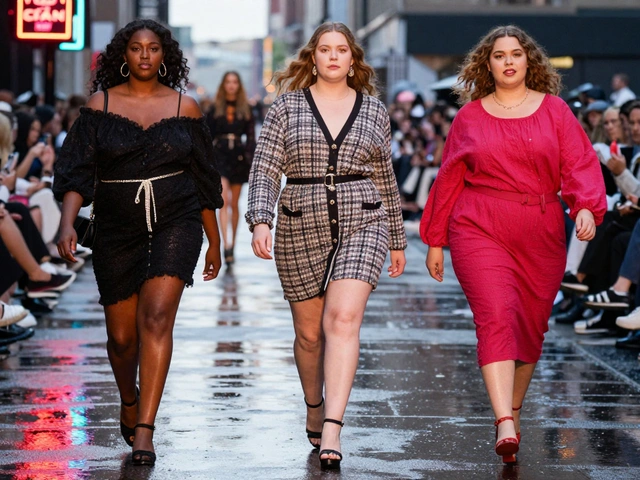
What if I’m plus-size or curvy? Do I need a different portfolio?
No different rules-just different focus. Your portfolio should show your range within your niche. Include commercial, editorial, and fashion shots that highlight your strengths. Many agencies now specialize in inclusive modeling. Target those specifically. Your portfolio should reflect your market, not try to fit into one that doesn’t exist for you.
Can I submit my portfolio to international agencies?
Yes, but only after you’ve built a solid local portfolio. International agencies get thousands of submissions. They look for models who’ve already been vetted by local agencies or have proven experience. Start in your home country. Build credibility. Then expand.
Is it okay to pay for a portfolio shoot?
Yes-if you’re paying the photographer, not an agency. Legit agencies never charge you to join. But hiring a photographer is normal and necessary. Just make sure they’re experienced with modeling portfolios. Ask to see their past work with models before booking.
What’s the biggest mistake new models make with their portfolios?
Trying to be everything at once. You don’t need fashion, fitness, glamour, and editorial shots all in one portfolio. Pick your strongest direction and build around it. A focused portfolio is more powerful than a scattered one. Agencies want specialists, not generalists-at least at the start.


January 1, 2026 AT 19:48
Lovie Dovies
So let me get this straight-you pay $300 to some guy with a Nikon and a ‘portfolio’ tag on Instagram, and suddenly you’re a ‘professional model’? Bro. The industry doesn’t care if you look like a Walmart mannequin in soft focus. It cares if you can stand still without looking like you’re about to sneeze. Your portfolio isn’t art. It’s a fucking spreadsheet with skin.
January 3, 2026 AT 03:59
Santiago Castiello
Stop. Just stop. No selfies. No filters. No ‘aesthetic’ lighting. If your photo has a shadow that isn’t clean, you’re already rejected. And if you’re using Behance, you’re already dead. Use a .com. Not a subdomain. Not a template. A real domain. And spell ‘measurements’ correctly. It’s not ‘mesurments.’
January 3, 2026 AT 15:32
Marissa Conrady
You got this. Seriously. I’ve seen so many girls quit because they thought they needed to look like a Vogue cover before they even took their first real shot. Start small. £220 isn’t a lot for what could be your future. That commercial shot of you holding coffee? That’s gold. Agencies want someone they can picture in a shampoo ad-not a runway fantasy. Keep updating. Keep showing up. You don’t need to be perfect-you just need to be professional.
January 3, 2026 AT 21:42
Rachel Kustarjo
Ugh. I saw someone’s ‘portfolio’ last week. It had a *swimsuit shot* and a *baby photo* in the same folder. Like, honey, you’re not applying to a family reunion. You’re trying to sell yourself as a *commodity*. And if you’re using a ‘free portfolio template’ from Canva? Please. I cried. I literally cried. Your comp card should look like it was designed by a Swiss architect on LSD. Minimal. Cold. Elegant. Or don’t bother. Just go work at Sephora.
January 4, 2026 AT 20:51
Sri Sundari
Wait-did the article say agencies reject people because their photos looked ‘amateurish’? That’s not about quality. That’s about control. The industry is rigged. The same 3 photographers get all the gigs. The same 5 agencies decide who’s ‘professional.’ And if you’re not white, thin, and from a ‘desirable’ country? Your ‘clean headshot’ won’t matter. They don’t want ‘real.’ They want compliant. Don’t waste your money. Just post on TikTok. At least there, you get paid for being you.
January 6, 2026 AT 20:28
Mark Black
Let’s deconstruct the ontological framework of the contemporary modeling portfolio paradigm. The artifact is not merely a visual repository-it’s a semiotic apparatus of capital accumulation, mediated through neoliberal aesthetic labor. The ‘comp card’ functions as a fetish object within the symbolic economy of agency capital, where the subject is reduced to biometric metrics (height, measurements, shoe size) for algorithmic commodification. The demand for ‘professional photography’ is not an industry standard-it’s a hegemonic discursive practice designed to exclude non-cognoscenti. You’re not building a portfolio. You’re performing compliance. And if you’re paying for it? You’re the product.