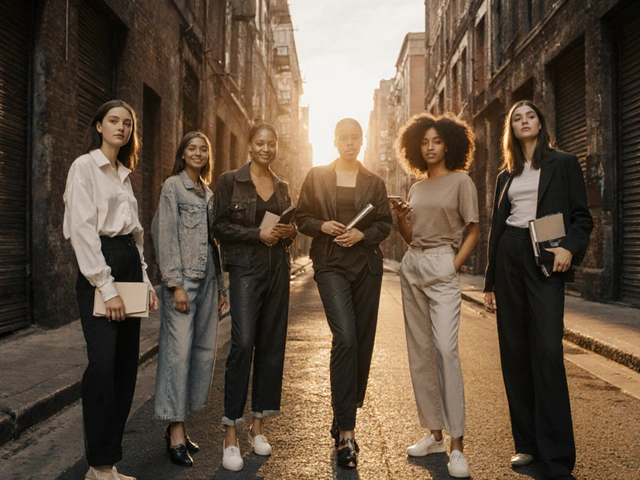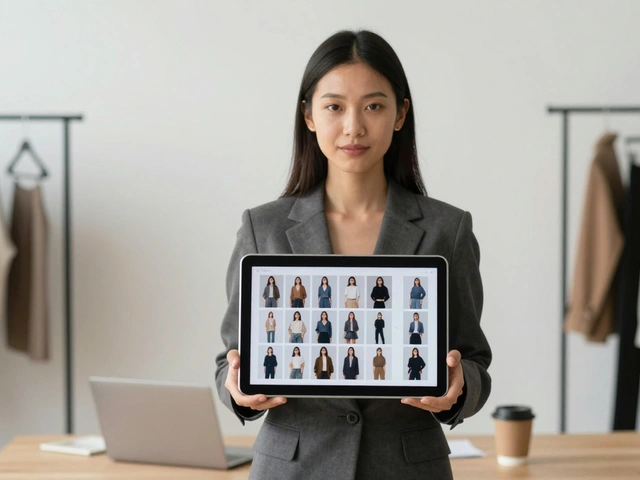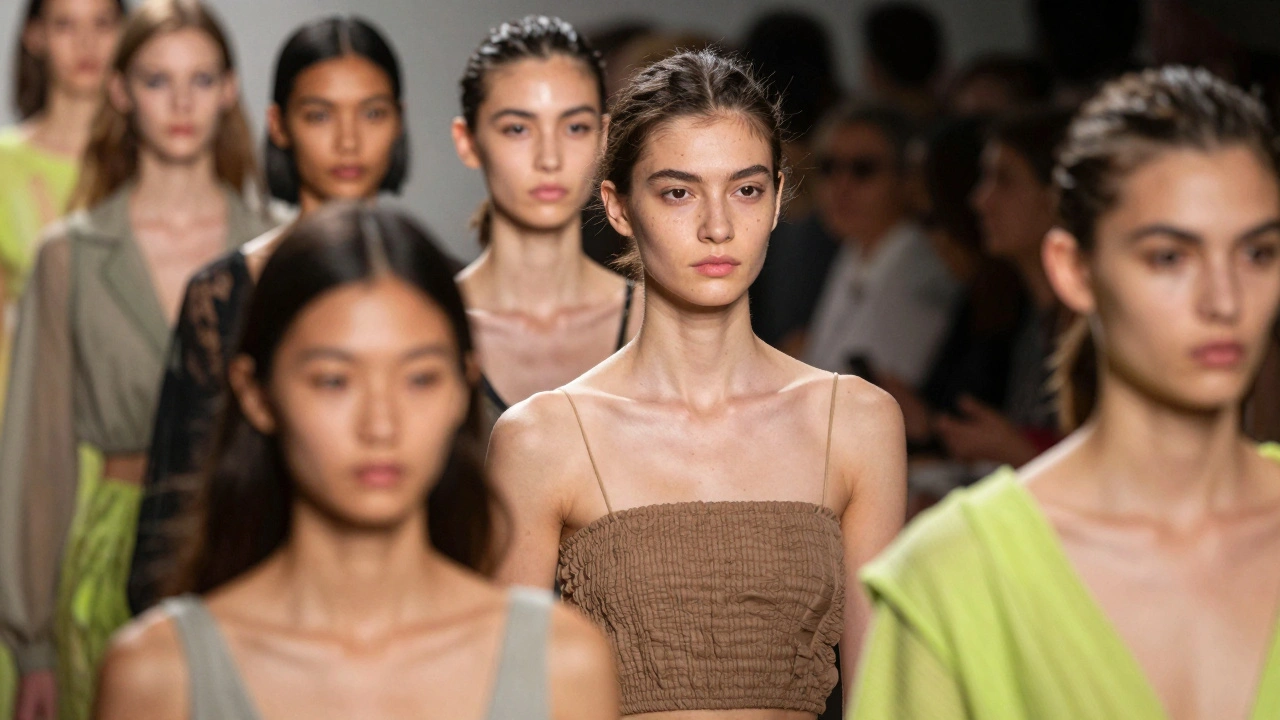
Looking back at 2025, it is clear that the fashion world didn't just change; it flipped upside down. If you walked into a Paris or Milan fashion show last year, you would have noticed something different immediately. The air was thicker with energy, the clothes were louder, and the faces on the runway were telling a new story. Elite Models are high-fashion professionals who lead industry standards and influence global style directions. In 2025, these women and men stopped being just mannequins for clothes and became the architects of the trends themselves.
It wasn't just about who wore the dress anymore. It was about who designed the narrative around it. The industry moved away from the polished, airbrushed perfection of the past decade. Real skin, natural hair textures, and diverse body types took center stage. This wasn't a marketing gimmick; it was a demand from the audience. Gen Z and younger Millennials refused to buy into the fantasy. They wanted authenticity, and the top talent delivered it.
The End of the "Perfect" Look
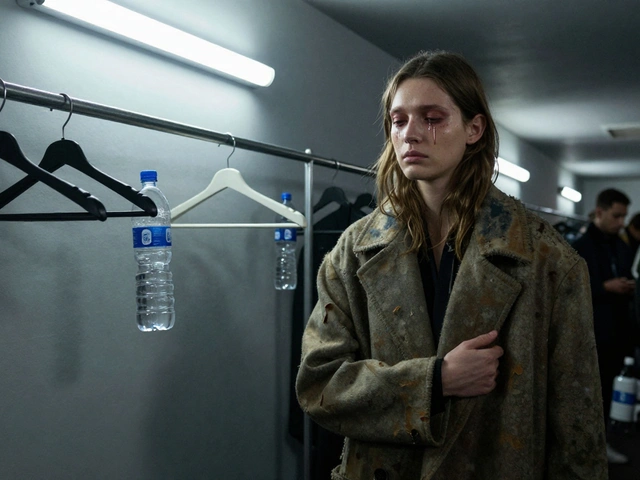
For years, the industry chased an impossible standard. In 2025, that standard finally cracked. Fashion Trends 2025 are the prevailing styles and aesthetics that defined the global fashion landscape during the year 2025. The biggest shift was the rejection of heavy editing. Magazines and digital campaigns started showing pores, scars, and stretch marks. This wasn't just a niche movement; it was the mainstream.
Agencies like IMG Models and Elite Model Management began signing talent based on charisma and presence rather than just measurements. A model with a unique scar or a specific body shape became a selling point. Designers realized that clothes fit real bodies differently, and they started designing with that in mind. The "heroin chic" era of the 90s and the "Instagram filter" era of the 2010s felt ancient compared to the raw energy of 2025.
This shift required a change in how photos were taken. Lighting became softer, less harsh. Makeup artists used less foundation. The goal was to highlight the person, not hide them. This approach resonated with consumers who were tired of feeling inadequate when comparing themselves to runway photos. It made high fashion feel accessible, even if the price tags remained high.
Sustainability Became Non-Negotiable
You cannot talk about 2025 fashion without talking about the planet. Sustainability moved from a buzzword to a requirement. Sustainable Fashion is clothing produced with minimal environmental impact, using eco-friendly materials and ethical labor practices. Elite models became the voices for this change. They weren't just walking for brands; they were vetting them.
Top talent started refusing to walk for houses that couldn't prove their supply chain was clean. If a brand was using virgin plastic or exploiting workers, the model's team would pull them out. This gave the models immense power. They leveraged their social media followings to call out greenwashing. A campaign using recycled fabrics or upcycled vintage pieces got more traction than a standard new collection.
Brands like Stella McCartney and newer entrants like Reformation set the pace. But it wasn't just about the fabric. It was about the lifecycle of the garment. Models started promoting the idea of buying less and wearing more. They wore the same outfits for different events, showing that style isn't about newness. This behavior trickled down to street style. Fans saw their idols wearing vintage or rented clothes and started doing the same.
The Rise of the Digital Avatar
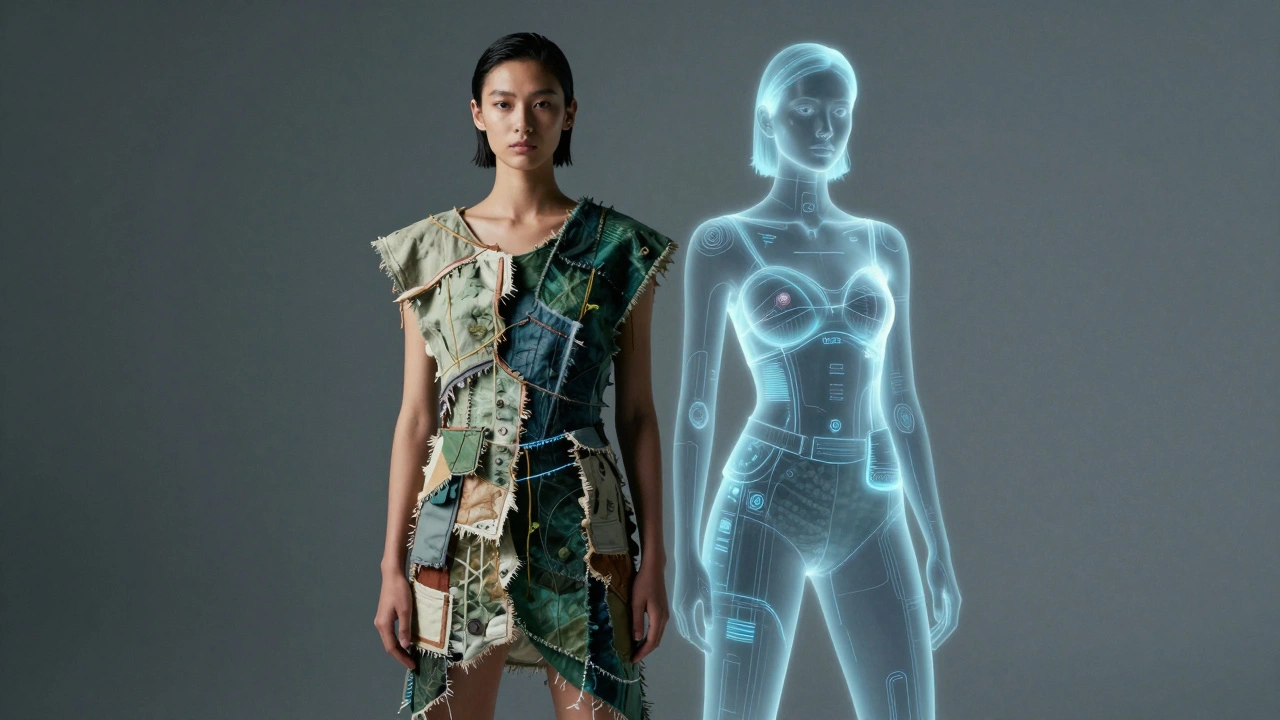
While real models reclaimed their humanity, technology made a strange entrance. AI Models are computer-generated human representations used in digital fashion campaigns and virtual runways. In 2025, the line between human and digital blurred. Some brands started using AI-generated avatars for their digital-only collections. These avatars could wear clothes that didn't exist in the physical world yet.
This created a tension. Human models worried about being replaced. However, the industry found a balance. AI became a tool for visualization, not a replacement for the human element. Runway shows remained physical because the audience craved the energy of a live performance. But digital campaigns? Those were increasingly hybrid. A human model might walk the show, but the lookbook featured a digital twin wearing the same outfit in impossible environments.
This technology allowed for creativity without waste. Designers could test a collection on a digital model before cutting a single piece of fabric. It reduced the carbon footprint of sampling. Elite models who embraced this technology, learning to work with digital teams, found themselves more in demand. It was a new skill set for a new era.
Diversity Beyond Skin Color
Diversity in 2025 went deeper than just skin tone. It was about age, ability, and gender expression. Diversity in Fashion is the inclusion of people from various backgrounds, abilities, ages, and genders in the modeling industry. We saw more models over 50 on the runway than ever before. Brands realized that their customers were aging too, and they wanted to see themselves represented.
Disabled models also gained significant visibility. Designers adapted their clothes to be more accessible, using magnetic closures and adaptive fabrics. This wasn't charity; it was smart business. It opened up a massive market that had been ignored for decades. The runway became a platform for advocacy. Models used their platform to speak about their experiences with accessibility in the fashion world.
Gender fluidity also became standard. Many brands stopped separating shows into "men's" and "women's" categories. Collections were presented as unisex. Models of all genders walked the same runway in the same clothes. This blurred the lines of traditional fashion marketing. It forced consumers to think about clothing as expression rather than a label.
The Power of the Runway Walk
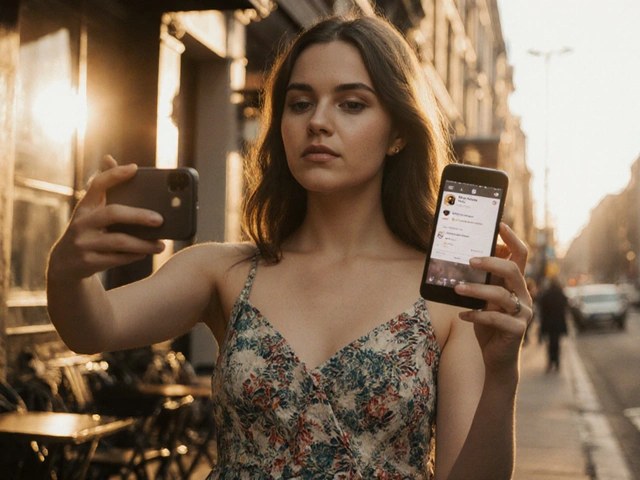
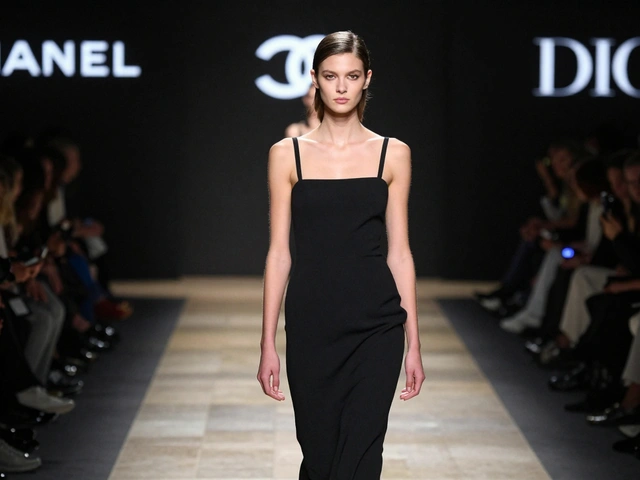
With so much focus on digital content, you might think the runway walk didn't matter. You would be wrong. In 2025, the walk became more important. Runway is the elevated platform where fashion models walk to display clothing collections during fashion shows. Short-form video on TikTok and Instagram Reels meant that a model had three seconds to make an impression. A strong, confident walk went viral instantly.
Models started training specifically for the camera angle of a phone. They learned how to move in a way that looked good in a vertical video. The "catwalk" evolved. It wasn't just about the strut; it was about the interaction with the audience and the camera. Models who could command attention without speaking became the most sought-after talents.
This changed casting. Agencies looked for presence. A model who could stop traffic with a glance was more valuable than one who just fit the measurements. The energy of a show in New York or London was electric because everyone knew that the footage would be clipped and shared globally within minutes. The pressure was on to be memorable.
Key Figures of the Year
While many faces shined, a few stood out as the trendsetters. Bella Hadid continued to dominate, but her focus shifted to artistic expression. She collaborated with photographers to create editorial pieces that looked like art installations. Adut Akech used her platform to highlight African heritage in fashion, pushing for more authentic representation of cultural textiles.
Then there were the newcomers. Models who came from TikTok fame rather than traditional scouting. They brought a different energy. They knew how to engage with fans directly. They didn't need a PR team to tell them how to pose. They knew what the audience wanted to see. This democratization of fame meant that talent could come from anywhere, not just New York or Paris.
Agencies had to adapt. They started looking for "influencer-models" who could bridge the gap between high fashion and street style. These models could sell a luxury handbag and a fast-fashion t-shirt with equal conviction. They understood the consumer better than the traditional elite ever did.
Street Style as the Real Trendsetter
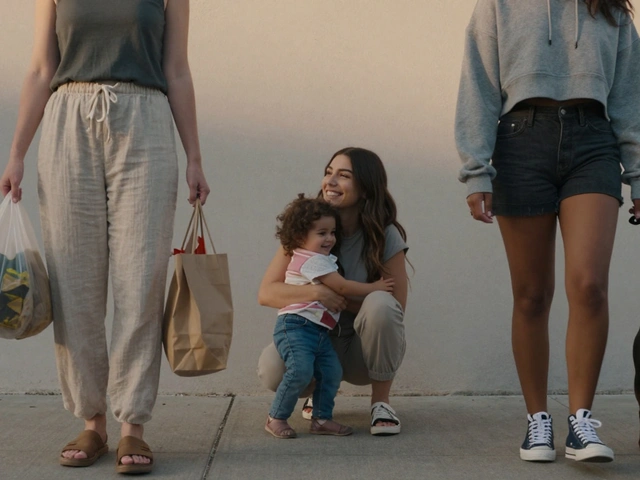
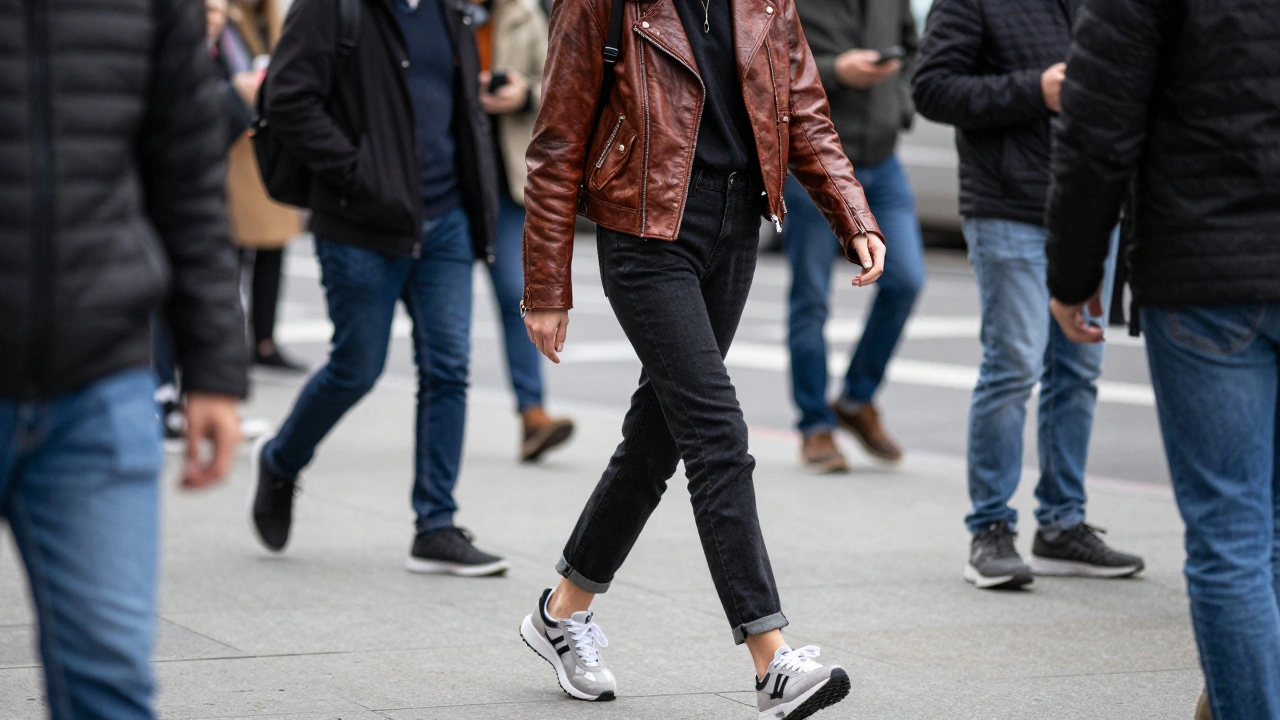
The runway sets the tone, but street style sets the trend. In 2025, the photographers outside the show were just as important as the photographers inside. Street Style is the fashion worn by people in public spaces, often photographed outside fashion events. Models knew that their off-duty look would be photographed just as much as their runway look.
They styled themselves to be seen. A vintage jacket paired with designer sneakers became a common look. It mixed high and low fashion. This accessibility was key. Fans could see a model wearing a $500 jacket and a $20 pair of jeans and feel like they could replicate the look. It broke down the barrier between the elite and the everyday consumer.
Brands noticed this. They started sending clothes to models for their personal wear, not just for the show. They wanted their logo seen on the street. The model became a walking billboard, but in a way that felt organic. It was a symbiotic relationship. The model got the clothes, the brand got the exposure.
How to Spot the Next Big Thing
If you are looking to understand where fashion is going, watch the models. They are the canaries in the coal mine. When a model starts wearing a specific silhouette or color, it usually means a designer is testing the waters. In 2025, the color palette shifted towards earth tones and neons. It was a mix of grounding and energy.
Look at who is booking the covers. Look at who is walking for the biggest houses. If a model is walking for three different brands in the same week, they are setting the trend. Pay attention to their social media captions. They often drop hints about what they value. If they are talking about sustainability, that is the direction the industry is moving.
Don't just look at the clothes. Look at the attitude. The confidence of the models in 2025 was palpable. They owned the space. That confidence is the real trend. It is about feeling powerful in what you wear. Whether it is a suit or a dress, the way you carry it matters more than the label on the tag.
Who were the most influential elite models in 2025?
Top names included established stars like Bella Hadid and Adut Akech, who focused on artistic expression and heritage. Newcomers from social media platforms also rose to prominence, bringing direct audience engagement skills to high fashion.
How did sustainability impact modeling in 2025?
Sustainability became a requirement. Models began vetting brands for ethical practices and refused to work with companies that could not prove clean supply chains. This shifted power to the talent and forced brands to be more transparent.
Did AI models replace human models in 2025?
No, AI models did not replace humans. They were used for digital visualization and virtual collections. Human models remained essential for runway shows and physical campaigns where real human connection and energy were required.
What was the biggest aesthetic change for models in 2025?
The industry moved away from heavy airbrushing. Models showed real skin, scars, and natural textures. This authenticity resonated with consumers who were tired of unrealistic beauty standards.
How did street style influence elite fashion trends?
Street style became a major trendsetter. Models mixed high and low fashion in their off-duty looks, making luxury styles feel more accessible. Brands began sending clothes for personal wear to leverage this organic exposure.