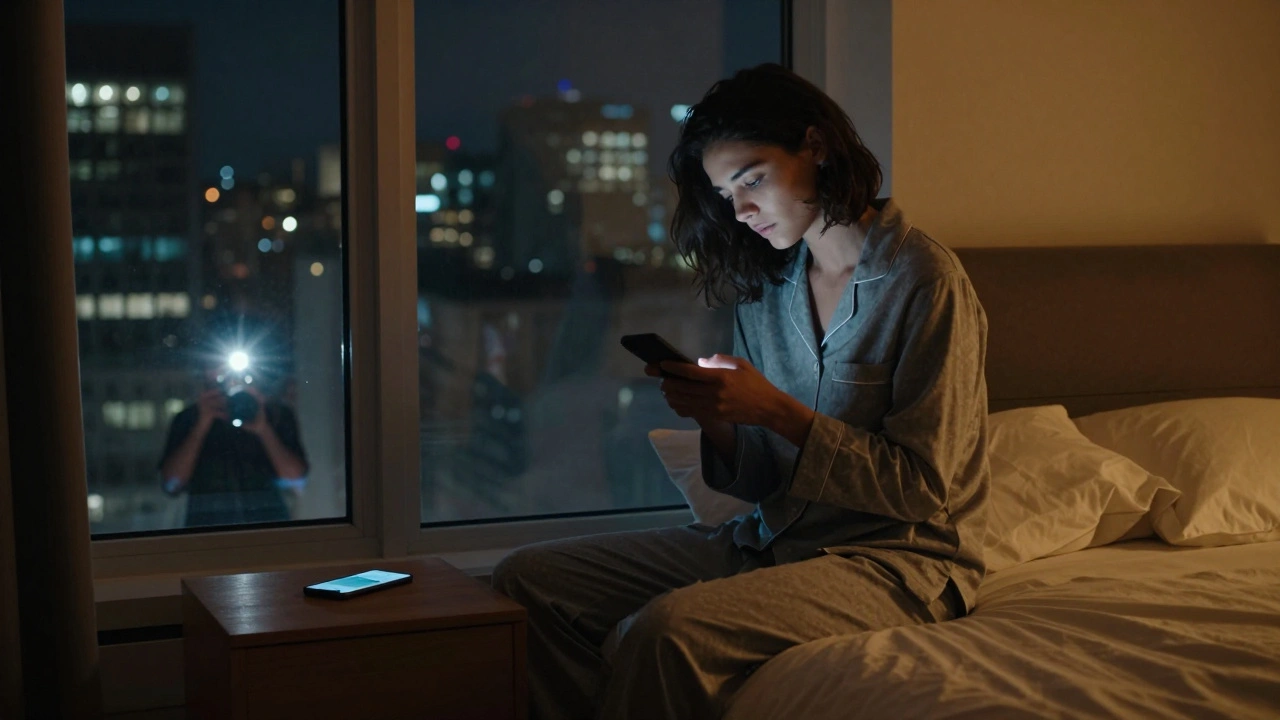
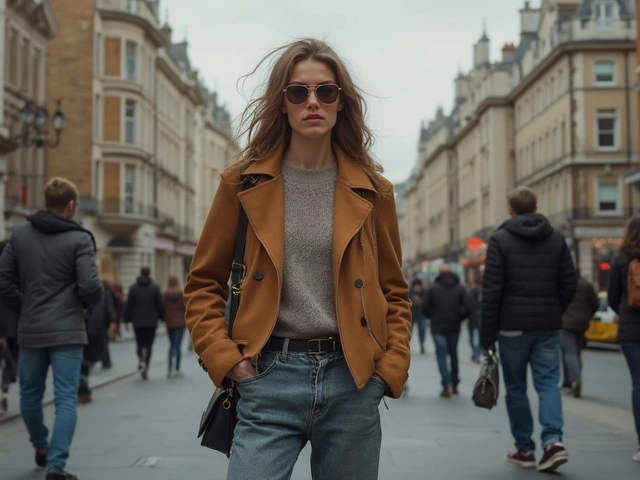
Being a fashion model means walking runways in Paris, appearing in magazine spreads, and getting recognized on the street. But behind the flashbulbs and hashtags, many models are quietly fighting to keep their private lives out of the spotlight. It’s not about being shy-it’s about survival. The fashion industry doesn’t just sell clothes; it sells an image. And that image often leaves little room for real people.
The Double Life of a Fashion Model
When a model steps onto a shoot, they’re not just posing-they’re performing. They become the embodiment of a brand’s vision: cool, distant, flawless. But once the lights go off, they’re just someone trying to pay rent, avoid paparazzi outside their apartment, or have a quiet dinner without someone snapping a photo.
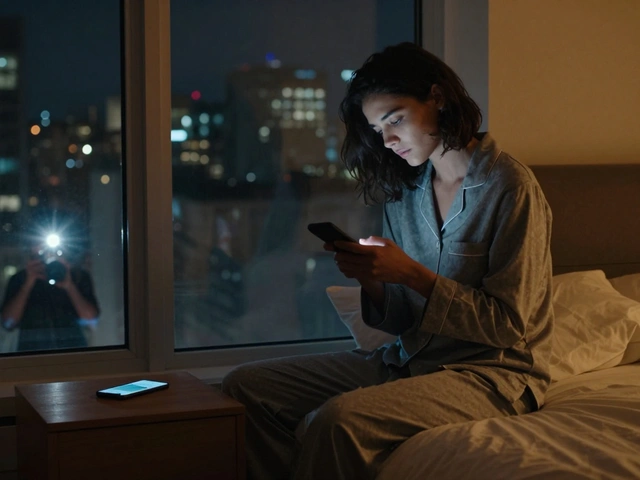
Take a model working for a major European label. She might be on the cover of Vogue one week and scrolling through Instagram in her pajamas the next. The disconnect isn’t just psychological-it’s practical. Brands expect consistency. Social media demands constant content. Fans feel entitled to access. And yet, most models aren’t paid enough to hire full-time security or publicists.
One model in Milan told me she changed her phone number three times in two years. Not because she was being stalked, but because strangers kept showing up at her door after finding her address through a public property record. That’s the reality: fame in fashion doesn’t come with privacy protections. It comes with exposure.
Why Privacy Is Non-Negotiable
Privacy isn’t a luxury for fashion models-it’s a necessity. Unlike actors or musicians, models rarely have the same legal protections or industry support systems. They’re often classified as independent contractors, which means no HR department to call when things go wrong. No one’s there to remind the photographer to stop taking inappropriate shots. No one’s there to block a brand’s social media team from tagging them in unrelated ads.
According to a 2024 survey by the International Model Association, 68% of models under 25 reported feeling pressured to share personal details online to stay relevant. Nearly half said they’d been contacted by strangers who found them through location tags or public booking records. Some were followed home. Others received threatening messages after posting a casual selfie.
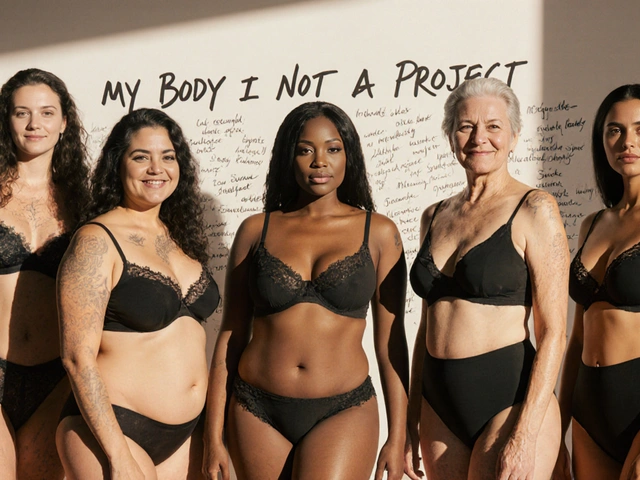
Privacy isn’t about hiding. It’s about control. It’s saying no to a shoot that requires revealing too much. It’s turning off geotags. It’s refusing to post vacation photos during fashion week. It’s choosing to leave your phone at home when you go out with friends.
How Models Protect Their Personal Space
There’s no one-size-fits-all solution, but the most successful models use a mix of strategy, boundaries, and tools.
- Separating accounts: Many models run two Instagram profiles-one for work, one for personal life. The work account is polished, professional, brand-approved. The personal account is private, shared only with close friends and family. Some even use burner phones for personal communication.
- Limiting public records: Models avoid listing their home addresses on public directories. They use PO boxes or agency mail services for official correspondence. Some register their vehicles under their agency’s name to avoid traceable ownership.
- Legal contracts: Reputable agencies now include privacy clauses in contracts. These prevent brands from using personal photos outside the agreed scope. Some models hire freelance lawyers to review every release form before signing.
- Choosing when to speak: A growing number of models refuse to answer questions about relationships, mental health, or family. They don’t owe the public that. One top model in New York says she has a standard reply: “I’m here for the clothes, not my life.”
It’s not about being cold. It’s about staying sane.
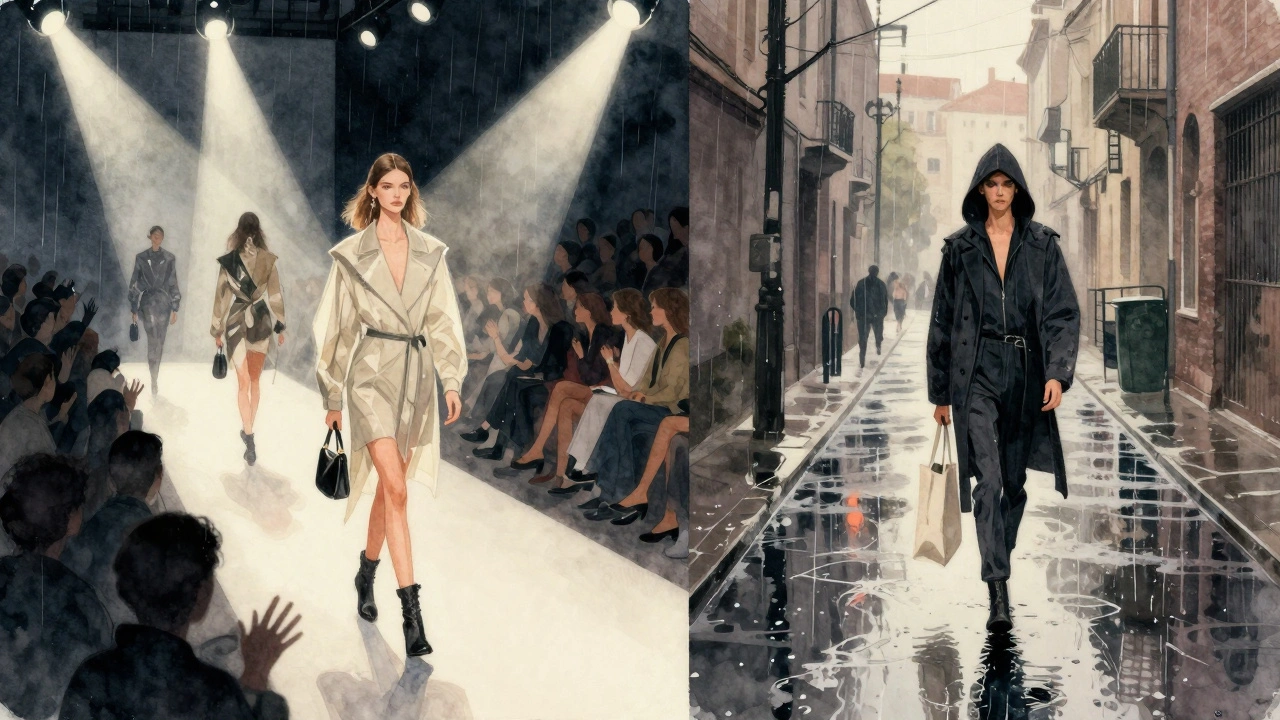
The Role of Agencies and Brands
Agencies have a responsibility-but too many still treat models as disposable assets. Some push them to post more, share more, be more “relatable.” Others ignore complaints until a scandal breaks.
The best agencies now have dedicated privacy officers. They train models on digital safety. They audit client requests. They push back when a campaign asks for a model’s home address to be included in a behind-the-scenes video. These agencies don’t just book jobs-they protect people.
Brands, too, are starting to shift. Luxury houses like Chanel and Prada now require models to sign non-disclosure agreements that cover both content and conduct. They don’t just want the look-they want the silence.
But change is slow. Smaller brands still treat models like free influencers. And without strong union representation, models often feel powerless to say no.
The Mental Toll of Constant Visibility
The pressure to be always on takes a real toll. A 2023 study from the London School of Fashion found that models who posted daily on social media were 2.3 times more likely to report symptoms of anxiety and sleep disorders than those who posted only for work.
It’s not the likes or the comments. It’s the feeling that every moment is being watched. That your birthday dinner is a potential viral moment. That your breakup might become a headline. That your childhood home could be dug up by a fan account.
Some models take breaks. A month offline. A year without Instagram. One model from Sydney quit the industry for two years after a photo of her eating at a café was turned into a meme about “fat models.” She came back-not to the runway, but to behind-the-scenes styling. She still works in fashion. But now, she’s invisible.
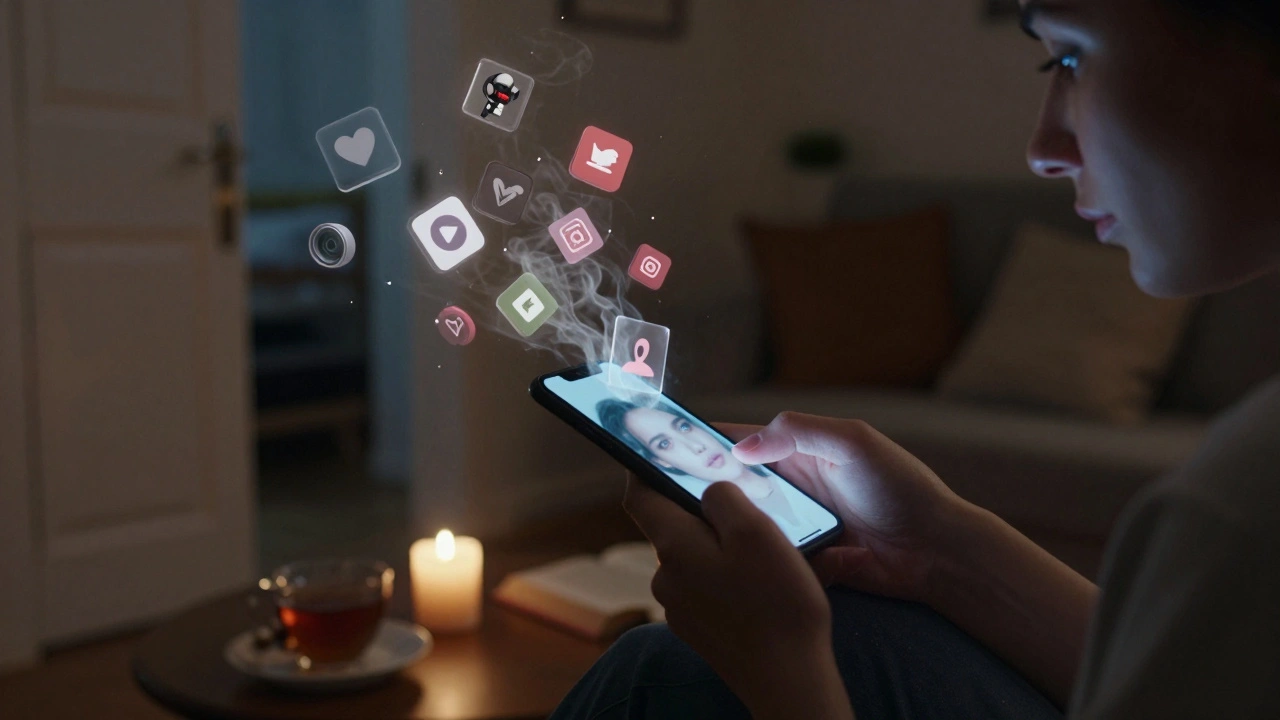
What Keeps Them Going
Why do they stay? Because fashion still offers something few other industries do: creative freedom, global travel, and the chance to shape culture. But the ones who last are the ones who learned early that their worth isn’t tied to their visibility.
The most respected models don’t need to be everywhere. They don’t need to be the most followed. They need to be respected. And respect starts with boundaries.
One model in Copenhagen told me, “I don’t post my face every day because I want to be remembered. I post when I have something to say. And if no one sees it? That’s okay. I still see me.”
Final Thoughts: Fame Is Not a Requirement
You don’t have to be famous to be successful in fashion. You don’t have to share your life to be valuable. The industry may reward the loudest voices, but the most sustainable careers belong to those who know when to step back.
Privacy isn’t the opposite of fame. It’s the foundation of longevity.
Do fashion models have the right to privacy?
Yes. Every person, including fashion models, has a legal and ethical right to privacy. While public figures have less protection under some privacy laws, models are not celebrities by choice-they’re professionals. They can legally refuse to share personal details, block unwanted contact, and sue for harassment or unauthorized use of their image.
How do models protect themselves from online stalking?
Many use private social media accounts, avoid geotagging, and remove personal details from public databases. Some work with digital security consultants to scrub their online footprint. Agencies increasingly offer training on recognizing and reporting threats. Keeping personal and professional accounts separate is the most effective first step.
Can models refuse to post personal content on social media?
Absolutely. While agencies and brands may encourage social media activity, no model is legally required to post personal content. Contracts should specify what is expected. If a brand demands personal posts as part of a campaign, the model can negotiate payment, creative control, or decline the job altogether.
Why don’t more models speak out about privacy issues?
Fear of backlash, job loss, or being labeled “difficult” keeps many silent. The industry thrives on compliance. Speaking up can mean losing bookings, being blacklisted by agencies, or being replaced by someone more “agreeable.” But a growing number are speaking out through anonymous platforms and industry unions, pushing for systemic change.
Is it possible to be a successful model without social media?
Yes. Many top models in Europe and Japan built careers without public Instagram accounts. Agencies still rely on professional portfolios, casting calls, and industry reputation. Social media helps with visibility, but it’s not a requirement for success. In fact, some luxury brands prefer models who aren’t overly online-they’re seen as more authentic and less manufactured.
For every model who’s turned fame into fortune, there are ten more who’ve turned privacy into power. The runway doesn’t need you to be seen-it needs you to be present. And sometimes, the most powerful thing you can do is walk away from the camera.
December 3, 2025 AT 04:06
Annah Hill
Wow, so models are just too delicate to handle being seen? Newsflash: you signed up for this. If you don’t want to be recognized, don’t put your face on a billboard. This isn’t oppression, it’s capitalism. Grow up.
December 3, 2025 AT 19:01
Lynn Ma
Let me tell you something - these girls are out here dodging creepers with Google Earth, changing phone numbers like they’re swapping out socks, and still getting tagged in some dude’s ‘#fashiongoals’ post while he’s eating ramen in his basement. It’s not drama, it’s survival. I’d be crying in a closet if I had to live like that.
December 5, 2025 AT 02:05
Jess Felty
This is all part of the globalist agenda. The fashion industry is controlled by shadowy elites who use models as pawns to normalize surveillance culture. Every geotag, every selfie, every ‘casual’ post - it’s data harvesting disguised as art. They’re training us to surrender our privacy willingly. Next thing you know, your fridge will be posting your grocery list to Instagram. Wake up.
December 6, 2025 AT 13:11
Kathy ROBLIN
I read this whole thing and I’m just screaming internally. Imagine being followed home because someone found your address on a public record. That’s not fame - that’s a horror movie. And don’t even get me started on the brands that demand you post your vacation pics. NO. I’m done. I’m deleting my Instagram and moving to a cabin in Alaska. No Wi-Fi. No cameras. Just me and the moose.
December 8, 2025 AT 12:42
LeeAnne Brandt
Really appreciated this. It’s wild how we expect models to be these flawless icons but then act like they owe us their whole life. I’ve got a friend who models part-time and she uses a burner phone for everything personal. Honestly? Smart. And she’s happier than most people I know. Privacy isn’t cold - it’s self-care.
December 9, 2025 AT 11:55
siva kumar
In India, we have a saying: ‘The more you show, the less you own.’ Models in the West are trapped in a paradox - they’re celebrated for being seen, yet punished for being human. I’ve seen young girls from small towns here get scouted and vanish into the global machine, their identities stripped, their voices silenced. The solution isn’t just privacy tools - it’s systemic respect. Agencies must become guardians, not gatekeepers. And brands? They need to stop treating human beings as content generators. This isn’t fashion - it’s exploitation dressed in silk.
December 11, 2025 AT 03:17
satish gottikere shivaraju
This is beautiful. 💪 So many people don’t realize that being a model isn’t about fame - it’s about craft. These women and men are artists. And artists deserve space to breathe. I’m so glad someone finally said it: you don’t need to be everywhere to be great. Stay true. Stay quiet. Stay powerful. 🙌
December 12, 2025 AT 22:05
Abraham Pisico
Oh wow, so now we’re romanticizing silence as ‘power’? Let me get this straight - you’re praising models for not posting because ‘they still see themselves’? That’s not wisdom, that’s performative martyrdom wrapped in a Prada trench coat. The real power move? Refusing to play the game AND still getting paid. The ones who win are the ones who exploit the system - not hide from it. You call it sanity. I call it surrender.
December 14, 2025 AT 01:28
Tarapada Jana
The notion that privacy is a ‘necessity’ for models is a symptom of cultural decay. In the age of digital exposure, vulnerability is commodified. Those who cannot navigate this landscape are not victims - they are unprepared. The industry does not owe them emotional comfort. Their work is spectacle. Spectacle demands visibility. To seek privacy is to reject the very premise of their profession. This is not oppression - it is consequence.
December 15, 2025 AT 15:46
Lippard Babette
I love how this post doesn’t sugarcoat it. My cousin’s a model and she just turned down a huge campaign because they wanted to use her childhood home in the ad. She said no. They paid her double. She didn’t flinch. Sometimes the strongest thing you can do is say ‘no’ - and mean it.