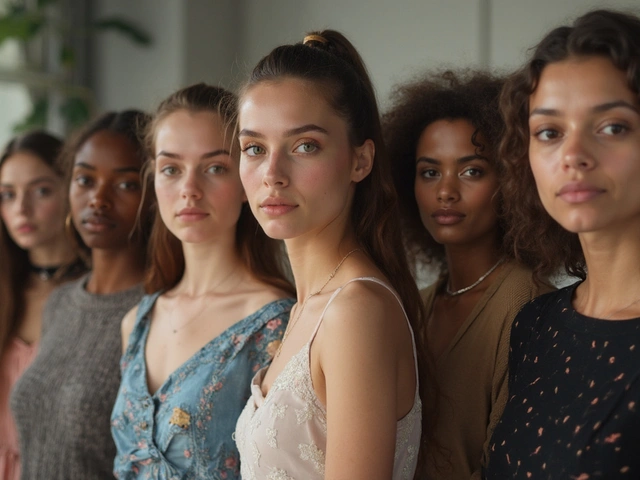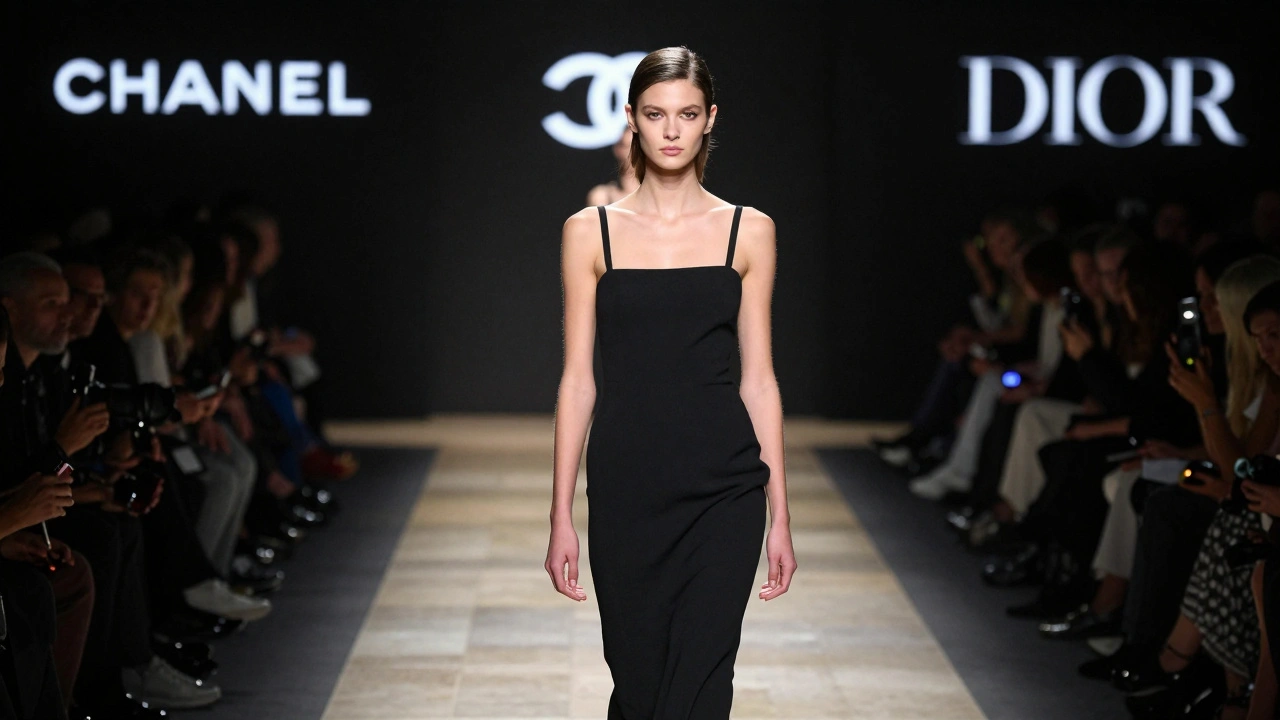
Elite models don’t just walk runways or smile for cameras. They’re part of a multi-billion-dollar machine that runs on contracts, exclusivity, and carefully managed images. Behind every flawless editorial spread is a complex system of agents, lawyers, photographers, and brands all working to turn a face into a currency. This isn’t about talent alone-it’s about strategy, timing, and who you know.
What Makes a Model ‘Elite’?
There’s no official title for ‘elite model.’ It’s not about height or measurements alone. It’s about who hires you, where you appear, and how much you get paid. Elite models work for Vogue, Chanel, Dior, and Louis Vuitton. They’re on the covers of international editions, not just local magazines. They walk in Paris, Milan, and New York Fashion Weeks-not just regional shows.
Take a model like Adwoa Aboah or Kaia Gerber. They didn’t just get lucky. They were signed by top agencies like IMG or Women Management before they turned 16. Their faces appeared in campaigns worth millions. That’s not coincidence. It’s a carefully built career path, often starting with a single photo that caught the eye of a scout in a crowded airport terminal.
Elite models typically have a signature look-something that stands out but still fits a brand’s aesthetic. It could be sharp cheekbones, an unusual eye color, or a way of moving that feels cinematic. But more than looks, they have consistency. They show up on time. They follow direction. They don’t cause drama. That reliability is worth more than a perfect jawline.
The Agency System: Gatekeepers of the Industry
There are about 15 agencies worldwide that control over 80% of elite modeling work. These include IMG Models, Ford Models, Women Management, Elite Model Management, and NEXT Model Management. These agencies don’t just book jobs-they shape careers.
Signing with one of these agencies means paying a 20% commission. That’s standard. But it’s not just about the cut. It’s about access. These agencies have direct lines to designers, editors, and advertising directors. They know who’s looking for what. A model might wait months for a single Vogue shoot, but an agency can fast-track that opportunity by pitching them to the right person at the right time.
Top agencies also control global calendars. They know which cities have fashion weeks next month, which brands are launching campaigns in Q3, and which photographers are in demand. They don’t just send out headshots-they send curated packages. One agency might pitch five models for a single campaign, but only one gets chosen. That’s how selective it is.
Models who aren’t signed to these agencies rarely land elite jobs. Even if they have great photos, they’re stuck in the lower tier-local ads, catalog work, or social media gigs. The gap between ‘working model’ and ‘elite model’ isn’t just talent. It’s access.
How Much Do Elite Models Actually Earn?
People think elite models make millions a year. Some do. But most don’t. The median annual income for a top-tier model is between $150,000 and $300,000. That sounds like a lot-until you break it down.
A single runway show might pay $10,000 to $50,000. A major magazine cover could bring in $50,000 to $150,000. A global campaign with a brand like Estée Lauder or Gucci? That could be $500,000 or more. But these gigs are rare. Most elite models do 3 to 5 big jobs a year. The rest? Smaller gigs, test shoots, or promotional events.
And that’s before taxes, agency fees, travel, wardrobe, and personal trainers. A model might earn $250,000 in a year but walk away with $120,000 after deductions. Many live in expensive cities like New York or Paris, where rent alone can cost $5,000 a month. They often hire managers, stylists, and publicists. That’s another $30,000 to $60,000 a year.
Only a handful-like Gigi Hadid or Bella Hadid-earn over $1 million annually. They do it through brand partnerships, their own product lines, and social media deals. But even then, their income isn’t steady. One bad season, one controversial post, and the offers dry up.

The Role of Social Media and Brand Control
Twenty years ago, a model’s value came from magazine covers. Now, it’s Instagram followers. But here’s the twist: elite models don’t always control their own accounts. Many agencies manage their social media. They schedule posts, approve captions, and even decide what filters to use.
Why? Because brands want consistency. A model might have 5 million followers, but if her last post was a selfie at a coffee shop, a luxury brand won’t hire her for a high-end campaign. The agency steps in to make sure every post looks polished, professional, and aligned with the brand’s image.
Some models negotiate ‘social media clauses’ in contracts. They get paid extra for posting about a product, but only if the post meets the brand’s guidelines. A single Instagram post for a perfume launch might earn $20,000 to $100,000. But the model can’t just post it whenever. The agency schedules it, the brand approves it, and sometimes, they even edit the photo.
It’s not about authenticity. It’s about control. The model is a product. Her image is licensed. Her personality is curated. That’s the business.
The Short Lifespan of a Modeling Career
Most elite models peak between ages 18 and 25. After that, opportunities shrink fast. Designers want fresh faces. Magazines want new trends. Brands want to appeal to younger audiences.
There are exceptions-like Naomi Campbell or Cindy Crawford-who transitioned into entrepreneurship, TV, or design. But those are rare. Most models don’t have the training or network to pivot. They spend their 20s traveling, working 16-hour days, and living out of suitcases. By 30, many have no savings, no degree, and no clear next step.
That’s why agencies now push models to build personal brands early. Some start YouTube channels. Others launch skincare lines or write books. A few go back to school. The smart ones invest their earnings into real estate or stocks. But most don’t. The industry doesn’t teach financial literacy. It teaches how to look good on camera.

Who’s Really Profiting?
Let’s be clear: the model isn’t the one making the most money. The agencies do. The photographers do. The brands do. The magazines do.
A single campaign for a luxury handbag might cost $10 million to produce. The model gets $200,000. The photographer gets $150,000. The agency takes $40,000. The stylist, makeup artist, and hair team split $100,000. The rest? Production, location rental, travel, legal fees, and marketing. The brand walks away with a product that sells for $5,000 a bag-and sells 50,000 of them.
The model’s face becomes a symbol. A status marker. A tool for aspiration. But she rarely benefits long-term from that symbol. She’s replaced every season.
That’s why some models are pushing back. They’re demanding profit-sharing. They’re asking for equity in the brands they promote. A few have started their own agencies to take control. But the system is still stacked. The power lies with the brands and the agencies. The model? She’s the face. But she’s not the owner.
What It Really Takes to Make It
If you want to be an elite model, you need more than beauty. You need discipline. You need resilience. You need to treat your body like a business asset-sleeping 8 hours, eating right, avoiding injury. You need to be emotionally stable in an industry that tells you you’re not good enough every day.
You need to be willing to move to a new city at 16. To say no to parties, to ignore toxic comments, to work with people who see you as a product. You need to learn how to negotiate contracts, understand legal terms, and protect your rights.
And most of all, you need to know this: your value doesn’t last forever. The business is built on turnover. So if you make it, don’t just enjoy the moment. Plan for what comes after.