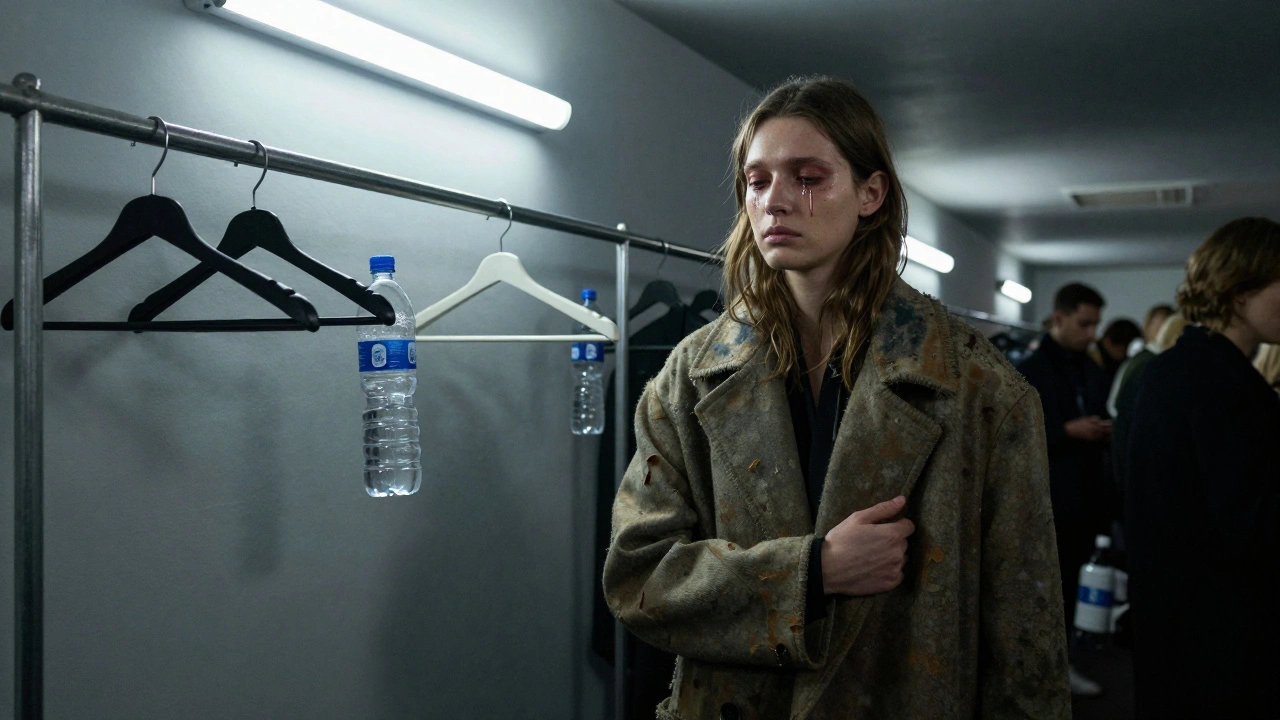
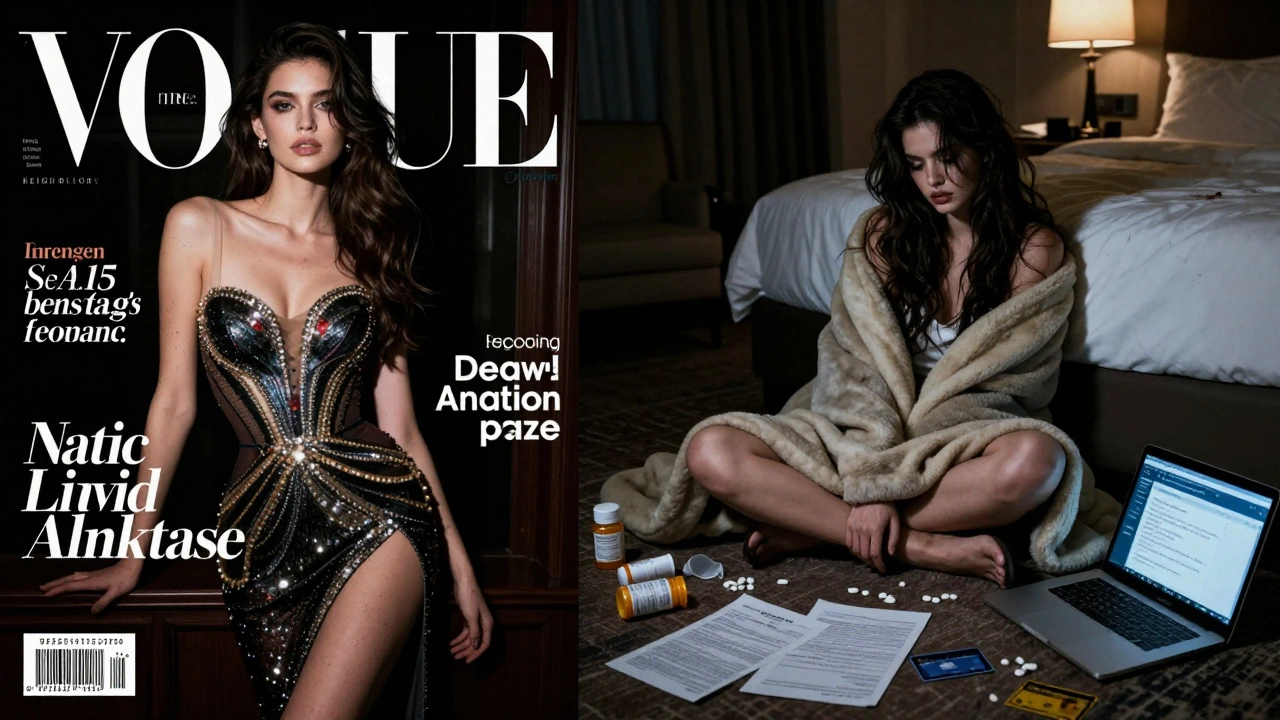
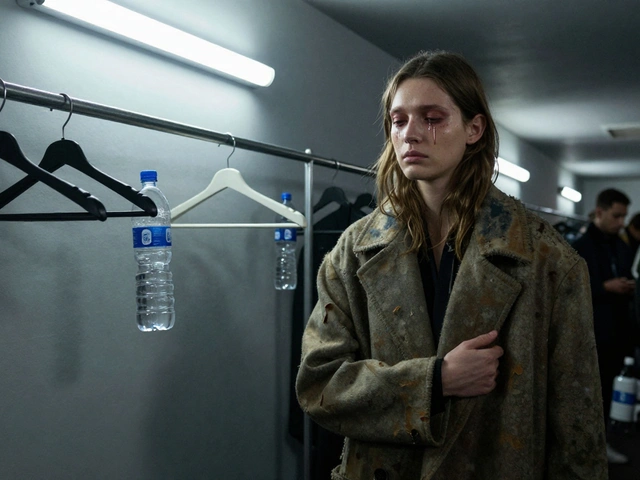
Elite models walk the runways of Paris, grace the covers of Vogue, and command six-figure contracts. But behind the flawless skin, perfect posture, and designer gowns, there’s a side no magazine will show you. The pressure isn’t just about looking good-it’s about surviving a system built on thin margins, broken sleep, and silent suffering.
The Price of Perfection
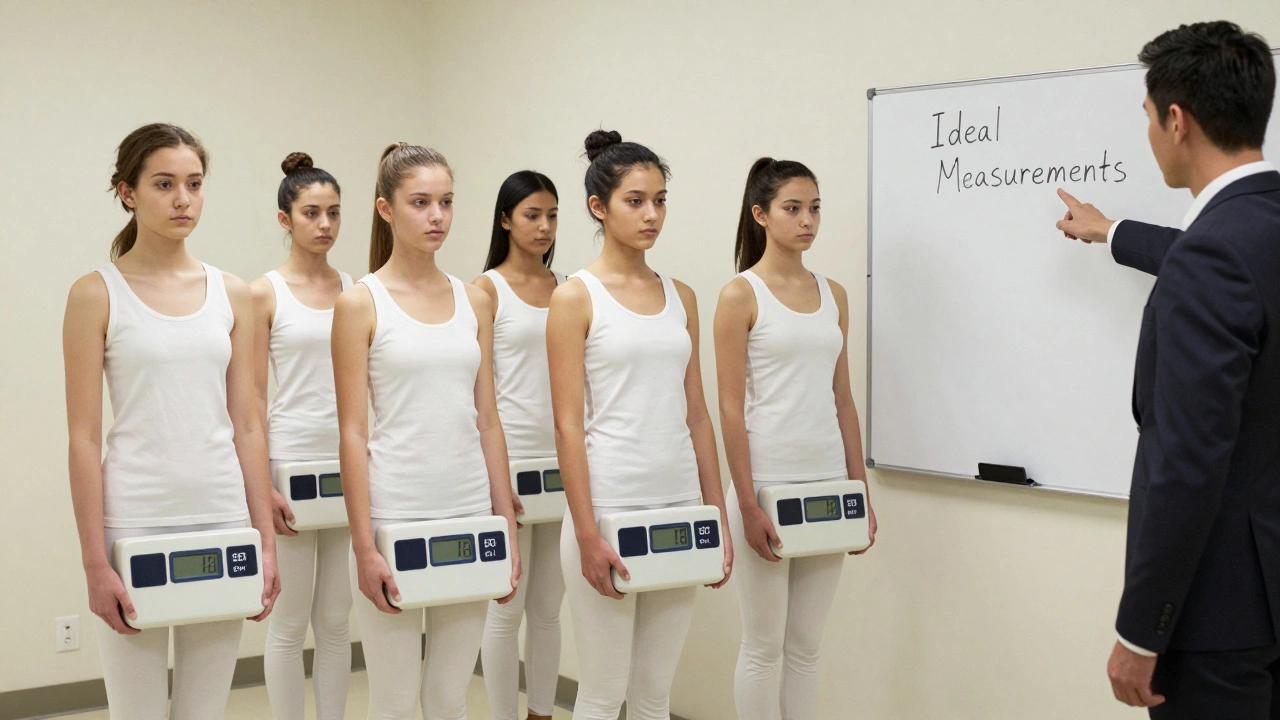
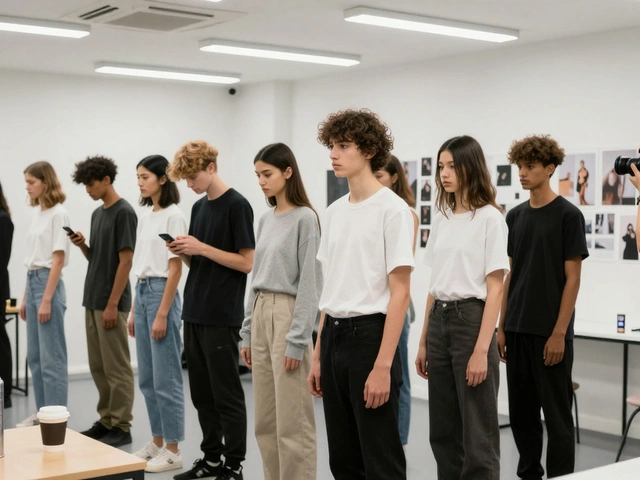
Being an elite model isn’t about talent alone. It’s about meeting impossible standards. Agencies demand a specific waist-to-hip ratio, a certain height, and a face that fits a narrow, ever-shifting ideal. One former model from London told me she was told to lose 12 pounds in three weeks before a major show. She didn’t eat for five days. She didn’t sleep. She lost her period. No one asked if she was okay.
These aren’t isolated stories. A 2024 study by the Model Alliance found that 68% of elite models under 25 have been pressured to lose weight by their agency or a client. More than half said they were called ‘too thick’ or ‘not editorial enough’ after gaining just two pounds. The industry doesn’t just reward thinness-it punishes anything outside it.
The Invisible Workload
Think elite models spend their days lounging in penthouses, sipping champagne? Think again. Most work 14-hour days, six days a week, during fashion week. They fly from New York to Milan to Tokyo with no time zone adjustment. They’re expected to be ‘on’ at 6 a.m., posing for 12 hours straight, then hopping on a red-eye to the next city-all while being paid per job, not per hour.
Many don’t have health insurance. Some pay for their own flights, hotels, and even makeup artists. One model in her early 20s from Brighton shared how she maxed out two credit cards just to cover travel costs for a campaign that paid $500 total. She was told, ‘You’re lucky to be here.’
Psychological Toll
Depression, anxiety, and eating disorders aren’t rare in this world-they’re routine. A 2023 survey of 1,200 models across Europe and North America showed that 43% had been diagnosed with an eating disorder by age 21. One in three reported suicidal thoughts in the past year. The constant comparison, the rejection, the feeling that your body is a product to be polished and discarded-it breaks people.
There’s no therapist on set. No HR department to call. If you speak up, you’re labeled ‘difficult.’ If you gain weight, you’re dropped. If you take a day off, someone else takes your spot. The system doesn’t care about your mental health. It only cares about the next shot.
Exploitation in Plain Sight
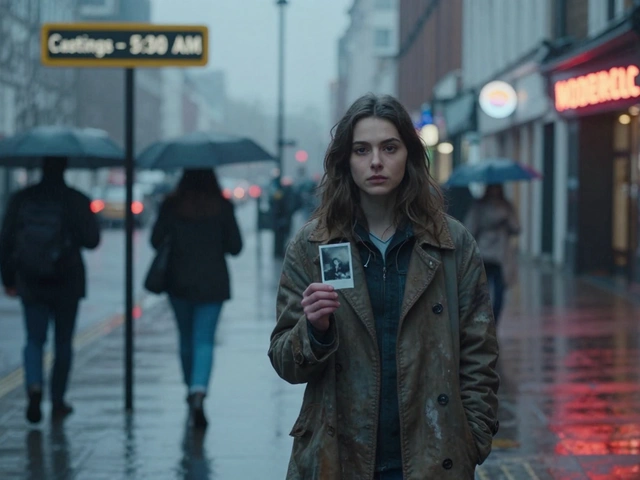
It’s not just about weight. Models are often asked to do things that cross ethical lines. Nude shoots without proper consent. Sexual advances disguised as ‘casting calls.’ Promises of big jobs that vanish after they’re photographed. One model told me she was told, ‘We’ll make you famous,’ then locked in a hotel room for 12 hours with a photographer who refused to stop until she cried.
Legal protections are weak. In the UK, models over 18 aren’t classified as employees. That means no minimum wage, no sick pay, no protection from harassment. Agencies operate like talent brokers, not employers. If you’re not signed to a top agency, you’re on your own.
The Illusion of Glamour
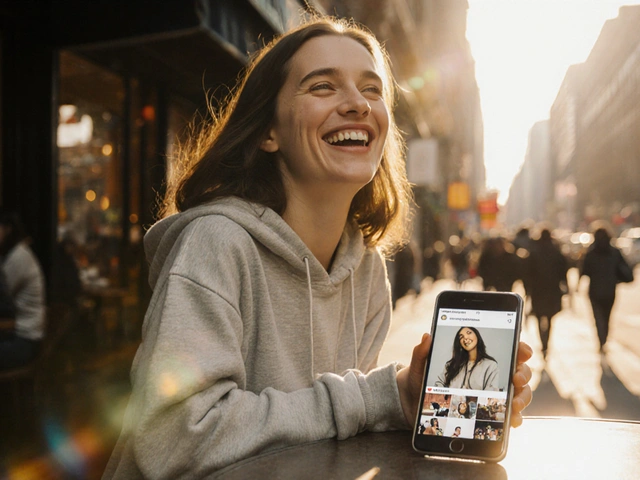
Instagram makes it look easy. A perfect pose. A filtered smile. A caption: ‘Living my dream.’ But what you don’t see is the 17 hours spent waiting for lighting, the panic attacks before fittings, the silence after being told, ‘You’re not right for this brand.’
Elite models aren’t living luxuries. They’re living in a high-stakes game where their body is the only currency-and it’s constantly devalued. One model I spoke with said, ‘I used to think I was chosen. Now I know I was just convenient.’
Who’s Really Winning?
The designers, the photographers, the magazines-they all profit. The agencies take 20% to 30% of every job. The brands sell millions of dresses. The influencers get paid to promote the same looks. But the models? They’re disposable.
When a model gets sick, they’re replaced. When they age, they’re retired. When they speak out, they’re blacklisted. The system doesn’t need them to be happy. It just needs them to show up.
Change Is Possible-But It’s Not Coming From the Runway
There are glimmers of change. Some agencies now require mental health screenings. A few brands have banned under-18 models. The UK’s Model Alliance is pushing for minimum wage protections. But real change needs consumers to ask harder questions.
Next time you see a flawless ad, ask: Who paid the price for that image? Who was told to starve? Who was silenced? Who got left behind?
The beauty industry thrives on illusion. But the truth? It’s not about perfection. It’s about power. And until that changes, the dark side of elite modeling won’t disappear-it’ll just keep getting better at hiding.
Are elite models paid fairly?
Most aren’t. Elite models are typically paid per job, not per hour. Many earn less than minimum wage when you factor in unpaid travel, prep time, and waiting. Top models might make $10,000+ for a single campaign, but that’s the exception. The majority struggle to cover basic costs like rent and food between gigs.
Do modeling agencies help with mental health?
Very few do. While some top agencies now offer optional counseling, it’s rarely mandatory or well-funded. Most models are expected to handle stress alone. The industry still treats mental health as a personal issue, not a systemic one. That’s changing slowly, but only because models themselves are speaking out.
Why do models stay in the industry if it’s so toxic?
Many feel trapped. They’ve invested years into their career, taken on debt to move to cities like London or Milan, and believe this is their only chance at fame. Some fear retaliation-if they speak up, they’re blacklisted. Others still believe the dream will come true. The hope is powerful, even when the reality is crushing.
Is there any legal protection for models?
In most countries, models are classified as independent contractors, not employees. That means no minimum wage, no overtime pay, no protection from harassment or discrimination. The UK has no specific laws for models, and even in places like France, where protections are stronger, enforcement is weak. Legal recourse is expensive and rarely worth it for someone with no savings.
Can consumers make a difference?
Yes. Brands respond to public pressure. When people stop buying from companies that use underaged or underweight models, those companies change. Asking brands to disclose their casting criteria, supporting models who speak out, and calling out airbrushed ads all add up. Change doesn’t start on the runway-it starts with you clicking ‘like’ or ‘skip.’
The fashion world sells dreams. But behind every flawless cover, there’s a human being who paid too high a price. It’s time we stopped admiring the image-and started asking who paid for it.


December 23, 2025 AT 10:02
Zakaria SANKARA
So let me get this straight-you’re telling me the whole fashion industry is just a giant scam where skinny girls starve themselves so rich people can sell clothes? Wow. Groundbreaking. Next you’ll tell me bankers are greedy and politicians lie. What a shock.
December 25, 2025 AT 18:32
William Kramer
Thank you for sharing this. Honestly, this is the kind of truth we need more of. It’s easy to get caught up in the glamour, but behind every photo, there’s a person who’s been told their worth is measured in inches. I hope this sparks real change-not just hashtags, but policy, accountability, and actual care. We can do better. We have to.
December 27, 2025 AT 13:52
Kevin Puls
Let’s be real: the system isn’t broken-it’s working exactly as designed. Agencies profit from instability. Brands profit from unattainable ideals. Consumers profit from distraction. The model? She’s the cost of doing business. Until we stop treating human beings as interchangeable assets, nothing changes. And yes, this applies to tech, entertainment, and every other ‘dream industry’ that preys on youth and insecurity.
December 27, 2025 AT 23:19
Terrance Bianco
Have you ever wondered why all the top agencies are owned by the same five families? And why every major magazine’s editor-in-chief went to the same five elite schools? This isn’t just about beauty standards-it’s about control. The fashion industry is a front for a global elite that uses body image to keep people distracted, insecure, and obedient. They don’t want you healthy-they want you buying, dieting, and doubting yourself. Wake up. The runway is a propaganda tool. The models? They’re the pawns. And you? You’re the mark.
December 28, 2025 AT 17:13
Gerald White
I used to work in fashion. I saw it. I was there when they made a girl vomit in the bathroom because she ate a sandwich before a fitting. No one stopped them. No one cared. I tried to report it. They said I was ‘emotional.’ Now I can’t sleep without hearing the sound of a tape measure tightening around a ribcage. I’m not okay. And I don’t think anyone else is either.
December 28, 2025 AT 20:44
Summer Perkins
My sister was a model for two years. She got dropped after gaining 3 pounds. She cried for a week. Then she got a job at a coffee shop. She says she’s never felt freer. I don’t get why people think this is a dream. It’s a trap wrapped in silk.
December 29, 2025 AT 04:17
Oskar Banaszek
Oh please. You’re romanticizing suffering. Models choose this life. They know the rules. If they can’t handle it, they shouldn’t have signed the contract. Stop crying about capitalism-it’s not a conspiracy, it’s economics. Want a better deal? Get a degree. Become a designer. Stop whining about being a mannequin.