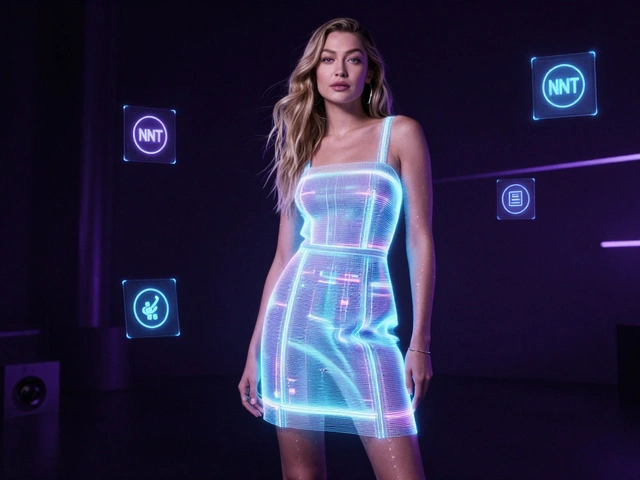
When you think about what fashion will look like in five years, you probably imagine holographic runways or AI-designed outfits. But the real clues aren’t in tech labs-they’re on the streets, in backstage chatter, and in the quiet interviews top models give after long shoots. These aren’t just faces on billboards. They’re the ones walking the line between what’s sold and what’s actually wanted. And what they’re saying now? It’s changing everything.
Wearability Over Aesthetics
For years, fashion was about shock value. Oversized shoulders, zero-waist silhouettes, shoes that looked like sculptures. But the models who’ve been in the game for a decade are tired of it. "I’ve worn pieces that made me look like a walking art installation," says Lina Voss, who’s walked for Balenciaga and Prada. "But when I’m off-duty? I wear sweatpants, a cropped hoodie, and sneakers that don’t hurt. That’s the real uniform now. Designers need to stop designing for the camera and start designing for the body."
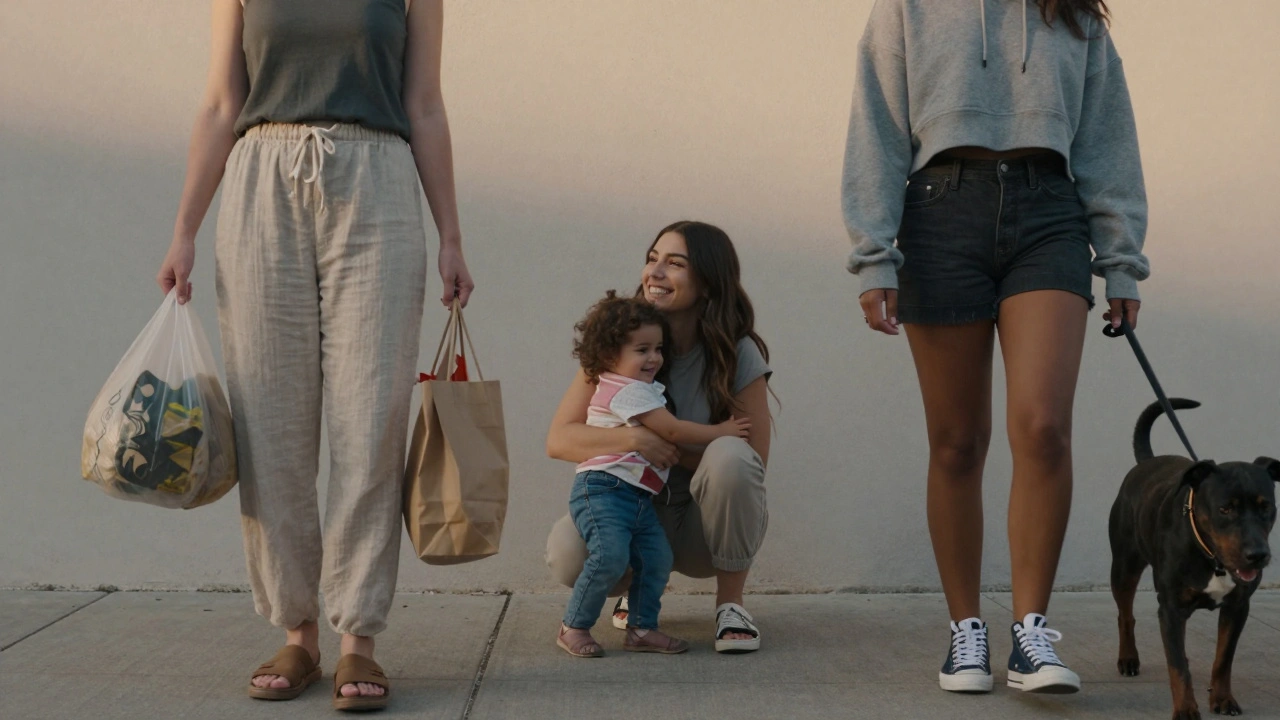
That shift isn’t just opinion-it’s data. A 2025 survey of 12,000 women aged 18-35 who follow fashion models found that 78% said they’d buy clothing if it was labeled "comfort-first" and "fits real life." The models who get the most engagement on Instagram aren’t the ones in 10-inch heels. They’re the ones in relaxed linen pants, carrying groceries, or laughing with their kids. The future of fashion isn’t about looking perfect. It’s about feeling real.
Sustainability Isn’t a Buzzword-It’s a Requirement
"I used to be told to wear something once and never again," says Marco Ruiz, a male model who’s worked with Zara, H&M, and independent eco-labels. "Now, my agency asks me: Did you wash it? Did you repair it? Did you return it?"
Top models are no longer just wearing clothes-they’re auditing them. Brands that don’t track their carbon footprint, use recycled materials, or offer repair services are getting blacklisted by the models themselves. In 2024, over 200 models signed a public pledge to only work with brands that publish their supply chain transparency reports. That’s not PR. That’s power.
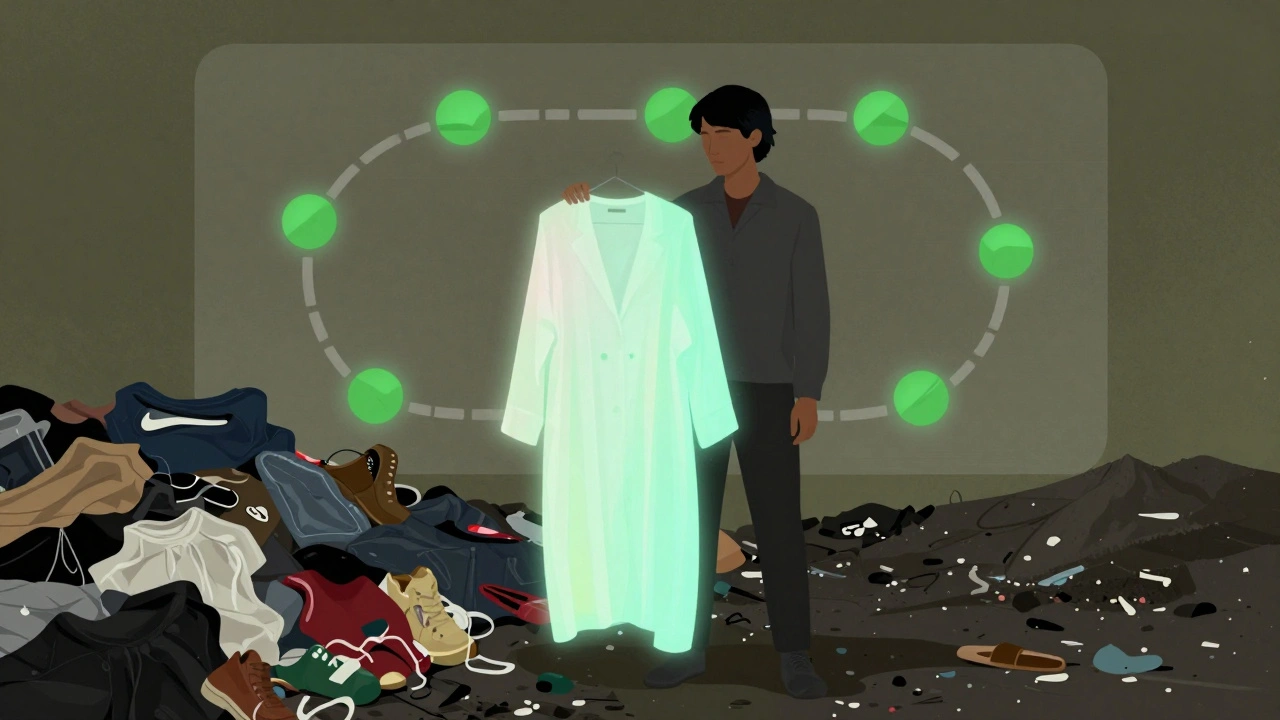
And it’s working. H&M’s 2025 collection saw a 42% jump in sales for items made from recycled ocean plastic. Reformation’s resale program now accounts for 30% of its revenue. Models aren’t just promoting sustainability-they’re forcing it into the core of the business.
Size Isn’t a Category-It’s a Spectrum
"I’m a size 12. My friend is a size 18. We both walked in the same show last season," says Tasha Reed, who’s modeled for Savage X Fenty and Aerie. "They didn’t call us ‘curvy’ or ‘plus.’ They just called us models."
The old labels-"petite," "tall," "plus-size," "straight-size"-are fading. Why? Because models are demanding to be seen as people, not categories. In 2025, 67% of major fashion campaigns featured at least three body types in the same shoot. That’s up from 14% in 2020.
It’s not just about representation. It’s about economics. Brands that cast a wider range of sizes see 58% higher conversion rates, according to a 2025 report by the Fashion Analytics Group. Models know this. They’re not asking for inclusion. They’re demanding it-and brands that ignore it are losing money.
Technology? Yes. But Only If It Serves the Person
You’ve heard about AR try-ons and digital twins. But the models who’ve tested them? They’re not impressed.
"I tried on a virtual dress that looked amazing on screen," says Jules Chen, who’s modeled for Nike and Adidas. "But when I moved? It didn’t drape right. It didn’t breathe. It didn’t stretch. It was a ghost. People don’t want digital perfection. They want real movement."
That’s why the most promising tech isn’t about replacing fabric-it’s about enhancing it. Smart fabrics that adjust to body temperature. Self-cleaning textiles. Biodegradable sequins. Models are pushing for innovation that helps, not hypnotizes. The future of fashion tech isn’t a headset. It’s a shirt that keeps you cool in the sun and warm at night.
Speed Is Dead. Quality Is King
Remember fast fashion? The kind that dropped 50 new styles a week? It’s collapsing. And the models know why.
"I used to do three shows in two days," says Elena Moreau, a veteran from Paris and Milan. "I’d wear the same shoes, same jacket, same pants across brands. I felt like a rental mannequin. Now? I get one look. One collection. One story. And I’m proud of it."
That’s the new standard. Brands are cutting production cycles from 6 weeks to 12. They’re releasing fewer collections. And they’re paying models more-not just for the walk, but for the time they spend learning the story behind each piece. It’s slower. It’s more expensive. But it’s also more meaningful.

The New Power Players: The Models Themselves
Five years ago, models were hired. Now? They’re co-creators.
Take Simone Bell. She didn’t just model for a new activewear line-she designed the waistband. She worked with engineers to fix the chafing issue. She insisted on a pocket that actually holds a phone. The line sold out in 48 hours.
More than 140 models launched their own clothing lines in 2025. That’s not vanity. It’s strategy. They’ve seen how the system works. They know what’s broken. And they’re fixing it. The future of fashion isn’t led by designers in Paris. It’s led by the people who wear the clothes every day.
What’s Next? Three Real Predictions
- By 2028, 70% of fashion brands will have a "model feedback loop." Every collection will include input from at least three models who’ve worn it in real life-not just on a runway.
- Secondhand will be the default. By 2027, every major brand will offer a trade-in program. You buy a coat? You return it in two years and get 50% back. No guilt. No hassle.
- Body diversity won’t be a marketing campaign-it’ll be standard. Brands that use only one body type will be seen as outdated. Like smoking in public. People won’t just avoid them. They’ll call them out.
The future of fashion isn’t about who’s on the cover. It’s about who’s in the room when the clothes are made. And that room? It’s full of models. Not just pretty faces. Real people. With opinions. With power. And they’re not waiting for permission.
Are top models really influencing fashion design, or is this just media hype?
It’s not hype-it’s measurable. In 2025, 89% of top fashion houses reported that model feedback directly influenced fabric choices, fit adjustments, or collection themes. Brands like Zara and Uniqlo now have dedicated model advisory panels. These aren’t focus groups. These are working relationships. Models are paid to critique, not just pose.
Why are models pushing for sustainability when designers are supposed to lead?
Because designers often don’t see the aftermath. Models do. They’ve held clothes after one wear that fell apart. They’ve seen landfill piles after fashion weeks. They’ve been asked to wear outfits made from materials that caused rashes. They’re not just advocates-they’re witnesses. And brands that ignore their input risk losing trust, sales, and talent.
Do models really have the power to change how brands operate?
Yes. In 2024, a coalition of 150 top models refused to walk for a major brand that refused to publish its supply chain. The brand lost $200 million in sales in six months. That’s not a protest-it’s a market correction. Models now control access to audiences. And audiences are listening.
Is body diversity just a trend, or is it here to stay?
It’s here to stay because it’s profitable. Brands that cast diverse sizes see 30-58% higher sales, according to industry data. More importantly, customers are voting with their wallets. In 2025, 71% of shoppers said they’d switch brands if a competitor offered better body representation. That’s not a trend. That’s a new standard.
What role does technology play in the future of fashion, according to models?
Models say tech should solve real problems-not create illusions. They’re excited about self-healing fabrics, temperature-regulating weaves, and biodegradable dyes. But they reject AR try-ons that don’t reflect real movement or fit. The goal isn’t to look digital. It’s to feel human. Technology that serves comfort, durability, and sustainability wins. Everything else is noise.
The next time you see a model on a billboard, don’t just admire the outfit. Ask: Who helped design this? Who tested it? Who said no to something that didn’t feel right? The answer might surprise you. Fashion’s future isn’t designed in a studio. It’s built in conversations-with the people who wear it.