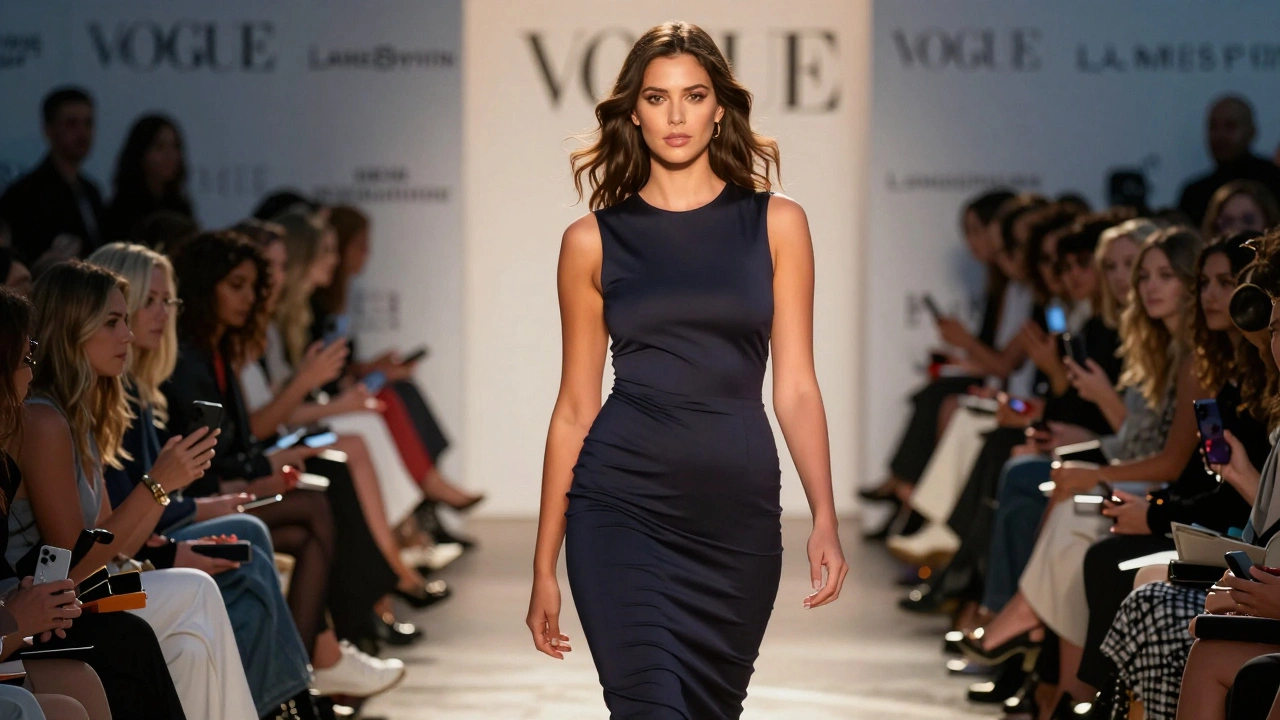
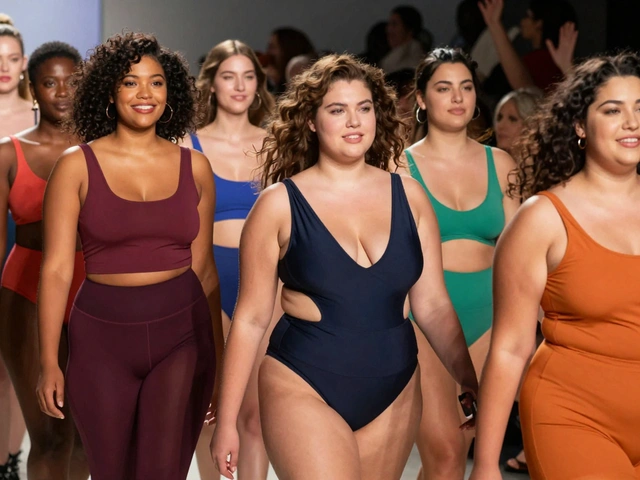
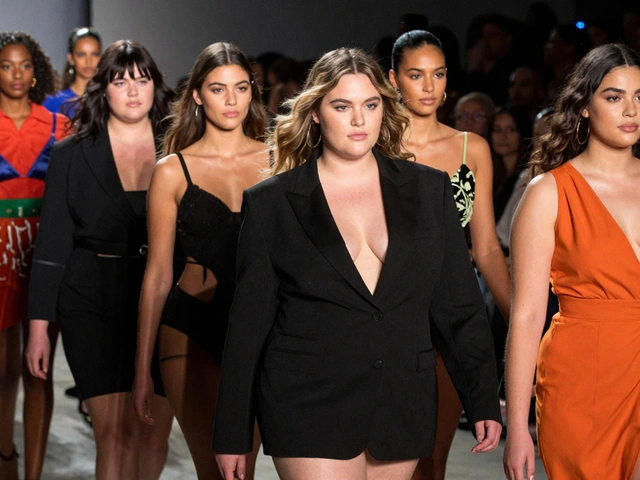
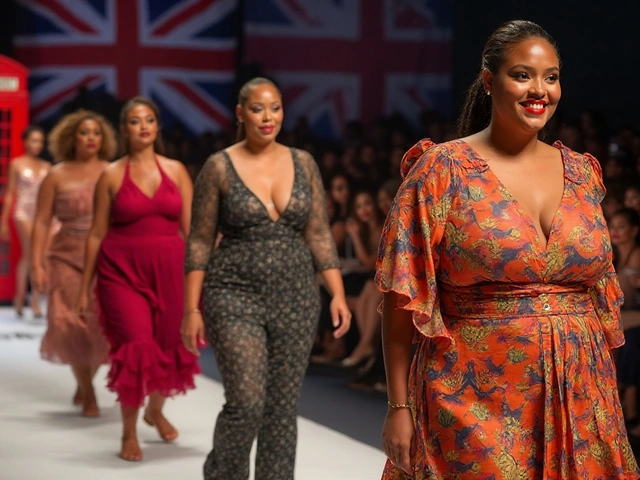
For years, the fashion world told curvy women they didn’t belong on runways, in magazines, or on billboards. But that story is changing - not because someone gave permission, but because curvy models refused to wait for it. Today, women with curves aren’t just breaking into the industry - they’re reshaping it. And their stories aren’t about overcoming obstacles. They’re about owning their space, unapologetically.
From Rejection to Runway: Ashley Graham’s Turning Point
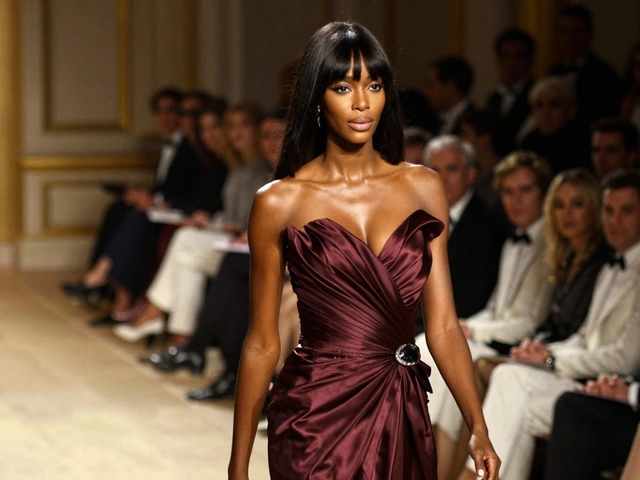
Ashley Graham didn’t get her first major magazine cover because a designer suddenly decided to be inclusive. She got it because she kept showing up. At 16, she was told by a scout she was too big for modeling. At 22, she walked for Lane Bryant’s first runway show - the first plus-size model to do so for a major brand. By 2016, she was on the cover of Vogue - the first size 14 woman to do so in the magazine’s 124-year history. That cover wasn’t a token gesture. It was proof that demand existed, and the industry had been ignoring it.
Ashley didn’t wait for brands to catch up. She started her own line of shapewear, wrote a best-selling book, and used her platform to call out brands that still refused to size up. Her success wasn’t luck. It was strategy, persistence, and refusing to let someone else define her worth.
The Rise of the Curve Community
It’s not just Ashley. The curve modeling movement is a wave, not a single splash. In 2020, the Fashion Spot reported that 23% of all runway shows in New York, London, Milan, and Paris featured models who wore size 12 or higher - up from just 5% in 2015. That jump didn’t happen because brands woke up. It happened because consumers demanded it.
Instagram changed everything. Curvy models like Tess Holliday, Lizzo, and Gabi Gregg built massive followings not by conforming to traditional beauty standards, but by celebrating what those standards had always excluded. Tess, who was once told she’d never work in fashion, now has over 3 million followers and collaborates with brands like Savage X Fenty and Universal Standard. Gabi Gregg turned her personal style blog into a multimillion-dollar business, proving that authenticity sells better than airbrushed perfection.
These women didn’t need approval from editors or agents. They built their own platforms, and the industry had to follow.
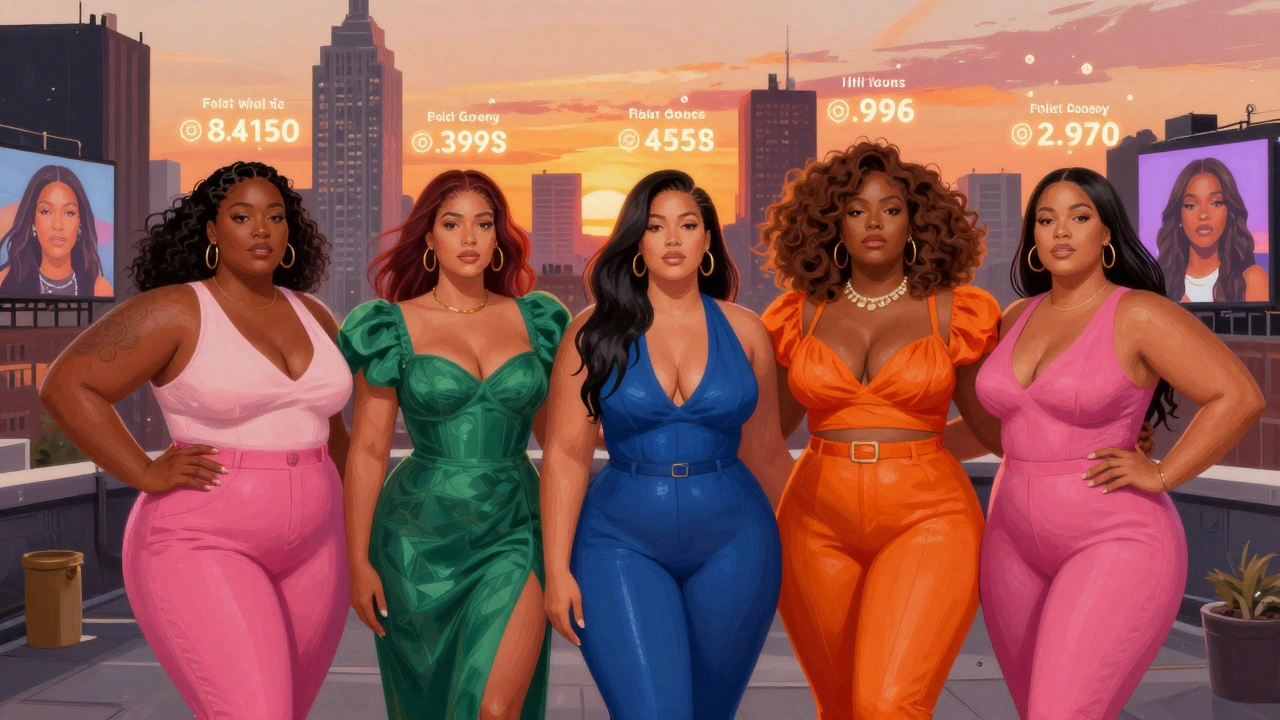
What Brands Are Still Getting Wrong
Not every brand that hires a curvy model is truly committed to inclusion. Some still use them as a checkbox - a single plus-size model in a sea of size 0s. Others put them in photos with awkward poses, hiding their curves behind draping fabric or placing them in the background. That’s not representation. That’s performative.
Real change happens when brands:
- Cast curvy models in their main campaigns - not just the ‘plus-size’ section
- Offer the same clothing lines in extended sizes without extra cost
- Let curvy models have creative input in styling and messaging
- Stop using terms like ‘curve-friendly’ or ‘flattering’ - as if being curvy is something to apologize for
Companies like Aerie, Dove, and Nike have shown what’s possible when inclusion is baked into the brand. Aerie’s #AerieREAL campaign, which stopped photoshopping models in 2014, led to a 20% sales increase in just one year. The message was clear: people respond to real bodies, not illusions.
Behind the Scenes: The Real Challenges
Success doesn’t mean everything’s easy. Curvy models still face pay gaps. A 2023 survey by the Model Alliance found that curvy models earn, on average, 30% less than their straight-size counterparts for the same job. Many agencies still don’t have dedicated plus-size divisions. Some photographers still refuse to shoot them unless they’re told to. And the pressure to maintain a certain ‘curvy’ look - not too big, not too small - is real.
One model, who asked to remain anonymous, shared how she was told by a booking agent: “We love you, but you’re not curvy enough for the market right now.” She was a size 16. The next model they booked? Size 14. That’s the paradox: curvy models are expected to fit into a narrow definition of what ‘curvy’ means.
That’s why mentorship matters. Organizations like The Curvy Girl Project and the National Association of Plus-Size Models connect new models with experienced ones, helping them navigate contracts, mental health, and industry bias.
How to Support the Movement
You don’t have to be a model to be part of this change. Here’s how you can help:
- Follow curvy models on social media - and engage with their posts
- Buy from brands that offer extended sizing and feature real bodies
- Call out brands that tokenize curvy models - social media has power
- Share campaigns that celebrate diversity - not just the ‘perfect’ curvy body
- Don’t say “you’re so brave” when you see a curvy model - say “you look amazing”
Representation isn’t about pity or inspiration porn. It’s about seeing yourself reflected without having to shrink to fit in.
The Future Is Already Here
Look at the 2025 Met Gala. The theme was “Sleeping Beauties: Reawakening Fashion.” Among the stars? Curvy models in custom-designed gowns from top houses like Balenciaga and Schiaparelli. No one called them ‘bold choices.’ No one said they were ‘a stretch.’ They were just fashion - because that’s what they are.
Young girls today don’t have to imagine what they’ll look like as a model. They can turn on the TV and see someone who looks like them on the cover of Elle, walking for Gucci, or starring in a Sephora ad. That’s not progress. That’s normal.
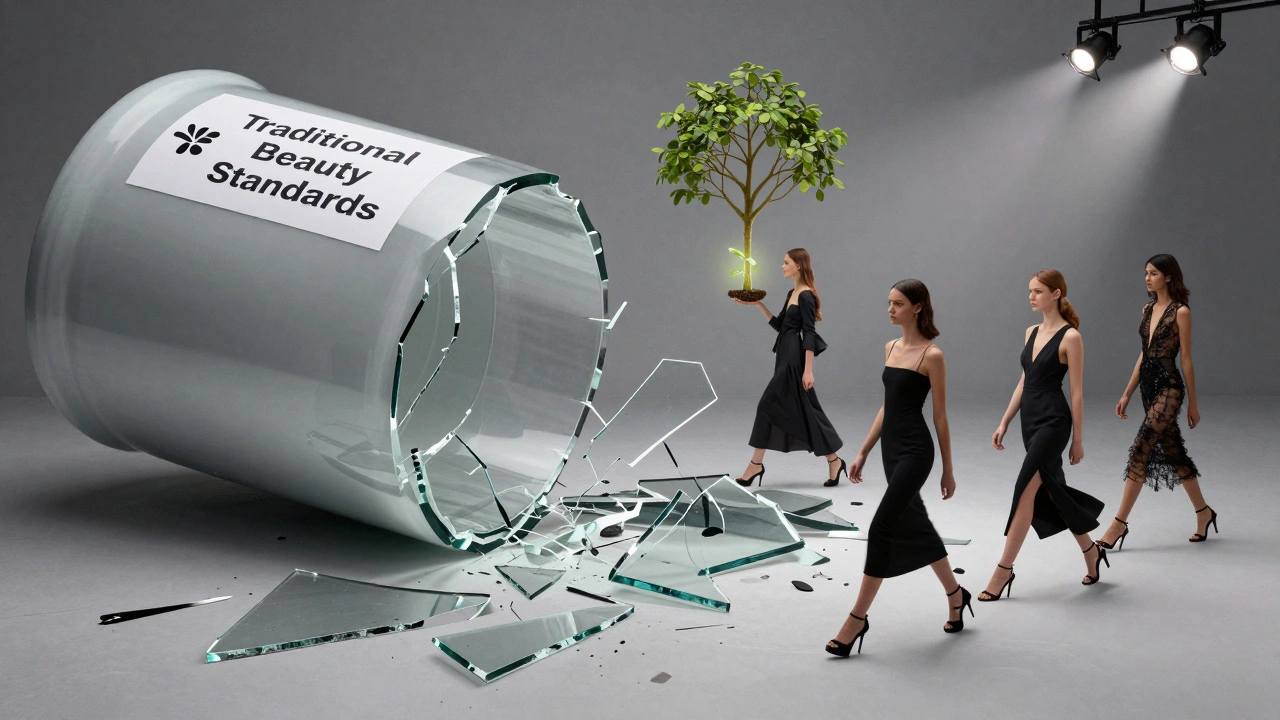
The curvy modeling movement isn’t about fitting into a new mold. It’s about smashing the mold entirely. And the women leading it? They’re not waiting for a seat at the table. They’re building their own table - and inviting everyone else to sit down.
Are curvy models only hired for plus-size brands?
No. While curvy models often start in plus-size fashion, many now work for mainstream brands like H&M, Zara, Calvin Klein, and Revolve. The key shift is that size is no longer a limiting factor - it’s just one part of the model’s look. Brands are realizing that customers want to see themselves in ads, regardless of size.
Do curvy models need to be a certain size to be successful?
There’s no official size requirement. The term ‘curvy’ covers sizes 12 to 24 and beyond, depending on the brand and context. What matters more than the number is proportion, confidence, and how the model carries themselves. Some agencies look for hourglass figures, others for full hips and thighs. The industry is moving away from rigid sizing and toward diversity of shape.
How do curvy models handle body shaming online?
Many use their platforms to respond directly - sharing unedited photos, speaking about mental health, or blocking toxic comments. Some, like Lizzo and Ashley Graham, turn criticism into content, using it to fuel their message of self-love. Support from fans and fellow models also helps. The community has become a powerful buffer against online hate.
Can anyone become a curvy model, or do you need experience?
You don’t need prior experience. Many curvy models were discovered on Instagram or through open casting calls. Agencies like Wilhelmina Plus, Ford Models Plus, and Muse Model Management actively scout non-traditional models. What’s needed is a strong portfolio, confidence in front of the camera, and willingness to learn. Some start with local gigs or small brands before landing bigger jobs.
Is there a difference between ‘plus-size’ and ‘curvy’ modeling?
Yes. ‘Plus-size’ usually refers to clothing sizes 14 and up, often used in retail contexts. ‘Curvy’ describes body shape - typically with defined hips, waist, and bust - regardless of exact size. A size 12 with an hourglass figure might be called curvy but not plus-size. The terms are often used interchangeably, but curvy modeling focuses more on shape and aesthetics, while plus-size focuses on size availability.
January 15, 2026 AT 11:38
Patrick Wan
Let’s be brutally honest: this isn’t about body positivity-it’s about corporate capitalism co-opting rebellion to sell more clothes. The same brands that once refused to cast curvy models now slap them on billboards like a PR bandage while still paying them 30% less and burying them in the ‘plus-size’ section of their websites. They don’t want change-they want optics. And you? You’re just another data point in their engagement algorithm.
The Met Gala gowns? Beautiful. But who funded them? Who approved them? Not you. Not me. Not the 16-year-old girl scrolling through Instagram thinking she’s ‘not curvy enough.’ The system didn’t break-it just learned to wear a new mask. And we’re applauding the mask.
They’ll never let you sit at the table because the table was built on exclusion. They’ll let you build your own table-but only if you do it quietly, politely, and without demanding equity. And when you do? They’ll call you ‘inspiring.’
Real change doesn’t come from hashtags. It comes from boycotts. From lawsuits. From unions. From models walking off sets when they’re paid less. From consumers refusing to buy from brands that use ‘curve-friendly’ as a euphemism for ‘we’re still ashamed of you.’
Stop celebrating aesthetics. Start demanding justice. Because this isn’t about beauty. It’s about power. And power doesn’t give itself away-it’s taken.
January 16, 2026 AT 23:20
Dillon Diaz
Why are we even talking about this? In America we used to value hard work and discipline-not letting people feel good about being lazy or unhealthy. These models are paid to promote obesity. That’s not empowerment. That’s negligence. If you want to be confident, get healthy-not get a camera angle and a hashtag.
And don’t get me started on the ‘no photoshopping’ nonsense. Real men don’t want to see cellulite on their billboards. Real women don’t want their daughters thinking this is normal. This isn’t progress. It’s cultural decay.
January 18, 2026 AT 12:54
David Perz
Interesting how the article mentions Aerie’s 20% sales bump after going unretouched-that’s the real proof point. Consumers aren’t rejecting beauty standards; they’re rejecting lies. The data doesn’t lie: authenticity drives sales, and authenticity means showing real bodies, not CGI illusions.
Also worth noting: the term ‘curvy’ is increasingly being replaced by ‘diverse sizing’ in industry reports. The shift isn’t just aesthetic-it’s logistical. Brands are realizing that size 12 and size 22 aren’t niche markets-they’re core markets. The old model of ‘one size fits all’ (literally) is collapsing under its own weight.
And yes, pay gaps persist. But the rise of independent models like Gabi Gregg-building businesses outside the traditional agency system-is forcing change from the bottom up. That’s the real story: economic autonomy as the ultimate form of resistance.
One thing missing from the piece? The role of international markets. In Brazil, curvy models have dominated advertising for decades. In South Korea, ‘chubby’ is trending. This isn’t just a Western movement-it’s a global redefinition of value.
January 19, 2026 AT 10:52
Nicholas F
Oh, here we go again-the ‘smash the mold’ narrative. Please. The mold exists for a reason: proportion, symmetry, balance. You can’t just declare that ‘anybody’ is a model because they have hips. That’s not diversity-that’s delusion. And don’t even get me started on the ‘you look amazing’ mantra. What if they don’t? What if they’re unhealthy? What if their body is a symptom of systemic neglect? Do we really want to celebrate that?
And the ‘no photoshopping’ crusade? That’s not empowerment-it’s a surrender to mediocrity. We used to strive for excellence. Now we’re told to love our cellulite and call it art. This isn’t progress. It’s the death of standards.
And the worst part? The industry doesn’t care. They’re using this movement as a marketing gimmick to sell more leggings to people who already feel bad about themselves. You think Ashley Graham’s doing this for you? She’s doing it for her brand. For her stock options. For her Netflix deal.
Stop romanticizing rebellion. Real rebellion is discipline. Real beauty is restraint. And real strength? Is refusing to let the culture tell you that mediocrity is enough.
January 19, 2026 AT 22:54
Autumn Grace
Bro, I saw a 70-year-old woman in a size 22 walk the runway at NYFW last week and I cried. Not because she was ‘brave’-because she looked like she owned the damn stage. And guess what? The crowd went wild. No one was thinking about her size. They were thinking about how amazing her dress looked.
Also-‘curve-friendly’? That’s such a weird phrase. Like we’re apologizing for having a body. You wouldn’t say ‘straight-friendly’ for a size 2, right? So why say it for the rest of us?
And yes, some brands are still tokenizing. But guess what? We’re calling them out. And they’re listening. Because we’re not just scrolling-we’re spending. And we’re telling our friends. And we’re buying the damn leggings.
Stop overthinking it. Just support the humans who show up. That’s all.