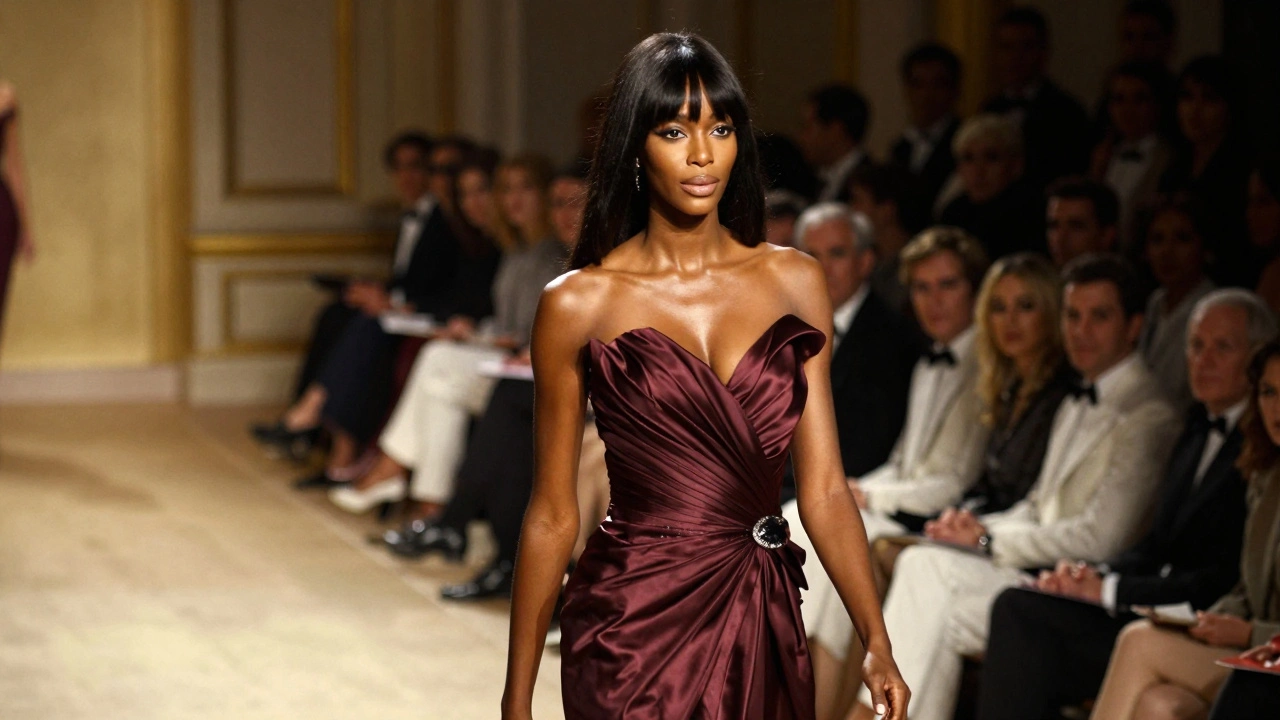
For decades, the fashion world told women there was only one way to be beautiful: tall, thin, and angular. But a handful of women refused to fit that mold-and in doing so, they changed everything. These weren’t just models. They were revolutionaries who walked runways, stared down cameras, and forced industries to see beauty in new ways.
Naomi Campbell: Breaking Barriers in a White Industry
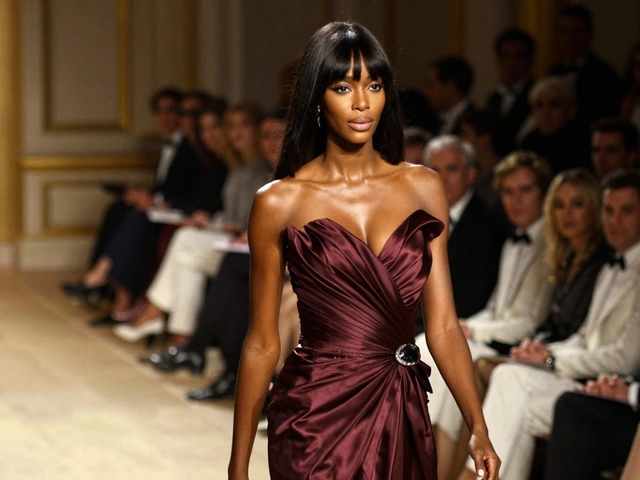
When Naomi Campbell stepped onto the runway in the 1980s, she wasn’t just modeling clothes-she was shattering ceilings. As one of the first Black supermodels to grace the covers of Vogue, Elle, and Harper’s Bazaar, she didn’t wait for permission. She walked into rooms where Black models had been excluded and made them hers. By 1988, she became the first Black woman to appear on the cover of French Vogue. That wasn’t luck. It was strategy. She worked with designers like Jean-Paul Gaultier and Gianni Versace, who saw her power before the industry did. Campbell didn’t just model; she demanded visibility. Her presence forced agencies to stop saying, "We don’t have any Black girls."
Tyra Banks: From Runway to Reality
Tyra Banks didn’t just model-she built a whole new system. In the 90s, she was the first Black woman to appear on the cover of Sports Illustrated Swimsuit Issue and GQ. But her real impact came after the cameras stopped flashing. She created America’s Next Top Model, a show that didn’t just find new faces-it challenged what a model could look like. Contestants came in all sizes, shapes, and skin tones. One season featured a 5’7” model with freckles. Another had a woman with vitiligo. Banks didn’t just say diversity mattered-she made it mandatory. Her show didn’t just launch careers; it rewrote the rulebook.
Emme: Redefining Size and Success
Before "curvy" became a marketing term, Emme was already living it. At 5’9” and a size 12, she was turned away by agencies who said she was "too big." She didn’t quit. She started her own agency. In 1992, she became the first plus-size model to appear on the cover of Sports Illustrated Swimsuit Issue. That cover didn’t just sell magazines-it sold a message: beauty isn’t a size. Emme went on to work with brands like Lane Bryant and Target, proving that women who didn’t fit the sample size could still be the face of global campaigns. She didn’t ask to be included. She built the table herself.

Lila Moss: The New Generation of Natural Beauty
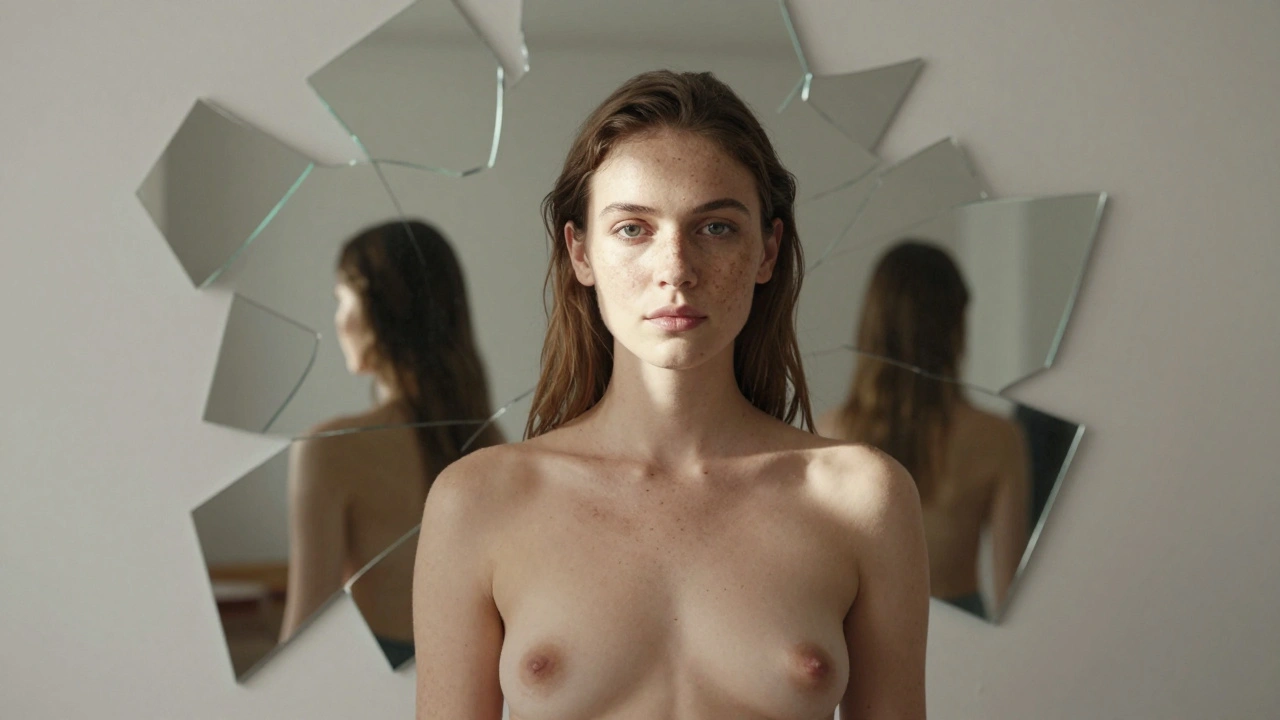
At 18, Lila Moss walked for Chanel and Prada-not because she was perfectly proportioned, but because she was real. Her slight frame, freckled skin, and crooked smile didn’t match the airbrushed ideals of the 2000s. But designers loved her. She didn’t have the same measurements as her mother, Kate Moss, but she had something rarer: authenticity. Brands like Burberry and Marc Jacobs chose her because she looked like a girl you’d meet on the street, not a mannequin. In 2023, she became the face of L’Oréal Paris, a brand that had spent decades selling flawless skin. Lila’s face, with its visible pores and natural texture, became the new standard. No filters. No edits. Just her.
Adwoa Aboah: Beauty as a Platform
Adwoa Aboah didn’t just walk for Balenciaga and Alexander McQueen-she used her platform to talk about mental health, race, and identity. At 23, she launched Gurls Talk, a digital space where young women shared stories about anxiety, body image, and trauma. She modeled in campaigns that showed stretch marks, cellulite, and scars-not as flaws to be hidden, but as part of being human. In 2021, she became the first Black British woman to appear on the cover of British Vogue’s September issue, not as a token, but as the central voice. Her message was simple: beauty isn’t about perfection. It’s about truth.
Why These Women Changed the Game
What these women had in common wasn’t just their looks-it was their refusal to stay silent. They didn’t wait for brands to catch up. They pushed, protested, and sometimes walked out when they weren’t treated fairly. Naomi Campbell sued a magazine for racial discrimination. Tyra Banks created her own media empire. Emme turned rejection into a business. Lila Moss refused to edit her skin. Adwoa Aboah turned modeling into activism.
The fashion industry still has a long way to go. But today’s runways don’t just feature one body type. They include women with disabilities, older women, trans women, and women of every size. That shift didn’t happen because someone had a good idea. It happened because these women refused to be invisible.
What Changed After They Walked
Before these women, models were chosen for one reason: to make clothes look good on a body that didn’t exist in real life. Now, brands know that real women buy their products. In 2024, 68% of fashion campaigns featured models who were not size 0-2, according to a report by the Fashion Spot. That’s up from 17% in 2015. Plus-size collections are no longer niche-they’re essential. Brands like Savage X Fenty and Aerie don’t just feature diverse models; they hire them as creative directors.
Even the definition of "high fashion" has shifted. Designers like Virgil Abloh and Maria Grazia Chiuri now cast models who look like their customers-not their fantasy. Runway shows in Paris and Milan now include women over 50, women with vitiligo, and women who use wheelchairs. That’s not trend-following. That’s legacy.
Who’s Next?
The next wave of change isn’t coming from a top agency. It’s coming from Instagram, TikTok, and small-town girls who post their photos without filters. A 17-year-old in Ohio with acne and a shaved head just landed a campaign with H&M. A 42-year-old mother of three in Mexico City is now the face of a luxury skincare brand. They didn’t wait for permission. They just showed up.
Beauty standards aren’t set by magazines anymore. They’re set by people who refuse to look away.
Who was the first plus-size model to appear on the cover of Sports Illustrated Swimsuit Issue?
Emme was the first plus-size model to appear on the cover of Sports Illustrated Swimsuit Issue in 1992. Her appearance challenged the industry’s narrow definition of beauty and opened doors for models of all sizes in mainstream fashion.
How did Tyra Banks change the modeling industry?
Tyra Banks changed the modeling industry by creating America’s Next Top Model, a reality show that prioritized diversity in body type, skin tone, and background. She didn’t just cast models-she created a platform that taught the world that beauty isn’t one-size-fits-all. Her influence led to more inclusive casting across fashion brands and magazines.
Why is Lila Moss considered a new standard in beauty?
Lila Moss is considered a new standard because she represents natural, unedited beauty. With her freckles, slight frame, and unretouched skin, she challenged the industry’s obsession with flawless airbrushing. Her campaigns for L’Oréal Paris and other major brands showed that real skin is more powerful than perfect skin.
What role did Naomi Campbell play in breaking racial barriers in modeling?
Naomi Campbell broke racial barriers by becoming one of the first Black supermodels to appear on the covers of major fashion magazines like Vogue and Harper’s Bazaar. She worked with top designers, sued for racial discrimination, and refused to be sidelined. Her success forced agencies and brands to stop excluding Black models.
How has the fashion industry changed since these models rose to fame?
Since these models rose to fame, the fashion industry has moved from homogenous casting to inclusive representation. In 2024, nearly 70% of fashion campaigns featured models outside the traditional size 0-2 range. Brands now hire models with disabilities, diverse skin tones, and different ages. The shift wasn’t gradual-it was driven by the relentless pressure of women who refused to be invisible.

December 29, 2025 AT 21:08
gangadhar balina
The entire premise of this article is a Western-centric delusion. In India, beauty has always been defined by curves, dark skin, and traditional adornments-no runway needed. These so-called revolutionaries merely exploited a trend that was already dead in the East. The fashion industry doesn’t change-it just rebrands colonial aesthetics with new labels. Emme? Tyra? They were exceptions, not revolutions. The real revolution is still waiting for non-Western voices to be heard without being tokenized.
December 31, 2025 AT 00:11
Michelle Yu
Okay but can we talk about how Lila Moss is basically the anti-Kate Moss? Like, Kate was all edgy and thin and mysterious, and Lila’s just… a girl who didn’t shave her armpits and still got a L’Oréal deal? Wild. Also, her freckles are literally my aesthetic now. I’m not even kidding. I’ve started leaving mine visible on purpose. #NoFilterLife
December 31, 2025 AT 21:02
Dustin Lauck
Let’s not romanticize this. These women didn’t change beauty standards-they exploited a vacuum created by a dying industry’s desperation. The fashion world didn’t wake up to diversity; it panicked as Gen Z stopped buying. The rise of Emme, Adwoa, and Lila wasn’t altruism-it was capitalism adapting to market collapse. The real question isn’t who changed beauty-it’s who profited from the illusion of change. And the answer? The same corporations that once told women they were ugly for being too big, too brown, too real.
January 1, 2026 AT 18:48
sarah young
i just want to say that tyra banks was a total boss. like, she didn’t wait for anyone to give her a seat at the table-she built the whole damn restaurant. and america’s next top model? that show saved so many girls who thought they were too weird to be models. i still remember that one girl with the vitiligo-she looked like a painting. so proud of her. also, i think we need more shows like that for older women. like, 50+ models. plz?
January 2, 2026 AT 06:42
John Bothman
It’s fascinating how the narrative of ‘revolution’ is constructed post-hoc to serve corporate narratives. The industry didn’t evolve-it commodified resistance. Naomi Campbell’s lawsuit? Celebrated as heroism. But when a Black model today demands equal pay, she’s labeled ‘difficult.’ The same brands that plaster Adwoa’s face on billboards still cast her in campaigns that center trauma as aesthetic. This isn’t progress-it’s aestheticized oppression with better PR. Real change would mean ceding control, not just adding diversity to the cast list.
January 2, 2026 AT 07:51
mike morgan
Let me be perfectly clear: this article is a disgrace to Western civilization. These women did not ‘redefine beauty’-they hijacked it. The fashion industry was built on elegance, discipline, and proportion. Now? We have women with cellulite on magazine covers, models with disabilities being wheeled down runways like props, and teenagers with acne selling perfume. This is not progress. This is cultural surrender. The West used to set standards. Now it begs for validation from TikTok influencers who think ‘authenticity’ means never washing their hair. I miss the days when beauty meant grace-not a pity party for the unpolished.
January 2, 2026 AT 15:05
Beth Wylde
I just want to sit with this for a second. These women didn’t just break barriers-they carried the weight of entire systems on their backs. And still, they showed up. Emme didn’t just get a cover-she turned rejection into a movement. Adwoa didn’t just talk about mental health-she made it safe for girls to say they’re not okay. And Lila? She didn’t need to be perfect to be powerful. I think about how many young girls saw them and thought, ‘Maybe I belong here too.’ That’s not just fashion. That’s healing.
January 2, 2026 AT 15:45
Ellen Smith
There is a grammatical error in the third paragraph: 'She didn't just model-she built...' should be 'She didn't just model-she built...' (em dash, not hyphen). Also, the phrase 'she made it mandatory' is vague and imprecise. Mandatory for whom? The industry? The readers? The tone is overly sentimental and lacks analytical rigor. This reads like a press release, not journalism.
January 3, 2026 AT 18:58
Bruce Shortz
Honestly? I didn’t even know half of these women until this post. But now I’m gonna go watch old clips of Naomi on the runway. And Emme on SI? That cover was iconic. I’m not saying the industry’s perfect now-but yeah, seeing someone who looks like my sister on a billboard? That matters. You don’t need a PhD to get that.