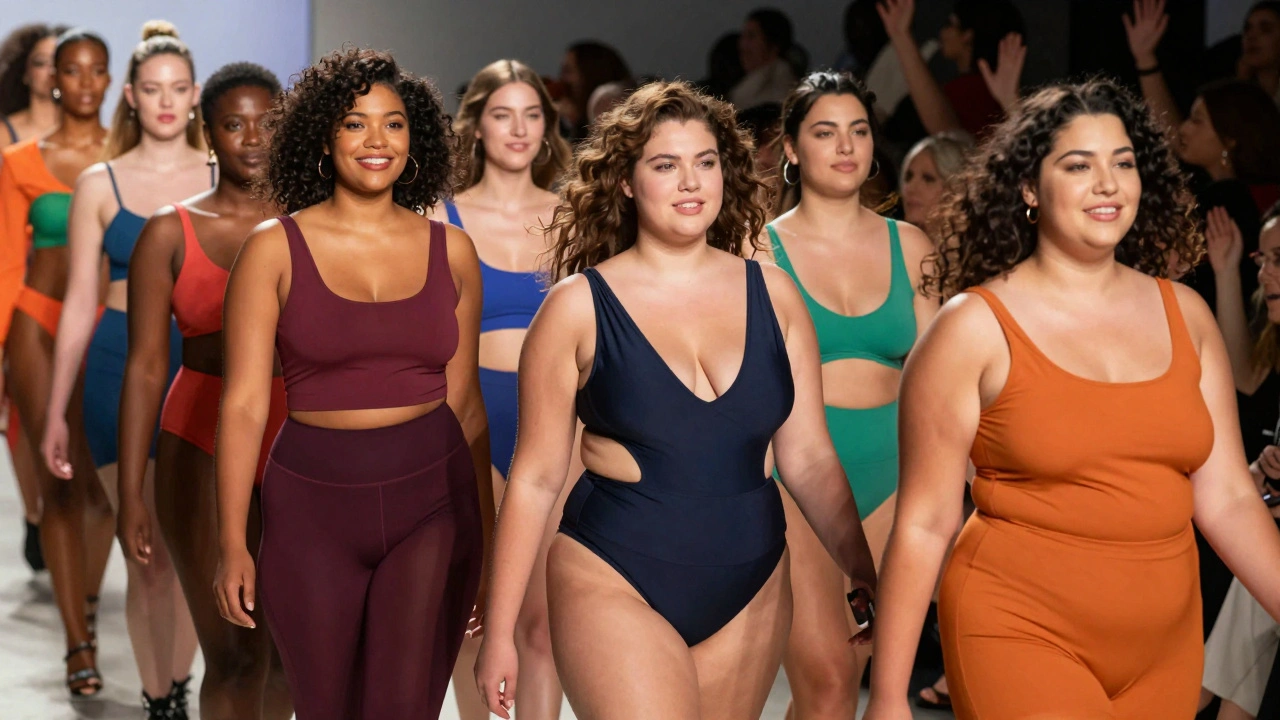
Curvy models aren’t just a trend-they’re a revolution. For decades, fashion ran on one narrow standard: tall, thin, and angular. But today, that’s changing. Women with curves-real, natural, diverse curves-are walking runways, starring in campaigns, and reshaping what beauty means. This isn’t about fitting into a new mold. It’s about breaking the old one.
What Changed? The Rise of Real Bodies
Back in 2015, only 5% of models in major fashion campaigns were size 12 or above. By 2023, that number jumped to 34%, according to the Fashion Spot’s annual diversity report. Why? Because consumers demanded it. Instagram didn’t just give us filters-it gave us a voice. Women started posting unedited photos, tagging brands, and saying: ‘This is me. Why aren’t you showing people like me?’
Brands that listened saw results. Savage X Fenty, founded by Rihanna, made curves central from day one. Their 2022 show featured models sizes 0 to 24. Sales jumped 47% that year. Aerie, the lingerie brand, went makeup-free and size-inclusive in 2014. Within three years, their sales doubled. This isn’t charity. It’s smart business.
Who Are the Curvy Models Leading the Charge?
It’s not just one person. It’s a wave. Ashley Graham, who walked for Victoria’s Secret in 2016, became the first plus-size model on the cover of Sports Illustrated Swimsuit Issue in 2017. She’s now a global ambassador and producer. Tess Holliday, with her bold social media presence, challenged beauty norms long before brands caught on. Her Instagram posts-raw, unfiltered, joyful-have over 3 million followers.
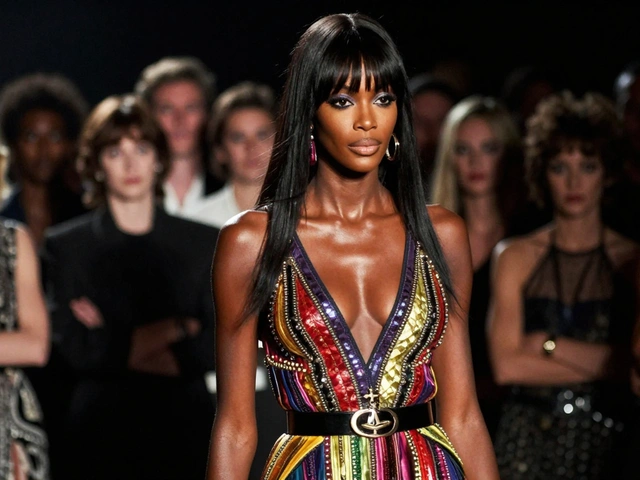
Then there’s Paloma Elsesser, who’s walked for Chanel and Marc Jacobs. She doesn’t fit into one category-she’s curvy, Black, and unapologetic. Her presence on runways isn’t tokenism; it’s normalization. And in the UK, models like Nadia Dyer and Iskra Lawrence have pushed for change from London Fashion Week to mainstream magazines like Vogue and Elle.
These women didn’t wait for permission. They built platforms, started brands, and hired photographers who saw them as more than a size.
The Industry Still Has Gaps
Progress isn’t perfect. Big fashion houses still rely heavily on thin models for haute couture. Runway shows in Paris and Milan still feature mostly sample-size models. But even there, cracks are forming. In 2024, Balenciaga cast a size 16 model in their main campaign. Burberry included a size 18 model in their spring collection. These aren’t one-offs-they’re signals.
But the real gap isn’t on the runway. It’s in the middle. Brands still treat curvy sizes as an ‘add-on.’ They’ll make a 12-pack of jeans, but only offer five colors. Or they’ll feature a curvy model in an ad, but only sell the outfit in sizes 0 to 10. That’s not inclusion. That’s marketing.
And let’s not forget the pay gap. Curvy models earn, on average, 23% less than their straight-size counterparts, according to a 2024 survey by Model Alliance. The same work. The same hours. Different pay. That’s systemic, not accidental.
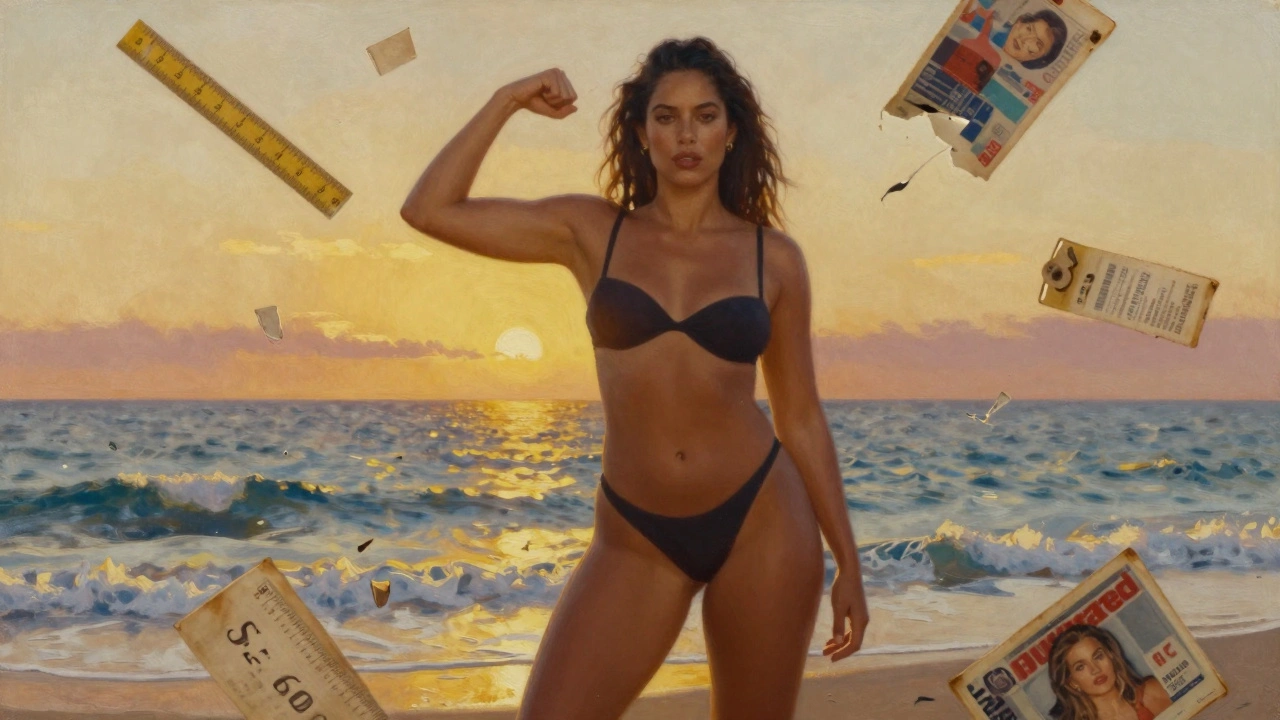
What Does Inclusion Actually Look Like?
True inclusion isn’t about adding one curvy model to a campaign. It’s about redesigning the system.
- Size ranges: Brands need to offer full size ranges-0 to 28 or beyond-not just ‘plus’ as a separate line.
- Fit testing: Clothes must be tested on real bodies, not just mannequins sized to a 6.
- Representation: Curvy models should appear in beauty, sportswear, and professional wear-not just lingerie or ‘curvy’ collections.
- Media: Magazines and ads need to stop using stretch, lighting tricks, or digital editing to ‘fix’ curves.
Some brands are getting it right. Universal Standard makes clothes up to size 40 and offers free returns. They don’t call it ‘plus.’ They call it ‘sizes.’
Why This Matters Beyond Fashion
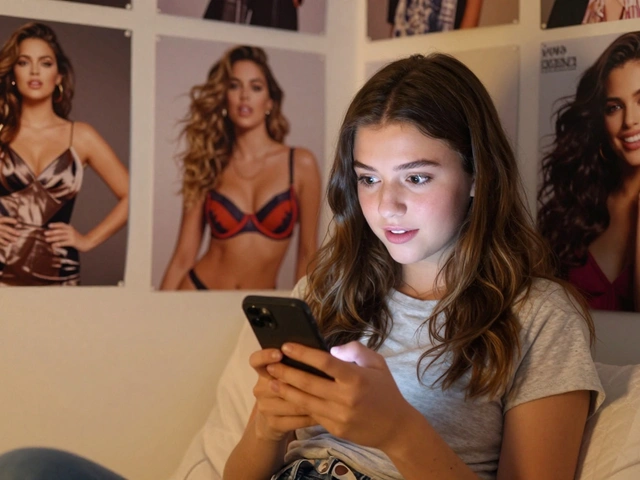
This isn’t just about clothes. It’s about how we see ourselves. A 2023 study from the University of London found that girls aged 12 to 17 who saw diverse body types in media were 40% less likely to report body dissatisfaction. That’s huge. When you see someone who looks like you on a billboard, in a magazine, or on TV, you start to believe you belong.
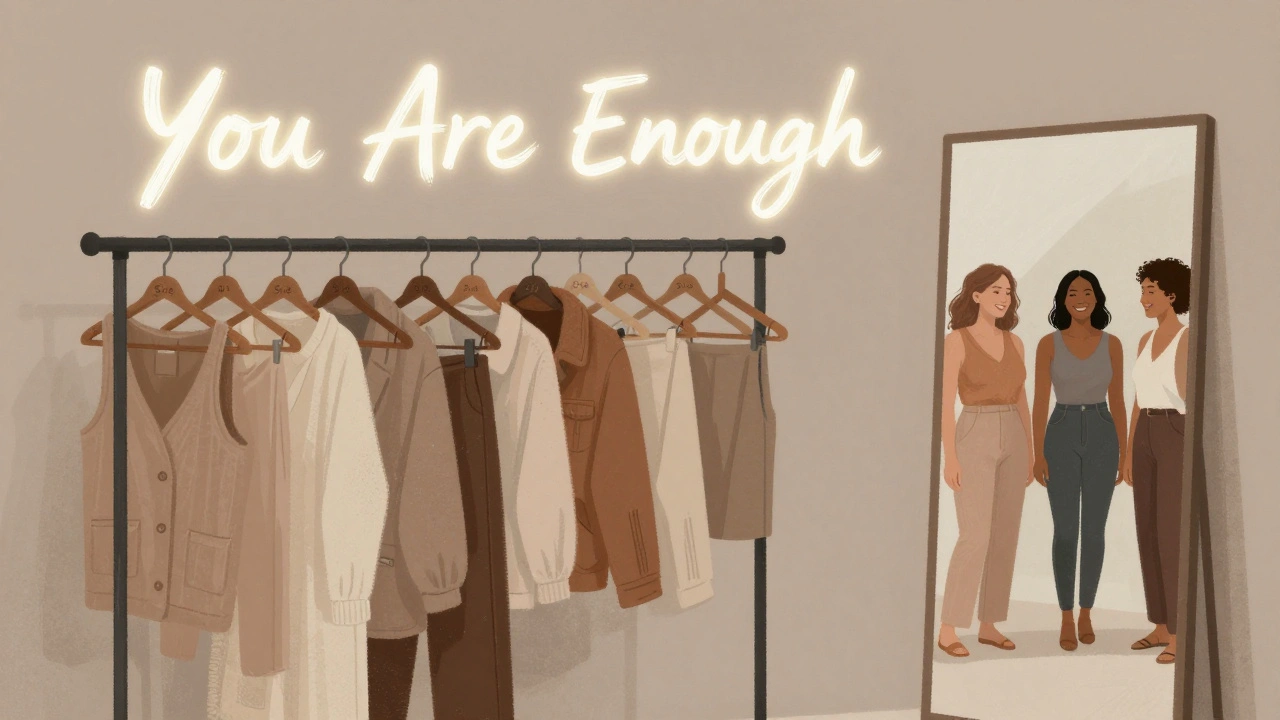
For years, young women were told their bodies were problems to fix. Now, they’re being told: ‘You are enough.’ That shift is powerful. It changes how they eat, how they move, how they speak to themselves.
And it’s not just women. Men are starting to see body diversity too. Broader male models, men with visible body hair, men who don’t fit the ‘gym bro’ mold-they’re appearing in ads for underwear, skincare, and even tech. The movement is expanding.
How to Support the Movement
You don’t need to be a model to be part of this. Here’s how you can help:
- Follow curvy models: Like, comment, share. Algorithms reward engagement. More visibility = more opportunities.
- Buy from inclusive brands: Support companies that offer real size ranges and pay fair wages.
- Call out tokenism: If a brand uses one curvy model in a sea of thin ones, say so. Tag them. Ask why they didn’t cast more.
- Don’t praise ‘transformation’ stories: Comments like ‘She lost weight and now she’s beautiful’ reinforce the idea that curves aren’t beautiful as-is.
- Share unedited photos: Post your own body-no filters, no angles. Normalize the real.
What’s Next?
The next step? Representation in every category. Curvy models in tech ads. In medical campaigns. In car commercials. In children’s books. When we stop boxing beauty into one shape, we all win.
It’s not about replacing one standard with another. It’s about ending the idea that there’s only one.
The curvy model movement isn’t about being ‘plus.’ It’s about being human.
Are curvy models only in lingerie and swimwear?
No. While curvy models were once limited to lingerie and swimwear, that’s changing fast. Today, you’ll find them in high-fashion campaigns for Gucci, in tech ads for Apple, in fitness gear for Lululemon, and in professional wear for J.Crew. The push is to normalize their presence across all categories-not just the ones deemed ‘appropriate’ for larger bodies.
Do curvy models face discrimination in the industry?
Yes. Curvy models often earn less, get fewer bookings, and are excluded from major runway shows-even when they have the same experience and portfolio as thinner models. Some agencies still refuse to sign models above size 12. And even when hired, they’re sometimes asked to lose weight before a shoot. These aren’t rare cases-they’re systemic issues.
Is the curvy model movement only for women?
No. While the movement started with women, it’s expanding. Male models with broader builds, visible body hair, and non-athletic physiques are gaining visibility in campaigns for brands like Calvin Klein and H&M. The core idea-diversity of body types-isn’t gender-specific. It’s human.
How do I find brands that support curvy models?
Look for brands that offer extended size ranges (0-28 or higher), show real bodies in ads without editing, and feature multiple body types in their campaigns. Brands like Universal Standard, Girlfriend Collective, Savage X Fenty, and Aerie are known for this. You can also search hashtags like #SizeInclusiveFashion or #CurvyModelMovement on Instagram to see who’s being supported by real customers.
Can someone become a curvy model without professional experience?
Absolutely. Many curvy models started with social media. Instagram, TikTok, and YouTube have become launching pads. Agencies now scout talent online. If you have confidence, consistency, and authenticity, you don’t need a traditional portfolio. Start posting, engage with inclusive brands, and reach out to photographers who specialize in body-positive work. Your voice matters as much as your look.

December 9, 2025 AT 12:44
Alan Espinoza
Let’s be real - this movement isn’t about ‘plus-size’ models. It’s about corporations finally realizing that fat people have wallets and don’t care about your aesthetic purism. They’re not ‘breaking molds’ - they’re exposing how the fashion industry was built on lies, exploitation, and a pathological fear of cellulite. And now? The same brands that once photoshopped thighs into oblivion are slapping ‘body positivity’ on their TikTok ads like it’s a new flavor of kombucha. I’m not mad. I’m just… disappointed it took this long. And yes, I bought the damn Savage X Fenty set. Twice.
December 10, 2025 AT 14:01
Homer Simpson
I’ve got a 14-year-old niece who used to hide in her room during family beach trips. Last summer? She wore a one-piece, posted a selfie with her dog, and said, ‘This is me.’ No filter. No apology. That’s the real win here. Not the runway. Not the campaign. It’s the quiet moment when a kid stops believing their body is a mistake. Keep showing up. Keep buying the clothes. Keep calling out the BS. It’s working.
December 12, 2025 AT 01:53
Ed Malaker
It’s just common sense. If you sell clothes, you should make them fit more than one body type. Simple. No drama. No hashtags. Just… make the damn pants. And pay people the same for doing the same job. That’s not radical. That’s basic fairness.
December 13, 2025 AT 11:10
Cliff Levert
Wait - let me get this straight: you’re saying that ‘curvy’ is now the new ‘ideal’? So now we’re just replacing one tyrannical standard with another? What if I don’t want to be ‘curvy’? What if I’m thin, but I have stretch marks? What if I’m hairy? What if I’m 6’4” and weigh 110 lbs? Am I invisible now? Who decided that ‘curvy’ was the new acceptable norm? Was there a vote? A referendum? A committee of Instagram influencers with 500K followers? Because if not - then this isn’t liberation. It’s just a different kind of cage. And I’m not climbing in.
December 15, 2025 AT 00:49
Chris Hogan
Look - this isn’t about ‘inclusion.’ This is about performative capitalism masquerading as social justice. Brands are using curvy models as a Trojan horse to sell more product while doing zero structural reform. The pay gap? Still there. The runway exclusion? Still there. The ‘plus’ line? Still segregated, still inferior, still priced 20% higher. This isn’t empowerment - it’s exploitation with a rainbow filter. And don’t even get me started on how they tokenize Black curvy bodies while ignoring fat Black men. This movement? It’s a commodity. And we’re all just the product.
December 16, 2025 AT 00:46
Michael Thompson
My dad used to say, ‘If you can’t fit it, don’t make it.’ He ran a small tailoring shop for 40 years. Never turned anyone away. Never charged extra for ‘plus sizes.’ Just made clothes that fit. That’s all this is. Fit. Respect. No drama. No virtue signaling. Just make the damn thing. And if you’re reading this and you’re a brand? Stop selling ‘curvy’ as a category. Just sell clothes. People are tired of being marketed to like they’re broken. We’re not. We’re just here. And we’ve been here all along. 🙌