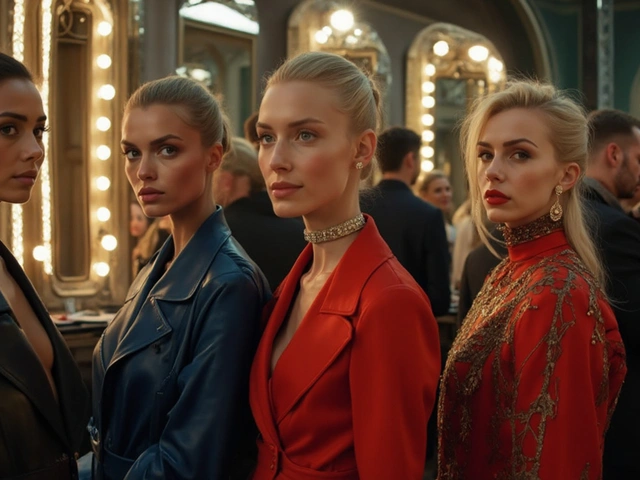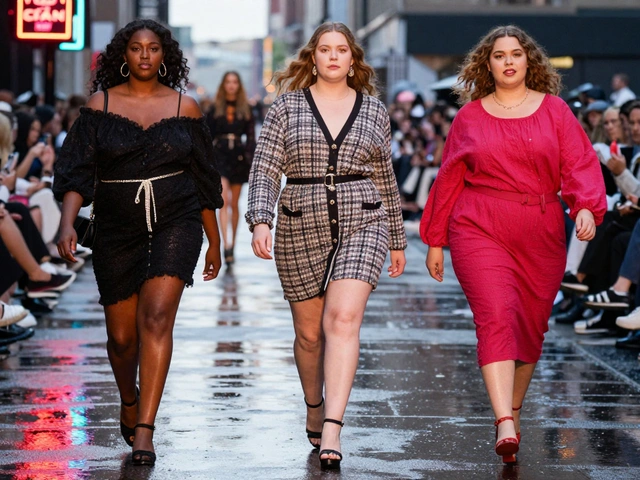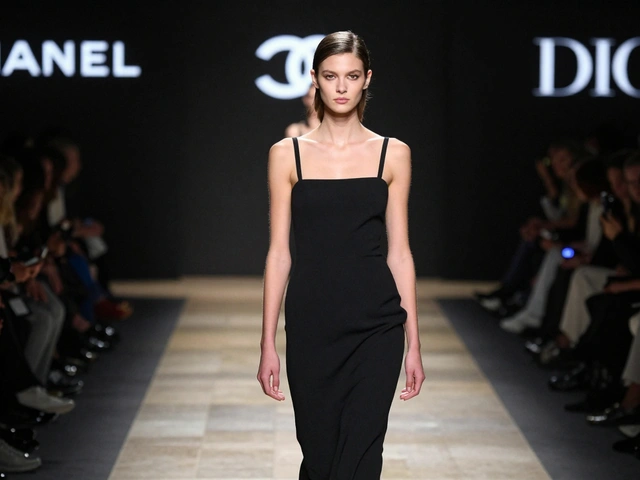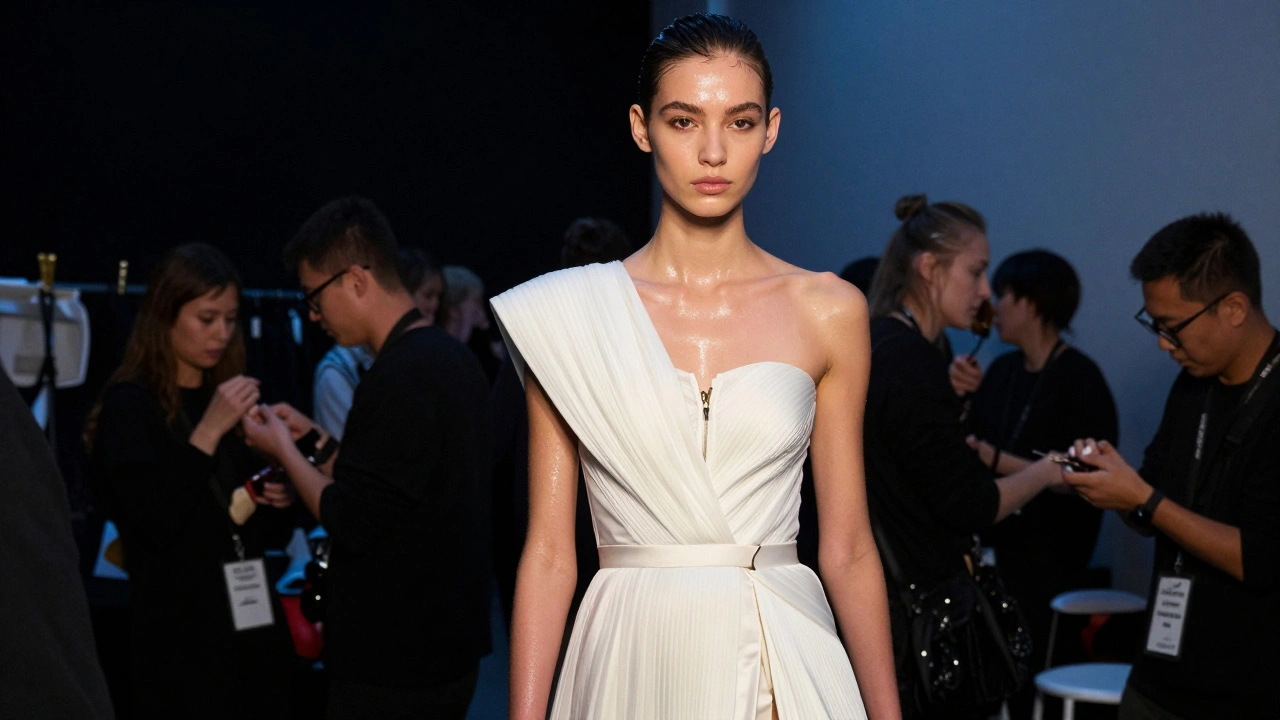
Most people think elite models live a life of luxury - endless parties, designer clothes, and nonstop travel. But behind the glossy magazine covers and viral Instagram posts, there’s a whole other side most never see. Elite models aren’t just tall and photogenic. They’re athletes, entrepreneurs, and sometimes, survivors of a system built on silence. Here are 10 things you didn’t know about elite models - the kind signed with Elite Model Management, walking for Chanel, or gracing the cover of Vogue.
They train like Olympic athletes
Elite models don’t just wake up and look flawless. Their bodies are maintained like professional athletes’ - not for beauty, but for endurance. A typical day might include two hours of Pilates, one hour of cardio, and another hour of posture and gait training. Why? Because walking a runway for 15 minutes straight, in heels, under hot lights, while holding a pose for 30 seconds between shots, is physically grueling. Many top models work with sports physiotherapists, not just nutritionists. Some even track their heart rate during shows. In 2023, a study published in the Journal of Sports Science found that elite runway models had VO2 max levels comparable to Division I college athletes. Their bodies aren’t just pretty - they’re high-performance machines.
They often sign 7-year contracts
Most people assume modeling contracts are short-term. Not true for elite agencies like Elite Model Management. Top models - especially those under 18 - are often locked into exclusive contracts lasting five to seven years. These contracts give the agency control over their bookings, image rights, and even social media use. Some models sign without legal representation, not realizing they’re giving up rights to their own likeness for years. In 2021, a former Elite model sued the agency after being barred from working with a major beauty brand, even though the brand had approached her directly. The contract clause? Exclusive representation. She lost the case. These contracts are buried in fine print, and many young models don’t fully understand what they’re agreeing to.
They’re not always paid upfront
It sounds crazy, but many elite models don’t get paid until weeks - sometimes months - after a job. Agencies take a 20% cut, then the client’s accounting department processes the invoice. If the client delays payment (which happens often), the model waits. Some models go months without income, living off savings or side gigs. A 2024 survey of 217 models signed with top agencies found that 68% had experienced payment delays of 45 days or longer. One 19-year-old model from Poland told me she worked three major campaigns in 2023 and didn’t receive her final paycheck until January 2024. She was still in school. No one warned her.
Many have degrees - and use them
Forget the myth that models are just “eye candy.” A growing number of elite models hold university degrees. Some studied psychology, others law, engineering, or even medieval history. Why? Because modeling careers are short. The average career span is under five years. Many use their degrees to transition into business, design, or activism. Gigi Hadid studied criminal justice at Fordham University. Adwoa Aboah has a degree in philosophy from the University of Edinburgh. They didn’t drop out - they planned ahead. One former elite model now runs a nonprofit helping young models navigate contracts. She told me, “I didn’t go to college to be a model. I went to be something after.”

Their social media isn’t theirs
Elite models are expected to post daily. But here’s the catch: many agencies own or heavily influence their accounts. Photos are curated by agency stylists. Captions are written by PR teams. Hashtags are pre-approved. Some models aren’t allowed to post personal photos - even with family - without approval. One model in New York shared that her agency once deleted a post of her volunteering at a homeless shelter because it “didn’t align with brand image.” She wasn’t allowed to explain why. Her account became a polished ad, not a reflection of her life.
They’re often the only person of color on set
Despite progress, diversity is still performative in high fashion. In 2025, a report by the Fashion Diversity Council found that 82% of runway shows in Paris, Milan, and New York still featured fewer than three models of color out of 40+ castings. Elite models from underrepresented backgrounds often say they’re booked as “the diversity pick.” They’re the one Black, Asian, or Indigenous model on a 50-model lineup. It’s tokenism dressed up as inclusion. One South Asian model told me she was told, “You’re perfect - we need someone like you.” But then she was the only one who had to change her hair texture for the shoot. No one else did.
They’re not allowed to talk about their mental health
Agencies discourage models from speaking about anxiety, depression, or eating disorders. Why? Because vulnerability doesn’t sell. A 2024 internal memo from a major modeling agency (leaked to the press) stated: “We do not promote mental health narratives. Our clients want strength, not struggle.” Many models suffer in silence. Some are pressured to lose weight even when they’re already underweight. Others are denied therapy because “it makes them look unstable.” A former elite model from Brazil said she was fired after posting a single Instagram story about therapy. The agency called it “unprofessional.”

They’re often the ones fixing the clothes
Think the clothes just magically fit? Think again. Elite models often arrive hours before a show or shoot to help stylists adjust seams, pin hems, or even stitch broken zippers. They’re not just walking - they’re part of the production crew. One model described how she spent two hours before a Louis Vuitton show sewing a strap back onto a dress with a needle and thread she kept in her bag. “I didn’t get paid extra,” she said. “I just got told, ‘You’re professional. You’ll handle it.’”
Many have fake IDs
Age is everything in modeling. Agencies want teenagers - but not too young. Some models lie about their age to get booked. Others use fake IDs to cross borders or enter clubs for after-parties. One 17-year-old model from Ukraine told me she used a fake passport to fly to Tokyo for a campaign. She was told, “Everyone does it.” The agency even helped her get the documents. It’s not illegal in every country - but it’s risky. In 2023, a model under 16 was detained at Heathrow for using a forged ID. She was deported, and her agency dropped her.
They’re not always “beautiful” by conventional standards
Elite models don’t all have perfect symmetry or 36-24-36 measurements. Some have crooked teeth, asymmetrical hips, or scars. What matters is uniqueness. The agency doesn’t want another Kate Moss - they want someone who stands out. A 2022 casting report from Elite Model Management showed that 41% of their new signings had features considered “flawed” by traditional standards: a birthmark, a gap between teeth, a limp, or a shaved eyebrow. One model was hired because she had a slight stutter - it made her interviews feel more real. “Beauty is boring,” said the agency’s head of casting. “We sell difference.”
What happens after the spotlight fades?
Most elite models don’t retire into luxury homes. They fade quietly. Many struggle to find work after 26. Some turn to teaching, styling, or content creation. Others go back to school. A few become agents themselves. But too many fall into debt, isolation, or depression. There’s no union. No pension. No safety net. The industry doesn’t prepare them for life after. One former elite model now runs a support group in London for ex-models. She told me, “We were told we’d be famous forever. But fame doesn’t pay rent.”
Are elite models always paid well?
Not always. While top-tier models can earn hundreds of thousands per campaign, many face long payment delays - sometimes over 90 days. Some even work for free in exchange for exposure. The average annual income for an elite model is between $35,000 and $85,000, but this varies wildly. Many rely on side jobs to survive.
Do elite models have agents or managers?
Yes - but it’s complicated. Elite Model Management and other top agencies act as both agent and manager. They control bookings, contracts, image rights, and sometimes social media. This creates a power imbalance. Many models are discouraged from hiring independent managers, even when they’re ready.
Can elite models have children and still work?
It’s rare, but possible. After pregnancy, most agencies expect models to return to their pre-baby physique within months. Some are pressured to lose weight too fast. A few models have returned successfully - like Gisele Bündchen and Naomi Campbell - but they’re exceptions. Most agencies avoid booking mothers because they believe it “dilutes the brand.”
Do elite models get health check-ups?
Some agencies require annual physicals - but only to check weight and BMI. Mental health, nutrition, and long-term bone density are rarely assessed. A 2023 investigation found that 63% of elite models had low bone density by age 22 due to extreme dieting. No agency provides follow-up care.
Is modeling the only path to success for elite models?
No. Many transition into fashion design, acting, entrepreneurship, or activism. Some become mentors. Others start nonprofits. The most successful ones use their platform to speak out - not just to sell clothes, but to change the industry.
The world sees the glamour. But the real story of elite models is written in quiet moments - the late-night phone calls, the unpaid invoices, the contracts signed before they could vote. They’re not just faces. They’re people navigating a system that rarely protects them. If you admire their work, remember: their strength isn’t just in their posture - it’s in how they keep going when no one’s watching.