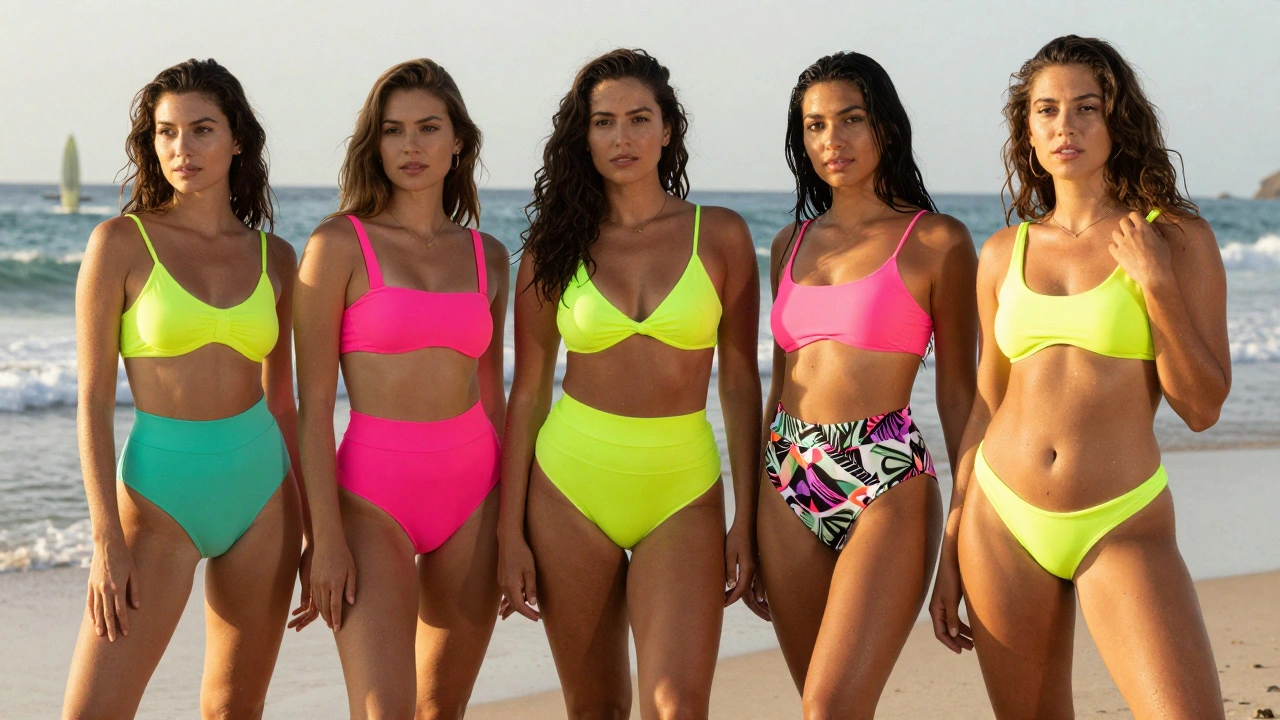
Swimwear isn’t just about covering up anymore. In 2024, it’s a statement - and bikini models are the ones making the rules. Forget the one-size-fits-all designs from a decade ago. Today’s swimwear is shaped by real bodies, real confidence, and real voices - and most of that comes from the women who wear these suits on beaches, runways, and Instagram feeds.
What’s Changing in Swimwear Design?
Look at any major swimwear brand right now - whether it’s Savage X Fenty, Aerie, or even luxury labels like Zimmermann - and you’ll see the same patterns. High-cut legs, adjustable straps, ruched sides, and bold cutouts aren’t just trends. They’re responses to what bikini models are asking for. Brands used to design for a narrow ideal: small waist, long legs, flat stomach. Now, they’re designing for movement, comfort, and versatility.
Take the rise of the high-waisted bikini. It’s everywhere. Why? Because models with curvier hips and fuller thighs have been wearing them for years, proving they offer both support and style. Brands noticed. Sales data from Lyst shows a 78% increase in high-waisted bikini searches in 2023 compared to 2022. That’s not a coincidence. It’s a direct result of models posting unedited photos on Instagram, showing how these suits actually look on real bodies.
The Body Positivity Shift
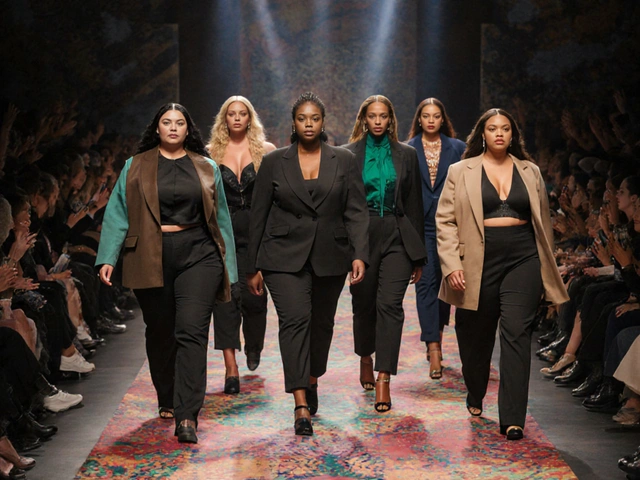
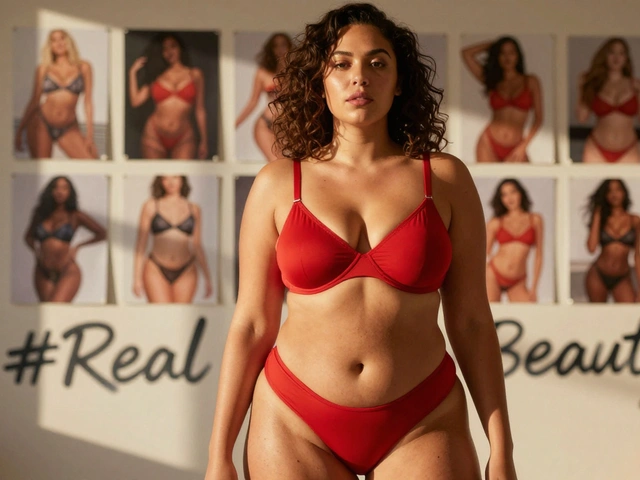
In 2020, body positivity was a buzzword. In 2024, it’s the industry standard. Bikini models no longer need to be size 2 to land campaigns. Look at models like Paloma Elsesser, Ashley Graham, and Tess Holliday - they’re not just featured in swimwear ads, they’re the faces of entire collections. Their influence has forced brands to expand size ranges. Savage X Fenty now offers swimwear up to size 40. Aerie’s swim line includes 12 different cup sizes. These aren’t token gestures. They’re business decisions backed by data.
And it’s not just about size. Texture, skin tone, scars, stretch marks - all of it matters now. Models like Paloma and Tess don’t airbrush their photos. They show cellulite. They show stretch marks. And their followers love it. A 2023 study by the University of Oxford found that 68% of women aged 18-35 felt more confident buying swimwear after seeing models who looked like them. That’s a market shift. Brands that ignore it are losing sales.
The Rise of Functional Fashion
Swimwear isn’t just for lounging anymore. Bikini models are active. They surf. They hike. They do yoga on the beach. So swimwear has to keep up. Look at the new generation of suits: UPF 50+ fabric, built-in shelf bras, moisture-wicking linings, and chlorine-resistant materials. These aren’t marketing fluff. They’re features models demanded after years of dealing with suits that rode up, sagged, or faded after one season.
Brands like Lululemon and Girlfriend Collective - once focused on activewear - now have swim lines because bikini models told them they needed performance fabric in the water. One model from Bali, who posts daily surf videos, told a fashion magazine: "I’ve worn a dozen suits that fell apart in saltwater. Now I wear one that lasts. That’s what I want to see more of."
Color, Pattern, and Bold Choices
Neutrals are out. Brights are in. Neon greens, electric blues, and fiery oranges dominate 2024 swimwear collections. Why? Because bikini models are using color to express identity. A model in Rio posted a photo wearing a neon yellow two-piece with the caption: "I don’t blend in. I own the beach." The post went viral. Within weeks, five major brands launched similar colors.
Patterns are changing too. Abstract shapes, asymmetrical prints, and hand-painted designs are replacing basic polka dots and stripes. Brands are collaborating with artists and tattooed models to create limited-edition prints. One brand, Vida, partnered with a tattoo artist from Melbourne to design a suit inspired by traditional Polynesian ink. It sold out in 48 hours.
Technology Meets Tradition
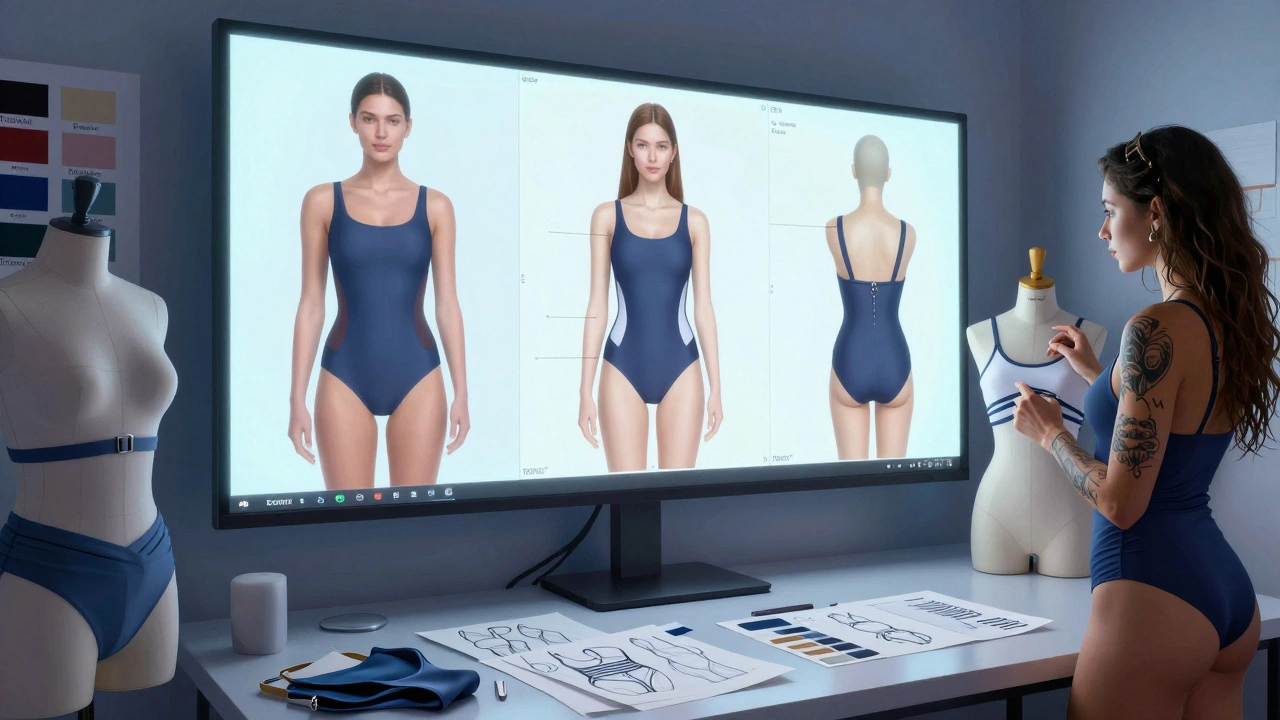
It’s not just about fabric anymore. Bikini models are using tech to shape fit. 3D body scanning is now common in design studios. Brands like Swimwear Studio use scans from real models to create digital prototypes. This means fewer returns, better fit, and less waste. One model in Miami, who’s worked with three major brands, said: "I used to send in measurements. Now I get scanned. My suit fits like it was made for me - because it was."
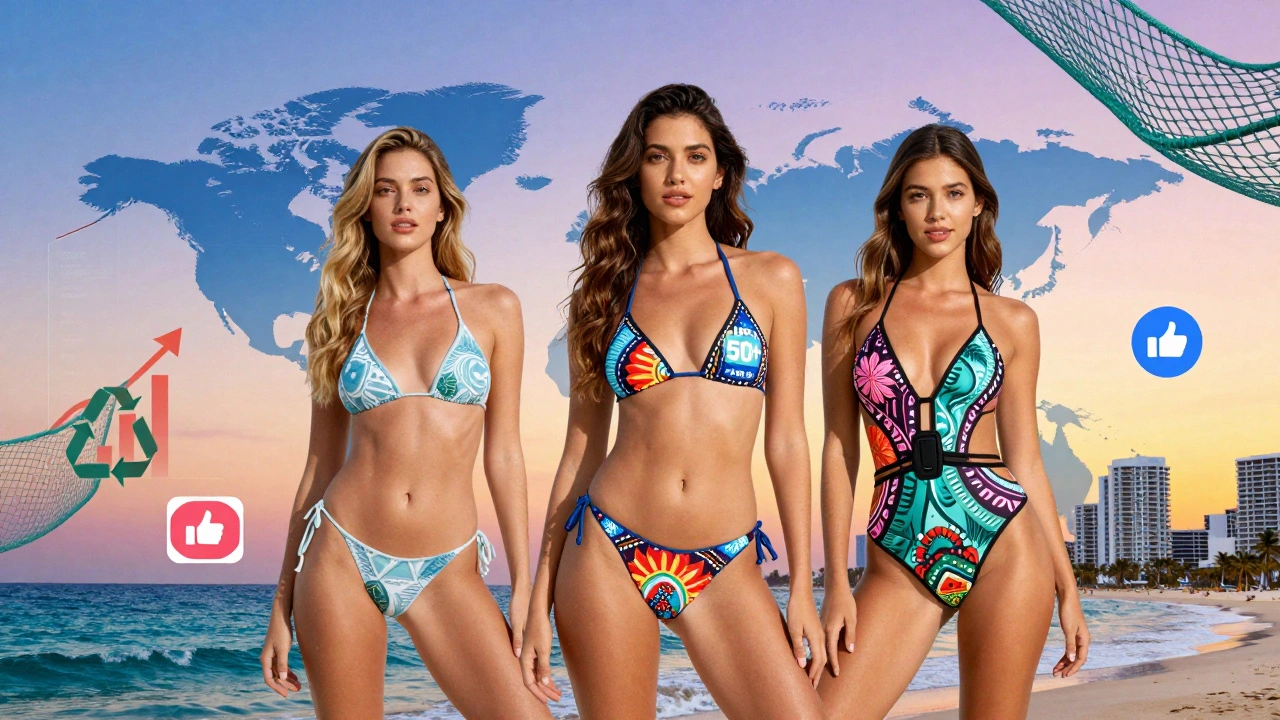
And sustainability? It’s non-negotiable. Models aren’t just asking for recycled materials - they’re demanding traceable supply chains. A 2024 survey by Swimwear Collective found that 73% of bikini models refuse to work with brands that can’t prove their fabric is ocean-safe. That’s pushing brands to switch to Econyl, recycled polyester from fishing nets, and plant-based dyes.
Where the Trend Is Headed
The next wave? Inclusivity beyond size. Brands are starting to design for different body shapes - not just "curvy" or "slim," but athletic, petite, tall, pear-shaped, apple-shaped. One designer in Portugal told me: "We used to make suits for a body type. Now we make suits for a lifestyle."
Expect more adaptive designs - suits with magnetic closures for post-surgery wearers, adjustable straps for nursing mothers, and seamless edges for sensitive skin. These aren’t niche products anymore. They’re becoming standard. And bikini models are leading the charge.
What This Means for You
If you’re shopping for swimwear in 2024, don’t just look at the label. Look at who’s wearing it. Ask: Is this designed for movement? Does it fit a range of bodies? Is the fabric tested, not just marketed? The best suits aren’t the ones with the most logos. They’re the ones made by people who actually live in them.
And if you’re wondering why your favorite brand changed its fit or added new colors - now you know. It’s not random. It’s because bikini models spoke up. And this time, someone listened.
Are bikini models still only size small in 2024?
No. The idea that bikini models must be size small is outdated. Major brands now feature models across sizes 0-40. Campaigns by Savage X Fenty, Aerie, and even Victoria’s Secret include curvy, tall, and athletic models. The industry shifted because consumers demanded it - and models led that change.
What fabrics are most popular in 2024 swimwear?
The top fabrics are Econyl (recycled nylon from fishing nets), recycled polyester, and plant-based blends like TENCEL™. These materials are durable, chlorine-resistant, and eco-friendly. Brands are moving away from virgin polyester and non-recyclable linings. Models now refuse to wear suits made with materials that harm oceans.
Why are high-waisted bikinis so popular now?
High-waisted bikinis offer better coverage, support, and comfort for a wider range of body types. Models with curvier hips, fuller stomachs, or postpartum bodies have been wearing them for years - and their visibility pushed brands to expand production. Sales data shows a 78% increase in searches from 2022 to 2023.
Do bikini models influence trends more than designers?
In 2024, yes - more than ever. Designers create prototypes, but models test them in real life. If a suit rides up during a surf session, or fades after one saltwater dip, models call it out. Brands listen because they see the sales data. Instagram posts from models with 500K+ followers now drive more product development than runway shows.
Is sustainability just a marketing tactic?
No. Sustainability is now a requirement. A 2024 survey found that 73% of bikini models won’t work with brands that can’t prove their materials are ocean-safe. That’s forcing real change. Brands are switching to traceable supply chains, using recycled ocean plastic, and publishing environmental impact reports. It’s not just PR - it’s survival.


February 17, 2026 AT 22:27
Josh B
Honestly, this is the first time I've seen swimwear that actually feels like it was made for real people. No more awkward tugging, no more 'why does this suit look like it was designed by someone who's never been to a beach?' Just functional, comfortable, and yes-beautifully diverse.