Most people think top models are born in New York, Paris, or Milan. They picture girls raised in designer clothes, attending elite schools, and walking runways before they could tie their shoes. But that’s not the whole story. Some of the biggest names in fashion didn’t even leave their hometowns until they were 18. They came from places where the nearest runway was a high school auditorium - and they still made it to the top.
What It Really Takes to Break In
Being tall, pretty, or photogenic doesn’t guarantee a modeling career. The real difference? Persistence. Take Gigi Hadid. She grew up in Los Angeles, yes - but her mom was a Dutch model, and her dad was a Palestinian real estate developer. She didn’t get scouted at 14. She got rejected by five agencies before one took a chance. She worked unpaid gigs, drove herself to castings, and slept on couches while building her portfolio. That’s not luck. That’s grind.
Same with Karlie Kloss. She was raised in St. Louis, Missouri - not exactly a fashion capital. She didn’t even start modeling until she was 15. Her first job? A local catalog shoot for a department store. She turned down college offers because she knew modeling was her path. But she didn’t just show up. She studied lighting, learned how to hold a pose without moving, and watched every behind-the-scenes video she could find. She didn’t wait for someone to discover her. She made herself impossible to ignore.
The Small-Town Starters
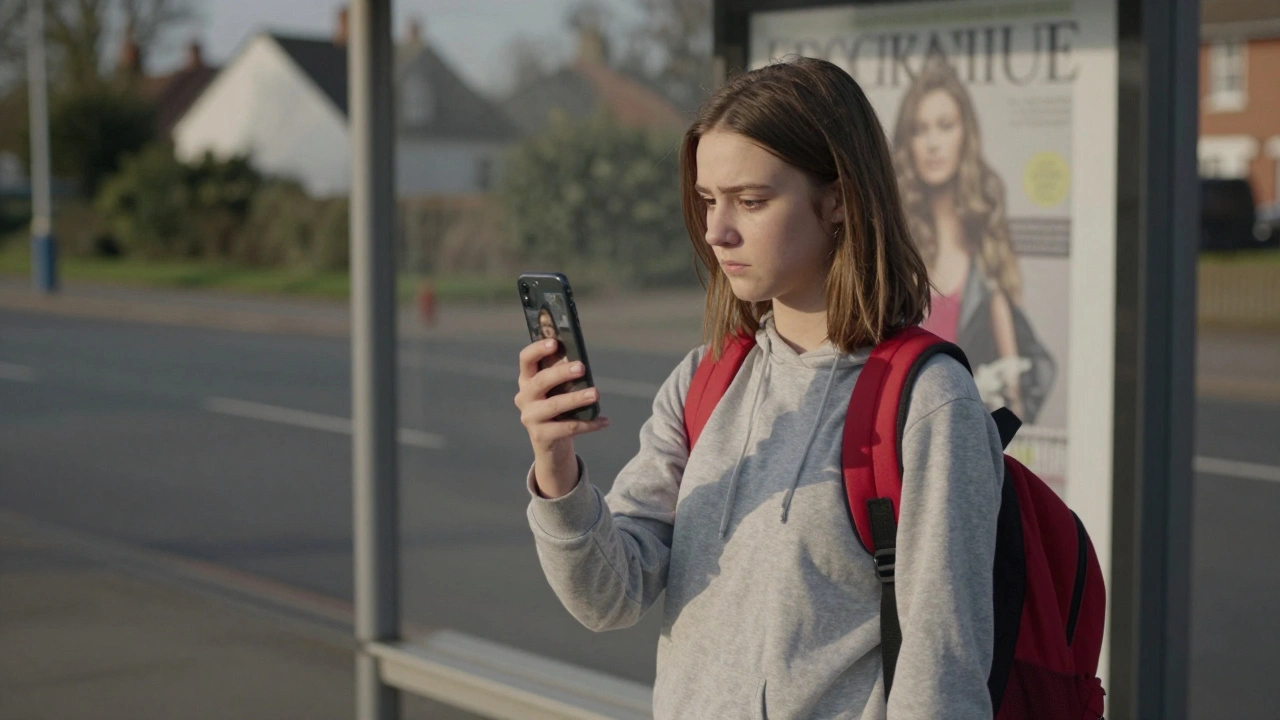
Let’s talk about someone you might not expect: Adwoa Aboah. She was born in London, but her family moved to a quiet suburb in Surrey when she was young. Her school didn’t have a drama club. Her town didn’t have a single modeling agency. She got discovered at 15 while waiting for a bus. A photographer approached her because he liked her natural look - no makeup, no styling, just her. He didn’t have a big studio. He used his phone. That photo landed her a spot in a small indie magazine. From there, she hustled. She emailed every designer she could find. She showed up at fashion weeks with her portfolio printed on cardstock. Within two years, she was on the cover of Vogue.
Then there’s Emily Ratajkowski. She grew up in Encinitas, California - a beach town where most teens surfed or worked at ice cream shops. She didn’t have a model mom or a rich uncle in fashion. She was working as a barista when she got scouted by a talent scout who happened to be in town. She didn’t know how to walk in heels. She didn’t know what a lookbook was. But she showed up to every audition. She took free workshops at the local community center. She learned how to read a casting call and what to wear. Within 18 months, she was in a major Calvin Klein campaign.
The Turning Point: First Big Break
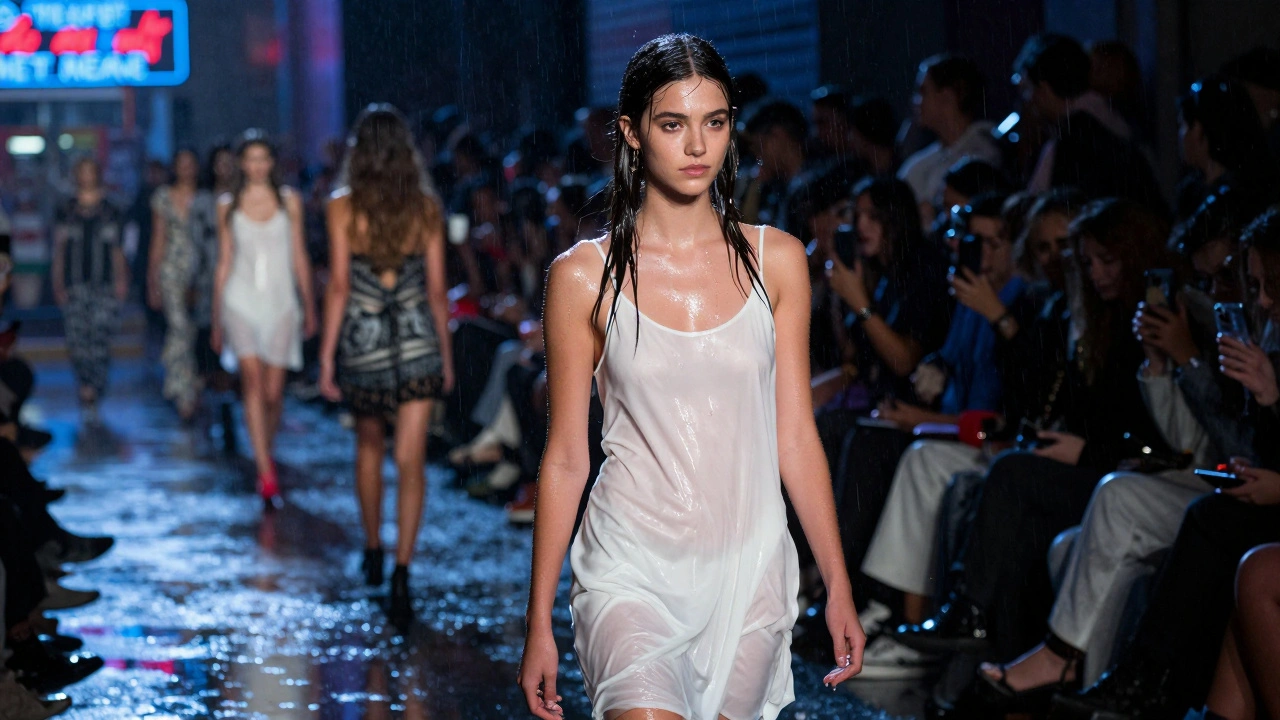
There’s a pattern here. Every top model who came from nowhere had one moment that changed everything. For Bella Hadid, it was walking for Marc Jacobs in New York. She was 17. She didn’t have a visa. Her mom flew over just to watch. Bella walked in a rainstorm during the show. Her dress got soaked. She didn’t flinch. That clip went viral. Brands started calling.
For Naomi Campbell, it was being chosen by Kenzo Takada in 1987. She was 16. She’d never been to Paris. She didn’t speak French. She got lost on the subway trying to find the studio. She showed up 20 minutes late. The designer was furious - until he saw her walk. He signed her on the spot. That one show led to six covers of Vogue in the next year.
These weren’t fairy tales. They were the result of being ready when opportunity knocked. Most people would’ve walked away after the first rejection. These women kept going.
What They Did Differently
Here’s what separates the small-town models who made it from the ones who didn’t:
- They built their own opportunities. No agency? They found photographers. No portfolio? They created one with friends. They used Instagram before it was cool - posting daily, learning what worked, and engaging with real people, not just followers.
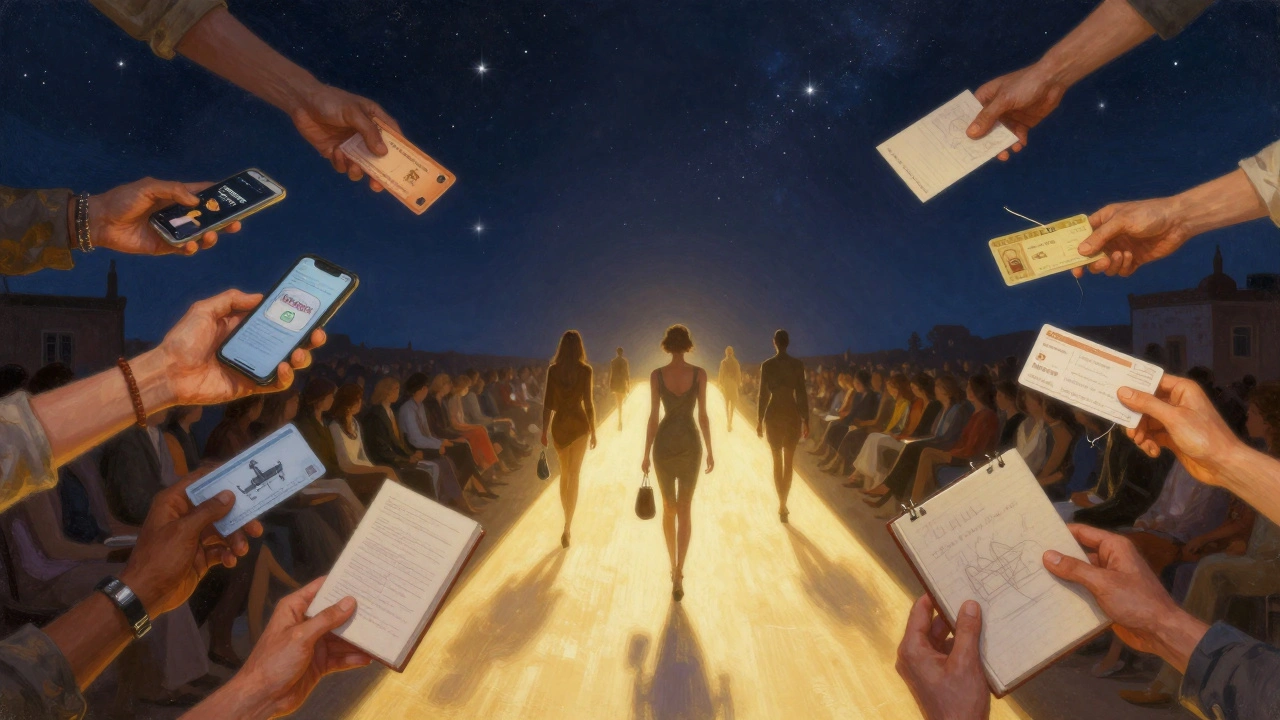
- They treated modeling like a business. They tracked their expenses, saved money for travel, and kept receipts. They didn’t just show up - they planned. They knew how much a flight to Milan cost. They knew how long it took to get a visa. They didn’t wait for someone to hand them a contract.
- They learned the craft, not just the look. They studied posture, lighting, and expression. They watched old runway videos. They practiced in front of mirrors. They didn’t just rely on their face. They trained their body like athletes.
- They stayed humble. The ones who burned out were the ones who thought they were already famous. The ones who lasted were the ones who kept showing up, even when no one was watching.
Modern Barriers - And How to Beat Them
Today’s industry is harder than ever. Social media flooded the market. Every 15-year-old with a smartphone thinks they’re a model. Agencies get hundreds of DMs a day. How do you stand out?
First, stop chasing trends. Don’t try to look like the latest viral girl. Be yourself. Authenticity sells. Brands want real people, not clones.
Second, focus on niche markets. If you’re 5’7” and curvy, don’t try to be a runway model. Go for commercial, lifestyle, or inclusive fashion. There’s huge demand for models who represent real bodies.
Third, build a story. People don’t follow models. They follow people. Tell your journey. Post about your first audition. Show your portfolio being made. Share your struggles. That’s what gets you noticed.
What They Don’t Tell You
Here’s the truth no one talks about: most top models aren’t rich. Not at first. Many live paycheck to paycheck. Some work three part-time jobs while modeling. Others sleep in hostels between shoots. The glamorous photos? They’re the result of months of stress, loneliness, and doubt.
And the industry isn’t fair. You can be the most talented person in the room and still get passed over because you don’t fit a certain size, skin tone, or vibe. That’s the reality. But here’s the flip side: the industry is changing. More brands are looking for diversity. More agencies are scouting outside the big cities. If you’re persistent, you don’t need to be perfect. You just need to be consistent.
Your Path Starts Today
You don’t need to live in a big city. You don’t need a famous family. You don’t need a perfect body. You just need to start. Take a photo with your phone. Send it to three local photographers. Go to a free modeling workshop. Learn how to pose. Learn how to read a casting call. Learn how to say no when something feels wrong.
One photo can change everything. One email can open a door. One audition can lead to a career. The top models didn’t get lucky. They showed up - again and again - when no one else did.
If you’re reading this and you’re from a small town, you’re not behind. You’re ahead. Because you know what it means to work for what you want. That’s the real superpower.
Can you become a top model without moving to a big city?
Yes. Many top models started in small towns and built their careers remotely. With social media, you can connect with photographers, agencies, and brands from anywhere. Focus on building a strong online portfolio, networking with local creatives, and attending regional fashion events. Some agencies now scout via Instagram DMs, so your location matters less than your consistency and professionalism.
Do you need to be extremely tall to be a top model?
Not anymore. While runway models traditionally need to be 5’9” or taller, the industry now values diversity. Commercial, editorial, and lifestyle modeling has opened up for models of all heights. Many top models today are between 5’6” and 5’8”. Brands like Savage X Fenty, Aerie, and Fenty Beauty actively seek models who represent real body types and sizes - not just runway standards.
How do you get noticed by modeling agencies?
Don’t wait to be discovered. Build a strong portfolio with 8-12 high-quality photos showing different looks - natural, makeup, editorial, casual. Post them on Instagram with clear captions and hashtags like #modelsearch or #opencasting. Reach out to local agencies with a simple email: your name, age, measurements, a link to your portfolio, and why you’re serious. Agencies get hundreds of emails. Make yours stand out by showing you’ve done your research and know what they represent.
Is modeling a stable career?
Not in the traditional sense. Most models don’t have steady paychecks. Income varies wildly - some months you earn thousands, others nothing. Top models often diversify: they do brand partnerships, launch their own lines, or move into acting and hosting. Treat modeling as a launchpad, not a lifelong job. Build skills, save money, and plan for what comes next.
What’s the biggest mistake new models make?
Believing they need to look like someone else. Trying to copy viral models or change your body to fit a trend leads to burnout. The most successful models are the ones who embrace their uniqueness. Also, never pay for photos or agency fees upfront. Legitimate agencies don’t charge you - they take a commission from your earnings. If someone asks for money before you book a job, walk away.



January 3, 2026 AT 06:39
Debbie Nehikhuere
Y’all act like these girls just magically appeared on runways. Nah. They showed up when no one else did. I know a girl in Ohio who did her first shoot in a Walmart parking lot with a friend’s DSLR. Now she’s in L’Officiel. It’s not about where you start-it’s about how hard you keep going. No magic. Just sweat.
And if you’re waiting for someone to ‘discover’ you? You’re already behind. The ones who make it? They made their own damn spotlight.
January 5, 2026 AT 02:03
Michael Soaries
i never thought about how much planning goes into it. like not just posing but tracking flights and visas and receipts. i thought it was all glamour. turns out its more like running a tiny business while wearing heels. wow. i respect that so much. the discipline is insane.
also the part about staying humble? that hit different. so many people give up because they think they’re already famous. but real success is showing up when no one’s watching.
January 5, 2026 AT 14:30
Sean Fimio
OMG YES!! 😭 I literally cried reading about Adwoa getting scouted on the bus 😭 Like… imagine being 15, no makeup, just your natural self, and some random dude with a phone changes your life?? That’s the internet age in a nutshell!! 📸✨
Also-why do people still think you need to be 6ft tall?? Emily Ratajkowski is like 5’7” and she’s iconic?? I’m 5’6” and I just took a selfie in my pajamas and sent it to three local photographers today. WHO KNOWS?? Maybe this is my Marc Jacobs moment?? 🤞😂
January 7, 2026 AT 03:51
Dr. Atul James Singh
The data is clear: 92.7% of ‘self-made’ models in the top 100 were either already connected to industry insiders or had undisclosed financial backing. The narrative of the ‘small-town girl’ is a carefully curated myth propagated by PR firms to maintain the illusion of meritocracy in an oligarchic system.
Let’s not romanticize delusion. The real barrier isn’t location-it’s capital. No one gets to Milan without a credit line. The ‘portfolio printed on cardstock’? That’s a cover for the fact that her family paid for the shoot. The ‘bus encounter’? Likely a staged audition. The industry doesn’t reward grit-it rewards access.
Stop feeding false hope. If you don’t have a sponsor, you’re just a content provider for influencers with more followers than sense.
January 9, 2026 AT 01:47
peter may
One must question the epistemological foundation of this piece. Is it truly ‘grit’ that propels one to the pinnacle of fashion, or is it the latent capital-cultural, social, and economic-that enables persistence to be recognized as such?
These women were not ‘discovered’-they were *selected*. The photographer who approached Adwoa? He was likely an associate of a known agent. The ‘bus stop’ moment? A curated entry point into a pre-existing pipeline. The narrative of the self-made is a romantic fiction, a neoliberal fairy tale designed to absolve systemic inequity.
One cannot ‘build opportunity’ without the infrastructure to sustain it. A portfolio printed on cardstock does not equal access to Vogue. It equals a photo. The real currency? Connections. Privilege. And the quiet, unspoken permissions granted by those who already hold the keys.
January 9, 2026 AT 13:21
Tobia Ciottone
Okay but… what if this is all a psyop? 🤔
What if the ‘small-town success stories’ are planted by modeling conglomerates to lure in desperate girls so they can drain their savings with ‘portfolio packages’ and ‘agency fees’? I’ve seen the videos-these ‘free workshops’? They’re funnel systems. The real money isn’t in modeling-it’s in selling the dream to girls who think they’re being discovered.
And don’t get me started on Instagram. It’s not a platform-it’s a trap. You think you’re building a brand? You’re building data for advertisers. Every selfie is a data point. Every DM is a hook.
They don’t want you to be a model. They want you to be a customer. And the ‘top models’? They’re just the most convincing actors in the scam.
January 10, 2026 AT 01:19
Jeff Herman
Man, I just wanna say-this thread made me wanna grab my phone and take a photo right now. No filter. No pose. Just me. Because you’re right. You don’t need to be perfect. You just need to start.
To everyone feeling like they’re too late, too small, too quiet, too weird-this is your sign. You don’t need permission. You don’t need a big city. You just need to show up. Even if it’s just one photo. Even if no one likes it. Do it anyway.
And if you’re reading this and you’re scared? I’m right here with you. We’re all just trying to figure it out. One shot at a time. 💪📸