It wasn’t just about sun, sand, and surf. The bikini turned into a cultural lightning rod - and the women who wore it became symbols of confidence, body positivity, and fearless style. These aren’t just models who showed skin. They reshaped how the world sees beauty, fitness, and femininity on and off the runway. From the 1950s to today’s digital age, a handful of bikini models didn’t just walk the beach - they changed the game.
Brigitte Bardot: The Original Bikini Icon
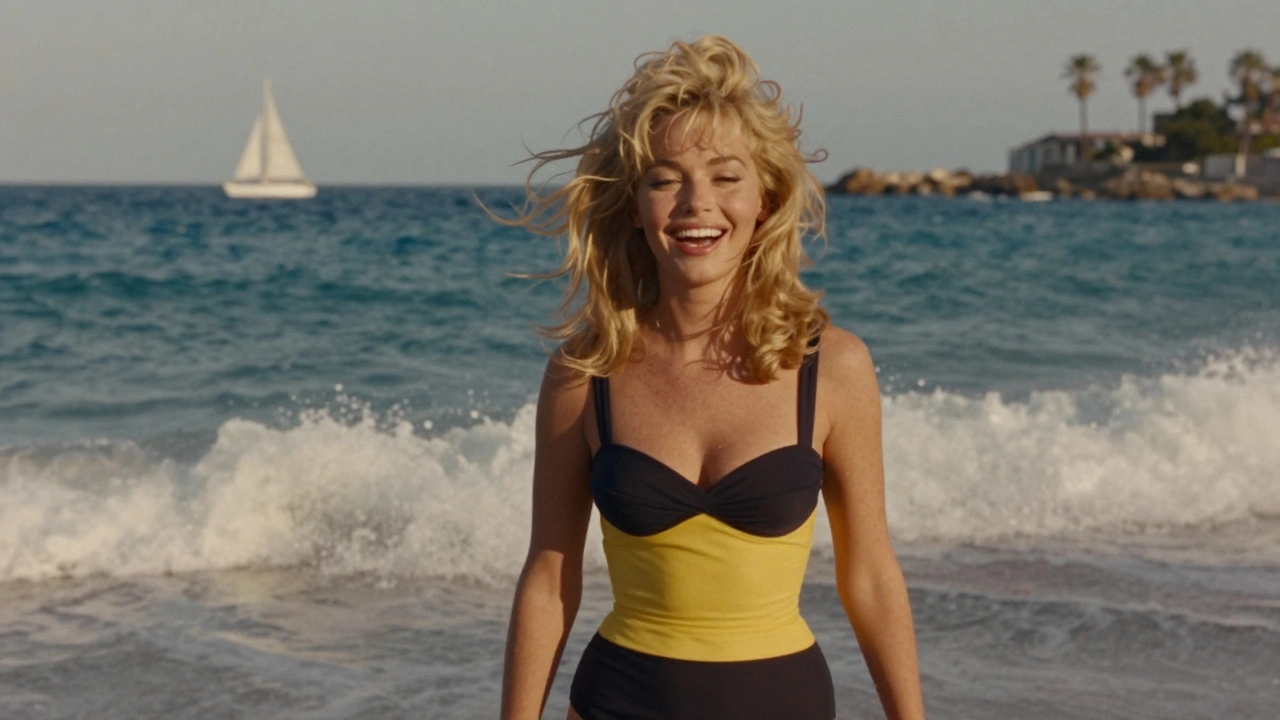
Before Instagram filters and viral TikTok trends, there was Brigitte Bardot. In 1953, she stepped onto the French Riviera in a two-piece swimsuit that looked more like a dare than a swimsuit. The press went wild. The French called it the "bikini," after the atomic tests at Bikini Atoll - because it was just as explosive. Bardot didn’t just model it; she embodied it. Her freckles, her wild hair, her unapologetic grin - she made the bikini feel rebellious, not risqué. By 1957, she was on the cover of Life magazine, and suddenly, every young woman wanted to look like her. She didn’t follow trends. She started them.
Marilyn Monroe: Glamour Meets the Beach
Marilyn Monroe didn’t need a bikini to be iconic. But when she wore one - in the 1953 film The Seven Year Itch, standing over a subway grate with the white fabric billowing - the world took notice. Her version of the bikini was softer, sexier, more Hollywood. She didn’t pose like a model. She posed like a woman who knew exactly how beautiful she was. Her swimsuit shots weren’t just photos. They were moments that defined an era. Even today, vintage photos of her in a high-waisted two-piece sell for thousands. She proved that bikini modeling wasn’t just about the body - it was about presence.
Elle Macpherson: The Body That Built a Brand
In the 1980s and 90s, Elle Macpherson didn’t just wear bikinis - she became the face of them. As the original "Body" for the Sports Illustrated Swimsuit Issue, she turned a magazine spread into a cultural event. Her 1989 cover, shot on a tropical beach, sold over 1.5 million copies. That wasn’t just a model. That was a phenomenon. She later launched her own lingerie line, Elle Macpherson Intimates, which became a global success. Her success showed that bikini models could build empires - not just pose for them.
Tyra Banks: Breaking the Mold
Tyra Banks didn’t just walk in bikinis - she redefined who could wear them. In the 1990s, most swimsuit spreads featured one type of body: tall, thin, Eurocentric. Tyra changed that. She was one of the first Black women to grace the cover of Sports Illustrated’s Swimsuit Issue in 1996. Her presence wasn’t tokenism - it was transformation. She brought curves, confidence, and a fierce attitude to the beach. Later, as host of America’s Next Top Model, she pushed contestants to embrace their natural shapes. She didn’t just model bikinis. She made sure others could, too.
Gisele Bündchen: The Supermodel Who Made It Look Easy
Gisele Bündchen didn’t need to flex or scream to make an impact. She just showed up - barefoot, sun-kissed, and effortlessly powerful. Her 2000 Sports Illustrated cover, shot on a Brazilian beach, became one of the most reproduced images in fashion history. She made the bikini look like second skin. What made her different? She didn’t chase trends. She carried them. Her body was strong, athletic, and real - not airbrushed to oblivion. She proved that bikini modeling could be about health, not just exposure. By 2012, she was the highest-paid model in the world, earning over $47 million in a single year.
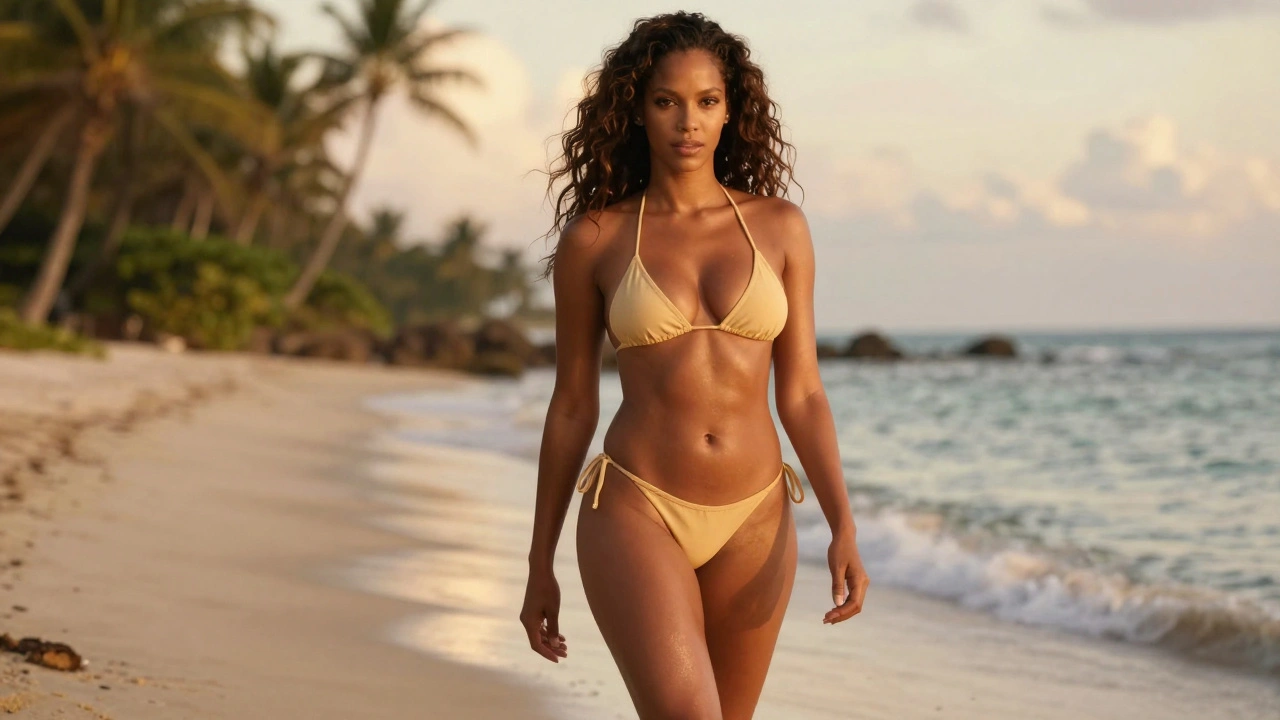
Kendall Jenner: The New Generation
Kendall Jenner didn’t grow up on runways. She grew up on Instagram. Her bikini shots - often taken on LA rooftops or Malibu cliffs - became the blueprint for millennial beauty. She doesn’t pose like a classic model. She lounges. She laughs. She looks like someone you’d text about weekend plans. Her 2018 Savage X Fenty campaign, shot in a pool with nothing but a bikini and a smile, broke the internet. Over 200 million views in 48 hours. She showed that bikini modeling in the 2020s isn’t about perfection - it’s about authenticity.
Bella Hadid: The Edge of Elegance
Bella Hadid’s bikini photos aren’t just pretty. They’re poetic. Shot in stark black-and-white by top photographers, her images feel like art. She doesn’t smile for the camera. She stares into it - calm, intense, unafraid. Her 2021 campaign for Revolve, shot on a cliffside in Greece, went viral for its raw, cinematic quality. She doesn’t fit the "perfect body" mold. She’s tall, lean, and carries herself like a warrior. Bella turned the bikini into a statement - not a uniform. Her fans don’t copy her look. They copy her attitude.
Adriana Lima: The Queen of the Runway Beach
Adriana Lima didn’t just model for Victoria’s Secret - she made the bikini a runway staple. Between 1999 and 2018, she walked in over 150 Victoria’s Secret shows. Her bikini looks - often paired with feathered wings and glitter - became iconic. But her real power? She never let the fantasy overshadow her reality. She’s a mother. A fitness enthusiast. A woman who trains five days a week. Her 2016 Sports Illustrated spread, shot in the Bahamas, showed her doing pull-ups on a beach towel. That’s not a model. That’s a role model.
Emily Ratajkowski: The Art of the Pose
Emily Ratajkowski didn’t just wear a bikini - she turned it into a feminist statement. Her 2013 music video for Robin Thicke’s "Blurred Lines" sparked debates across the world. Was she objectified? Or was she owning her body? She later wrote essays, gave TED Talks, and published a memoir called My Body, where she dissected the line between empowerment and exploitation. Her bikini photos aren’t just sexy. They’re smart. She challenged the industry to ask: Who gets to control the image? She didn’t just model - she demanded a conversation.
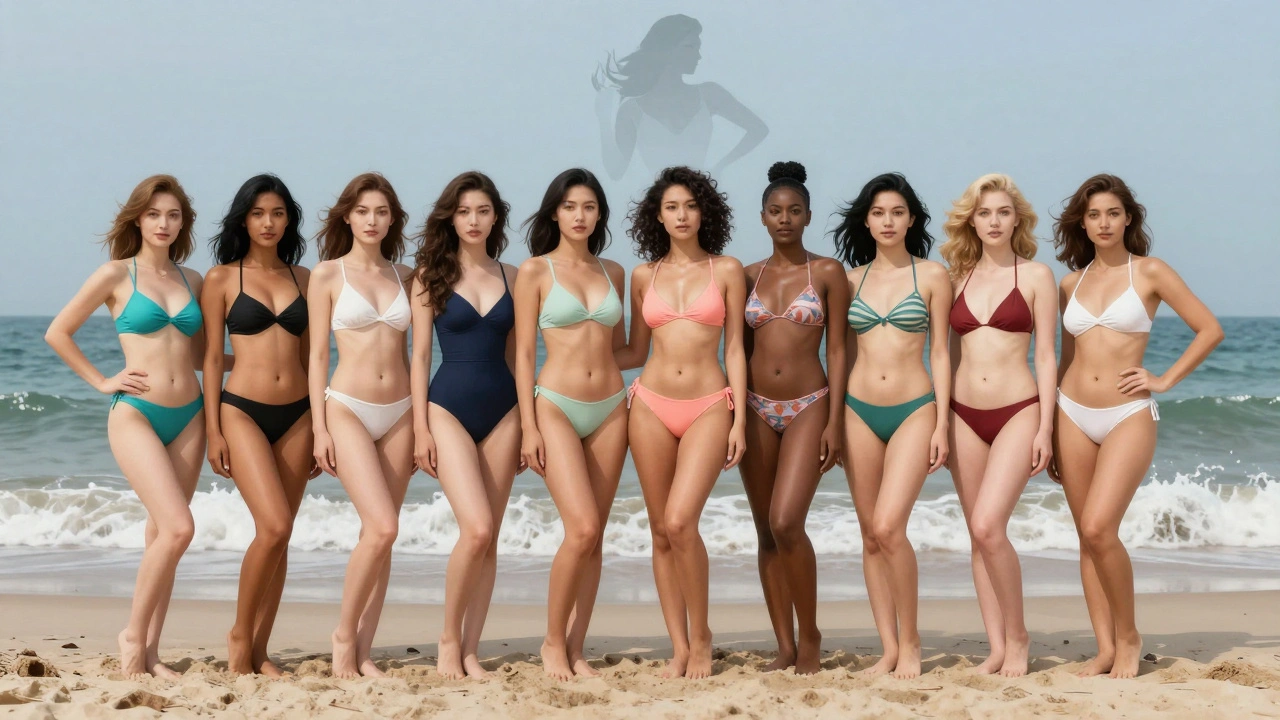
Chanelle Hayes: The Rise of the Curvy Bikini Model
Chanelle Hayes broke the mold in 2020 when she became the first plus-size model to land a cover for Swimsuit Magazine - not a special edition, not a "curvy issue," but the main issue. Her photos, shot in the Maldives, showed curves, dimples, and stretch marks - no retouching. She didn’t just get the cover. She sold out of the issue within 72 hours. Her success forced brands like ASOS, Target, and Savage X Fenty to rethink their casting. She proved that the bikini isn’t for one body type. It’s for every body.
Why These Women Matter
These aren’t just names on a list. They’re turning points. Each one challenged a norm - whether it was race, body size, age, or attitude. They didn’t wait for permission. They showed up, wore the bikini, and changed what it meant to be seen. Today, bikini modeling isn’t about being "perfect." It’s about being real. It’s about confidence, not curves. It’s about owning your space - on the beach, on the screen, or in the mirror.
What Changed Because of Them
- Brands now cast models of all sizes - from size 0 to size 24 - for swimwear campaigns.
- Swimsuit photography shifted from airbrushed fantasy to natural lighting, real skin, and unedited shots.
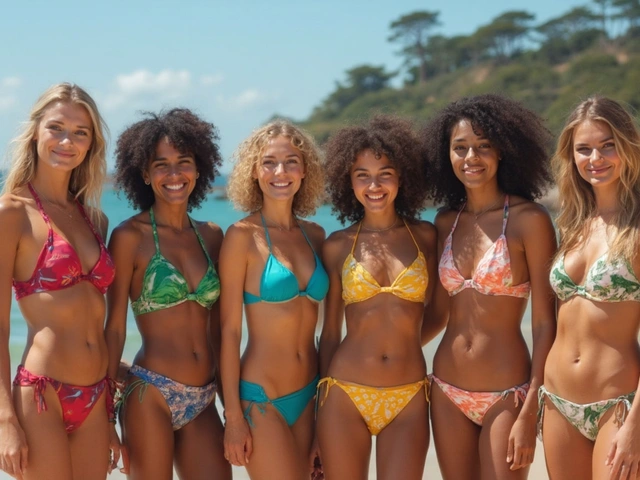
- Swimwear brands like Aerie, Girlfriend Collective, and Summersalt now feature diverse models in their ads - no filters, no retouching.
- Instagram hashtags like #BodyPositivity and #AllBodiesWearBikinis now have over 50 million posts.
- Models are no longer just hired to look good - they’re asked to speak out, write, and lead.
Where the Industry Is Headed
The bikini isn’t going away. But its meaning is changing. Today’s top bikini models aren’t just hired for their looks. They’re hired for their voices. They’re writers, activists, entrepreneurs. They’re launching swimwear lines, creating fitness apps, and speaking at conferences about body autonomy. The future of bikini modeling isn’t about who has the smallest waist. It’s about who has the biggest impact.
Who was the first bikini model to become a global icon?
Brigitte Bardot is widely considered the first bikini model to become a global icon. Her 1953 appearance in a two-piece swimsuit in the French film And God Created Woman sparked worldwide fascination. She didn’t just wear the bikini - she redefined it as a symbol of freedom and rebellion, turning what was once scandalous into a fashion revolution.
Do bikini models still need to be super thin to succeed today?
No. The industry has shifted dramatically. In the 2010s, brands like Aerie and Savage X Fenty began using models of all sizes, shapes, and backgrounds. Today, campaigns featuring curvy, tall, athletic, and disabled models are the norm, not the exception. Chanelle Hayes, for example, became the first plus-size model on the cover of Swimsuit Magazine in 2020 - and the issue sold out fast. The new standard is authenticity, not a size zero.
Can bikini modeling lead to a long-term career?
Absolutely. Many bikini models have built lasting careers beyond modeling. Elle Macpherson launched a billion-dollar lingerie line. Tyra Banks created a TV empire and a modeling agency. Emily Ratajkowski became a published author and public speaker. Even Gisele Bündchen transitioned into business, with her own skincare brand. The bikini might be the entry point, but it’s not the endpoint.
How has social media changed bikini modeling?
Social media turned bikini modeling from a magazine-driven industry into a direct-to-audience movement. Models like Kendall Jenner and Bella Hadid don’t wait for magazines - they post their own photos, often unfiltered. This shift gave them control over their image and allowed them to build loyal followings. Brands now scout models based on Instagram engagement, not agency portfolios. The bikini is no longer just a garment - it’s a content strategy.
Are there any ethical concerns in bikini modeling today?
Yes - and models are speaking up. Issues like photo manipulation, age of consent, and exploitative contracts are now openly discussed. Emily Ratajkowski’s memoir My Body sparked national conversations about consent in fashion. Many models now negotiate creative control and demand non-retouched images. Ethical modeling isn’t optional anymore - it’s expected. Brands that ignore it risk backlash.