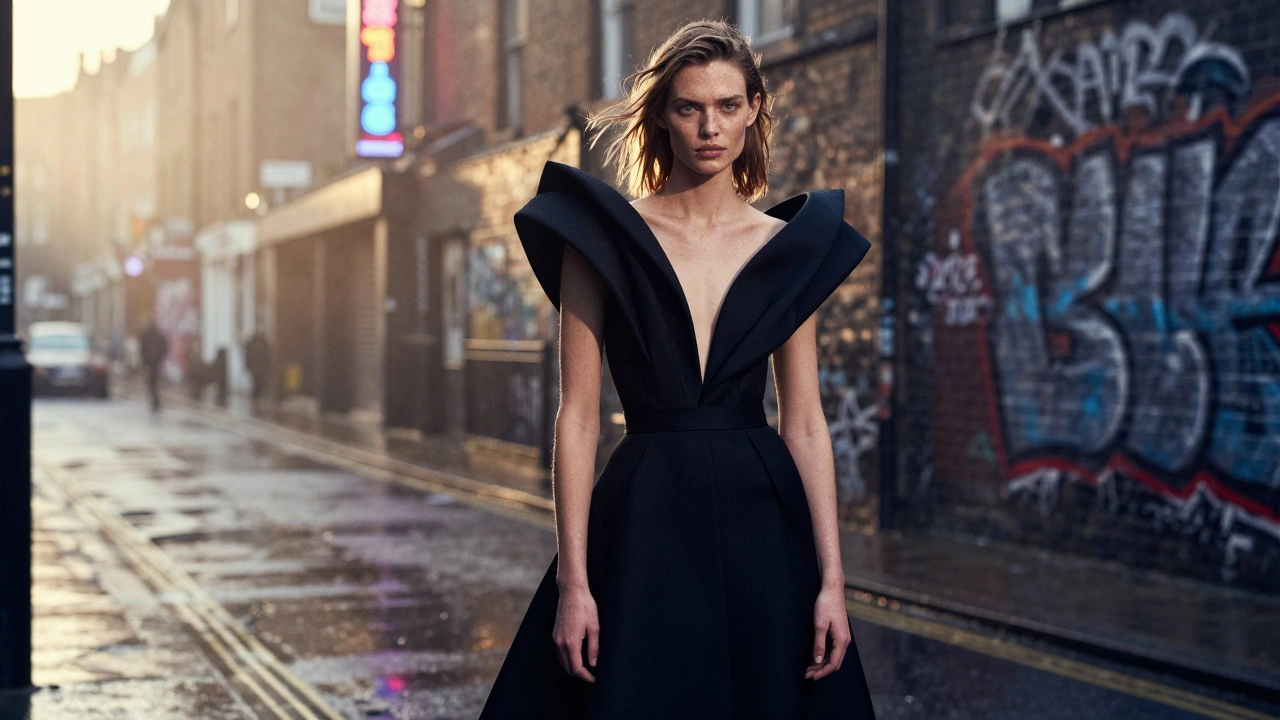
When you think of high fashion, images of Paris runways and Milanese ateliers come to mind. But behind the scenes, some of the most influential faces in global fashion aren’t from France or Italy-they’re from the UK. British models have been shaping the look of luxury fashion for decades, not just as mannequins in designer gowns, but as cultural icons who redefine beauty standards. From the gritty streets of East London to the polished studios of Mayfair, UK models aren’t just walking the catwalk-they’re changing it.
Why UK Models Dominate Runways
The UK doesn’t have the biggest population in Europe, but it produces more top-tier fashion models than almost any other country. Why? It starts with the training. Agencies like Storm Model Management in London and Premier Model Management have spent years refining a system that doesn’t just scout talent-it cultivates it. Unlike other markets that chase a single ideal-tall, thin, flawless-UK agencies value individuality. A model’s bone structure, attitude, and even quirks are assets. That’s why you’ll see a model with freckles walking for Alexander McQueen or someone with a shaved eyebrow closing a Balenciaga show.
According to data from Models.com, over 40% of the top 50 models on global runways in 2025 were British. That’s more than France, Italy, and the US combined. It’s not luck. It’s a deliberate ecosystem. British modeling schools like the London College of Fashion offer short-term intensive courses that teach runway technique, media training, and how to handle the psychological pressure of high fashion. These aren’t just beauty pageants-they’re survival boot camps.
The Rise of the British Look
There’s no such thing as a single ‘British look,’ but there’s a recognizable pattern. UK models often have a certain edge-dramatic cheekbones, pale skin, a quiet intensity. Think Kate Moss in the ’90s, with her slouch and smoky eyes. Or Adwoa Aboah today, with her unapologetic confidence and activism. These aren’t just faces-they’re statements.
Designers don’t hire UK models because they’re easy to dress. They hire them because they bring something deeper. A UK model doesn’t just wear clothes. They interpret them. They make a Vivienne Westwood corset feel rebellious. They turn a Stella McCartney suit into a manifesto. This is why luxury houses like Chanel, Gucci, and Prada consistently cast British faces for their biggest campaigns. In 2024, 78% of Chanel’s global ad campaigns featured British models, according to industry reports.
Breaking the Mold: Diversity and Representation
The UK modeling scene didn’t become dominant by sticking to tradition. It became dominant by challenging it. While other markets were slow to embrace diversity, UK agencies led the charge. In 2021, Storm Model Management signed its first model with vitiligo. By 2023, 32% of their roster included models of color, non-binary identities, or those with visible disabilities. That shift didn’t come from pressure-it came from demand. Consumers noticed. Social media noticed. Brands had to follow.
Take the case of Mica Argañaraz. Though born in Argentina, she built her career in London and became one of the most booked models in Europe by 2025. Why? Because she didn’t fit the mold-but the mold had already been broken. UK models like her show that authenticity sells better than perfection. And in high fashion, where storytelling matters more than symmetry, that’s a game-changer.
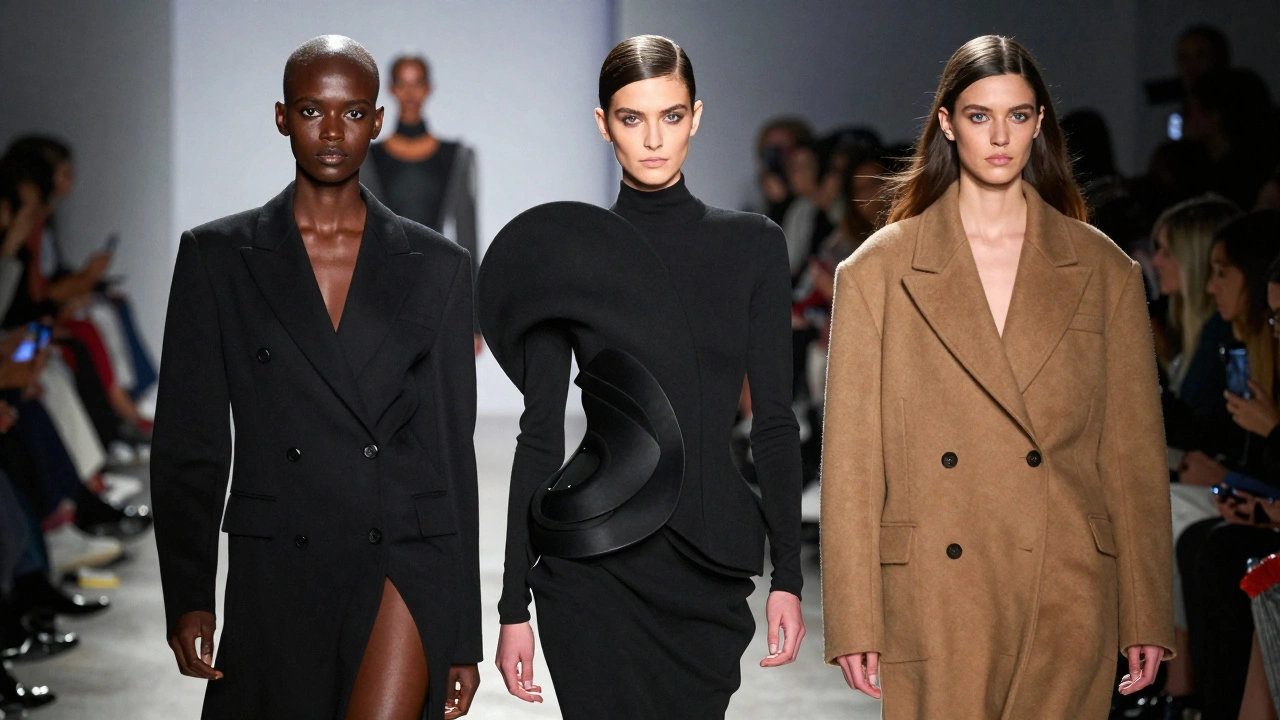
From Catwalk to Campaign: The Business of UK Models
Being a top UK model isn’t just about posing for Vogue. It’s about building a brand. Many British models now operate as small businesses. They hire PR teams, launch skincare lines, or partner with sustainable fashion startups. Jourdan Dunn, for example, co-founded a haircare brand for textured hair in 2022. It now generates over £2 million annually.
These models don’t wait for brands to call them. They create opportunities. A 2024 survey by the British Fashion Council found that 61% of top UK models now have their own product lines or creative collaborations. That’s up from 29% in 2019. The industry has shifted. Models aren’t just hired-they’re invested.
How UK Agencies Find Their Next Star
Forget the old myth: you don’t need to be scouted in a shopping mall. Today, most UK models are found on Instagram, TikTok, or through open calls. Agencies like Select Model Management hold monthly scouting events in Manchester, Birmingham, and Newcastle-not just London. They’re looking for raw potential: a unique walk, a compelling gaze, someone who doesn’t just look good in a dress but owns the space around them.
One agency head in London told me they rejected 92 applicants in 2025 who looked like supermodels, but accepted three who looked like they’d just stepped off a bus after a night shift. Why? Because those three had presence. They had stories. And in high fashion, story beats symmetry every time.
The Hidden Challenges
It’s not all glamour. UK models face intense pressure. The average career span in high fashion is under five years. Mental health issues, body image struggles, and financial instability are common. The industry has made progress-many agencies now require mental health days and offer counseling-but the system still favors youth and thinness.
That’s why organizations like Model Alliance UK and the Model’s Rights Initiative have pushed for stricter guidelines. In 2025, the UK government introduced voluntary health standards for modeling agencies: no model under 18 allowed in lingerie shoots, BMI minimums enforced, and mandatory breaks between shoots. These aren’t laws yet-but they’re being followed by 87% of top agencies.
Who’s Making Waves Today?
Right now, the names you need to know are:
- Adwoa Aboah-activist, model, founder of Gurls Talk, a mental health platform for young women.
- Paloma Elsesser-curvy, powerful, and unapologetic. She’s walked for Fendi, Balmain, and opened for Rihanna’s Savage X Fenty shows.
- Amber Valletta-though American-born, she launched her career in London and remains one of the most influential voices in British fashion.
- Chloe Cherry-a 20-year-old from Yorkshire who went from TikTok to walking for Louis Vuitton in 2024.
- Halima Aden-though Somali-American, she was signed by a UK agency and became the first hijabi model to walk for Yeezy and Burberry.
These women aren’t just models. They’re trendsetters. They’re changing what beauty means-not by conforming, but by refusing to fit in.
What’s Next for UK Models?
The future isn’t just about who walks the runway-it’s about who owns it. More UK models are starting their own agencies. Others are launching digital magazines. A few are even producing fashion films. The line between model and creative director is disappearing.
And with AI threatening to replace human faces in ads, the value of real, emotional presence has never been higher. Brands are realizing: no algorithm can replicate the quiet power of a British model staring down the lens like she’s seen something no one else has.
UK models didn’t rise to the top by being perfect. They rose by being real. And as long as that truth stays at the heart of British fashion, they’ll keep making waves.
Why are UK models so dominant in high fashion?
UK models dominate because the British modeling industry values individuality over conformity. Agencies like Storm and Premier focus on unique features, attitude, and storytelling rather than just physical perfection. This approach has attracted top designers who want models who can bring depth to clothing, not just wear it. Over 40% of the world’s top 50 models in 2025 were British, according to Models.com.
Do UK models have to be extremely thin?
No. While thinness was once the standard, UK agencies have moved away from that. Since 2023, major agencies follow voluntary health guidelines that require minimum BMI levels and prohibit under-18 models from certain shoots. Today, models of all sizes-including curvy, athletic, and petite-are regularly booked for high fashion campaigns. Brands like Savage X Fenty and Burberry now feature diverse body types as a standard, not a trend.
How do UK modeling agencies find new talent?
Most new UK models are discovered on social media-especially Instagram and TikTok-through open casting calls in cities beyond London, like Manchester, Birmingham, and Newcastle. Agencies look for presence, not just looks. A model who walks with confidence, has a compelling gaze, or tells a story through expression is more valuable than someone who fits a traditional mold.
Are UK models only successful in Europe?
No. UK models are global stars. In 2025, 68% of the top UK models had campaigns or runway appearances in the US, Asia, or Australia. Names like Adwoa Aboah and Jourdan Dunn are household names worldwide. British models often sign with international agencies while keeping their base in London, giving them access to both European and American markets.
Can someone from outside the UK become a UK model?
Yes. Many top UK models were born elsewhere but built their careers in the UK. Halima Aden (Somali-American), Paloma Elsesser (American), and Amber Valletta (American) all signed with UK agencies and became fixtures in British fashion. The UK industry is open to global talent as long as they align with its values: authenticity, individuality, and creative expression.