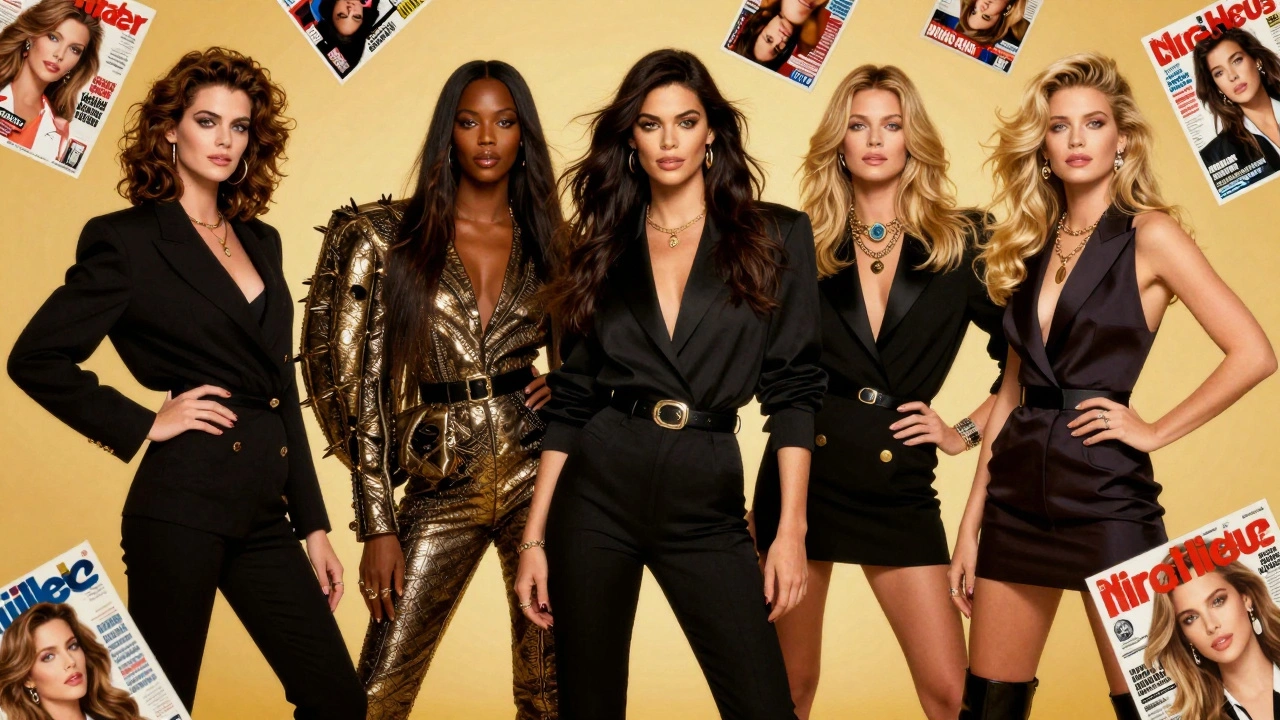
Back in the 1980s, if you walked into a magazine stand, you didn’t just see models-you saw legends. Cindy Crawford, Naomi Campbell, Linda Evangelista, Claudia Schiffer, and Christy Turlington didn’t just walk runways. They owned them. Their faces were on cereal boxes, in TV commercials, and on the covers of Vogue and Elle-sometimes all at once. They earned millions. They were household names. And they changed what a model could be.
What Made the 1980s Supermodels Different?
Before the 1980s, models were mostly background figures. They wore the clothes, smiled politely, and disappeared after the shoot. Then came the rise of the supermodel. It wasn’t just about looks. It was about personality, power, and control.
Cindy Crawford’s mole, Linda Evangelista’s razor-sharp cheekbones, Naomi Campbell’s fierce stride-these weren’t accidents. These were brands. Agencies like Ford and Elite stopped treating models as interchangeable. They started building them like celebrities. Contracts included TV spots, perfume lines, and even movie roles. Linda famously said, "We don’t wake up for less than $10,000 a day," and suddenly, that became the standard.
The media ate it up. Magazines ran multi-page features. MTV played music videos with models as stars. By 1990, the top five supermodels were making more money than most Hollywood actresses. Their names were printed in headlines. Their relationships made tabloids. They weren’t just selling jeans-they were selling lifestyles.
The 1990s: Rebellion and Realism
The 90s didn’t erase the supermodels-it redefined them. The polished perfection of the 80s gave way to something grittier. Kate Moss appeared on the cover of Seventeen in 1990. She was 15, thin, and didn’t smile. She looked like she’d just stepped out of a grunge band’s basement. The industry went wild.
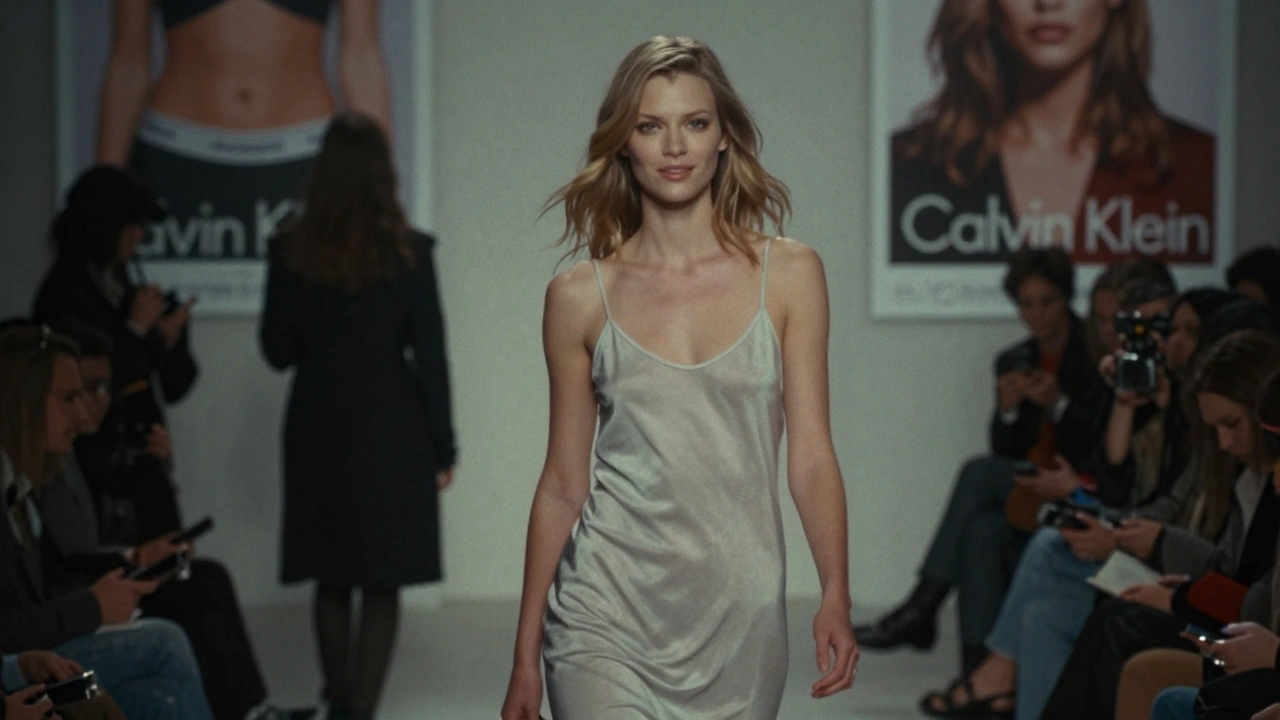
Where the 80s wanted glamour, the 90s wanted authenticity. The "heroin chic" look took over. Models looked tired, fragile, almost unwell. It was controversial. Critics called it dangerous. But it worked. Calvin Klein, Marc Jacobs, and Alexander McQueen embraced it. Kate Moss became the face of a generation that didn’t want perfection-she wanted real.
Supermodels didn’t disappear. Naomi Campbell still walked for Versace. Linda still graced magazine covers. But now, there was room for someone who didn’t fit the mold. The supermodel wasn’t just a tall, statuesque woman anymore. She could be small, awkward, quiet. And that shift opened the door for what came next.
The 2000s: The Rise of the Brand
By the early 2000s, supermodels weren’t just walking-they were launching empires. Gisele Bündchen became the highest-paid model in the world, earning $25 million a year. She didn’t just model for Victoria’s Secret. She became Victoria’s Secret. Her face was on billboards from Tokyo to Toronto. She had a fragrance line. A book deal. A TV show. She was a business.
At the same time, the internet began to change everything. Bloggers started reviewing runway shows. Fans could comment on photos before they even hit newsstands. Models started building their own followings. Tyra Banks launched Tyra’s Beauty and the Beast and later Tyra’s Supermodel. She wasn’t just a model-she was a producer, a host, a mentor.
Supermodels began to look less like fashion icons and more like influencers. They weren’t waiting for magazines to discover them. They were creating their own content. And that shift made the industry more democratic. You didn’t need to be signed to Elite anymore. You just needed a camera, a style, and a story.
The 2010s: Diversity and Disruption
The 2010s brought a reckoning. The supermodel wasn’t just a face anymore. She was a movement.
Models like Ashley Graham, who wore a size 16, graced the cover of Sports Illustrated in 2016. The response? Over 10 million views. The industry had spent decades pushing a single body type. Now, consumers were demanding more. Brands like Savage X Fenty, Aerie, and Dove began casting models of all shapes, sizes, ethnicities, and abilities.
Transgender models like Valentina Sampaio and Indya Moore walked for major designers. Models with vitiligo, like Winnie Harlow, became global stars. The supermodel wasn’t just about beauty anymore-it was about representation.
And social media made it impossible to ignore. Instagram turned models into direct-to-consumer brands. A model could post a photo, get 500,000 likes, and land a contract with a luxury brand-all without a single magazine feature. The old gatekeepers lost their power.

The 2020s: The New Supermodel
Today, the supermodel doesn’t look like anyone from the past. She’s not one type. She’s many.
Some are TikTok creators who turned viral dance videos into contracts with Fendi. Others are former athletes, like gymnast Simone Biles, who walked for Balmain in 2023. Some are non-binary, like model and activist Indya Moore, who now designs their own clothing line. Others are mothers, like Karlie Kloss, who balances modeling with running a coding camp for girls.
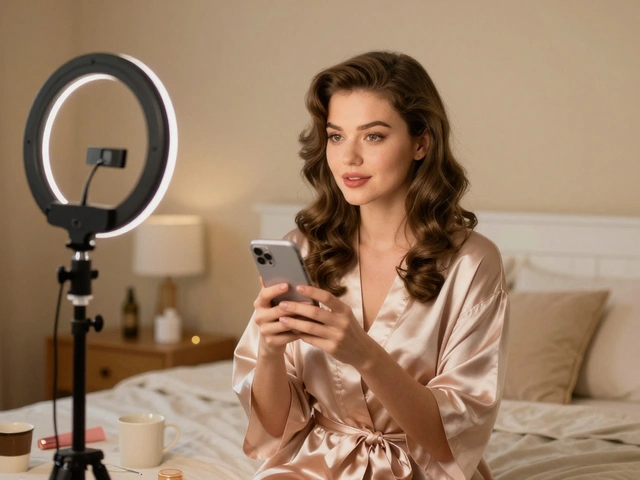
Their power doesn’t come from a magazine cover anymore. It comes from engagement. From authenticity. From control. A supermodel in 2026 doesn’t need to be signed to a top agency. She just needs a phone, a vision, and 100,000 followers who believe in her.
And the money? Still huge. Bella Hadid earns over $10 million a year. Kaia Gerber has her own beauty line. Adut Akech, a former refugee, is now the face of Saint Laurent. The industry is no longer about who looks perfect-it’s about who stands for something.
What’s Next?
The supermodel of tomorrow won’t be defined by height, weight, or runway walks. She’ll be defined by her voice, her values, and her ability to connect.
AI-generated models are already appearing on billboards. But people still choose real humans. Why? Because they want to see someone who’s been through something. Someone who’s real. Someone who’s not just selling a dress-but an idea.
From the 80s’ golden era of glamour to today’s decentralized, digital revolution, the supermodel has kept evolving. She’s not disappearing. She’s multiplying. And the next one? She might not even be on a runway. She might be posting from her bedroom. And she might just change everything again.
Who were the first supermodels?
The first true supermodels emerged in the 1980s. Cindy Crawford, Naomi Campbell, Linda Evangelista, Claudia Schiffer, and Christy Turlington are widely recognized as the original group. They earned unprecedented salaries, starred in global advertising campaigns, and became household names-something models had never done before.
Why did the supermodel era decline in the 2000s?
It didn’t decline-it transformed. The 2000s saw the rise of social media and reality TV, which shifted power away from agencies and magazines. Models began building their own brands. The old system of one model per cover didn’t fit the new digital landscape. Supermodels didn’t fade; they became entrepreneurs.
Are supermodels still relevant today?
Yes-but in a different way. Today’s supermodels aren’t just runway icons. They’re content creators, activists, designers, and CEOs. Bella Hadid, Kaia Gerber, and Adut Akech aren’t just modeling-they’re shaping culture. The title "supermodel" now means influence, not just beauty.
How did social media change supermodels?
Social media broke the monopoly of fashion magazines. Before, you needed a Vogue cover to become famous. Now, a viral TikTok video can land you a campaign with Gucci. Models control their image, audience, and income. They don’t need agencies to book jobs-they can pitch directly to brands.
What’s the difference between a model and a supermodel today?
A model works in fashion. A supermodel shapes culture. Today’s supermodels have massive followings, their own product lines, and influence beyond the runway. They speak on social justice, mental health, and sustainability. Their value isn’t just in how they look-it’s in what they stand for.