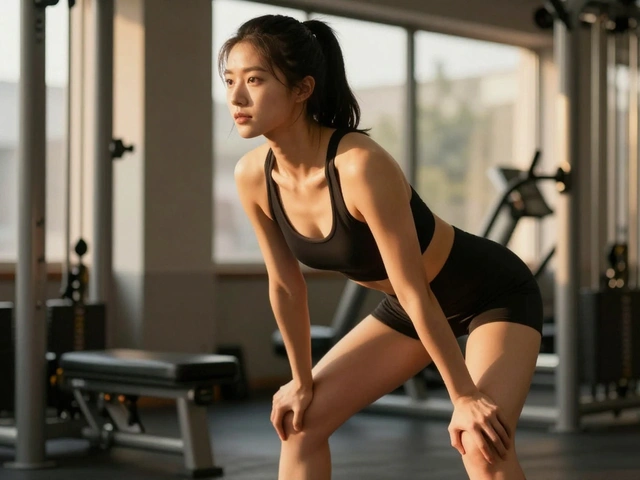
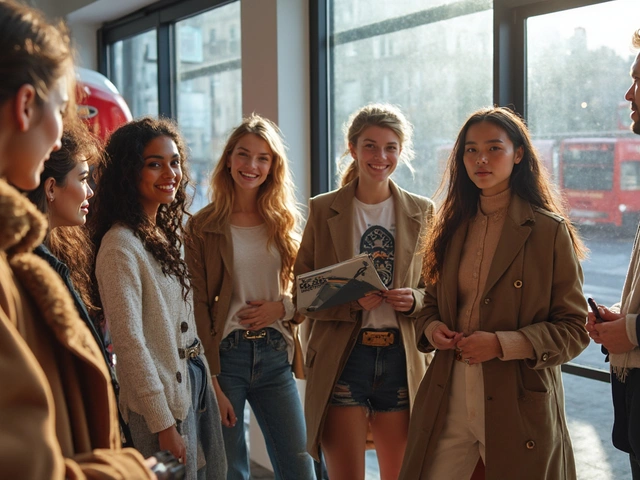
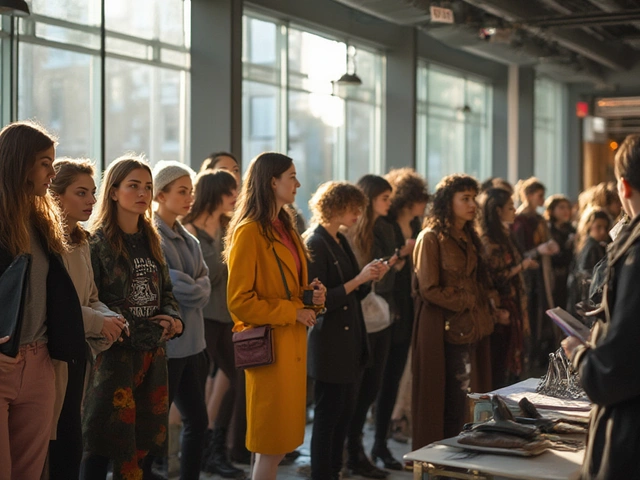
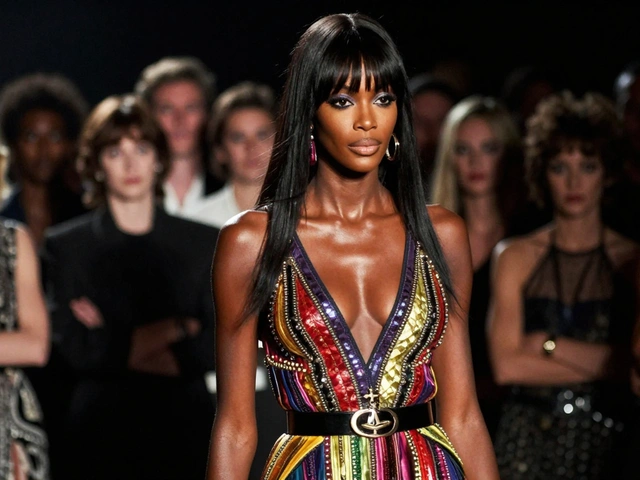
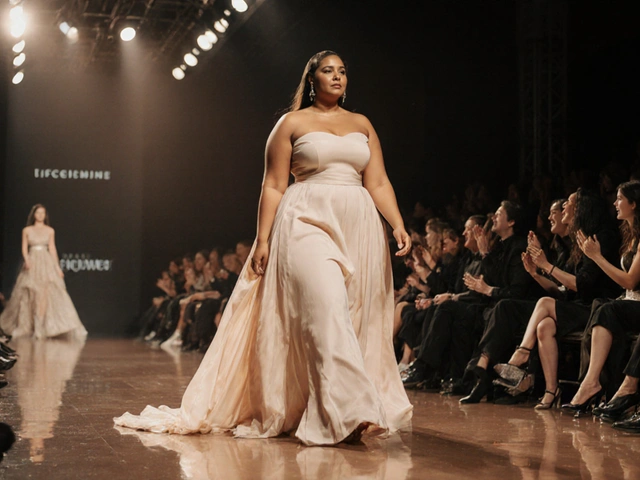
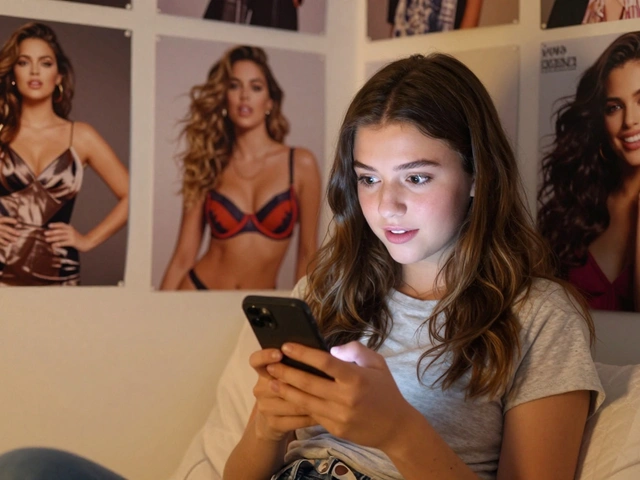
For decades, the fashion industry told women there was only one acceptable body type. Narrow shoulders. Tiny waist. Long legs. If you didn’t fit that mold, you were invisible. But something shifted. Not because of a trend, not because of a marketing campaign - but because real women refused to stay silent. Plus size models didn’t just walk runways; they rewrote the rules.
They Weren’t Supposed to Be Here
In the early 2000s, plus size models were rare. When they did appear, it was often in separate sections - ‘Plus Size Lookbook,’ ‘Curve Collection’ - as if their bodies were a niche, not a reality. Brands treated them like a checkbox: ‘We have one. We’re done.’ But the women who walked those runways had other plans. They didn’t just want to be seen. They wanted to be normal.
Robyn Lawley, one of the first plus size models to break into major fashion magazines, remembers being told her measurements were ‘too big’ for Vogue. She was 26. She was 5’10”. She wore a size 14. That was enough to make editors nervous. But she kept showing up. And slowly, others followed.
Breaking the Size Ceiling
Before 2015, most high-fashion runway shows didn’t feature a single model above size 8. Then came Ashley Graham. Not just a model - a force. She walked for New York Fashion Week in 2016, not as a ‘special guest,’ but as a regular. She graced the cover of Sports Illustrated Swimsuit Issue in 2016 - the first curvy model to do so. And she didn’t stop there. She demanded to be on magazine covers, in ad campaigns, on billboards. Not as a ‘curvy option,’ but as the main attraction.
By 2020, the numbers started to change. According to data from the Fashion Spot, 24% of runway models in major fashion weeks were size 12 or larger. That’s up from 3% in 2015. It wasn’t an accident. It was a movement.
The Brands That Led the Way
Change didn’t come from the top. It came from the bottom - from customers who said ‘no.’ When Lane Bryant launched its ‘I’m a Woman’ campaign in 2016, it wasn’t just advertising. It was a declaration. Women responded. Sales jumped 30% in one year. Other brands took notice.
Savage X Fenty, Rihanna’s lingerie line, made diversity its core. No ‘plus size’ section. No ‘regular’ section. Just models - all sizes, all skin tones, all shapes - in the same ad. No filters. No airbrushing. Just real skin. Real curves. Real confidence. By 2024, Savage X Fenty had over 200 models in its campaigns, and 42% of them were size 16 or above.
Even fast fashion giants like ASOS and H&M started to take notice. ASOS launched its ‘Curve’ line in 2018. By 2025, it accounted for 38% of their total sales. H&M’s ‘Plus’ collection went from a single rack in 2015 to being stocked in 92% of its global stores by 2024.

The Real Impact
This isn’t just about clothes. It’s about identity. A 2023 study from the University of California found that young women who regularly saw plus size models in media reported 41% higher self-esteem than those who didn’t. Girls started saying, ‘I can look like that too.’ Not ‘I wish I looked like that.’ Not ‘I need to lose weight to look like that.’ Just, ‘I can look like that.’
Parents told their daughters they didn’t need to shrink to be beautiful. Teachers noticed fewer students skipping lunch or avoiding gym class. Social media exploded with hashtags like #EffYourBeautyStandards and #BodyPositivity. Suddenly, being curvy wasn’t a flaw - it was a statement.
Behind the Scenes
But the industry didn’t change overnight. It took pressure. It took lawsuits. It took women speaking up - and quitting.
In 2019, model Iskra Lawrence walked off a shoot after being told she had to ‘lose five pounds’ to fit into a sample. She posted the story online. Within 48 hours, over 120,000 people shared it. The brand apologized. They changed their policy. They started working with a new sizing team. That’s how change happens: one refusal, one post, one conversation at a time.
Agents began to realize: curvy models weren’t a ‘niche.’ They were a market. And they were loyal. A 2024 report by McKinsey found that women size 14 and above spend 20% more on fashion annually than their straight-size counterparts. And they’re more likely to stick with brands that represent them.

Who’s Leading Now?
The pioneers are still out there. Ashley Graham, Tess Holliday, Paloma Elsesser, and Jameela Jamil aren’t just models - they’re activists. They speak on panels. They design clothing lines. They call out brands that still use size 0 models to represent ‘all women.’
And the new generation? They’re even bolder. Models like Paloma Elsesser, who is size 18 and has walked for Gucci and Balenciaga, don’t ask for permission. They show up. They demand equal pay. They insist on being booked for the same campaigns as size 4 models. And brands are starting to listen.
The Work Isn’t Done
Yes, things are better. But progress isn’t perfect. Many brands still use size 12 as their ‘plus size’ cutoff. That leaves out half the population. Some agencies still refuse to sign models over size 16. Photoshoots still get airbrushed - just more subtly now.
And while mainstream media celebrates plus size models, they’re still rarely shown in luxury campaigns, high-end jewelry ads, or editorial spreads in Vogue Paris. The industry still treats size as a category, not a continuum.
The real test? When a size 22 model walks the runway at Milan Fashion Week and no one thinks it’s a surprise.
What’s Next?
The next wave isn’t just about size. It’s about inclusion. It’s about models with stretch marks, cellulite, scars, stretch marks, and disabilities. It’s about models who aren’t just thin or curvy - but tall, short, dark-skinned, light-skinned, bald, tattooed, and transgender.
Plus size models opened the door. Now, the industry has to let everyone walk through it - not as a trend, not as a photo op, but as a permanent part of fashion’s future.
The message is clear: beauty doesn’t come in one size. It never did. And now, the world is finally seeing that.
Are plus size models paid the same as straight-size models?
In theory, yes - but in practice, often no. According to industry reports from 2024, plus size models still earn 15-20% less on average than straight-size models for the same campaigns. This gap exists because many brands still treat plus size modeling as a ‘special project’ rather than standard practice. However, top-tier plus size models like Ashley Graham and Tess Holliday have closed that gap by negotiating equity, owning their image rights, and building their own brands.
What size is considered ‘plus size’ in fashion?
There’s no universal standard, but in the U.S., most brands define plus size as starting at size 14. Some use size 12, others start at size 16. The industry is moving toward size-inclusive labeling - where size 10 and above is considered ‘curve’ or ‘extended size.’ But many retailers still separate ‘plus’ from ‘regular,’ reinforcing the idea that larger bodies are different - not normal.
Can you become a plus size model without being a size 16?
Yes. Many agencies now look for body diversity, not just numbers. A size 12 model with strong presence, unique features, or a compelling story can land major campaigns. The focus is shifting from measurements to attitude, confidence, and authenticity. Brands like Savage X Fenty and Aerie prioritize personality over size charts.
Do plus size models face discrimination in the industry?
Absolutely. Many still face pressure to lose weight before shoots, are excluded from high-fashion shows, or are only hired for ‘plus size’ campaigns while straight-size models get mainstream exposure. Some agencies refuse to sign models over size 16. Even when hired, plus size models often get fewer retakes, less lighting, and lower pay. But the pushback from models and consumers is growing - and it’s working.
How can I support plus size models?
Buy from brands that feature diverse models. Follow and engage with plus size models on social media. Call out brands that still use only one size. Demand representation in ads, magazines, and runway shows. And most importantly - stop believing that beauty has a size limit. Your attention and your spending power are the most powerful tools you have.