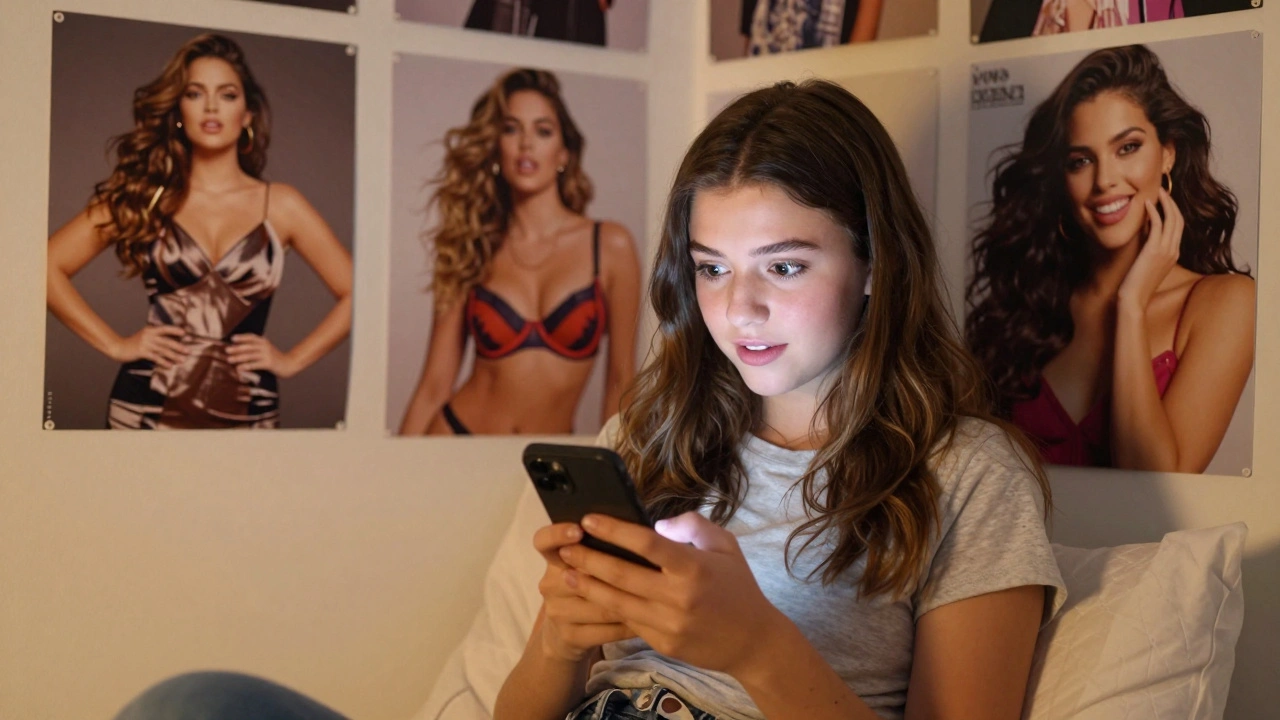
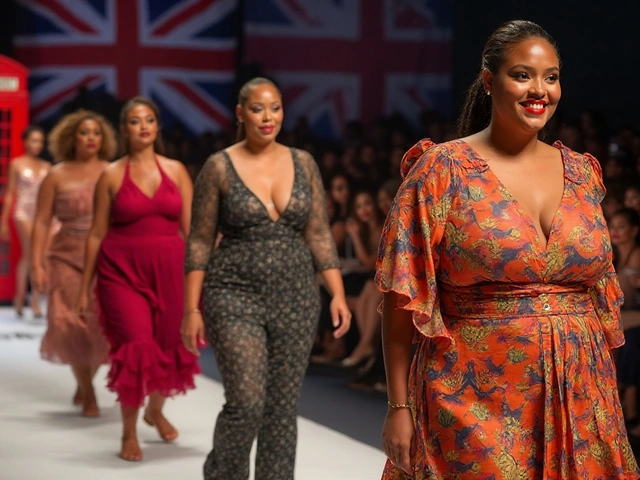
Curvy models aren’t just breaking rules-they’re rewriting them. Ten years ago, runways and magazine covers were dominated by one body type. Today, a 14-year-old girl scrolling through Instagram sees curvy models wearing the same designer dresses as size-zero models. She sees them in ads for major brands, walking for top fashion houses, and holding beauty contracts with global cosmetics companies. This isn’t a trend. It’s a cultural reset.
What Changed? The Rise of Real Bodies
The shift didn’t happen because brands woke up one day feeling generous. It happened because consumers demanded it. In 2017, a teenager in Texas started a petition asking Target to include curvy models in their catalog. It got 1.2 million signatures. By 2020, Target had over 40% of its campaign imagery featuring models sizes 12 and up. Similar movements pushed ASOS, Savage X Fenty, and Aerie to stop using airbrushing and show real skin, stretch marks, and cellulite.
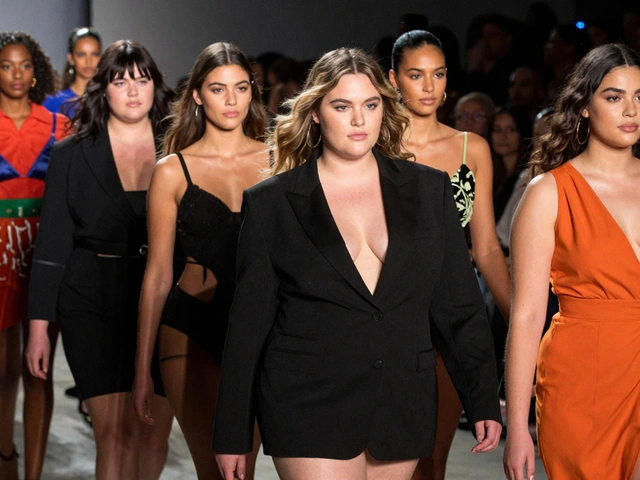
It wasn’t just retail. The fashion industry had to respond. In 2023, the Council of Fashion Designers of America officially updated its guidelines to require at least 30% of models on runways to be size 12 or larger. That’s not a suggestion-it’s a rule. Designers who ignore it lose access to major fashion weeks in New York, London, and Milan.
Why Curvy Models Matter More Than Ever
Think about the last time you saw a child staring at a magazine. What did they see? A perfect waist? Flawless skin? Or someone who looked like them?
Studies from the University of Oxford’s Centre for Body Image Research show that girls ages 10-16 who regularly see curvy models in media report 42% higher self-esteem than those who don’t. They’re less likely to diet, less likely to feel ashamed of their bodies, and more likely to believe they belong in spaces like fashion, sports, or art.
Curvy models aren’t just models-they’re mirrors. For too long, the fashion world told girls their bodies were wrong. Now, they’re being told: Your body is not a problem to fix. It’s a canvas to celebrate.
Who Are the Curvy Models Changing the Game?
Names like Ashley Graham, Tess Holliday, and Paloma Elsesser aren’t just famous-they’re influential. But the real change is happening with the new generation. Meet Nabela Noor, a Bangladeshi-American model who built a brand around unretouched photos and honest captions. Or Gabi Gregg, who turned her blog into a global movement called Curvy Girl, now followed by over 2 million women.
Then there’s the quiet revolution happening in smaller markets. In Brazil, models like Lais Ribeiro and Ana Beatriz Barros have been pushing for size diversity since the early 2010s. In South Korea, where the beauty standard was once painfully narrow, brands like Innisfree and Etude House now feature size 14 models in their ads. Even in Japan, where size 10 was once the norm, major retailers like Uniqlo now stock up to size 22 and show those sizes in campaigns.
The message is clear: beauty doesn’t shrink to fit a mold. It expands to fit the world.
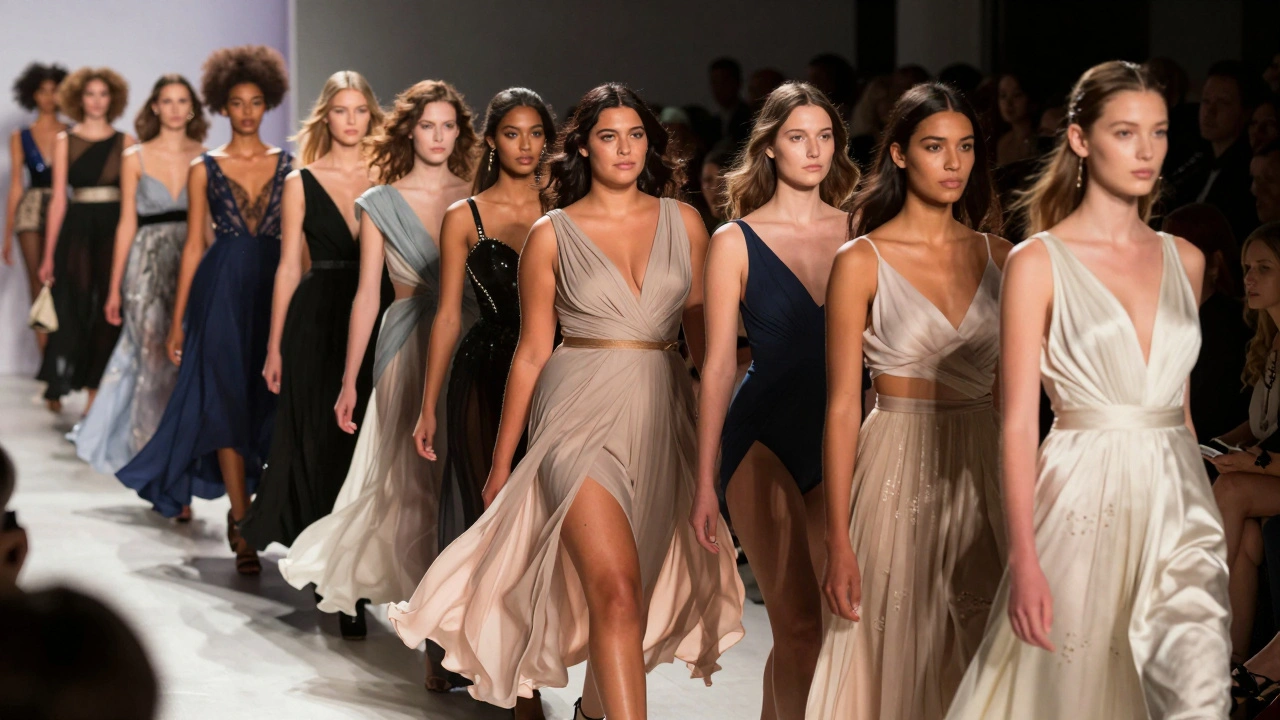
How Brands Are Actually Doing It Right
Some companies still use curvy models as a checkbox. They hire one plus-size model, put her in a single ad, and call it diversity. That’s not inclusion-it’s tokenism.
True inclusion looks like this:
- Designing clothes that fit size 12-24 bodies from the start-not as an afterthought.
- Using the same lighting, angles, and styling for curvy models as for straight-size models.
- Putting curvy models in high-fashion editorials, not just “plus-size” sections.
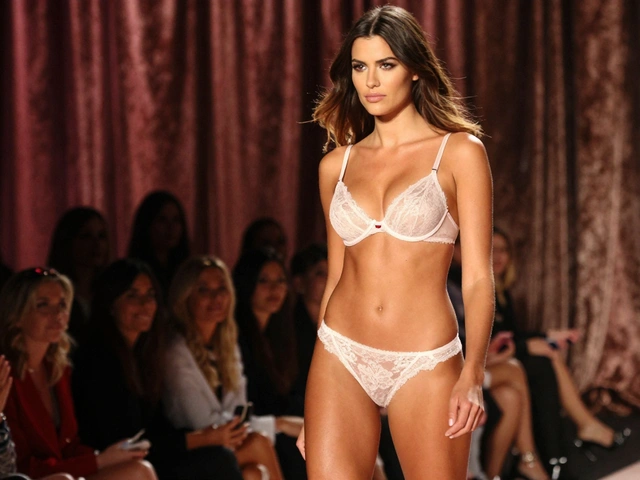
- Hiring curvy models for skincare, makeup, and fragrance campaigns-not just underwear.
Savage X Fenty, Rihanna’s lingerie brand, has been doing this since 2018. Their shows feature models of every size, skin tone, ability, and gender identity. No one is “the curvy one.” They’re just models. And because of that, their sales grew 270% between 2019 and 2024.
The Ripple Effect: Beyond Fashion
The impact of curvy models doesn’t stop at clothing. It’s changing how we think about health, fitness, and even medicine.
Doctors are now trained to stop assuming that every patient over size 14 has diabetes or high blood pressure. A 2025 study from the British Medical Journal found that when patients saw curvy doctors in public health ads, they were 58% more likely to schedule check-ups.
Even gyms are changing. Planet Fitness launched its “No Judgments” campaign with curvy instructors leading classes. The result? Membership among women sizes 14-22 jumped 63% in two years.
When you see yourself reflected in media, you start believing you belong in the world. That’s powerful.
What’s Still Missing?
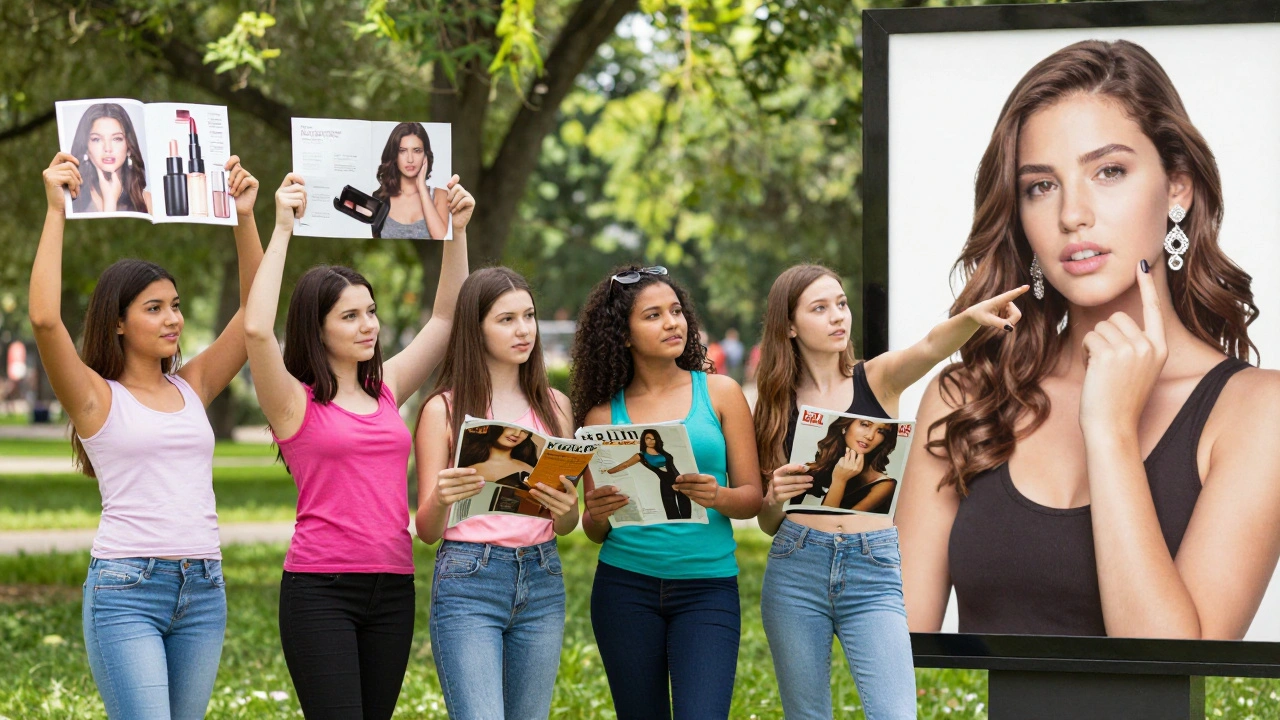
Progress isn’t perfect. Many brands still treat curvy models as a niche. They’re rarely seen in luxury fashion campaigns. High-end jewelry ads still feature thin models. Runways in Paris and Milan still have fewer curvy models than they should.
And the media still pushes the myth that “curvy” means “overweight.” That’s not true. Curvy is a body shape-not a health label. You can be curvy and fit. You can be curvy and strong. You can be curvy and healthy.
There’s also a lack of representation for curvy women of color, disabled curvy women, and older curvy women. The movement is growing, but it’s not complete.
What This Means for the Next Generation
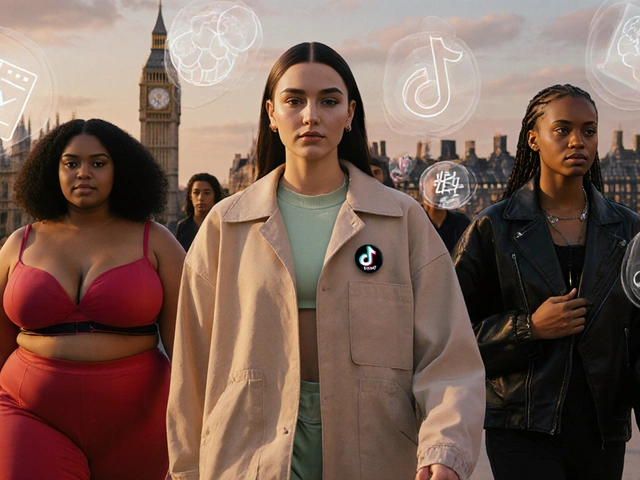
Imagine a girl growing up today. She doesn’t have to hide her body. She doesn’t have to feel like she needs to lose weight to be seen. She sees models who look like her on billboards, in TikTok ads, and on the covers of Vogue.
She learns that beauty isn’t a single size. It’s not a number on a scale. It’s confidence. It’s presence. It’s owning your space.
That’s the real power of curvy models. They’re not just wearing clothes. They’re changing how a generation sees itself.
How You Can Support the Movement
You don’t have to be a model to help. Here’s how you can make a difference:
- Follow curvy models on social media. Like, comment, share.
- Buy from brands that feature diverse models. Vote with your wallet.
- Call out brands that use tokenism. Ask: “Where are the other sizes?”
- Teach kids to see beauty in all forms. Show them ads with curvy, tall, short, disabled, and older models.
- Don’t say “you look better now” to someone who lost weight. Say “you look happy.”
Change doesn’t happen because of one campaign or one runway show. It happens because millions of people choose to see differently-and then act on it.

January 14, 2026 AT 21:35
Dawn Dougherty
Okay but why do we need to celebrate bodies like they're trophies? 🤷♀️ I mean, I'm curvy too, but I don't need a model to tell me I'm beautiful. Just let people be normal.
January 15, 2026 AT 12:46
Beverly DeSimone
I really appreciate how this post highlights real change-not just performative diversity. The stats on self-esteem are powerful, and the shift in retail practices shows that consumer pressure actually works. It’s not just about representation; it’s about dignity.
January 16, 2026 AT 03:22
Kathy Irion
I must say... this is one of the most thoughtful, well-researched pieces I've read on body positivity in years. The inclusion of global examples-from Brazil to South Korea-is especially moving. Thank you for not reducing this to a US-centric narrative. It’s about humanity, not just fashion.
January 17, 2026 AT 00:20
Marie Elizabeth
I’m glad we’re moving past the idea that ‘curvy’ means ‘overweight.’ It’s a shape, not a diagnosis. I’ve seen too many women told they need to lose weight before they can be ‘beautiful.’ That’s not empowerment-it’s coercion. 🌸
January 17, 2026 AT 14:04
Danny van Adrichem
Let’s be real-this whole movement is just a corporate scam. Big fashion knows that if they slap a curvy model on a billboard, they can charge more for ‘inclusive’ products. Meanwhile, the same brands still pay their thin models 3x more. And don’t get me started on how they use ‘body positivity’ to sell more junk food to women while calling it ‘self-love.’ 🤖💸
January 18, 2026 AT 02:15
Nishad Ravikant
This is beautiful. In India, we are slowly seeing change too. My niece now asks why all the ads show only thin girls. She says, 'Aunty, my mom looks like the models in that new ad.' That means everything.
January 18, 2026 AT 14:53
S.l F
I commend the authors of this piece for their meticulous attention to detail and their commitment to presenting a balanced perspective. The inclusion of measurable outcomes, such as the 42% increase in self-esteem and the 270% sales growth at Savage X Fenty, demonstrates the tangible impact of inclusive representation. This is not merely ideological-it is economic, psychological, and cultural progress.
January 19, 2026 AT 17:02
Lisa Sanders
This is what happens when you let woke culture take over! Who decided that fat people should be on magazine covers?! We used to have standards! Now kids think being unhealthy is cool! It's disgusting!
January 21, 2026 AT 07:37
Joe Brown
I work in retail design. We used to put plus-size models in the back corner of the catalog. Now we put them front and center-same lighting, same styling, same hero treatment. Sales went up. Customers cried. It wasn’t a trend. It was just right. Don’t overthink it. Just do better.
January 23, 2026 AT 06:54
Suresh Suresh
The real win is when a kid sees someone like them and doesn’t feel broken