Every model knows the drill: you show up for a shoot, the photographer says "just be natural," and suddenly you’re frozen like a mannequin in a department store window. You’ve got the face, the body, the confidence-but if your poses don’t tell a story, your portfolio won’t either. The truth? It’s not about looking perfect. It’s about looking alive.
Why Most Model Poses Fall Flat
Most portfolios look the same because models copy what they see online. A hand on the hip. A slight turn of the head. A smirk. These aren’t bad poses-they’re just overused. When a casting director sees ten portfolios with the exact same pose, they don’t see talent. They see repetition.What separates standout portfolios from the rest? Specificity. Intention. Emotion. A pose isn’t just how your body is arranged-it’s how you’re feeling in that moment. The difference between a good pose and a great one is the story behind it.
1. The Weight Shift: Lean Into Your Body
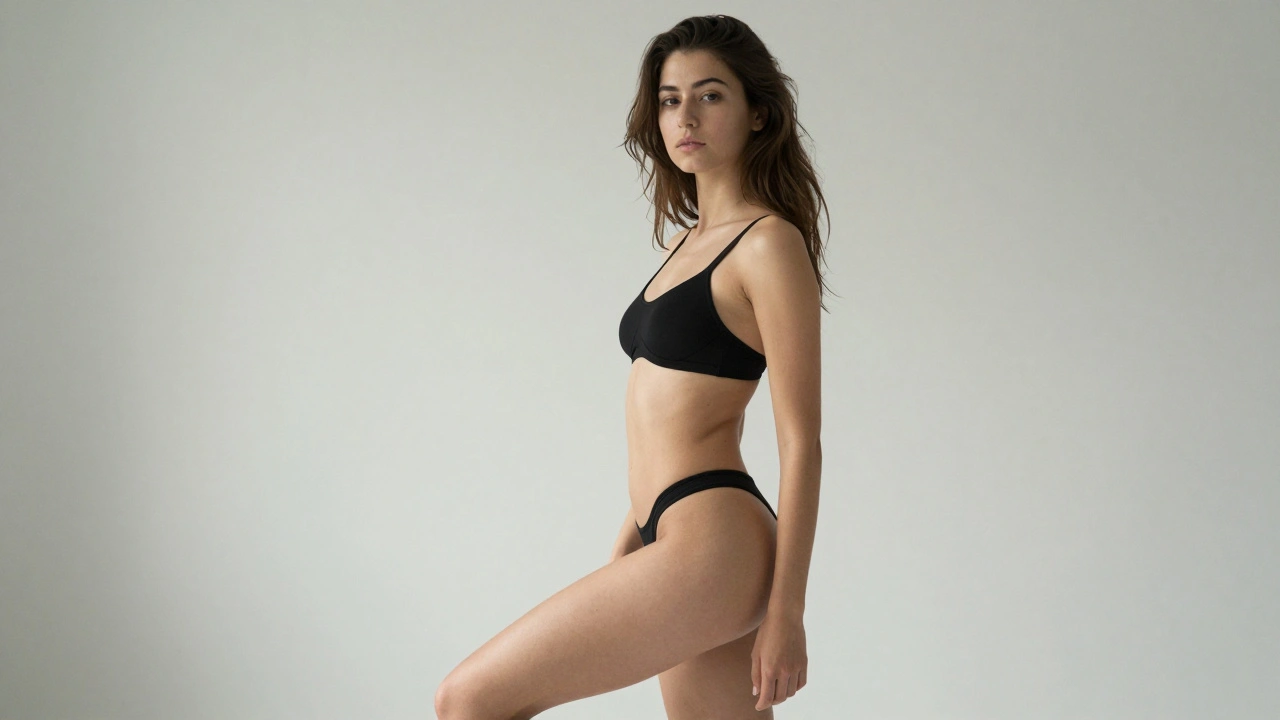
Stop standing straight up. Seriously. Standing with both feet flat and shoulders squared is the default setting for every beginner. It looks stiff. It looks safe. And safe doesn’t sell.Try this: shift your weight onto one leg. Let the other leg relax, knee slightly bent. Now tilt your pelvis just a little forward. Your spine should curve naturally, not forced. Your hip on the weight-bearing side lifts slightly, creating a subtle S-curve. Your shoulders stay relaxed but angled away from the camera.
This pose works for everything: fashion, editorial, even commercial. It’s flattering, dynamic, and looks effortless. You’re not posing-you’re breathing. Models like Gigi Hadid and Adwoa Aboah use this constantly because it creates movement without motion.
2. The Over-the-Shoulder Glance
This isn’t just a look. It’s a moment. Turn your body at a 45-degree angle to the camera. Then, slowly, deliberately, turn your head back over your shoulder. Don’t snap it. Don’t stare. Let your eyes follow your movement like you just heard something interesting.Here’s the trick: your mouth should be slightly open-not smiling, not pouting. Just relaxed. Your eyebrows are neutral. Your neck is long. You’re not trying to be sexy. You’re curious. That’s what makes it magnetic.
This pose is gold for editorial spreads and lookbooks. It shows personality without saying a word. It’s the kind of image that makes people pause on their feed. It’s the pose that gets you called back for a second round of casting.
3. The Grounded Arch: Power in Stillness
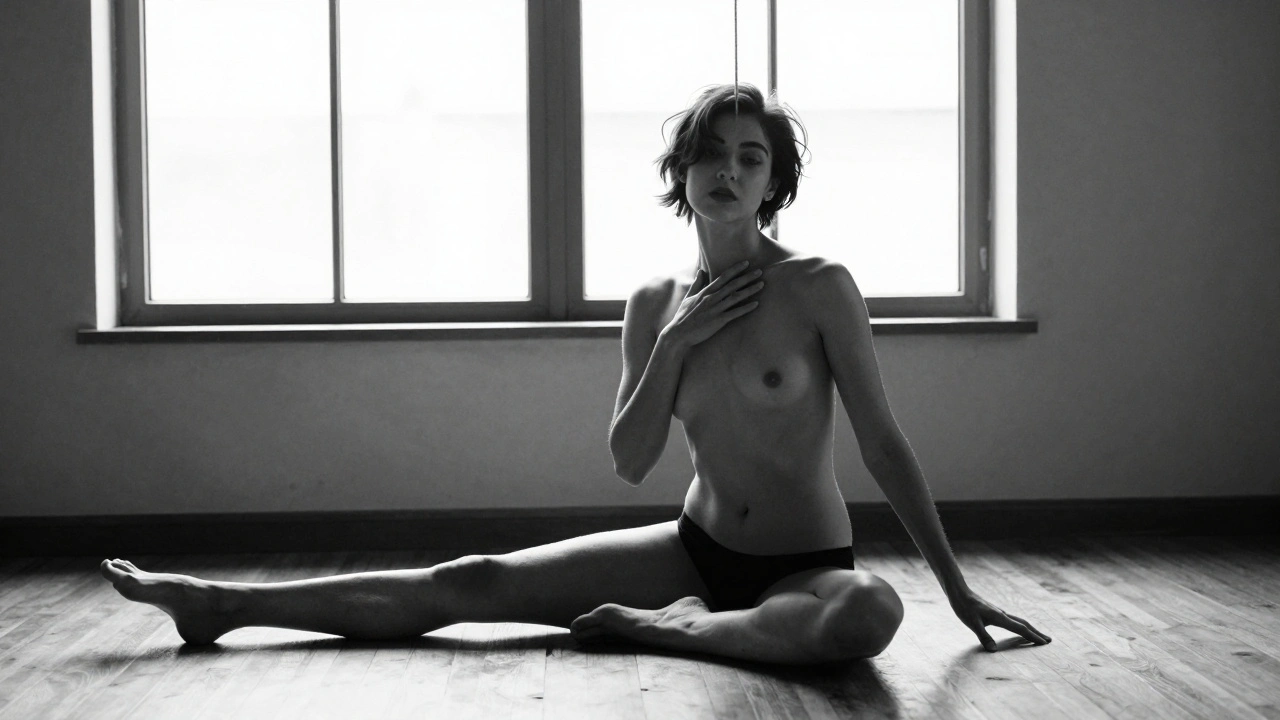
Sit on the floor. Cross your legs. Now lift your chest. Not by pushing your shoulders back-that’s awkward. Instead, imagine a string pulling the crown of your head toward the ceiling. Let your spine lengthen. Your arms rest gently on your thighs or drape behind you.Now, tilt your head slightly down, eyes looking just past the camera. This isn’t shy. It’s contemplative. It says, "I’m here, but I’m thinking about something bigger."
This pose works best in natural light, near a window or outside. It’s perfect for lifestyle brands, organic fashion lines, or wellness campaigns. It’s calm. It’s strong. And it’s rare. You won’t see this pose in 80% of portfolios.
4. The One-Legged Balance: Controlled Chaos
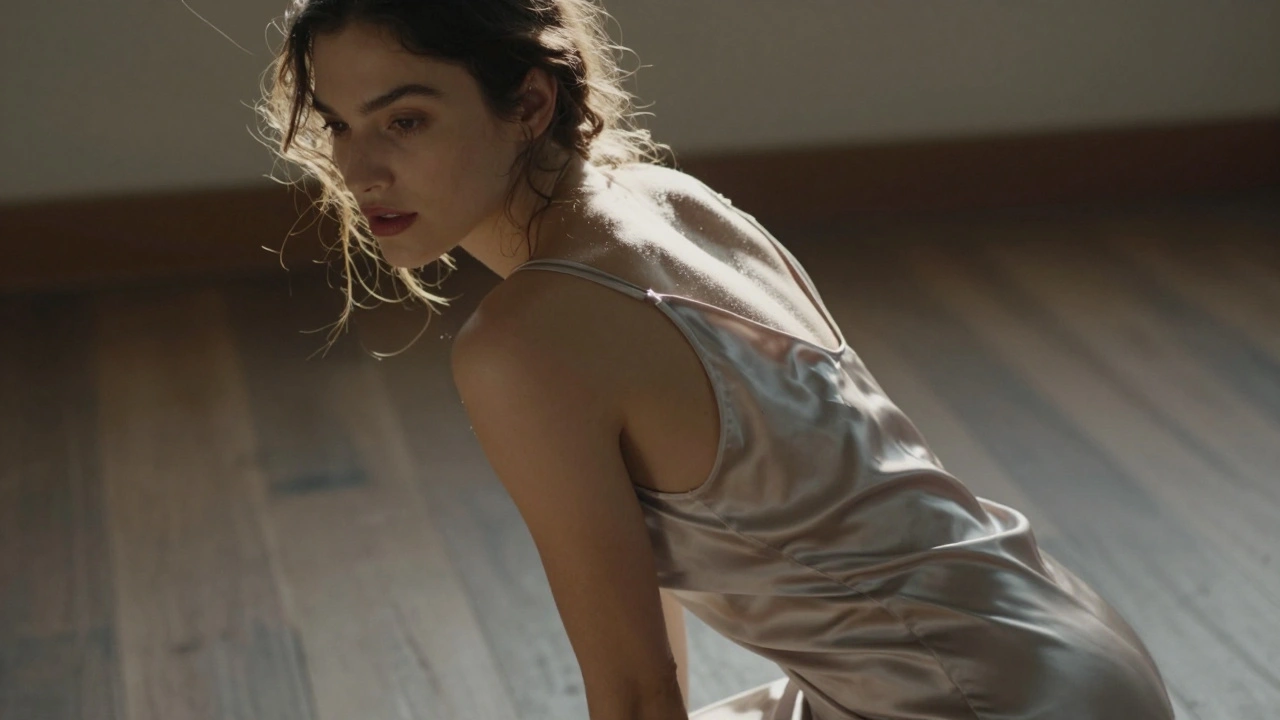
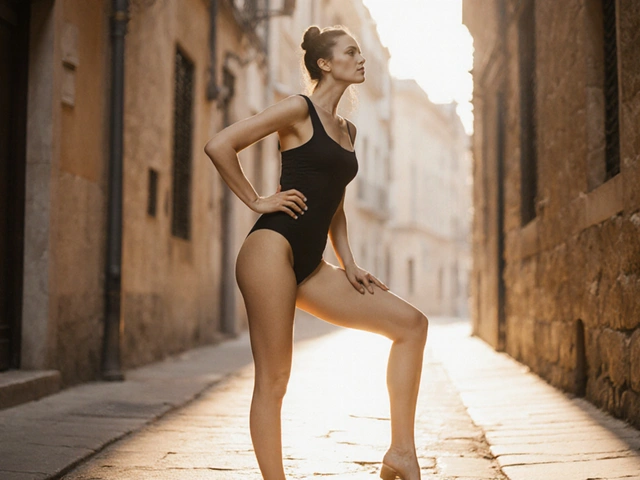
Stand on one leg. Bend the other knee, foot lifted behind you. Let your arms float out like wings-not rigid, not flailing. Your torso leans just a hair forward. Your gaze is straight ahead, not down at your foot.This pose looks like a dance move. But it’s not. It’s control. You’re not trying to look athletic-you’re trying to look like you’re caught mid-thought, mid-motion. The key? Don’t hold your breath. Breathe slowly. Let your muscles tremble just a little. That’s real. That’s human.
This pose is ideal for sportswear, swimwear, or avant-garde fashion. It’s bold without being loud. It shows strength, balance, and grace all at once. And because it’s hard to do well, very few models nail it. That’s your edge.
5. The Hand-to-Neck Touch: Vulnerability as Power
Bring one hand up to your neck. Not to cover it. Not to flirt. Just to touch it. Fingers lightly grazing the collarbone. Your other hand rests at your side, relaxed.Now drop your chin just a fraction. Your eyes look slightly downward, not away. Your lips are closed. There’s no smile. No frown. Just stillness.
This pose is quiet. It’s intimate. It’s the kind of image that makes people lean in. It’s used in high-end beauty campaigns and minimalist fashion. It works because it doesn’t scream. It whispers. And whispers get remembered.
6. The Walking Pose: Motion Frozen
You’re not standing. You’re mid-step. One foot slightly ahead, heel lifted. Your body leans forward with the momentum. Your arms swing naturally-one slightly bent, the other extended.Look straight ahead, not at the camera. Your expression? Neutral. Maybe even slightly distracted. Like you’re walking to meet someone important.
This pose is one of the most natural-and most overlooked. It looks like candid life, not staged photos. It’s perfect for streetwear, urban fashion, and lifestyle branding. Brands like Zara and COS use this look because it feels real. And real sells.
7. The Back Turn: Let the Body Speak
Turn your back to the camera. But don’t just stand there. Shift your weight. One hip out. One shoulder slightly higher. Let your hair fall naturally over one shoulder. Your arms hang loosely, fingers brushing your thighs.Now, tilt your head just enough so the side of your neck is visible. Not too much. Just enough to show the line from your ear to your collarbone.
This pose is powerful because it’s mysterious. It doesn’t show your face, but it tells everything about you. It’s used in luxury fashion, lingerie, and swimwear. It’s the pose that makes people wonder: "Who is she?" And that’s exactly what you want.
What to Avoid at All Costs
Some poses are dead on arrival. Don’t use them.- "The Duck Face"-it’s 2015. Move on.
- "The Over-Exaggerated Hip Tilt"-it looks like you’re trying too hard.
- "The Over-Smiling"-unless you’re selling toothpaste, it’s not helping.
- "The Finger Point"-it’s aggressive, not stylish.
- "The Double Chin Pose"-tilt your head up, don’t jut your chin forward.
These aren’t just ugly. They’re lazy. And in a world where every model has a phone and a filter, laziness is the fastest way to get ignored.
How to Practice Without a Photographer
You don’t need a pro to get great poses. You need consistency.- Set your phone on a tripod or stack of books. Use the timer.
- Do 10 minutes a day. Not an hour. Ten minutes. Focus on one pose. Nail it.
- Record yourself. Watch it back. Where do you look stiff? Where do you smile too much? Where do you lose your posture?
- Study real people. Watch how someone walks down the street. How they sit on a bench. How they turn to look at a friend. Copy that.
Great poses aren’t invented. They’re observed.
Final Tip: Your Portfolio Should Tell a Story
Don’t just collect poses. Curate them. Your portfolio isn’t a scrapbook. It’s a movie trailer. It should make someone want to see the full film.Start with a strong opening pose-something bold, like the one-legged balance. End with something quiet-like the hand-to-neck touch. In between, show range: movement, stillness, power, vulnerability. Show you can do more than one thing.
And never include more than 12 images. Less is more. A portfolio with five perfect poses beats twenty mediocre ones every time.
What are the most important poses for a beginner model’s portfolio?
Start with the weight shift, the over-the-shoulder glance, and the grounded arch. These three poses are versatile, flattering, and show emotion without being overdone. They work for fashion, editorial, and lifestyle work. Master these before moving to more advanced poses like the one-legged balance or back turn.
How many poses should I include in my portfolio?
Keep it to 8-12 images max. Quality beats quantity every time. Include a mix of standing, sitting, walking, and close-up poses. Make sure each image shows a different side of you-energy, calm, strength, softness. Avoid repetition. If two images look too similar, cut one.
Do I need professional photos for a good portfolio?
Not necessarily. Many successful models started with phone photos taken in natural light. What matters is composition, expression, and posture. A well-lit, well-posed shot taken by a friend with a good camera can outperform a poorly directed professional shoot. Focus on technique, not equipment.
Should I include different types of poses for different modeling niches?
Yes. If you’re targeting fashion, focus on dynamic, elongated poses. For commercial, use approachable, smiling, and relaxed expressions. For editorial, lean into mood and abstraction. Don’t put bikini shots in your high-fashion portfolio. Tailor your selection to the job you want-not the one you think you’re good at.
How often should I update my portfolio?
Update it every 6-8 months, or after any major shoot. Remove older, weaker images. Add new ones that show growth. If your look has changed-hair, weight, style-your portfolio should reflect that. Agencies want to see your current self, not your past self.
Next Steps: Build Your Pose Library
Start today. Pick one pose from this list. Practice it for five days straight. Record yourself. Watch the video. Notice where you lose control. Where you smile. Where you tense up. Fix it. Then move to the next.Your portfolio isn’t about being perfect. It’s about being memorable. The right pose, at the right moment, with the right feeling-that’s what gets you booked. Not the most expensive shoot. Not the most followers. Just one powerful image that makes someone stop scrolling.


January 31, 2026 AT 07:00
Chrissy Brown
This is exactly what I needed! 🙌 Just started modeling last month and I was doing all the cliché poses-duck face, hip tilt, the whole cringe parade. Tried the weight shift yesterday and my friend said I looked like I was actually breathing. Mind blown. 💥
February 2, 2026 AT 02:53
Leanne McNally
so you're telling me the secret to not looking like a mannequin at target is... thinking? wild. i thought it was just lighting and filters tbh. also why is every model in these photos suddenly a poet? 😐
February 3, 2026 AT 18:03
Hannah Ronquillo
Just want to add-when practicing the grounded arch, try sitting on a yoga block or folded towel to elevate your hips slightly. It makes the spine alignment way more natural and reduces lower back strain. Also, breathe into your ribs, not your belly. That subtle expansion adds life to the pose without looking forced. Been teaching this to beginners for years and it’s a game-changer.
February 4, 2026 AT 16:21
Matthew Whitehead
The walking pose is underrated. I filmed a friend doing this on a Brooklyn sidewalk last week and it looked like a Calvin Klein ad. The key is not to pose at all. Just walk like you're late for coffee and forget the camera exists. That's the magic. No smirks. No angles. Just motion. Real people don't strike poses. They just exist. And that's what sells.
February 5, 2026 AT 06:38
Tony Giny
Back turn pose. That’s the one. No face. All vibe. Works in Tokyo, Paris, Lagos. Universal. Simple. Powerful.
February 6, 2026 AT 11:52
Kristin Kuchenbecker
Oh my gosh, yes! The hand-to-neck touch... it’s not just a pose, it’s a feeling, it’s a memory, it’s the quiet before the storm, it’s the moment you realize you’re alive, it’s the breath you didn’t know you were holding, it’s the silence between heartbeats, it’s the unspoken truth in a room full of noise, it’s... oh, I’m crying. I need to go practice this now.
February 8, 2026 AT 11:40
Marcia Chrisyolita
While I appreciate the aesthetic suggestions, I must point out that the entire premise of this article is culturally reductive. The "over-the-shoulder glance" is a direct appropriation of post-colonial Orientalist tropes in fashion photography-reducing non-Western femininity to a performative, passive gaze. The "grounded arch" mimics traditional Indian meditative postures without acknowledgment. And the insistence on "effortless" beauty ignores the labor of marginalized bodies who are forced to perform compliance to Eurocentric standards. This isn’t art. It’s commodified erasure.
Furthermore, the suggestion to use phone cameras ignores the systemic barriers faced by models without access to natural lighting or safe spaces to shoot. Your "ten minutes a day" advice is a luxury. Not everyone has a tripod, a quiet room, or the mental bandwidth to perform vulnerability for profit. Your portfolio isn’t a movie trailer-it’s a capitalist performance metric. And we’re all just extras in someone else’s aesthetic narrative.
February 8, 2026 AT 19:54
Richard Reyes
Thank you for the thoughtful breakdown of poses. I especially appreciate the emphasis on intention over aesthetics. I’ve worked with over 200 models in the last decade, and the ones who consistently book jobs aren’t the ones with the most edits-they’re the ones who can inhabit a moment. The hand-to-neck touch, in particular, is a hallmark of high-end editorial work. It requires emotional intelligence, not just physical control. I recommend pairing this with a slow exhale on the shot-subtle, but it changes everything.
February 9, 2026 AT 01:44
martha urquizu
Interesting how the article promotes "being real" while simultaneously prescribing seven exact poses. That’s not authenticity-that’s a script. And who decided these are the "right" poses? The same industry that tells women to lose weight, then punishes them for being too thin. This is control disguised as empowerment. And the "avoid duck face" list? That’s just gatekeeping. What if I want to smile? What if I want to be loud? What if I don’t want to whisper to be seen?
Also, why is every example a thin, white woman? Where are the curves? The scars? The stretch marks? The disabled bodies? The older models? This isn’t a guide to expression-it’s a filter.
February 10, 2026 AT 17:02
rohit patel
bro just look at instagram and copy. why overthink. all these poses are basic. i saw same stuff on tiktok. just smile and point.