Every great photograph tells a story - not with words, but with posture, tension, and stillness. The model’s pose isn’t just about looking good. It’s the silent language that carries emotion, sets the scene, and pulls the viewer into the moment. If you’ve ever stared at a photo and felt something - loneliness, joy, defiance - chances are, it was the pose that did the heavy lifting.
Why Pose Matters More Than You Think
A model standing with arms crossed isn’t just posing. They’re saying something. Maybe they’re guarded. Maybe they’re tired. Maybe they’re waiting. The difference between a flat, generic shot and one that sticks with you lies in the intention behind the pose. Think of it like acting. A model isn’t just holding a shape - they’re embodying a moment.
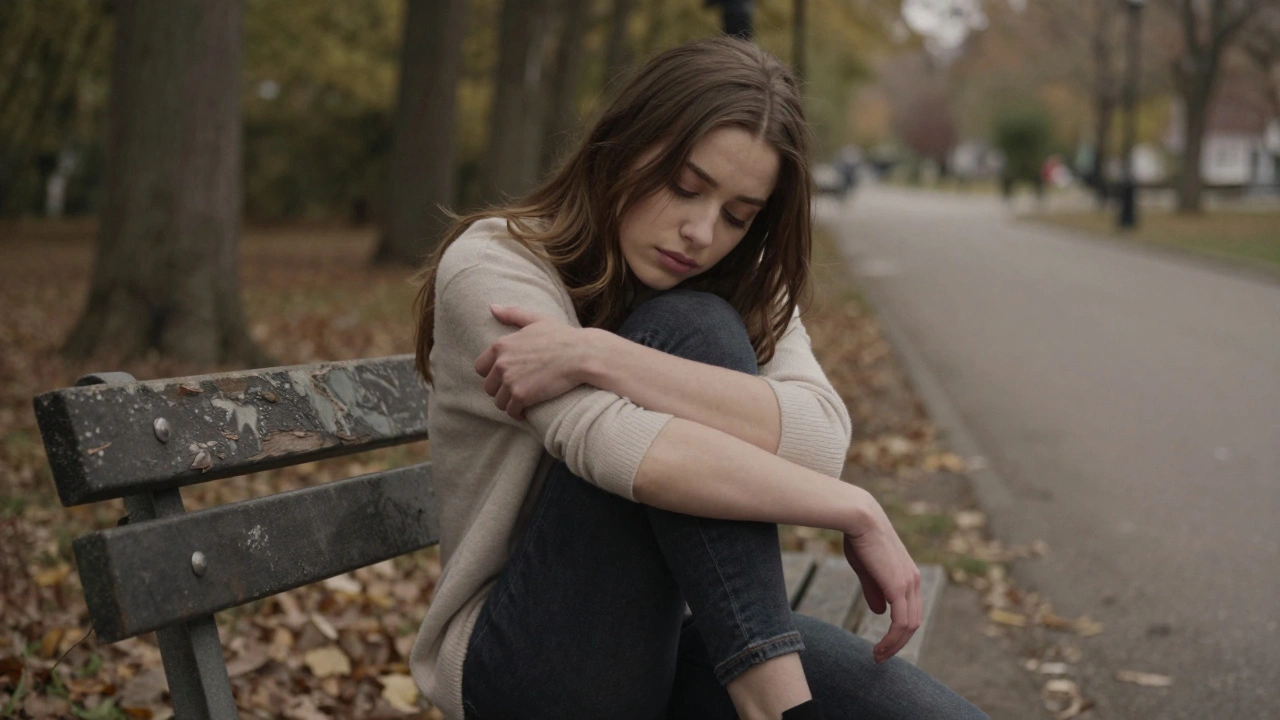
Take a photo from a 2023 campaign for a mental health nonprofit. The model sat alone on a park bench, one leg pulled up, arms wrapped loosely around it. Her head tilted down, eyes half-lidded. No props. No makeup. Just stillness. That image went viral because it didn’t scream "depression." It whispered it. And that whisper came from the pose.
Start With the Emotion, Not the Position
Too many photographers start by saying, "Do this pose." That’s backwards. First, ask: What feeling are we trying to show? Sadness? Power? Nervous excitement? Once you know the emotion, the pose follows.
- Loneliness → Small body shape, turned away, minimal contact with surroundings
- Confidence → Open chest, grounded stance, direct gaze
- Longing → One hand reaching, eyes looking off-frame, slight lean forward
- Exhaustion → Slumped shoulders, head resting on hand, uneven weight distribution
Don’t just copy poses from Instagram. Study how real people move when they’re not posing. Watch someone waiting for a bus. Notice how their weight shifts. How their hands fidget. How their posture changes when they’re tired versus excited. That’s where authentic poses live.
Use the Body Like a Brushstroke
Your model’s body is your brush. Every angle, curve, and line adds texture to the story.
Turn the hips 45 degrees instead of facing forward - it creates tension. Let one shoulder drop lower than the other - it feels human, not staged. Bend a knee slightly - it adds movement to a static shot. These aren’t "rules," but they’re tools.
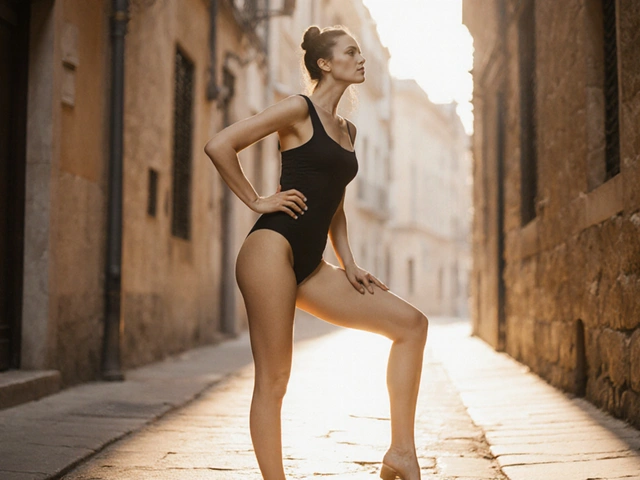
A 2024 editorial shoot in Bristol used this trick: the model stood with one foot on a low wall, the other on the ground. Her body twisted slightly, hand resting on her hip. The result? A sense of pause - like she’d just stopped walking, caught mid-thought. The photographer didn’t say "pose like this." He said, "Imagine you’re waiting for a text that never comes." The pose emerged from that feeling.
Connect Pose With Environment
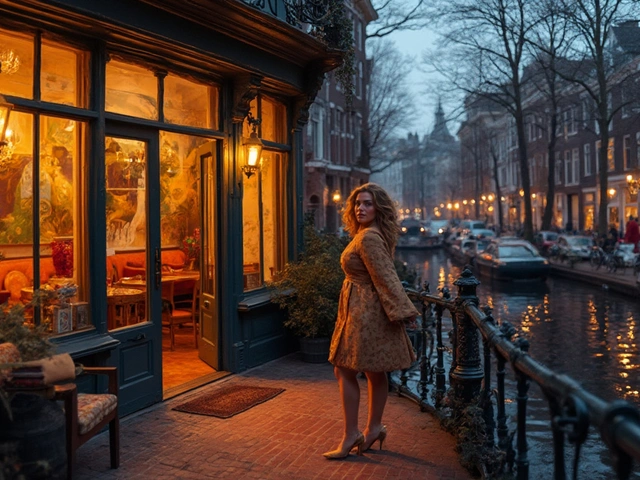
A pose alone doesn’t tell the whole story. It needs context. A model leaning against a cracked wall says something different than one leaning against a polished marble counter.
Use the space around them:
- Is the background cluttered? Then keep the pose simple - let the chaos contrast with stillness
- Is the setting empty? Add subtle movement - a hand brushing dust off a chair, a coat half-on
- Is there light coming from one side? Have the model turn into it. The shadow becomes part of the narrative
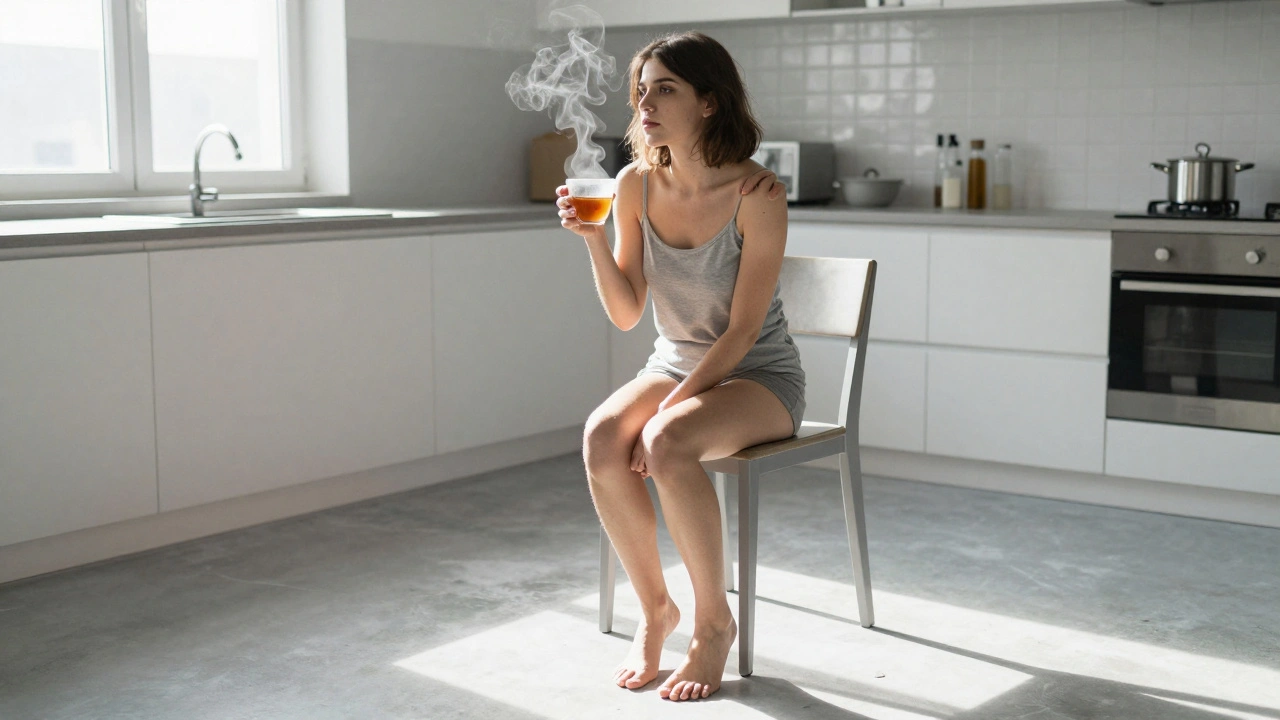
In a recent campaign for a London-based perfume brand, the model stood barefoot on a cold kitchen floor, one hand holding a half-drunk cup of tea. The steam curled upward. The pose was quiet. The environment was ordinary. But together, they whispered: "This moment matters."
Guide, Don’t Dictate
Never just say, "Do this." Instead, describe the feeling. "Can you imagine you just heard news you didn’t expect?" Then let them find the pose. Most models respond better to emotional cues than physical instructions.
Try these prompts:
- "What does regret look like in your body?"
- "If you were holding something precious but fragile, how would your hands hold it?"
- "How would you stand if you knew no one was watching?"
Watch how their face changes. Notice where their eyes go. Let them move. Then, when you see the right moment - click. Don’t over-correct. Sometimes the best pose happens when you’re not asking for it.
Break the "Perfect Pose" Myth
There’s no such thing as a perfect pose. Perfect is stiff. Perfect is lifeless.
Real stories live in asymmetry. In a crooked smile. In a hand that’s too far forward. In a shoulder that dips because the model’s tired. These aren’t mistakes. They’re humanity.
Look at the work of photographer Diane Arbus. Her subjects weren’t posed. They were caught - in mid-laugh, mid-sigh, mid-struggle. That’s the power you’re chasing. Not perfection. Presence.
Practice With Constraints
Want to get better? Try this: shoot a story using only three poses. No changing positions. No props. Just emotion, light, and the same three stances.
One photographer in Manchester did this with a teen model over two hours. The poses: sitting on the floor, standing with back to the camera, and lying on her side. Each time, she changed her expression, her breathing, her gaze. The result? A 12-image series that told the story of a girl processing a breakup - without a single word.
Constraints force creativity. They strip away the noise. And they teach you how much you can say with so little.
Look Beyond the Model
Storytelling isn’t just about the model. It’s about the space between them and the viewer. The empty chair beside them. The half-open door. The clock showing 3:17 a.m.
Use negative space. Let silence speak. A pose surrounded by nothing can be louder than one surrounded by props.
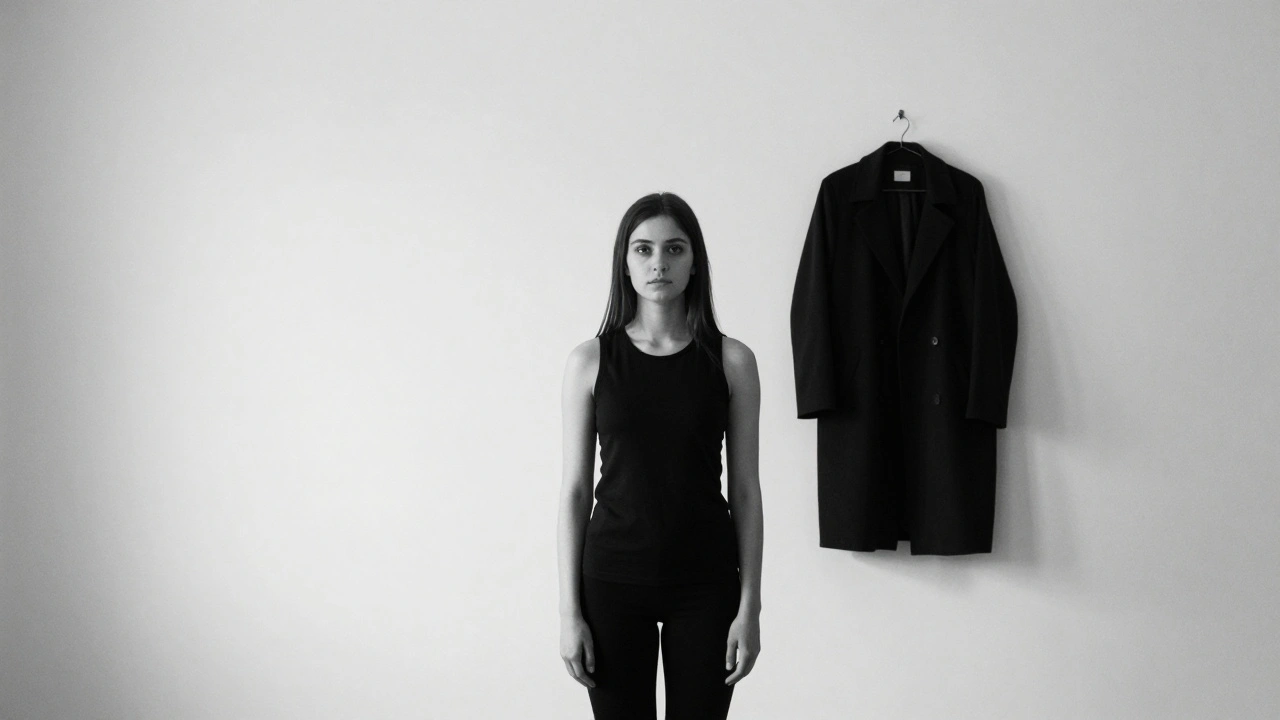
In a 2025 campaign for a domestic violence charity, the model stood in the center of a white room, arms loosely at her sides. Behind her, a single coat hung on a hook - slightly askew. That’s all. No bruises. No text. Just the coat. And the pose. The story was clear: someone left. And they never came back.
Final Thought: Pose Is the First Word
A photograph doesn’t need to explain everything. It just needs to say the first word. The rest? That’s up to the viewer.
When you use model poses to tell a story, you’re not directing a pose. You’re inviting someone into a moment. And if you do it right, they’ll remember it long after they’ve looked away.
Can model poses really convey complex emotions without facial expressions?
Yes - and often better. Facial expressions can be misleading or overdone. A slumped shoulder, a hand tucked into a pocket, or a head tilted just slightly can communicate grief, exhaustion, or longing more honestly than a forced smile. Photographers like Sally Mann and Richard Avedon built careers on capturing emotion through posture alone. The body holds truth even when the face doesn’t.
How do I know if a pose is working?
Look for stillness with tension. If the model looks relaxed but the image feels charged - that’s good. If you find yourself staring at the photo longer than you expected, it’s working. Also, ask yourself: Does this look like a real person in a real moment? If the answer is yes, you’re on track. If it looks staged, you’re over-directing.
Should I use poses from fashion magazines?
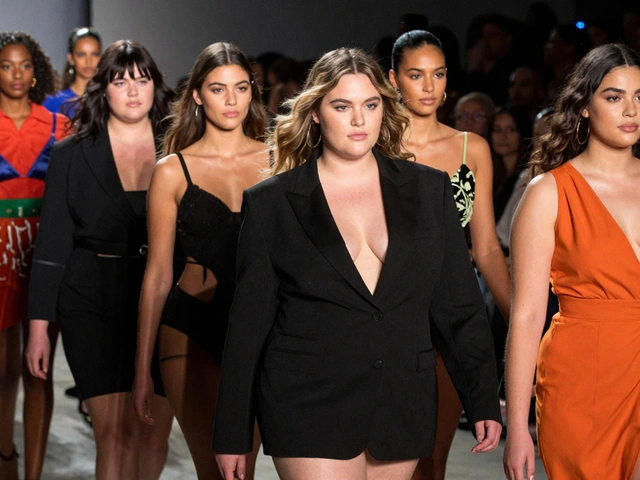
Use them for inspiration, not replication. Fashion poses are designed for beauty, not narrative. They’re often symmetrical, exaggerated, and disconnected from emotion. Real stories live in asymmetry, imperfection, and subtlety. If you’re telling a human story, steal the feeling - not the pose.
What if my model is uncomfortable posing?
Start with movement. Ask them to walk, stretch, or adjust their clothing. Capture them in motion - then pause them mid-action. Most people feel less pressure when they’re not "posing." You’ll often find more authentic expressions in those fleeting seconds than in a 10-minute pose session.
Can I use poses to tell a story with multiple people?
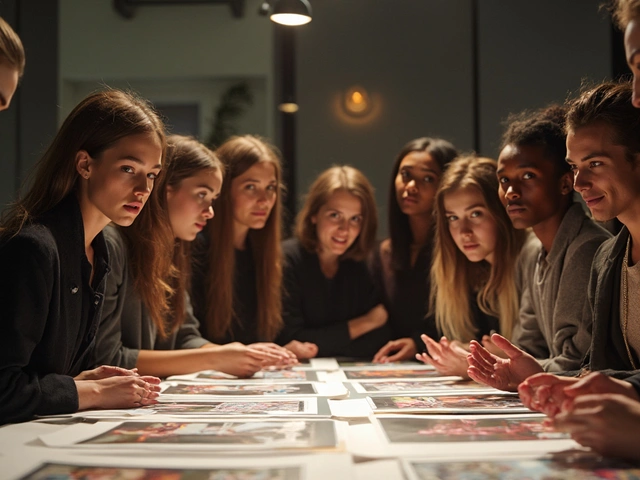
Absolutely. Group poses create relationships. A hand on a shoulder says support. Two people facing away from each other says distance. One person looking at another while the other looks away? That’s longing. Use spacing, angle, and touch to show connection - or lack of it. A group shot isn’t just a photo. It’s a scene.