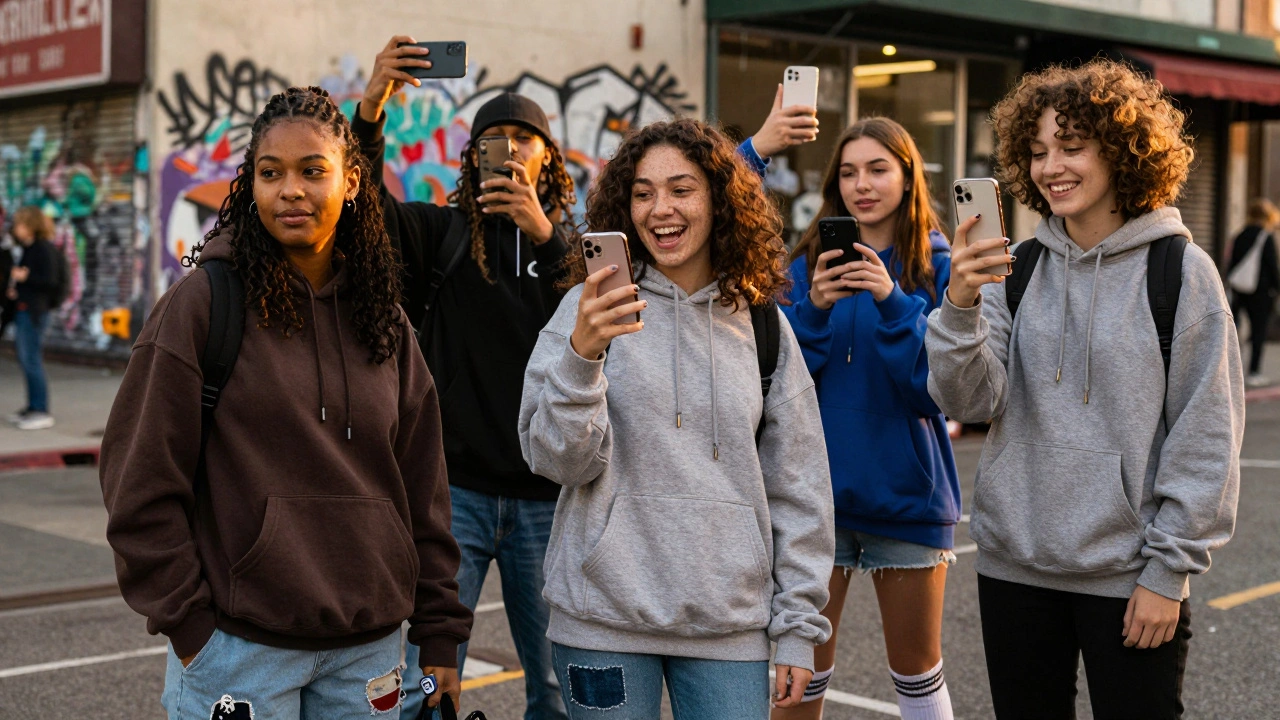
Teen models aren’t just walking the runway anymore-they’re setting it on fire. In 2023, the fashion world stopped pretending that teens were just the next generation of models. They became the driving force behind what’s hot, what’s sold, and what’s culturally relevant. Brands that ignored them got left behind. Those that listened? They saw sales jump, social media explode, and real conversations about identity, body image, and authenticity take center stage.
They’re Not Just Models-They’re Cultural Architects
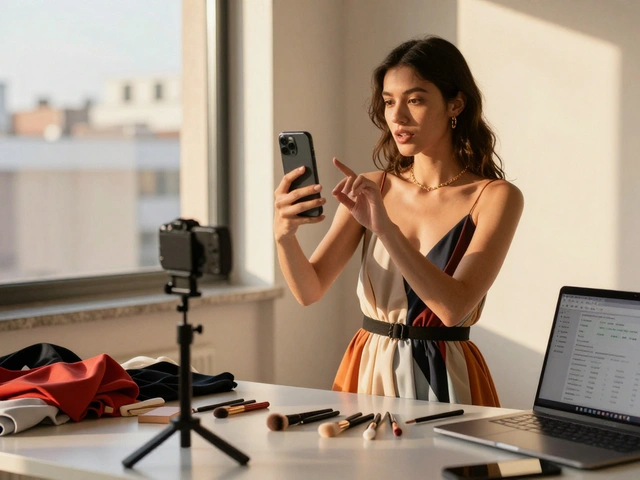
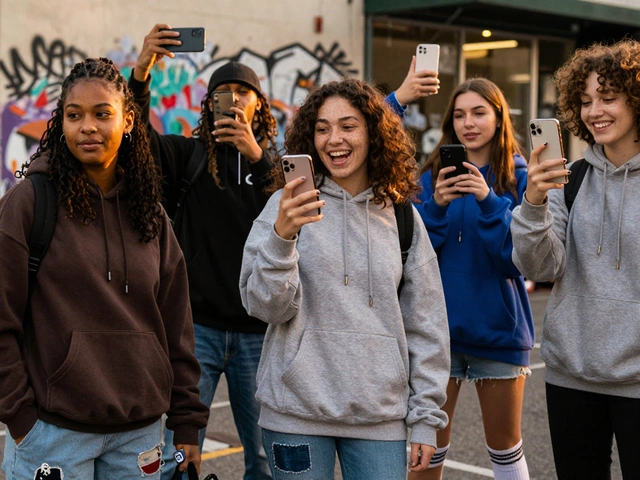
Think back to 2018. Teen models were often cast as the ‘fresh face’-young, quiet, and mostly decorative. Today? They’re speaking up. TikTok and Instagram turned them into influencers before they could legally drive. A 16-year-old model in Brooklyn posts a video wearing thrifted jeans and a cropped hoodie with no makeup, and suddenly, 500,000 people are searching for the same look. That’s not luck. That’s influence.
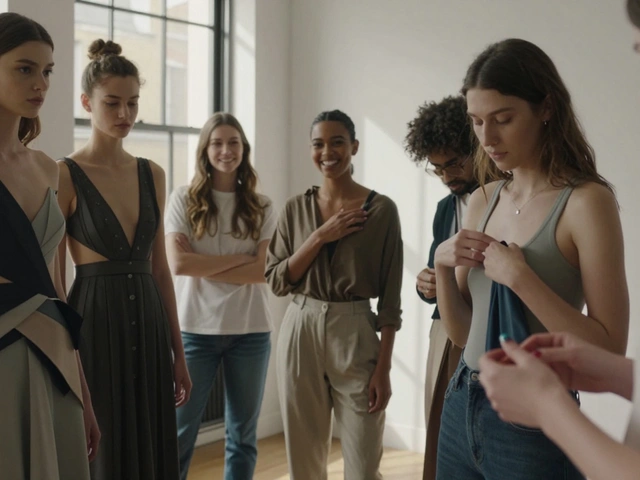
Brands like Zara, H&M, and even high-end labels like Gucci and Prada started casting teens who look like actual teenagers-not airbrushed mannequins. Real acne. Freckles. Uneven hair. Unfiltered smiles. The shift wasn’t cosmetic. It was cultural. Gen Z doesn’t want perfection. They want relatability. And teen models are the living proof that fashion can be both aspirational and real.
The Rise of the ‘Unpolished’ Aesthetic
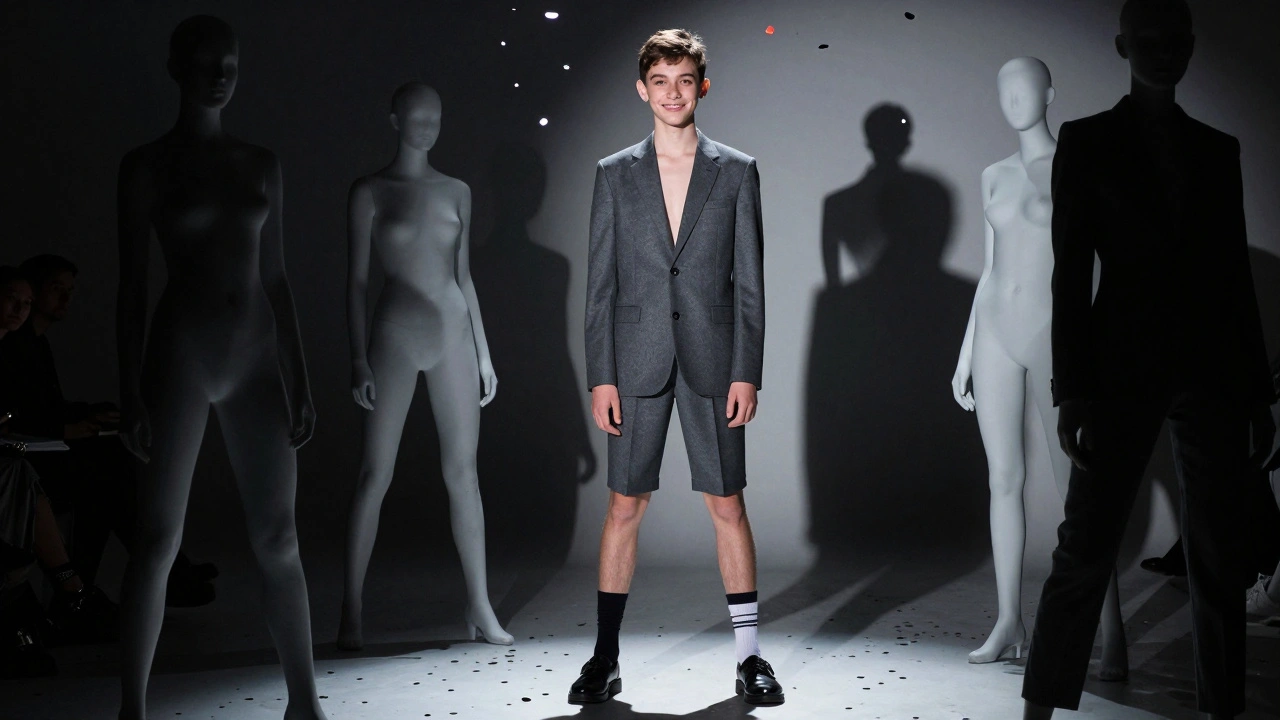
Remember when models had to be 5’10”, size 0, and never blink too hard? In 2023, that’s outdated. The most talked-about campaigns featured teens who didn’t fit the old mold. A 15-year-old model from Detroit with curly hair and a nose piercing opened for Saint Laurent. A 17-year-old nonbinary model from Toronto walked in Paris Fashion Week wearing a suit with mismatched socks. They didn’t need a stylist to ‘fix’ them-they were the statement.
According to data from Edited, a fashion analytics firm, campaigns featuring teen models aged 14-19 saw a 42% higher engagement rate on Instagram in 2023 compared to those with models over 25. The comments tell the story: ‘Finally, someone who looks like me,’ ‘I want to buy that jacket,’ ‘This is what real youth looks like.’
It’s not just about looks. It’s about attitude. These teens bring their own style language: oversized hoodies with vintage band tees, chunky boots paired with school uniforms, DIY patches on denim. They don’t wait for brands to tell them what’s cool. They create it-and brands scramble to copy it.
How Social Media Changed the Game
Before 2020, getting noticed as a teen model meant landing a scout at a mall or winning a local contest. Now? A single viral post can get you a contract with a global brand. Look at Willow Smith’s daughter, Pursley Smith. She started posting thrifted outfits on TikTok at 13. Within six months, she was shooting for Reformation. No agency. No photoshoots. Just her phone and her style.
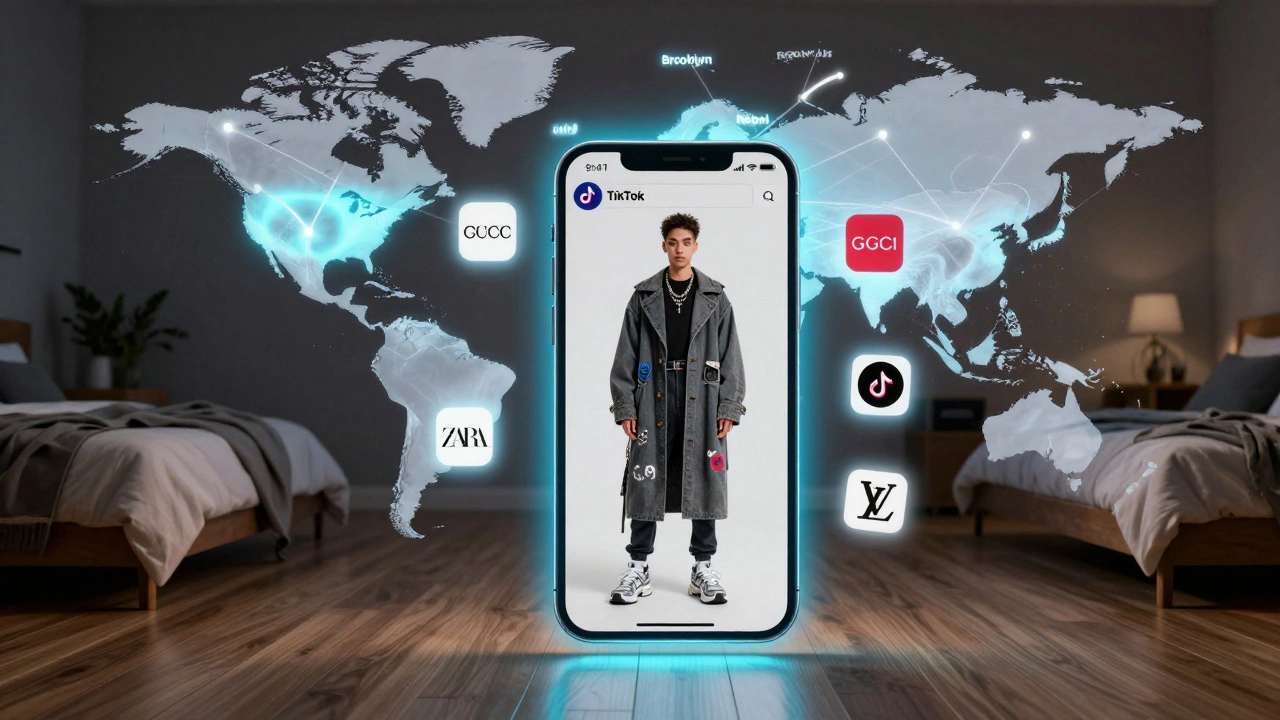
Platforms like TikTok and Instagram became the new casting rooms. Designers now scroll through hashtags like #TeenStyle or #GenZFashion instead of flipping through agency books. A 16-year-old from Manchester posted a video of herself wearing a thrifted Balenciaga coat with sneakers and a backpack. The video got 12 million views. Three days later, Balenciaga DM’d her to collaborate.
Agencies that still rely on traditional scouting are losing ground. The new power players? Teens with 50k+ followers who know how to style, shoot, and caption their own content. Brands don’t need to pay for expensive campaigns anymore. They just need to find the right kid with a camera and a point of view.
The Business Shift: From Runway to Revenue
The numbers don’t lie. In 2023, fashion brands targeting Gen Z saw a 68% increase in sales when they featured teen models in their main campaigns, according to McKinsey’s Global Fashion Report. Why? Because teens buy what they see themselves in. And they’re not just buying clothes-they’re buying identity.
Teen models now have their own merch lines, affiliate deals, and even co-designed collections. A 17-year-old model from Los Angeles launched a capsule collection with ASOS based on her school uniform style. It sold out in 11 hours. Another teen, based in Seoul, partnered with a Korean skincare brand to create a line of acne-friendly products. She didn’t just model them-she helped formulate them.
Even luxury brands are adapting. Louis Vuitton’s 2023 campaign featured a 15-year-old from Nairobi who had never been to a fashion show. She wore a $4,000 coat and carried a $6,000 bag. The campaign didn’t focus on price. It focused on her story: moving from a small village to the city, learning to style herself from YouTube tutorials, and saving for two years to buy her first pair of designer sneakers. That’s the kind of narrative that sells.
Challenges and Controversies
It’s not all glam. The rise of teen models has sparked real debates. Child labor laws in the U.S. and EU are being questioned. Can a 14-year-old legally sign a contract? Should they be allowed to work late nights during fashion week? In the UK, new guidelines require parental consent and mandatory breaks for models under 16. Some agencies now hire child psychologists to support their youngest talent.
There’s also pressure. Teens are expected to maintain a public image, respond to comments, and stay ‘on brand’-all while juggling school and puberty. A 2023 survey by the UK’s Child Mind Institute found that 41% of teen models reported feeling anxious about their appearance after posting content online. The industry is slowly waking up. More brands now include mental health resources in contracts. Some even require models to take a digital detox during exam season.
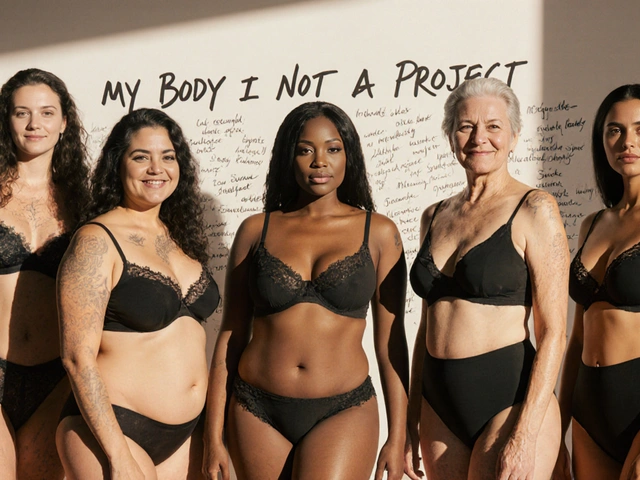
And then there’s the issue of diversity. While progress has been made, most teen models still come from urban, middle-class backgrounds. The push now is for more representation: teens from rural areas, disabled teens, teens of all ethnicities and gender identities. Brands like Savage X Fenty and Aerie are leading the charge, casting teens who reflect the full spectrum of youth.
What’s Next for Teen Models?
The next wave? Teen models becoming designers, photographers, and creative directors. Some are starting their own brands. Others are launching YouTube channels teaching styling, makeup, and how to navigate the industry safely. One 18-year-old model from London just graduated high school and opened a small studio where she mentors younger girls on how to say no to exploitative shoots.
What’s clear is that the era of passive teen models is over. They’re no longer the ‘next big thing.’ They’re the thing. And they’re not waiting for permission to change fashion-they’re already doing it.
If you’re a brand, a parent, or just someone who cares about style-you need to pay attention. The future of fashion isn’t being designed in boardrooms. It’s being worn by a 16-year-old in her bedroom, posting a photo, and saying, ‘This is me.’ And the world is listening.

January 31, 2026 AT 12:17
Keenan Blake
The shift in fashion isn’t just about aesthetics-it’s a full cultural realignment. Teens aren’t just wearing clothes; they’re curating identities with zero filter. The fact that brands are now chasing viral TikTok posts instead of agency portfolios says everything about where power has shifted.
January 31, 2026 AT 20:43
Sylvain Menard
Y’ALL. This is the most hype thing to happen to fashion since streetwear took over. I saw a 15-year-old in Toronto rock a thrifted Prada coat with Crocs and it broke the internet. No makeup. No lighting. Just pure energy. The industry’s scrambling to keep up because these kids don’t wait for permission-they just go. And honestly? We should all be so bold.
February 2, 2026 AT 18:15
Sophia Sterling-Angus
Let’s be real: this isn’t empowerment. It’s exploitation wrapped in Gen Z buzzwords. These kids are being monetized before they can legally vote. The ‘authenticity’ narrative is just a cover for corporations to profit off adolescent vulnerability. The data might look good, but the human cost? Ignored.
February 2, 2026 AT 23:01
Madi Edwards
Okay, so imagine this: you’re 14, you post a selfie in a thrifted hoodie, and suddenly you’re in a Louis Vuitton campaign. That’s wild, right? But then you wake up the next day and your whole life is now public property. Your acne, your hair, your sleep schedule-all of it’s content. And the worst part? You’re supposed to be grateful. Like, congrats, you’re famous now, but also you’re not allowed to be a kid anymore. It’s terrifying. And beautiful. And kind of tragic. I don’t even know what I’m saying anymore.
February 4, 2026 AT 13:00
Kelly ¯_(ツ)_/¯
As a Black woman raised in a rural town, I never saw someone who looked like me in a high-fashion campaign until last year. That 15-year-old from Nairobi? That was the first time I cried over a model. This isn’t just fashion-it’s representation with teeth. And if you’re not celebrating it, you’re part of the problem.
February 5, 2026 AT 05:53
Amanda turman
so like... i think this whole teen model thing is kinda like... a metaphor for capitalism? like, they’re these pure, innocent kids but the system just takes their soul and turns it into a merch drop? and then we all just like and share it and pretend it’s revolutionary? but honestly? i just want to hug them all and tell them it’s okay to be boring sometimes. also i think the word ‘authenticity’ is being abused. like, it’s not authentic if you’re being paid 50k to look ‘real’.
February 6, 2026 AT 19:45
Casey Brown
Look, I get the concerns-but let’s not throw the baby out with the bathwater. These teens are owning their power. They’re not waiting for gatekeepers. They’re building communities, launching brands, and speaking up about mental health. That’s not exploitation-that’s evolution. If we support them with boundaries, not bans, we’re not just changing fashion-we’re changing how the next generation sees themselves.
February 6, 2026 AT 21:27
Nathan Poupouv
What’s wild is how this mirrors the broader collapse of traditional authority in culture. Fashion houses used to dictate taste. Now? A 16-year-old with a phone and a thrift store haul has more cultural capital than a creative director with a Harvard MBA. The old system didn’t adapt-it got replaced. And honestly? It’s about time.
February 7, 2026 AT 07:25
Paul Waller
They’re not models. They’re influencers. And that’s the real story.