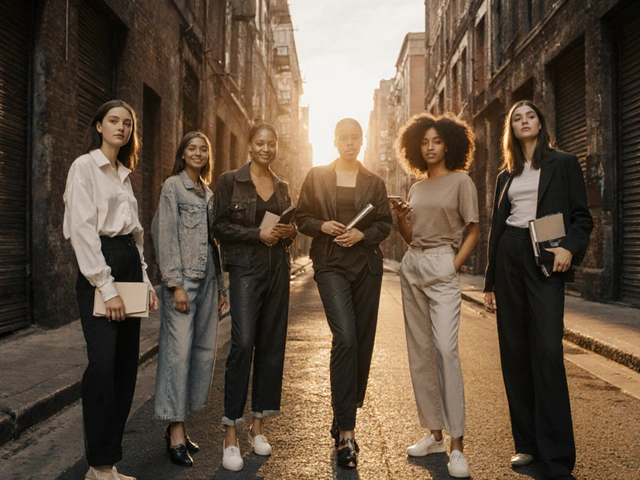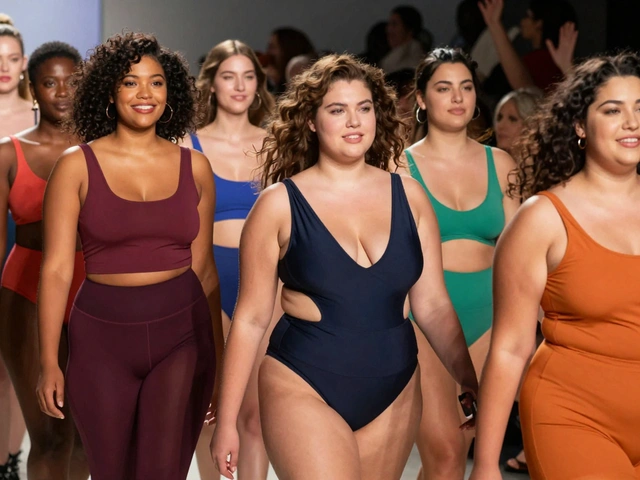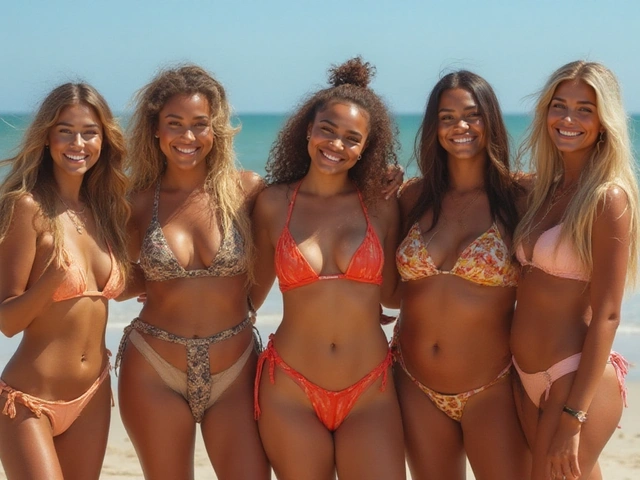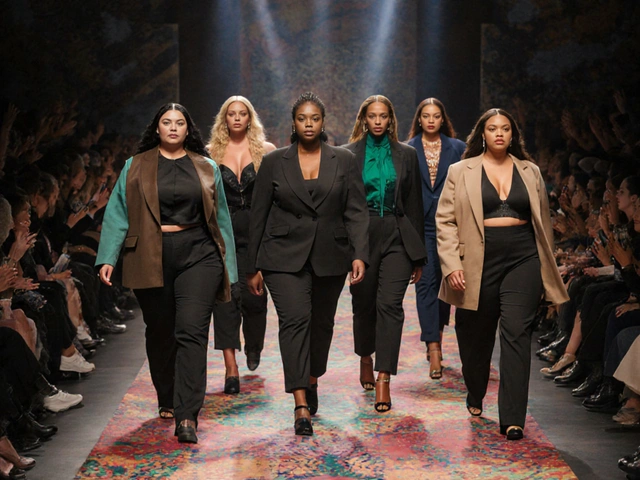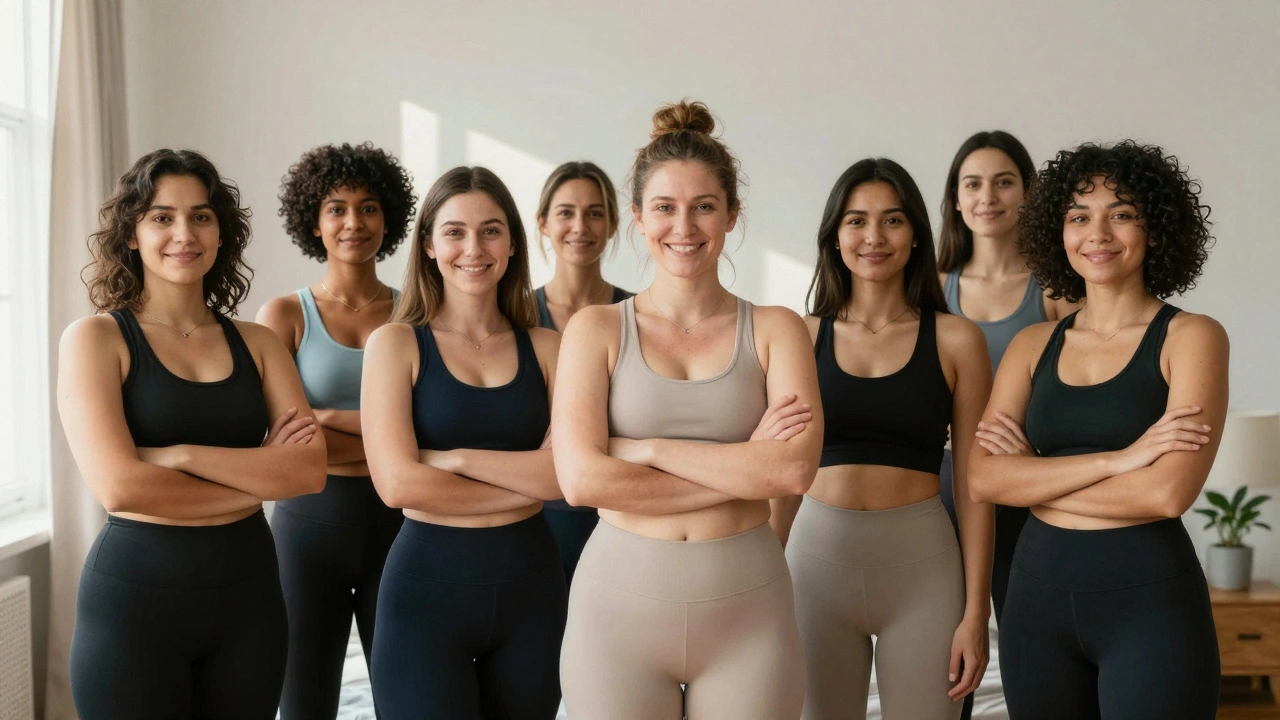
Glamour models aren’t just about posing in lingerie or wearing high heels on a runway. At their core, they’re about owning your presence-no filters, no apologies. It’s not about being perfect. It’s about being real. And that kind of power doesn’t come from a photoshoot. It comes from within.
What Glamour Modeling Really Means Today
Glamour modeling has changed. Ten years ago, it was mostly about tight outfits, heavy makeup, and airbrushed skin. Today? It’s about skin texture, natural curves, and unapologetic eye contact. Brands like Savage X Fenty, Aerie, and even Victoria’s Secret have shifted their campaigns to feature real bodies-not edited ones. And the models leading that change? They don’t wait for permission. They show up as themselves.
Take a look at the women on Instagram who’ve built huge followings not because they’re size zero, but because they smile when they’re tired, laugh with their whole body, and don’t hide stretch marks. These aren’t just models. They’re storytellers. Their confidence isn’t practiced. It’s lived.
Confidence Isn’t a Trait-It’s a Practice
People think glamour models are born confident. They’re not. Most of them spent years staring at mirrors, wondering if they were enough. One model I spoke to in Brighton-Lena, 31-told me she didn’t book her first major shoot until she was 28. Why? Because she kept waiting to feel "ready."
Confidence doesn’t show up when you look perfect. It shows up when you show up anyway. That’s the secret. It’s not about having flawless skin or a six-pack. It’s about walking into a studio, knowing you’re not "model material" by old standards… and still turning to the camera and saying, "Look at me. I’m here. This is me."
That kind of energy? It’s magnetic. It doesn’t need lighting tricks. It doesn’t need filters. It just needs courage.
Self-Expression Is the New Standard
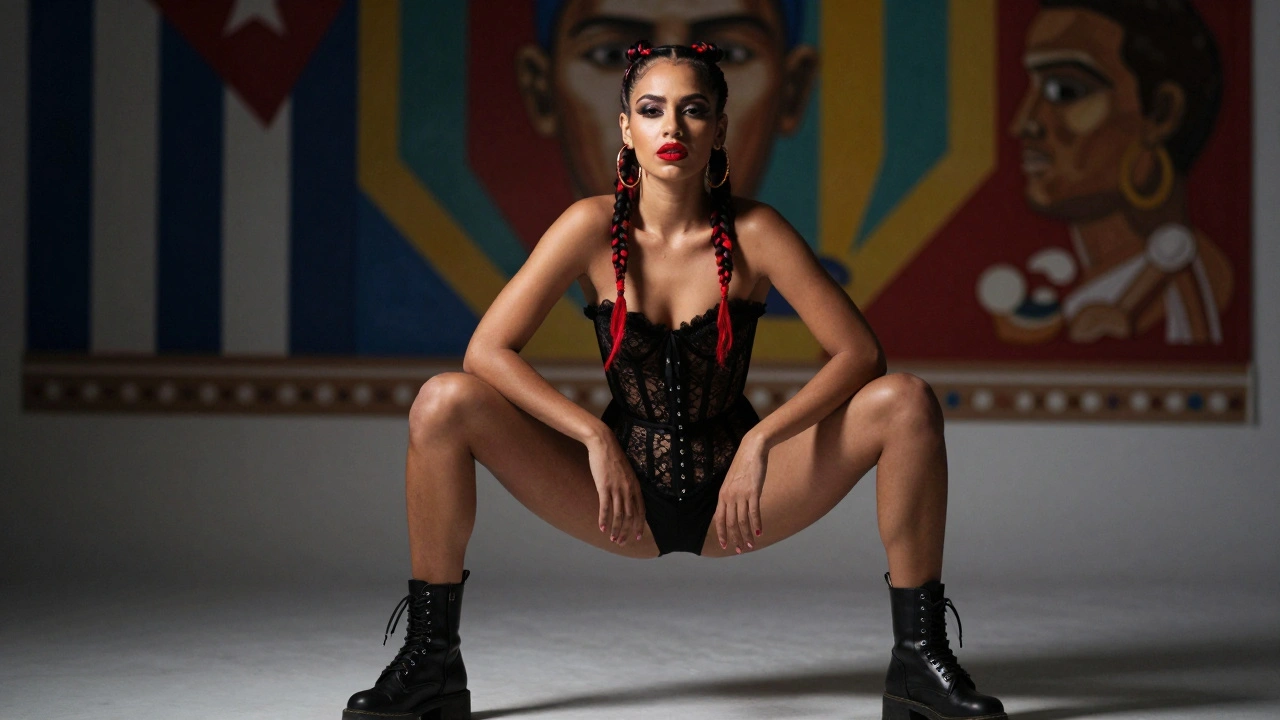
Today’s glamour models aren’t just selling a look-they’re selling a feeling. A mood. A story. One model, Marisol, uses her shoots to explore her Cuban heritage. She wears gold hoops, braids her hair with red thread, and poses with her grandmother’s locket. Her photos don’t just sell lingerie. They sell identity.
Another model, Jules, is non-binary and uses glamour photography to challenge gender norms. They wear corsets, lace, and bold lipstick-but also combat boots and shaved sides. Their work isn’t about being "feminine." It’s about being true.
When you stop trying to fit into someone else’s idea of glamour, you create something new. Something real. And that’s what brands are chasing now.
The Myth of the "Perfect Body"
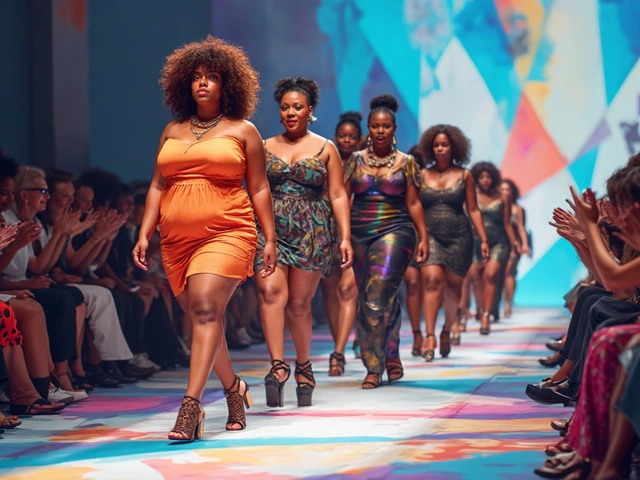
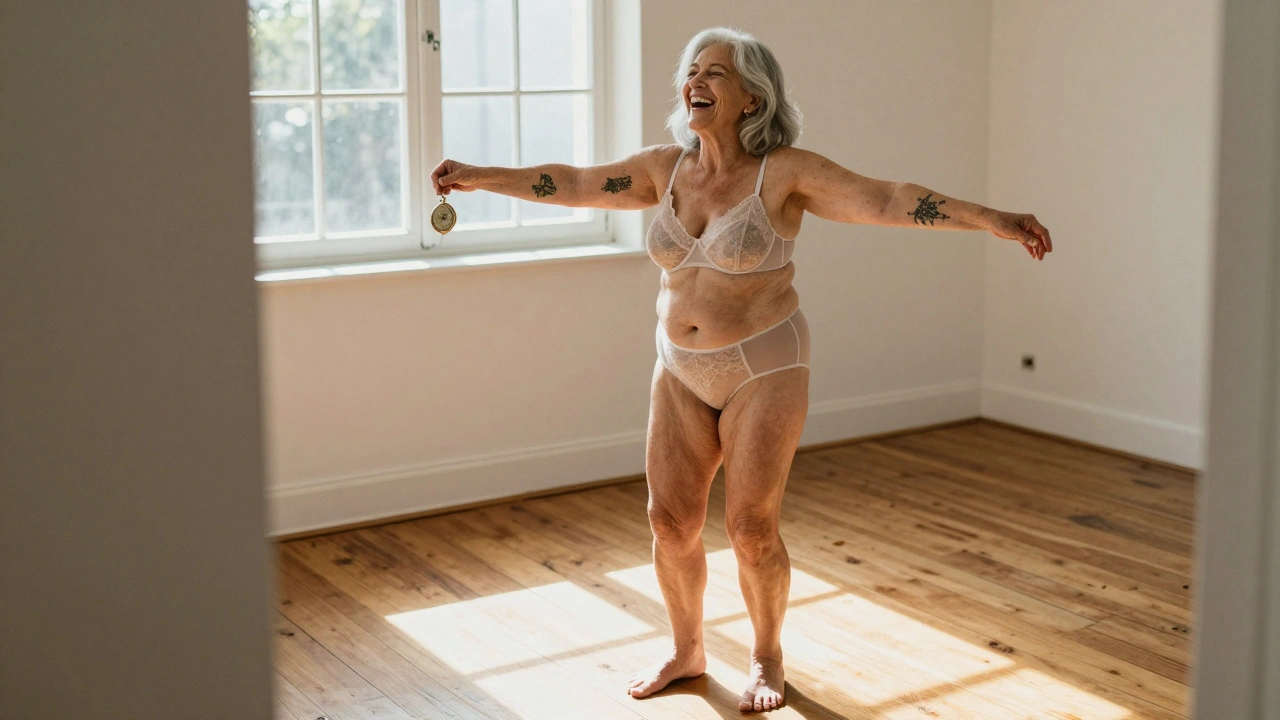
Let’s clear this up: there’s no such thing as a "glamour body." That’s a myth sold by old magazines and filtered ads. The truth? Glamour models come in every shape, size, age, and skin tone. There are curvy models who’ve graced magazine covers. There are models over 50 who book campaigns for luxury lingerie brands. There are models with scars, tattoos, and stretch marks who turn heads because they’re not trying to hide anything.
Studies from the University of London in 2024 showed that ads featuring unedited bodies had 47% higher engagement than those with heavy retouching. People don’t want perfection. They want connection.
When you see a glamour model who looks like you-or like someone you know-that’s when it clicks. That’s when you think: "I could do that."
How to Start Without a Studio or a Team
You don’t need a professional photographer to begin. You don’t need a wardrobe budget. You just need a mirror, a phone, and a willingness to be vulnerable.
Start here:
- Find a quiet room with natural light-morning light works best.
- Put on something that makes you feel powerful. Not sexy. Powerful.
- Take 10 photos. Don’t check them right away.
- Wait 24 hours. Then look at them. Which one makes you pause? That’s your starting point.
- Repeat. Every week. No pressure. No goal.
One woman in Liverpool did this for six months. She didn’t post anything publicly. She just kept showing up. By month four, she noticed her posture changed. Her voice got louder. She started saying "no" to things that made her feel small. By month six, she booked her first paid shoot.
It wasn’t about the photos. It was about the practice.
Why This Matters Beyond the Camera
Glamour modeling isn’t just a job. It’s a mindset. When you learn to own your body, your voice, your quirks-you start carrying that energy into every part of your life.
Women who embrace this path often report:
- Less anxiety about how they look in public
- Stronger boundaries in relationships
- More courage to speak up at work
- Better self-talk
It’s not magic. It’s repetition. Every time you look in the mirror and choose to see strength instead of flaws, you rewire your brain. That’s the real power of glamour modeling.
What’s Next? Keep Going
If you’ve ever thought, "I’m not glamorous enough," stop. You don’t need to be. You just need to be you.
There’s no rulebook. No checklist. No approval needed. The most powerful glamour models aren’t the ones with the most followers. They’re the ones who stopped asking for permission.
Start small. Be inconsistent. Be messy. Be real. The world doesn’t need another polished image. It needs more people who aren’t afraid to be seen.
Are glamour models only about sex appeal?
No. While glamour modeling often involves suggestive poses, its core is about confidence and personal expression-not sexualization. Many modern glamour models use their platform to challenge beauty standards, celebrate body diversity, or explore identity. The focus has shifted from objectification to empowerment.
Do you need to be thin to be a glamour model?
Absolutely not. Today’s industry values diversity above all. Glamour models come in all sizes-from size 4 to size 24. Brands now actively seek models with curves, scars, tattoos, and stretch marks because these features tell real stories. The old ideal of a thin, airbrushed body is fading fast.
Can someone start glamour modeling later in life?
Yes. Many successful glamour models began in their 30s, 40s, or even 50s. Age brings a different kind of confidence-one that’s harder to fake. Clients are looking for authenticity, not youth. A 48-year-old model with natural silver hair and a tattoo sleeve has landed campaigns for major lingerie brands in the past year alone.
Is glamour modeling the same as erotic photography?
Not necessarily. Glamour photography focuses on allure, elegance, and personal power. Erotic photography is explicitly sexual. The line can blur, but intention matters. Most professional glamour models set clear boundaries and work with photographers who respect them. It’s about artistry, not exposure.
How do I find legitimate opportunities as a new glamour model?
Start by building your own portfolio with personal photos. Then connect with independent photographers who specialize in empowerment-based shoots. Avoid agencies that ask for upfront fees-legit agencies earn commission after you book work. Look for photographers on Instagram tagged with #glamourphotography or #bodypositive. Join online communities like "Glamour Model Collective" on Facebook. Always read contracts. Trust your gut.