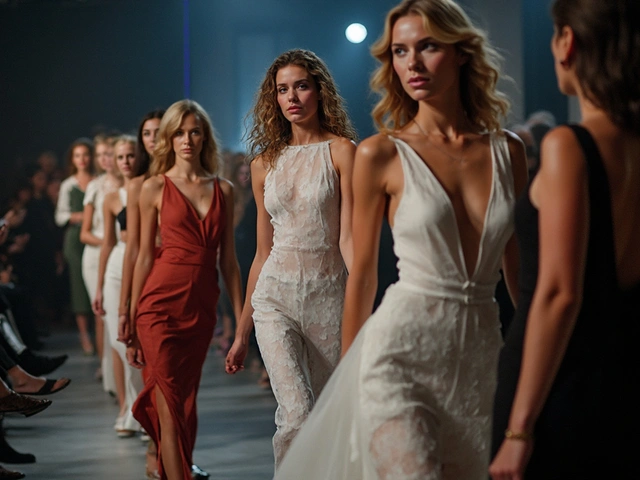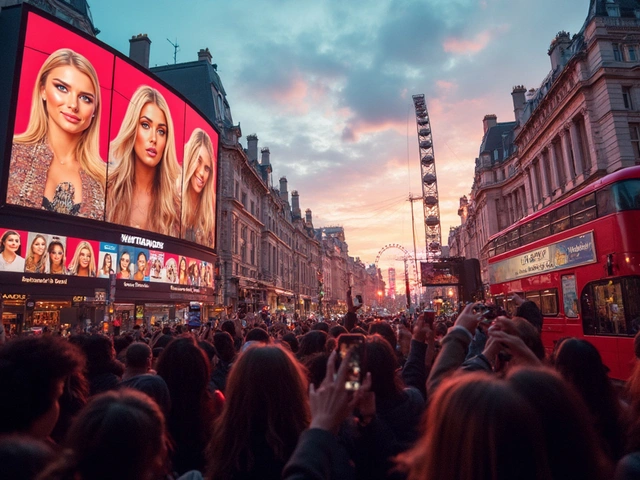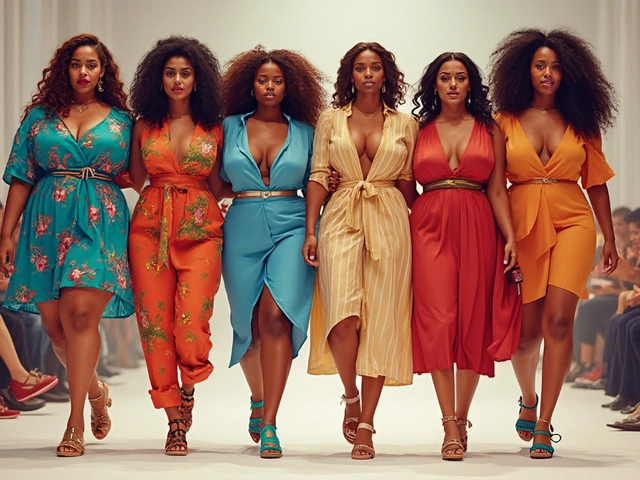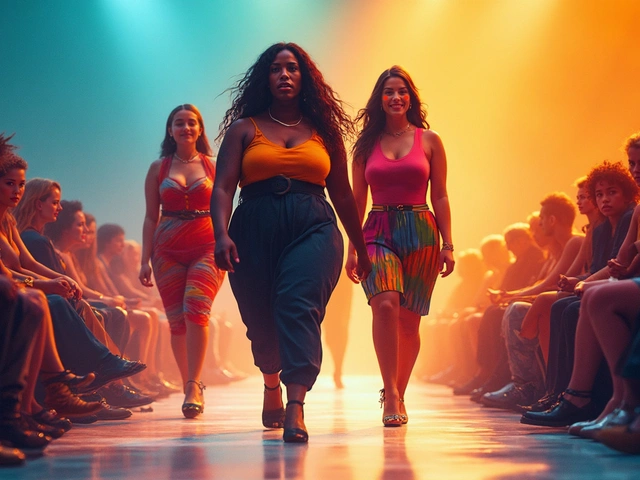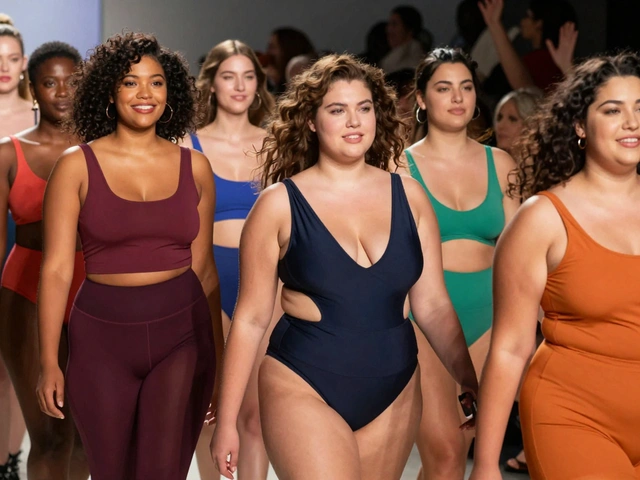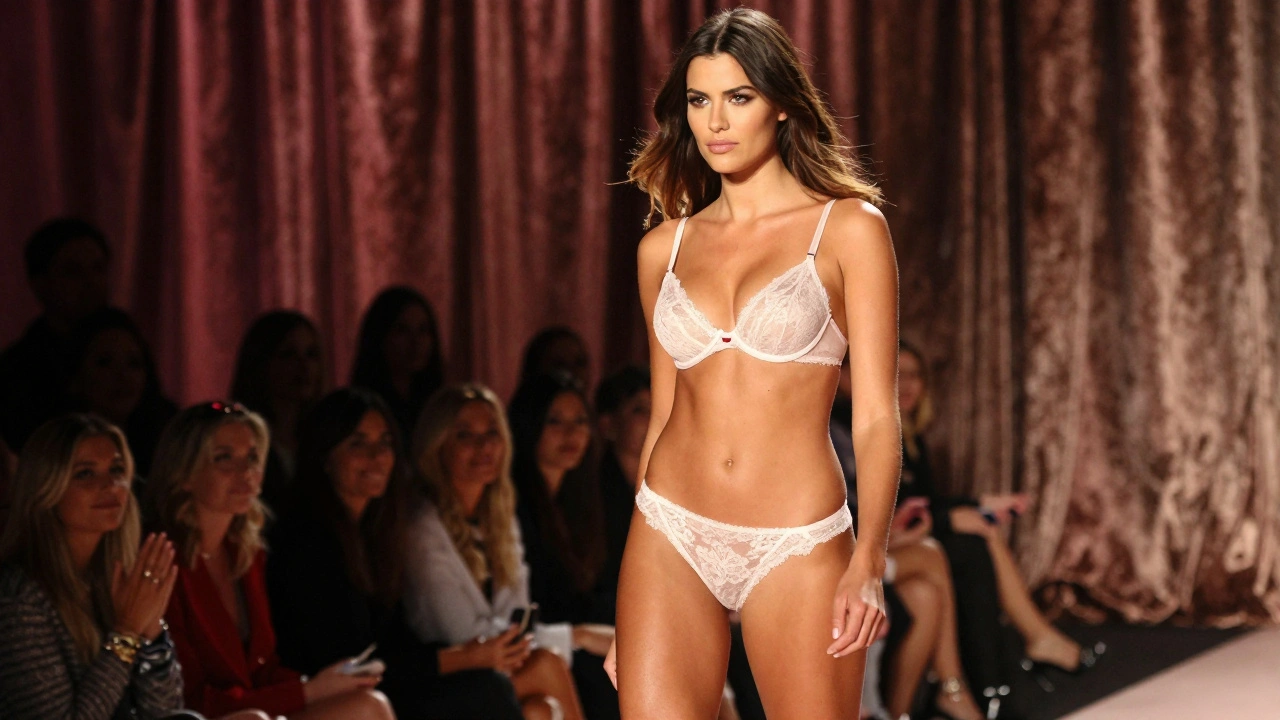
For years, the fashion industry told women they had to fit into one narrow shape to be considered beautiful. But that story is over. Curvy models aren’t just breaking into the industry-they’re rewriting it. From runway shows in New York to billboard ads in Tokyo, women with curves are no longer an exception. They’re the rule.
What Exactly Is a Curvy Model?
A curvy model isn’t just someone who’s ‘bigger’ than a sample size. She’s a woman with a dress size typically between 12 and 24, with defined hips, waist, and bust that create an hourglass or pear shape. The term isn’t about weight-it’s about proportion. These models don’t fit into traditional sample sizes, but they do fit into real life. And that’s what makes them powerful.
Brands like Savage X Fenty, Universal Standard, and Aerie don’t just hire curvy models because it’s trendy. They hire them because their customers are curvy. In 2025, 68% of women in the U.S. wear a size 14 or larger, according to the National Institute of Health. Yet for decades, fashion only showed size 0 to 6. The shift started when consumers refused to keep buying clothes that didn’t look like them.
The Turning Point: When Curvy Models Took Over
2016 was the year everything changed. Ashley Graham walked the Victoria’s Secret runway. It was the first time a plus-size model had ever done so. That moment didn’t just make headlines-it made history. Sales for VS’s lingerie line jumped 20% that quarter. Suddenly, retailers saw that curvy models weren’t a niche. They were a market.
Then came Tess Holliday, who smashed the 2017 Met Gala red carpet with a custom gown designed for her size 22 frame. She didn’t ask for permission. She showed up, looked stunning, and forced the world to pay attention. By 2020, Sports Illustrated Swimsuit featured its first curvy model, Paloma Elsesser, and the issue sold out in 72 hours. That wasn’t luck. That was demand.
Who Are the Leading Curvy Models Today?
Today’s top curvy models aren’t just faces-they’re movements. Here are five who’ve reshaped the game:
- Ashley Graham-The first curvy model on the cover of Sports Illustrated Swimsuit. Now a producer, entrepreneur, and outspoken advocate for body positivity.
- Paloma Elsesser-Walked for Fendi, Marc Jacobs, and Chanel. Known for her bold stance on representation in high fashion.
- Robyn Lawley-An Australian model who broke barriers in European fashion houses and became the first curvy model to shoot for Harper’s Bazaar UK.
- Jasmine Sanders-Signed with IMG Models and appeared in campaigns for Nike, Macy’s, and Calvin Klein.
- Tabitha Brown-Not just a model, but a social media powerhouse with 7 million followers. Her influence pushed brands like Target and H&M to expand their size ranges.
These women aren’t just modeling clothes. They’re modeling confidence. And brands are taking notice.
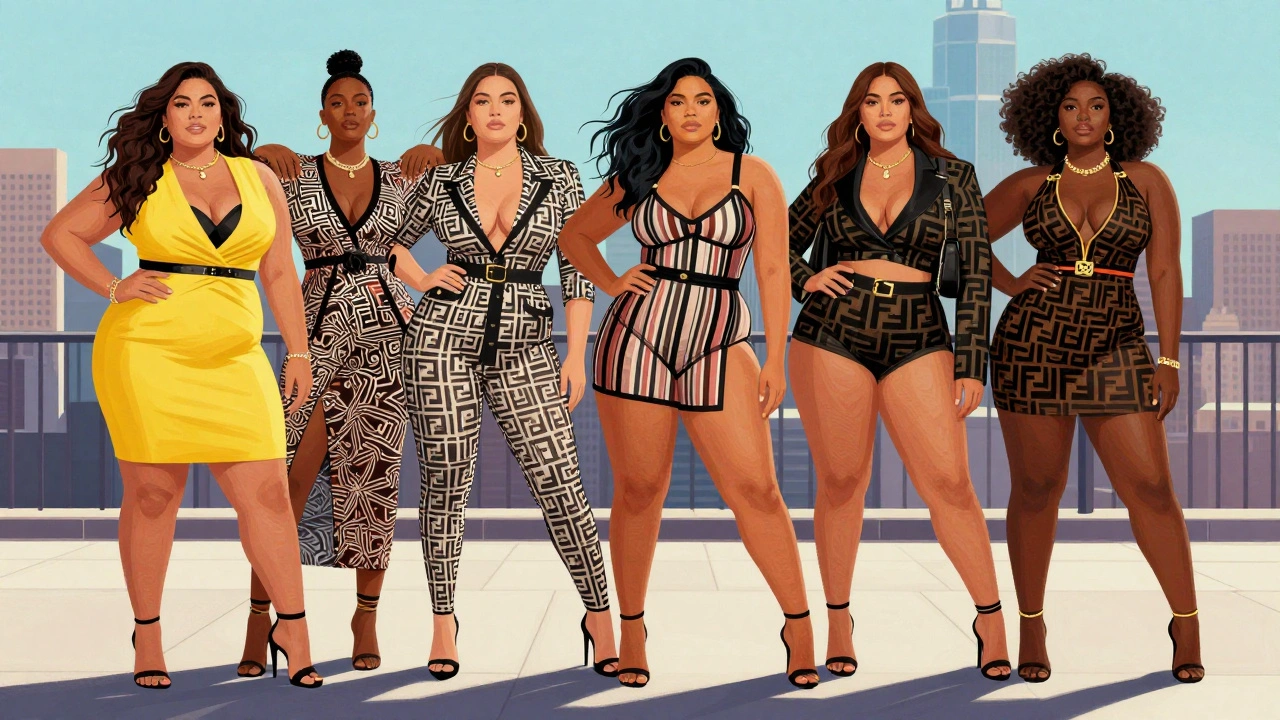
Why Are Brands Rushing to Hire Curvy Models?
It’s simple: money. Curvy women spend over $200 billion annually on clothing and beauty products in the U.S. alone, according to the Curve Fashion Report 2025. Yet for years, brands ignored them. Now, they’re scrambling to catch up.
When Target launched its “A New Day” line with sizes up to 4X, sales increased by 34% in the first year. H&M’s “Close the Loop” campaign featuring curvy models saw a 41% boost in online engagement. These aren’t charity efforts. They’re smart business moves.
And it’s not just about sales. Social media turned customers into critics. A single Instagram post from a woman saying, “I can’t find clothes that fit,” can go viral. Brands that ignore curvy bodies risk backlash. Brands that embrace them? They earn loyalty.
The Real Impact: More Than Just Clothes
Curvy models are changing how girls see themselves. A 2024 study by the University of Michigan tracked 1,200 teenage girls over three years. Those who regularly saw curvy models in ads reported a 32% higher body satisfaction rate than those who didn’t. That’s not just a trend. That’s a mental health shift.
Parents are noticing too. More kids are asking for “real” clothes-not airbrushed fantasy. Schools are starting to use curvy models in yearbooks and fashion shows. Even toy companies like Barbie now offer dolls in multiple body types.
It’s no longer about fitting into fashion. It’s about fashion fitting into real life.
Challenges Still Left to Overcome
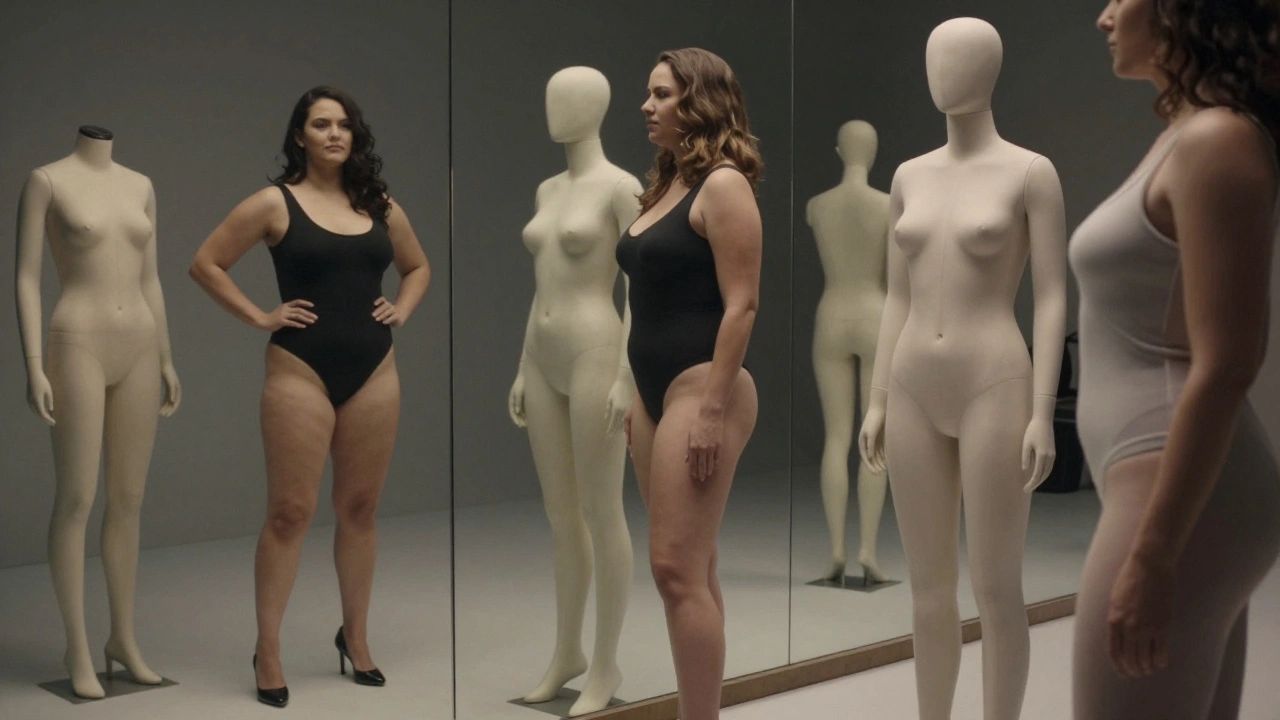
Progress isn’t perfect. Curvy models still face barriers. Many designers still don’t make sample sizes beyond 12. Runway shows often only feature one or two curvy models, tokenizing them instead of integrating them. And some agencies still push curvy models into “plus-size only” categories, limiting their access to high-fashion gigs.
Also, there’s still a gap in representation. Most curvy models are still thin-thick-curves with long legs, defined waists, and toned arms. Women with wider hips, shorter torsos, or muscular builds are still underrepresented. The fight isn’t over. It’s just getting louder.
What’s Next for Curvy Modeling?
The next wave? Normalization. No more “curvy” labels. No more “plus-size” sections. Just models. Just clothes. Just beauty.
Brands like Universal Standard and Girlfriend Collective are already moving toward size-inclusive sizing across all lines. In 2026, Zara will launch its first full-size range without separate “curvy” tags. That’s the goal: to make size irrelevant.
And the models? They’re not waiting. Many are starting their own brands. Ashley Graham launched her own lingerie line. Paloma Elsesser co-founded a design studio for adaptive clothing. They’re not just modeling the future-they’re building it.
Curvy models didn’t ask for a seat at the table. They built their own table. And now, everyone else is sitting down.