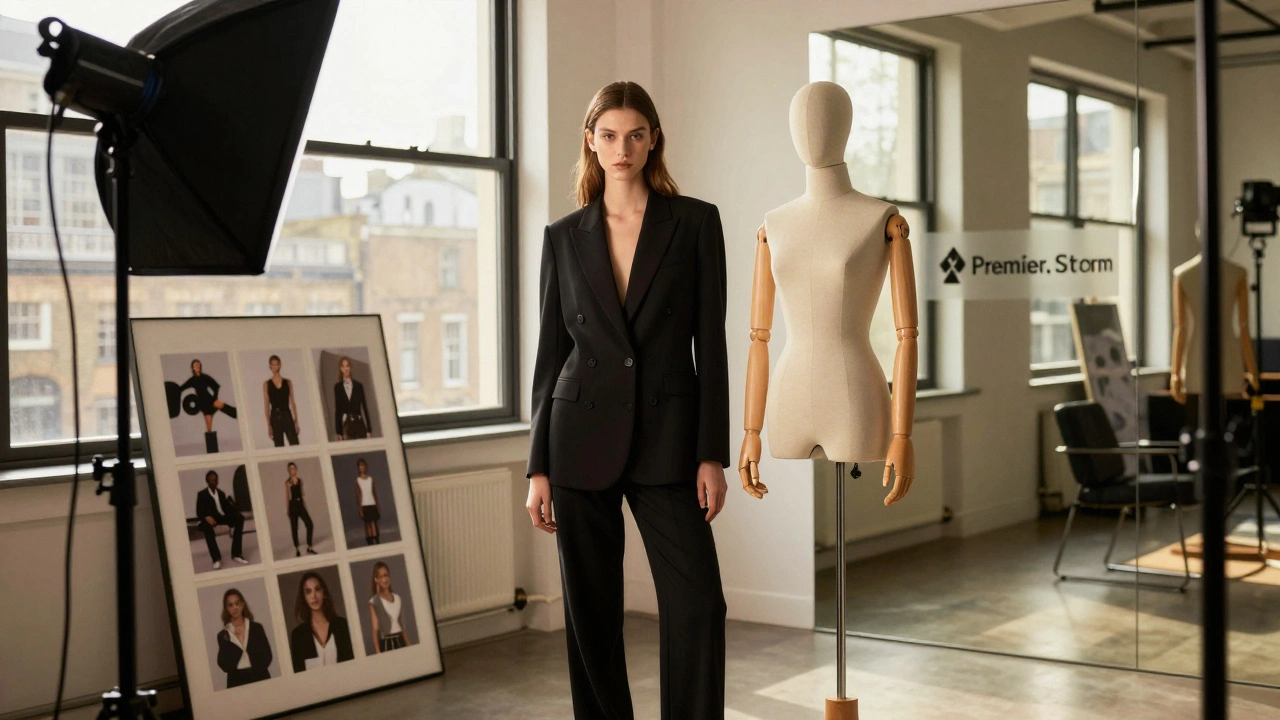
Choosing between a UK model agency and going freelance isn’t just about convenience-it’s about your long-term career, your income, and your peace of mind. Thousands of aspiring models in the UK face this decision every year, and too many pick based on hype or a friend’s story. The truth? There’s no one-size-fits-all answer. But if you know what each path really offers, you can make a choice that actually works for you.
What a UK Model Agency Actually Does
A reputable UK model agency isn’t just a booking service. It’s a full-service business that handles your career like a product. Agencies like Premier Model Management, Storm Model Management, or Women Management in London invest in you because they expect a return. They take a cut-usually 20% of your earnings-but in exchange, they do the heavy lifting.
Here’s what you get:
- Access to exclusive clients-big brands like Marks & Spencer, John Lewis, or Burberry don’t accept direct applications from unknown models. They work only with agencies they trust.
- Professional photoshoots-agencies book your first editorial shoot, often with top photographers and stylists. A good agency will even pay for your portfolio if you’re promising.
- Contract negotiation-if a brand offers you £500 for a day’s shoot, your agency will push for £1,200. They know industry rates inside out.
- Legal protection-agencies handle contracts, rights, and payment terms. If a client doesn’t pay, they chase it for you.
- Training and grooming-many agencies offer free sessions on walking, posing, or even public speaking. Some even help with nutritionists or dental work if you’re serious.
But here’s the catch: agencies don’t sign everyone. They look for specific looks, consistency, and professionalism. If you’re 5’9”, have clear skin, and a strong walk, you might get noticed. If you’re 5’6” with a unique face? Maybe not. Agencies need models who fit predictable client needs.
Freelance Modeling: The Realities
Going freelance means you’re your own boss. You book your own gigs, manage your own photos, and deal with every client directly. Sounds empowering, right? It can be-but it’s also exhausting.
Here’s what freelance modeling actually looks like in the UK:
- You build your own portfolio-that means paying photographers, stylists, makeup artists. A decent portfolio can cost £800-£1,500 upfront. No agency will cover that for you.
- You chase clients-you email brands, post on Instagram, apply to casting calls, and hope someone replies. Most don’t. You’ll spend hours a day on outreach.
- You handle contracts-if a client says “we’ll pay after the shoot,” you have no leverage. No agency to step in. You risk getting ghosted or paid late.
- You’re responsible for everything-taxes, insurance, travel, wardrobe, even sick days. If you’re ill, you lose income. No agency covers you.
- You compete with thousands-on Instagram, everyone’s a “model.” Standing out without an agency’s name behind you is like shouting in a hurricane.
Freelancing works best for people with existing platforms. Think: Instagram influencers with 10K+ followers who already have brand deals. Or those with a very niche look-like petite models, mature models, or models with visible scars or tattoos-that agencies avoid.
Who Should Stick With a UK Model Agency?
If you’re new to modeling, under 25, and don’t have a big social following, an agency is your safest bet. Agencies don’t just open doors-they hold them open. They have relationships with buyers who won’t even look at a freelance model’s Instagram.
Also, if you want:
- Regular work (even if it’s small gigs)
- Stability while you build experience
- Guidance on how to improve your look or walk
- Protection from scams
Then an agency is worth the 20% cut. Look for agencies that don’t charge upfront fees. If they ask you to pay for “portfolio packages” or “training courses,” walk away. Legit UK agencies earn money only when you do.
Who Should Go Freelance?
Freelancing makes sense if you:
- Already have a strong personal brand (10K+ Instagram followers, consistent content)
- Have a unique look that agencies can’t easily place (e.g., non-binary, plus-size in a niche market, older models)
- Are self-driven and good at sales
- Have savings to cover 6-12 months without steady income
- Are okay with inconsistent work and long periods of silence
Many successful freelance models in the UK work in commercial campaigns, local fashion brands, or e-commerce. They don’t need runway shows-they need consistent, repeat clients who value their aesthetic.
Real Numbers: What You Can Earn
Let’s get practical. Here’s what real UK models earn in 2026:
| Type of Work | Agency Model (Avg. Pay) | Freelance Model (Avg. Pay) |
|---|---|---|
| Commercial photoshoot (retail brand) | £400-£800 | £300-£600 |
| Fashion editorial (magazine) | £600-£1,500 | £200-£500 (often unpaid) |
| Instagram post (10K-50K followers) | N/A | £150-£500 |
| Runway show (London Fashion Week) | £800-£2,000 | £0-£300 (if booked directly) |
| Monthly retainer (consistent client) | £1,000-£3,000 | £500-£2,000 (rare) |
Notice something? Agencies dominate the high-value, high-profile work. Freelancers make up the bulk of low-budget, social-media-driven gigs. If you want to be on a magazine cover or walk for a luxury brand, an agency is non-negotiable.
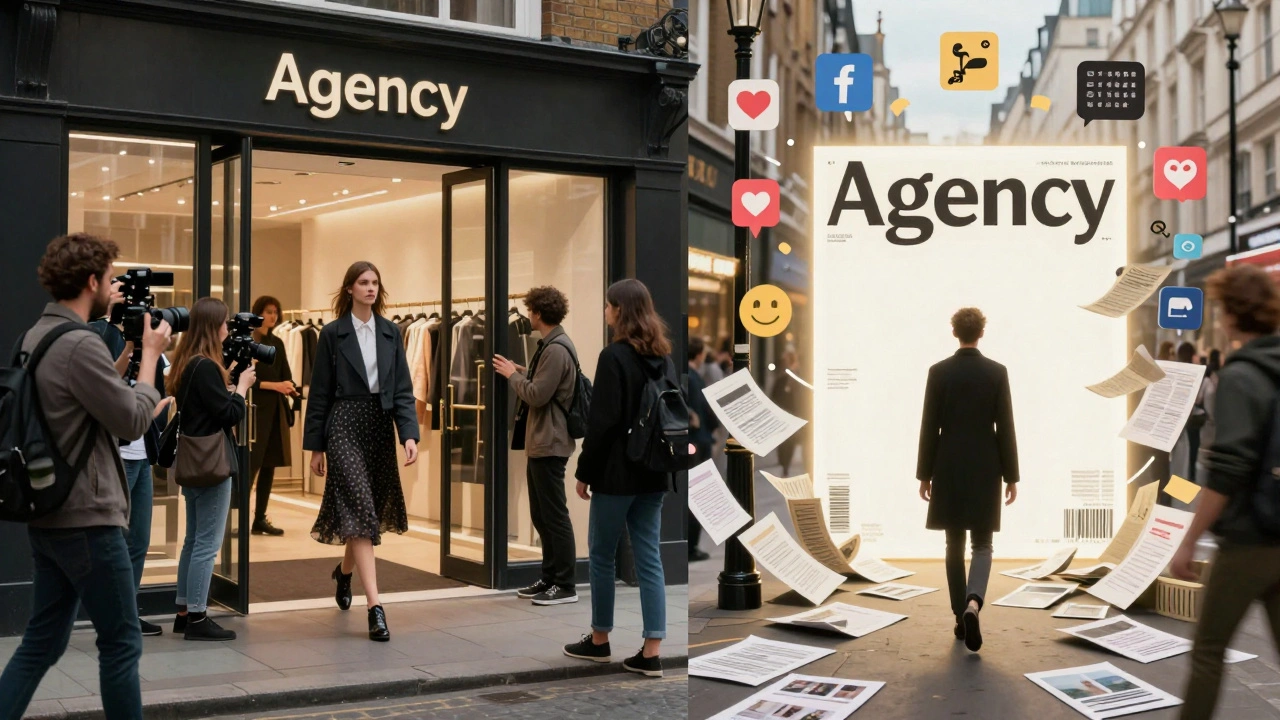
Hybrid Approach: Can You Do Both?
Yes-and more models are doing it now. You can sign with a UK model agency for commercial and editorial work while keeping freelance gigs for Instagram campaigns or local brands.
Most agencies don’t mind if you take outside work, as long as you’re not competing with them. For example, if your agency books you for a John Lewis campaign, you shouldn’t also be pitching the same brand directly. But if a small vegan skincare brand wants you for a 3-post campaign? That’s fine.
Some models even use their agency’s credibility to boost their freelance brand. Saying “I’m represented by Storm Models” on your Instagram bio instantly raises your trust factor.
Pitfalls to Avoid
There are scams on both sides.
Agency scams: Watch out for agencies that ask for money upfront. They might claim you need a “modeling kit,” “headshot package,” or “training program.” Legit agencies don’t charge you to be signed. If they do, they’re not in it for your success-they’re in it for your wallet.
Freelance scams: Be careful of “casting directors” who ask for payment to see you. Or brands that want you to work “for exposure.” Exposure doesn’t pay rent. If a client won’t pay, they don’t value your time.
Always check reviews. Look up agencies on Models.com or the Model Alliance UK directory. For freelance gigs, ask for references or past client examples. If they can’t provide them, walk away.
How to Decide
Ask yourself these three questions:
- Do I have a standout look that fits mainstream trends? If yes, an agency will likely want you. If no, freelance might be your only path.
- Can I handle rejection and uncertainty? Freelancing means months with no work. Agencies give you steady, if small, gigs.
- Do I have money to invest? Freelancing costs money upfront. Agencies cost you a percentage-but not cash.
If you’re unsure, start with an agency. Even if you only sign for six months, you’ll learn more about the industry than you would in two years of freelancing. You’ll get real feedback, real experience, and real contacts.
And if you later decide to go freelance? You’ll have a portfolio, a name, and a track record. That’s worth more than any agency contract.
Can I sign with multiple UK model agencies?
Yes, but not in the same category. Most agencies work on an exclusive basis for specific markets. For example, you can sign with one agency for fashion editorial, another for commercial, and a third for beauty. But you can’t sign with two agencies that both represent commercial models. Always read the contract carefully. Many include exclusivity clauses.
How long does it take to get signed by a UK model agency?
It varies. If you have the right look and a strong portfolio, you could be signed in under a week. If you’re new, it might take 3-6 months of submissions, open calls, and feedback. Agencies get hundreds of applications a week. They’re looking for consistency, not just beauty. Your walk, posture, and professionalism matter as much as your face.
Do I need to move to London to work with a UK model agency?
Not always, but it helps. Most major agencies are based in London. If you live elsewhere, you’ll need to travel frequently for castings and shoots. Some agencies have regional scouts (Manchester, Birmingham, Glasgow), but the biggest opportunities are still in the capital. If you’re serious, relocating for 6-12 months is often necessary.
Can I switch from freelance to an agency later?
Absolutely. Many models start freelance, build a strong portfolio, then get signed. Agencies love models who already have experience and a social following. If you’ve worked with real brands, have professional photos, and can show you’re reliable, you’ll be more attractive than a brand-new model.
What’s the biggest mistake new models make?
Believing that being pretty is enough. Modeling is a business. Your look is just the starting point. Your reliability, punctuality, professionalism, and ability to take direction matter more than your height or cheekbones. The industry is full of beautiful people. It’s the ones who show up on time, stay calm under pressure, and follow instructions who get booked again.
If you’re just starting out, don’t rush. Research. Talk to models who’ve been there. Attend open calls. Get honest feedback. Whether you choose an agency or go freelance, your success won’t come from luck-it’ll come from preparation, persistence, and knowing exactly what you’re walking into.