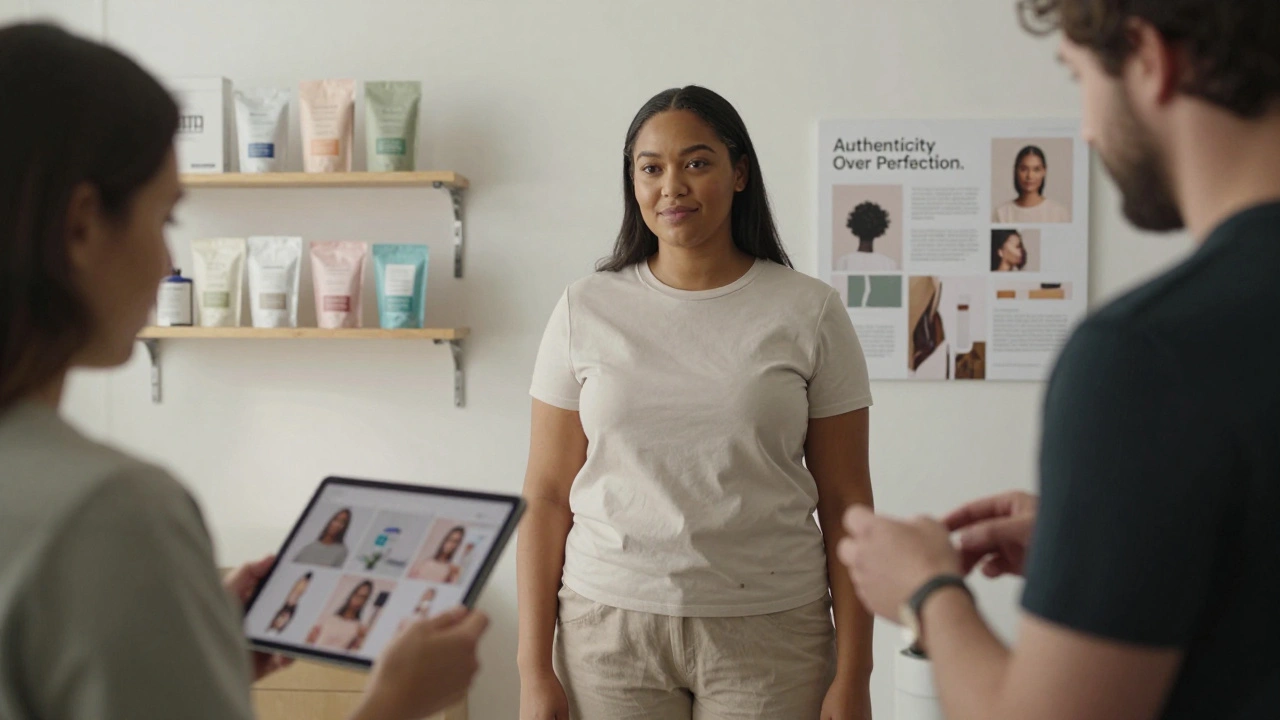
When a model walks into a room for a photoshoot with a UK brand, it’s not just about looking good. Behind that moment is months of planning, negotiations, and trust built between a model agency and the brand. These collaborations don’t happen by accident. They’re the result of clear goals, mutual respect, and a shared understanding of what makes a campaign work.
How Brand Collaborations Start
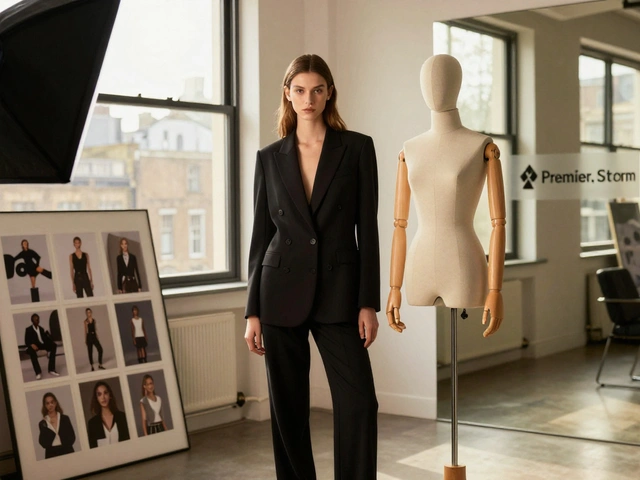
Most brand collaborations begin with a brief. A fashion label, beauty brand, or even a supermarket chain wants to reach a certain audience. They don’t just pick a model at random. They work with their trusted UK model agency to find someone who fits their image, audience, and values. Agencies like Premier Model Management, Storm Model Management, or Models 1 have deep databases of models with specific looks, experience, and even social media engagement stats. A brand might say: "We need a 22-year-old model with natural skin, a size 8, and a strong Instagram following under 50k." The agency pulls 10 candidates. The brand picks two. A call is scheduled. If it clicks, the deal moves forward. It’s not just about looks. Brands now look at how a model talks, how they carry themselves off-camera, and whether they’ve worked with competitors before. A model who’s just done a campaign for a rival skincare line might be ruled out - not because they’re bad, but because the brand wants exclusivity.What’s in the Contract?
A model’s contract isn’t just about pay. It’s a detailed document that covers everything from shoot dates to how the images can be used. In the UK, most contracts are governed by the British Association of Model Agents (BAMA) guidelines, which protect both the model and the brand. Key clauses include:- Usage rights: Can the brand use the photos on billboards, Instagram, TV, or in packaging? Some contracts limit usage to 12 months; others are perpetual.
- Exclusivity: Are you barred from working with competitors for six months? This is common in beauty and fashion.
- Payment structure: Flat fee? Per hour? Bonus for performance? Most UK agencies negotiate a minimum of £500 per day for new models, rising to £2,000+ for established names.
- Image approval: Can the model review and approve final edits? This is non-negotiable for many models - especially when it comes to body editing.
Why Agencies Are the Bridge
Brands don’t want to deal with 50 individual models. They want one point of contact who knows who’s reliable, who’s punctual, and who won’t show up with a bad attitude after a 3am call time. UK model agencies act as filters, negotiators, and project managers. They handle scheduling, travel, wardrobe coordination, and even legal reviews. A good agency will also warn their model if a brand has a history of late payments or poor on-set behavior. Agencies also help models grow. If a model does well on a campaign for a high-end skincare brand, the agency will pitch them for similar campaigns. That’s how a model goes from local magazine spreads to working with L’Oréal or Marks & Spencer.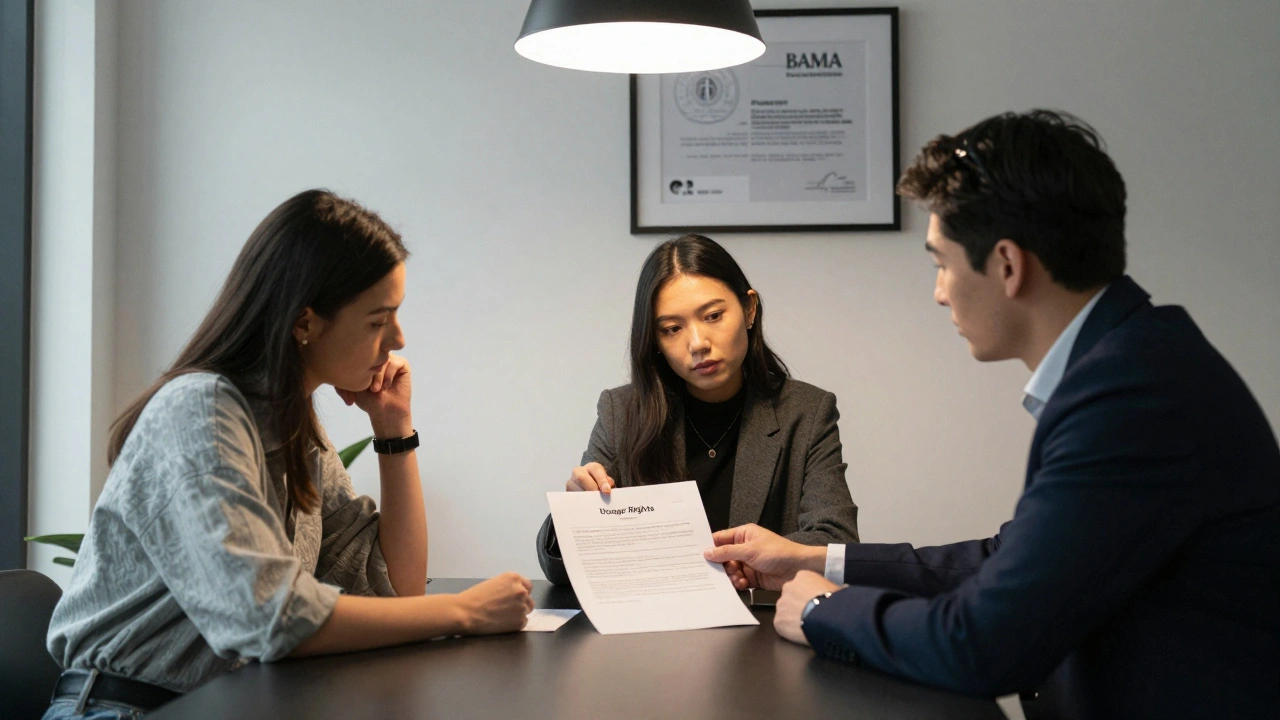
What Brands Look For Beyond the Look
It’s no longer enough to be photogenic. Brands now want models who can tell a story. A campaign for a sustainable fashion brand might need a model who actually cares about ethical production - not just someone who can wear a dress well. In 2025, brands are asking questions like:- Do you have experience with inclusive sizing?
- Have you worked with diverse photographers or stylists?
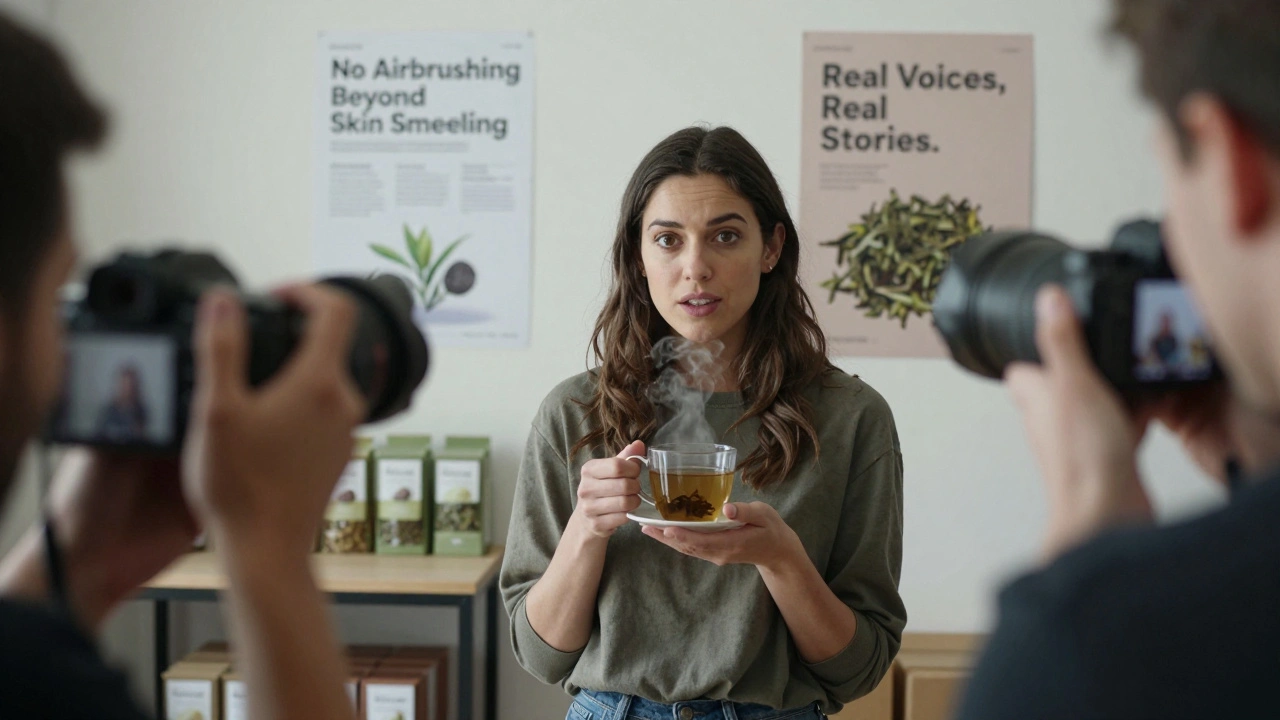
- Can you speak to the brand’s mission in your own words?
Common Pitfalls and How to Avoid Them
Not every collaboration goes smoothly. Here are the top three problems models face - and how to avoid them:- Hidden usage rights: Some contracts say "global, perpetual, all media" without explaining what that means. Always ask: "Where exactly will this be used?" If it’s not clear, get it in writing.
- Payment delays: It’s not uncommon for small brands to pay 60-90 days late. Your agency should insist on a 50% deposit upfront. If they refuse, walk away.
- Image misuse: A brand might use your photo in a completely different context - like promoting weight loss pills. If your contract doesn’t include image approval, you have no legal recourse.
How to Get Chosen for Brand Deals
If you’re a model trying to land brand collaborations, here’s what actually works:- Build a professional portfolio: Not just photos - include real campaign credits, even if they were small local gigs.
- Be consistent on social media: Brands look at your feed. Are you posting high-quality, on-brand content? Or is it all selfies and party photos? Clean, intentional posting matters.
- Work with a reputable agency: Even if you’re just starting, being signed to a well-known UK agency gives you instant credibility.
- Know your worth: Don’t accept £100 for a day’s work just because you’re "new." The market rate is £500 minimum for any paid shoot.
What’s Changing in 2026
The rules are shifting fast. Here’s what’s new:- AI-generated models: Some brands are testing AI models for digital ads. But real human models still win for emotional connection - especially in UK campaigns focused on authenticity.
- Transparency laws: New UK guidelines require brands to disclose if an image has been digitally altered beyond minor skin smoothing. This means models are being asked to sign off on editing limits.
- Long-term partnerships: Instead of one-off shoots, brands are signing models to 6-12 month ambassador roles. That means steady income and deeper brand alignment.
Final Thoughts
Working with brands isn’t about being the prettiest. It’s about being the most professional, reliable, and aligned with the brand’s message. The UK model agency system exists to make this easier - for both you and the brand. If you’re serious about brand collaborations, treat it like a business. Build your portfolio. Know your rights. Choose your agency wisely. And never be afraid to say no.How do UK model agencies get paid for brand collaborations?
UK model agencies typically take a commission of 15% to 20% of the model’s fee. The brand pays the agency, and the agency pays the model after deducting their cut. Some agencies also charge a small administrative fee for managing contracts and payments. Reputable agencies never ask the model to pay upfront.
Can a model work with multiple brands at once?
Yes - but only if the contracts allow it. Most contracts include exclusivity clauses, especially in beauty and fashion. For example, if you’re signed to promote a specific lipstick brand, you likely can’t appear in ads for another lipstick brand for 6-12 months. Always check your contract before accepting new work.
What’s the difference between a model and an influencer in brand deals?
A model is hired for their appearance and ability to pose for photoshoots or runway shows. An influencer is hired for their audience and ability to create authentic content. Many models now do both - but they’re different roles. Brands often hire models for high-end campaigns and influencers for social media.
Do I need a professional headshot to get brand deals?
Yes. A professional headshot is non-negotiable. Brands need to see your face clearly, in good lighting, with neutral background. Casual selfies or phone photos won’t cut it. Most agencies require new models to have at least three professional shots before considering them for commercial work.
Are UK model agencies regulated?
Yes. Agencies that are members of the British Association of Model Agents (BAMA) follow strict ethical guidelines, including fair pay, no upfront fees, and transparent contracts. Always check if your agency is BAMA-certified. If they’re not, proceed with caution.

February 3, 2026 AT 03:45
Kristin Briggs
Okay but let’s be real - the 20% hip airbrushing story? That’s the moment I stopped scrolling. Models aren’t mannequins. They’re humans with boundaries, and that Manchester girl? Icon. Agencies need to start blacklisting brands that even *think* about that kind of editing. It’s not just unethical - it’s lazy storytelling.
Also, why is no one talking about how agencies are the real gatekeepers? They hold the keys to the kingdom, and most new models don’t even know they can negotiate usage rights. Game changer.
And yes, I’m screaming at my screen right now.
February 4, 2026 AT 00:01
Sean Phoenix
AI models are coming. They don’t sleep. They don’t demand overtime. They don’t cry when you airbrush their hips. And guess what? Brands are already testing them. The real question isn’t ‘will humans be replaced?’ - it’s ‘how long until the model agency system becomes a ghost town?’
Also, BAMA? That’s just PR theater. They’re not regulating anything. They’re just giving brands a shiny stamp so they can sleep better at night while paying models in exposure.
Wake up. This industry is a pyramid scheme dressed in designer denim.
February 4, 2026 AT 14:54
Erika Hernández
Y’ALL. I just cried reading about that model who wrote her own video script for the tea brand. That’s the kind of magic that doesn’t come from a casting call - it comes from truth. Real people. Real stories.
And to every model reading this: your voice matters more than your measurements. If you can’t speak authentically about the brand, you’re not a fit. And that’s okay. The right brand will find you when you’re being YOU.
Also, your agency should be your hype squad, not your boss. Find one that fights for you. I believe in you. You’ve got this.
💖
February 6, 2026 AT 12:21
vincent ngeso
so many models think its just about looking good but no its about being reliable and knowing your worth
my cousin got signed to a small agency in atlanta and they told her to never take less than 500 a day even if its just a magazine thing
and she said no to a brand that wanted to edit her stretch marks
now she’s doing campaigns with a sustainable yoga brand and they pay her monthly
its not magic its just knowing your value
also agencies should never ask you for money
if they do run
February 6, 2026 AT 16:43
Sophie Kerr
Authenticity is the new aesthetic. Exclusivity, the new currency. Agencies, the new gatekeepers. Contracts, the new armor.
Everything else is noise.
February 8, 2026 AT 13:23
Hanna Holmberg
Okay, let’s break this down like a checklist for new models - because this is GOLD and I wish I had this when I started!
✅ Professional headshots? Non-negotiable. No selfies. No bathroom lighting. Get a pro. Period.
✅ Agency? Must be BAMA-certified. Check their website. If they don’t say it, ASK. If they dodge - RUN.
✅ Contract? Read every word. If it says ‘perpetual usage’ - get a lawyer. If it doesn’t mention image approval - DON’T SIGN.
✅ Payment? 50% upfront. Always. If they say ‘we pay after delivery’ - that’s a red flag wrapped in glitter.
✅ Social media? Clean it up. Brands are stalking your DMs. Are you posting chaos or cohesion?
✅ Saying no? It’s not rude. It’s professional. Turning down £3k for body editing? That’s not a loss - that’s legacy-building.
And if you’re reading this and you’re a model? You’re not just a face. You’re a brand. Own it.
Also - if you’re in the UK, go to BAMA’s site. They have free contract templates. USE THEM.
I’m rooting for you. You’re not alone.
February 10, 2026 AT 06:33
Shaun Chooi
Look I get the AI models thing but come on - you can’t replicate a real person’s micro-expression when they’re telling a story about their anxiety and switching to herbal tea. That’s the whole point of this shift.
And yeah, Sean? BAMA isn’t perfect - but it’s something. We need standards, not chaos. If we let every shady agency in, the whole industry collapses.
Also - the model who walked away from the airbrushing? That’s the kind of courage that changes the game. That’s not just a model. That’s a movement.
Let’s not forget: the real power isn’t in the camera. It’s in the contract. And the courage to say NO.
And to every young model out there - your worth isn’t measured in pixels. It’s measured in integrity.
Keep going.
February 10, 2026 AT 13:10
Deepak Raj Aryan
Bro this is fire! In India we got models doing ads for chai and turmeric soap and they don’t even get paid properly - but they still smile and say yes
But this UK thing? It’s different - they got rules! They got BAMA! They got backbone!
That girl who said no to hip editing? She’s my hero. In Mumbai, they’d say ‘you’re lucky to be here’ - here? She got backed up.
And the AI models? Nah. People want soul. Not CGI. I’ve seen ads where the model looks like a robot - people scroll past.
Realness wins. Always.
Also - if you’re a model and you’re scared to ask for money? Just say ‘I’m worth 500’ - say it like you mean it. No apology. No ‘sorry’ - just ‘I’m worth 500’
And if your agency says no? Find a new one. You’re not a product. You’re the brand.