Some names don’t just walk the runway-they redefine it. The most iconic fashion moments in history weren’t just about clothes. They were about presence, attitude, and the raw power of a model who turned a garment into a statement. These aren’t just models. They’re legends who made fashion feel alive.
Twiggy: The Girl Who Changed the Face of Fashion
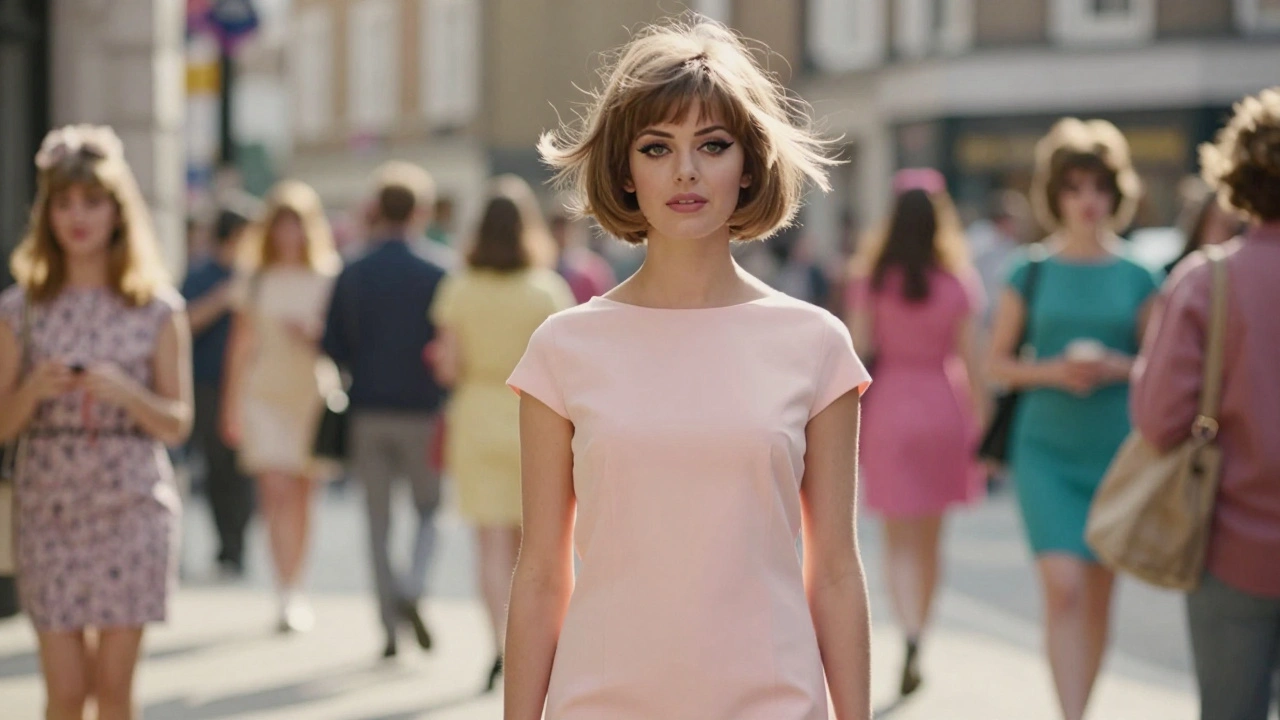
In 1966, a 16-year-old girl from London changed everything. Twiggy wasn’t tall. She wasn’t curvy. She had big eyes, short hair, and a frame that looked like it could snap in the wind. But she didn’t need to be traditional. Her look-thin, androgynous, fresh-was the opposite of the hourglass bombshells of the 1950s. When she appeared on the cover of British Vogue in a minidress and eyeliner, sales of miniskirts exploded. Designers like Mary Quant didn’t just dress her-they built entire collections around her energy. She wasn’t just a model. She became the face of youth culture. Her impact? A new standard: beauty didn’t have to be mature to be powerful.
Naomi Campbell: The First Black Supermodel Who Broke Every Door
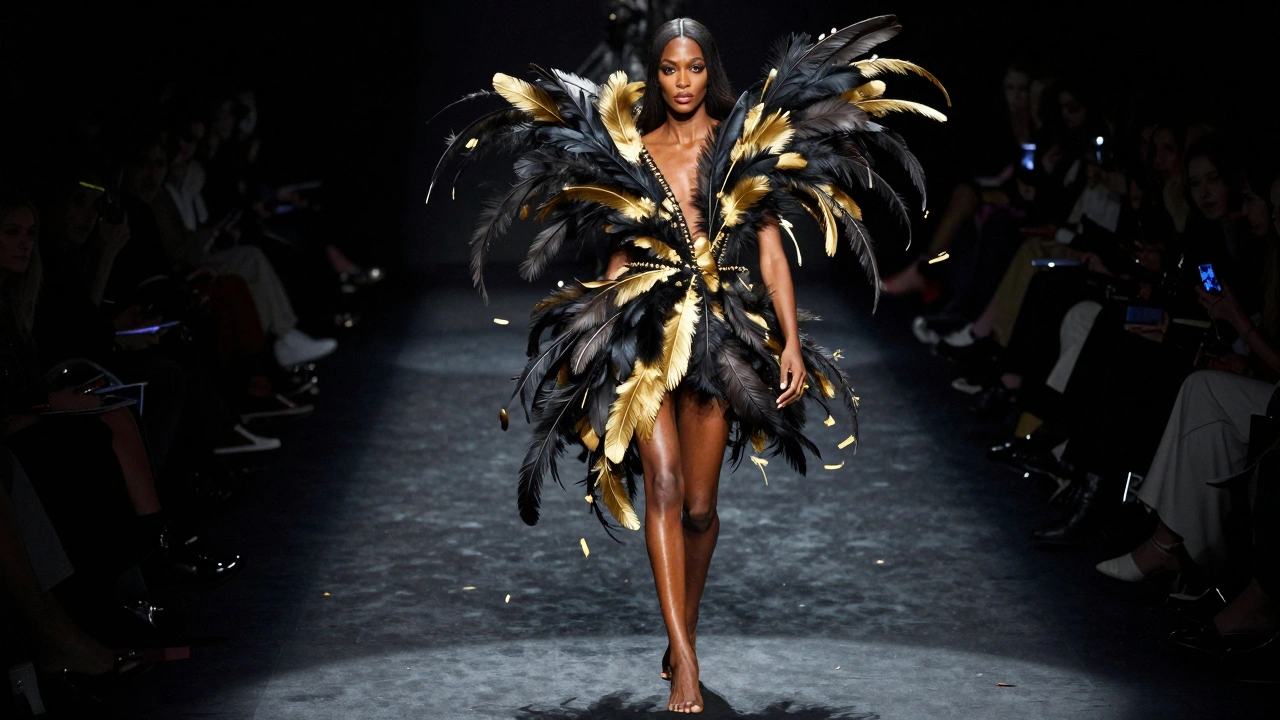
Naomi Campbell didn’t just walk a runway-she owned it. In the late 1980s, high fashion was still dominated by white faces. But Naomi, at just 17, walked for Yves Saint Laurent, Versace, and Chanel while still in her teens. In 1989, she became the first Black model to grace the cover of French Vogue. That wasn’t just a milestone-it was a seismic shift. She didn’t wait for permission. She showed up, stood tall, and made designers realize they were missing out. Her 1991 walk in Alexander McQueen’s Birds collection, barefoot and draped in feathers, is still studied today. It wasn’t just a show. It was performance art. She proved that Black models weren’t a trend-they were essential.
Cindy Crawford: The Face That Launched a Thousand Ads
Cindy Crawford had a mole. Not a flaw. A signature. That little spot above her lip became more recognizable than most logos. In the 1990s, she was everywhere: Pepsi commercials, Calvin Klein jeans, and the cover of Time magazine. She didn’t just model clothes-she sold a lifestyle. Her 1992 Pepsi ad with the ripped jeans and the slow-motion sip? That’s still replayed in advertising schools. She made modeling feel personal. She wasn’t untouchable. She was the girl next door who just happened to be on a magazine cover every month. Her success proved that charisma could outshine perfection.
Kate Moss: The Heroin Chic Revolution
In 1993, a 14-year-old Kate Moss walked into a casting and changed fashion forever. She wasn’t tall. She wasn’t polished. She looked like she’d just rolled out of bed. But that’s exactly why she worked. Her look-thin, smoky-eyed, effortlessly cool-became known as ‘heroin chic.’ She starred in Calvin Klein’s Obsession campaign, where she wore nothing but a slip and a pair of boots. The ad was controversial, but it sold out in hours. She didn’t follow trends. She created them. Her partnership with Marc Jacobs for the 1993 grunge collection for Perry Ellis turned flannel shirts and ripped jeans into high fashion. She made imperfection desirable. And for a generation, that was everything.
Adriana Lima: The Brazilian Powerhouse Who Dominated Victoria’s Secret
Adriana Lima didn’t just wear wings-she redefined them. As a Victoria’s Secret Angel from 2000 to 2018, she became the face of the brand’s most iconic shows. Her 2005 Fantasy Bra, worth $12.5 million, wasn’t just jewelry-it was a statement. She carried it with the confidence of someone who knew she belonged on that stage. But her impact went beyond lingerie. She brought Latin beauty to global runways with grace and grit. She walked for Chanel, Valentino, and Versace, proving that curves and strength could coexist in high fashion. She didn’t need to be small to be powerful. She showed that beauty could be bold, athletic, and unapologetic.
Gigi Hadid: The Modern Face of Authenticity
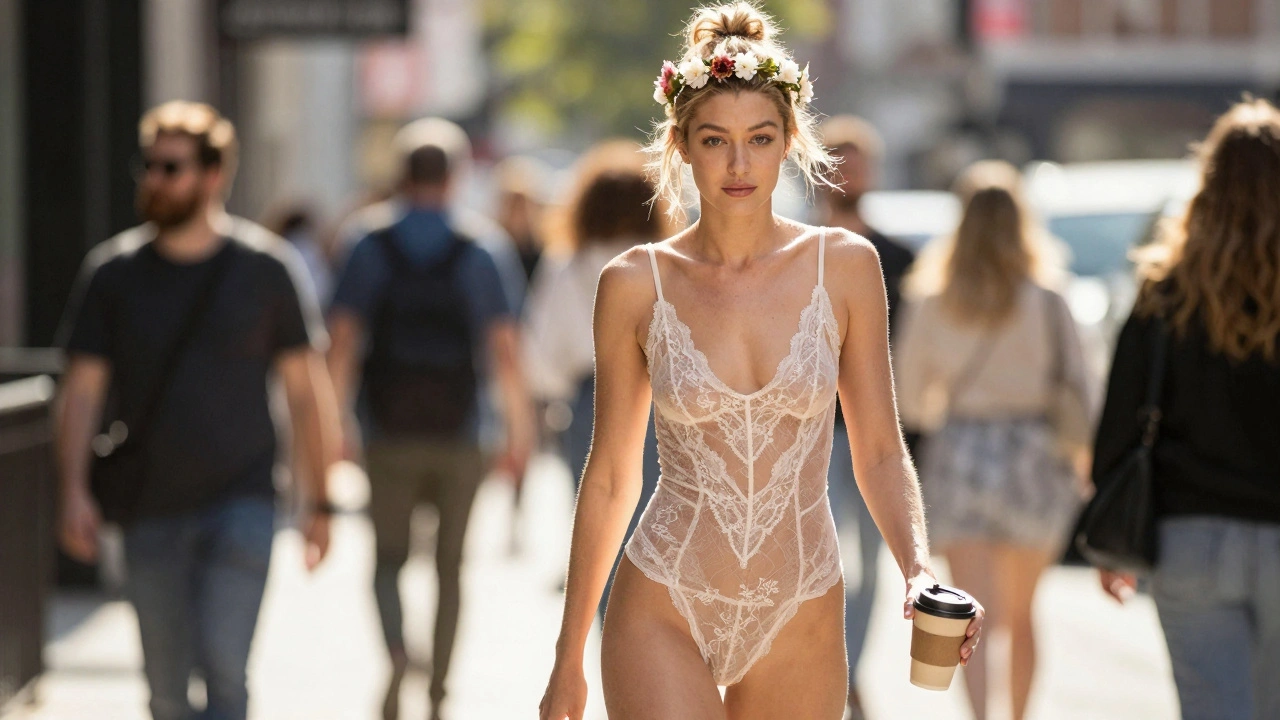
Gigi Hadid didn’t wait for a perfect lighting setup to be noticed. She posted candid photos on Instagram-messy buns, no makeup, just real life. And the world responded. By 2015, she was walking for Versace, Chanel, and Tom Ford. Her 2016 appearance at the Victoria’s Secret Show, wearing a sheer lace bodysuit and a crown of flowers, went viral. But what made her iconic wasn’t just the looks. It was the way she carried herself: confident, relatable, and real. She broke the mold of the unreachable supermodel. She was the girl who could be on a runway one day and grabbing coffee the next. Her rise showed that authenticity could be the most valuable asset in fashion.
Why These Moments Matter
These women didn’t just wear clothes. They shifted culture. Twiggy made youth cool. Naomi broke racial barriers. Cindy made modeling feel personal. Kate made imperfection fashionable. Adriana proved that power doesn’t come in one size. Gigi showed that real life is the new glamour. Each of them turned a single moment-whether it was a walk, a pose, or a look-into a movement.
Fashion isn’t just about fabric. It’s about identity. And these models didn’t just represent it-they defined it.
What Made These Moments Iconic?
It wasn’t just the clothes. It wasn’t just the photographers. It was the combination of timing, personality, and cultural shift. Each of these models stepped into a moment when the world was ready for change. Twiggy arrived when youth culture was rising. Naomi came when diversity was long overdue. Kate appeared when grunge was taking over music and street style. They didn’t force their way in-they rode the wave and then changed its direction.
What they all shared? They weren’t trying to be perfect. They were trying to be real. And that’s what made them unforgettable.
The Legacy Lives On
Today’s models still walk in the footsteps of these icons. Whether it’s a Gen Z model wearing a vintage Versace dress on TikTok or a plus-size model walking for Balmain, the spirit of those early moments is still alive. The rules changed. The faces changed. But the core idea didn’t: fashion is about expression, not conformity.
These women didn’t just model clothes. They modeled courage. And that’s why we still talk about them decades later.
Who was the first Black supermodel to appear on the cover of French Vogue?
Naomi Campbell became the first Black model to appear on the cover of French Vogue in 1989. This was a groundbreaking moment in fashion history, breaking long-standing racial barriers in high fashion and paving the way for greater diversity on runways and in editorial spreads.
What made Kate Moss’s look so revolutionary in the 1990s?
Kate Moss’s thin, effortless, and slightly disheveled look-dubbed ‘heroin chic’-challenged the polished, athletic ideals of the 1980s. Her collaboration with Calvin Klein and Marc Jacobs turned raw, grunge-inspired aesthetics into high fashion, proving that authenticity and imperfection could be more desirable than traditional beauty standards.
How did Cindy Crawford influence advertising beyond modeling?
Cindy Crawford became one of the first models to transition into mainstream advertising, most famously in the 1992 Pepsi commercial where she took a sip from a bottle in slow motion. Her relatable charm and signature mole made her feel like a real person, not just a face on a billboard. She helped turn models into household names and set the template for celebrity endorsements in pop culture.
Why is Twiggy still considered a fashion icon today?
Twiggy redefined beauty standards in the 1960s by introducing a youthful, slender, androgynous look that broke away from the curvaceous ideals of the previous decade. She became a symbol of the Swinging Sixties and helped launch the miniskirt and mod fashion movement. Her influence is still seen in how youth culture and minimalism are celebrated in fashion today.
Did Adriana Lima only model for Victoria’s Secret?
No, Adriana Lima modeled for major luxury brands including Chanel, Valentino, Versace, and Oscar de la Renta. While she became globally known as a Victoria’s Secret Angel for nearly two decades, her runway career spanned top fashion houses and editorial spreads in Vogue, Elle, and Harper’s Bazaar, proving her versatility beyond lingerie.
What to Remember
If you’re trying to understand what makes a model truly iconic, don’t look at the size of their contract or the number of covers. Look at the moments they created. The ones that made people stop scrolling. The ones that made designers rethink their collections. The ones that made the public say, ‘I didn’t know fashion could be like that.’
Those are the moments that last.





December 28, 2025 AT 16:49
Chrissy Brown
OMG YES 🙌 Twiggy was literally the OG vibe shift-like, who even knew skinny could be sexy before her? And Naomi? Bro. She didn’t just walk into French Vogue, she kicked the door down and took the whole damn building with her. Fashion didn’t just change-it had to evolve or get left behind. 💥
December 29, 2025 AT 03:43
Marcia Chrisyolita
While the cultural impact of these women is undeniable, one must critically assess the commodification of identity within capitalist fashion structures. The industry’s performative diversity-exemplified by tokenistic casting cycles-often masks systemic exclusionary mechanisms that persist in editorial gatekeeping. Naomi’s 1989 cover was a symbolic rupture, yet the subsequent decades reveal a pattern of reversionary regression wherein Black models are elevated only when marketable, never when structural equity is demanded. This is not empowerment-it’s aesthetic exploitation wrapped in progressivism.
December 29, 2025 AT 19:28
Matthew Whitehead
I think what really ties all these women together is how they each turned their uniqueness into authority. Not perfection. Not conformity. Just being themselves in a space that tried to force them into boxes. Kate Moss didn’t need to be tall. Cindy didn’t need to be flawless. They just showed up and made it clear they belonged. That’s the real legacy.
December 31, 2025 AT 14:09
Daniel Kim
Naomi was the first. End of story. Everything else is noise.
January 1, 2026 AT 12:54
Dan Packer
It’s wild how much power a single look can hold. Twiggy made girls feel like they could be beautiful even if they didn’t fit the mold. Kate made it okay to look tired and real. Gigi made us believe you don’t need filters to be iconic. These women didn’t just wear clothes-they gave people permission to feel seen. That’s rare. That’s lasting.
January 1, 2026 AT 17:25
Dale Zebick
Adriana Lima was the first time I saw someone who looked like my aunt on a runway and didn’t feel like she was there to be exoticized. She owned every second. The way she carried that $12.5 million bra? Like it was just another Tuesday. That’s confidence. That’s legacy. And yeah Gigi too-posting in sweatpants and still getting booked for Chanel? That’s the future right there