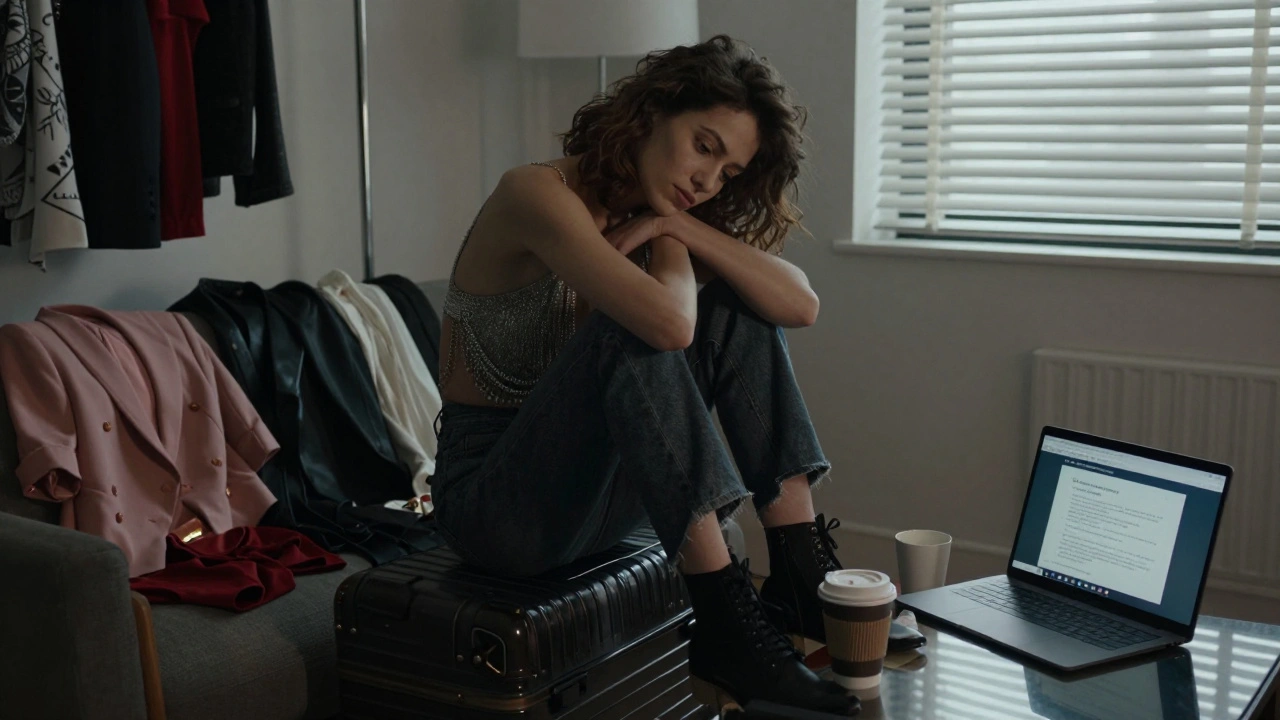
Being a top model isn’t about runway walks and glossy magazine covers. It’s a high-stakes business with unpredictable pay, long stretches of no work, and pressure that no one talks about. The world sees the designer gowns and the luxury travel-but not the 18-hour days, the rejections, or the financial instability that comes with it. If you think top modeling is glamour all the way, you’re missing half the story.
How Top Models Actually Make Money
Most people assume top models earn millions from runway shows alone. That’s not true. Only a handful of names-like Gigi Hadid, Kendall Jenner, or Bella Hadid-make that kind of money. For the rest, income comes from a mix of sources: print ads, commercial campaigns, brand partnerships, and occasional runway gigs.
A top model might earn $50,000 for a single Vogue cover shoot, but that’s rare. More commonly, they make $5,000 to $15,000 per campaign. Commercial modeling for brands like Target, H&M, or L’Oréal pays better over time than high fashion. One model told me she made more in six months promoting a shampoo line than she did in two years walking for Paris Fashion Week.
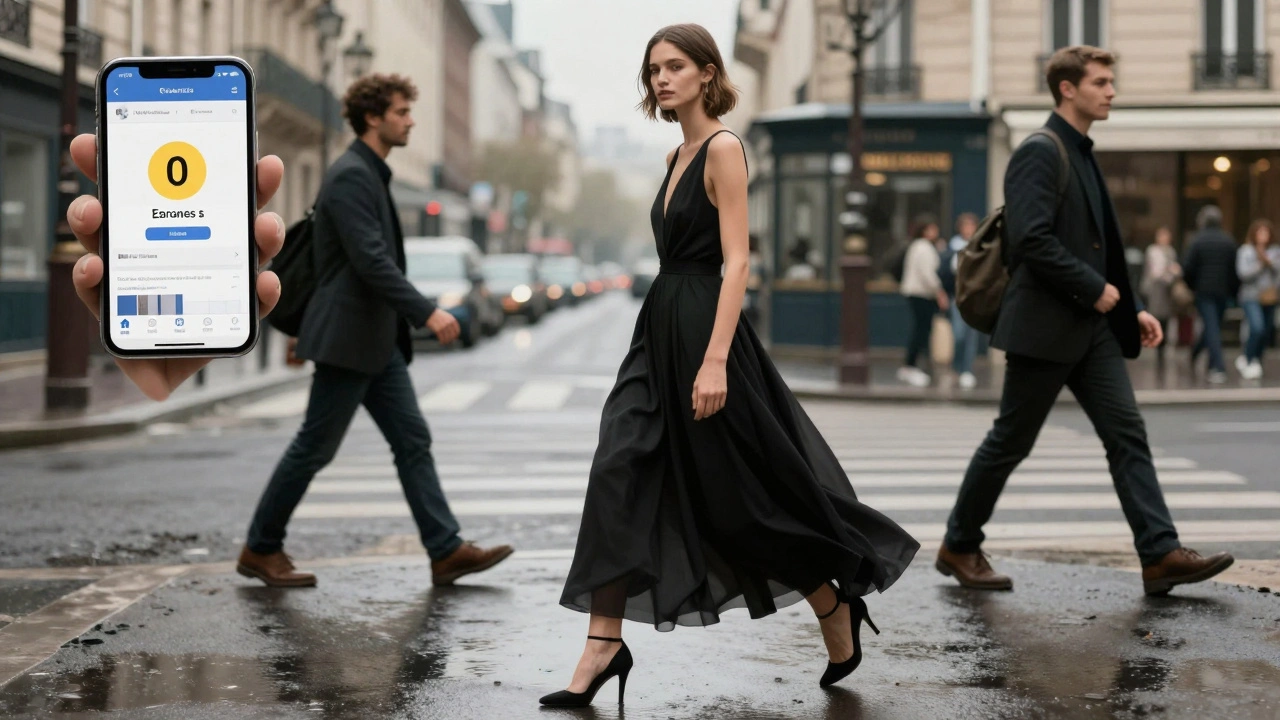
Brand deals on Instagram are now a major income stream. Top models with 2 million followers can charge $50,000 to $200,000 per post. But that requires constant content, engagement, and a personal brand that feels authentic. One model I spoke with posted 17 times a week for two years just to build that following-then got dropped by her agency when she turned 26.
The Hidden Costs of Being a Top Model
There’s no salary. No benefits. No paid sick days. You pay for everything yourself: flights, hotels, wardrobe, hair, makeup, and even the portfolio photos that get you booked. A single high-end portfolio shoot can cost $10,000. If you’re based in New York or Paris, rent and living expenses can hit $4,000 a month.
Many models take out loans or use credit cards to cover startup costs. One 21-year-old model from Ohio told me she maxed out three cards just to get to Milan for her first season. She worked 14 hours a day for three weeks and earned $3,200 total-after agency fees and travel expenses.
Even when you’re booked, the money doesn’t always come fast. Agencies take 20% to 30%. Clients take 60 to 90 days to pay. That means a model might finish a job in January and not see the check until April. During that time, rent is due. Groceries are needed. Bills pile up.
Short Career Span, Long-Term Planning
The average career of a top model lasts 5 to 7 years. Most are out of the game by 28. Why? The industry is obsessed with youth. A 25-year-old model is already considered "mature." Agencies stop sending you to castings once you hit 26. It’s not about skill-it’s about age.
That’s why the smartest models start planning their next chapter early. Some become entrepreneurs: launching beauty lines, fitness programs, or modeling schools. Others move into styling, photography, or brand consulting. A few even go back to school. One former top model I know got her MBA at 27 and now runs a talent management firm for models over 30.
There’s no safety net. No pension. No unemployment insurance. If you don’t build something beyond modeling, you risk starting over with nothing at 30.
The Mental Toll
Body image issues, eating disorders, anxiety, and depression are rampant. A 2023 study by the Model Alliance found that 62% of models reported being told to lose weight in the past year. One in three had been pressured to lose weight in a way that made them physically sick.
It’s not just about the scale. It’s about constant comparison. You’re surrounded by people who look like you-but better. You’re judged on your jawline, your thigh gap, your skin texture. You’re told you’re "too tall," "too short," "too curvy," or "too thin." And it doesn’t matter how much you earn-if you don’t look like what the client wants today, you’re not booked tomorrow.
Many models work with therapists. Some have support groups. But most suffer in silence because admitting you’re struggling feels like weakness in an industry that rewards perfection.
Who Really Makes It to the Top?
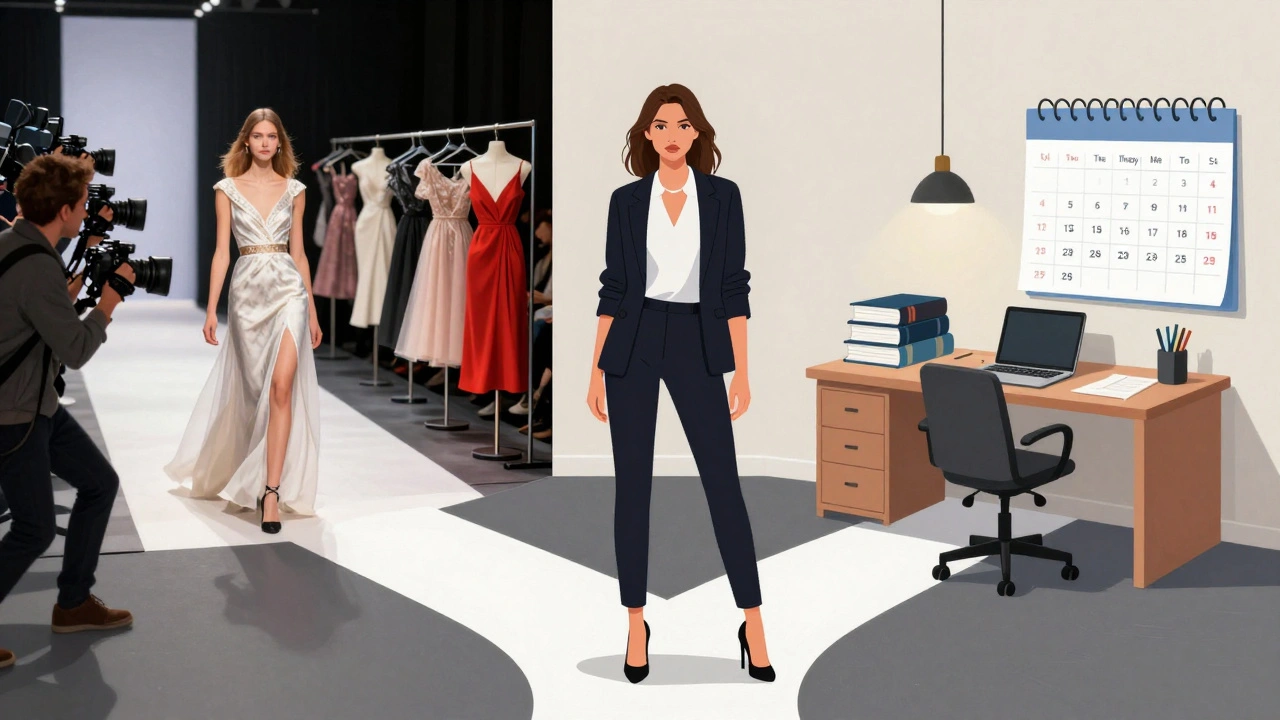
It’s not just about looks. It’s about resilience, business sense, and luck. The models who last are the ones who treat themselves like CEOs-not just faces. They hire accountants. They negotiate contracts. They say no to jobs that don’t pay fairly. They build relationships with photographers and stylists who respect them.
They also understand that their worth isn’t tied to a number on a scale or a magazine cover. One top model I interviewed said, "I stopped measuring my success by how many times I was in Vogue. I started measuring it by how many nights I slept without crying." That’s the real measure of success.
Is It Worth It?
For some, yes. For others, no. There’s no universal answer. If you want fame, money, and a front-row seat to fashion week-then go for it. But if you’re looking for stability, security, or long-term peace of mind, you’re better off preparing for the exit before you even start.
The top models who thrive after their runway days aren’t the ones who got the most covers. They’re the ones who learned to value themselves beyond their appearance. They built businesses. They wrote books. They mentored new models. They became leaders, not just faces.
Being a top model isn’t a dream job. It’s a high-risk business. And like any business, you need a plan-not just a portfolio.
How much do top models actually earn per year?
Earnings vary wildly. The top 1% of models make over $1 million a year, mostly from brand deals and advertising. The average top model earns between $80,000 and $250,000 annually, but that includes months with no work. Many make less than $50,000 after expenses and agency fees. Pay is inconsistent-some months you earn six figures, others you earn nothing.
Do top models have health insurance?
Most don’t. Modeling is freelance work, so there’s no employer-provided insurance. Some agencies offer health plans for their top clients, but these are rare and often expensive. Many models rely on family plans, government programs, or pay out of pocket. Mental health care is even harder to access-only 12% of models surveyed said they had access to a therapist through their agency.
Why do models retire so young?
The fashion industry prioritizes youth. Designers want fresh, "unspoiled" looks for their collections. Once a model turns 26, agencies stop sending them to major runway shows. Clients move on to younger faces. It’s not about talent-it’s about market trends. Models who want to extend their careers often shift to commercial, editorial, or niche markets like plus-size or mature modeling.
Can you become a top model without moving to New York or Paris?
It’s possible, but extremely difficult. Most major agencies, designers, and clients are based in New York, Paris, Milan, or London. While social media has opened doors for models in smaller cities, top-tier jobs still require in-person castings, fittings, and networking. Many models relocate early, even if it means living with roommates in tiny apartments. Without being in those hubs, you’ll miss out on the biggest opportunities.
What’s the biggest mistake new models make?
They think beauty is enough. The biggest mistake is believing that if you look good, the work will come. In reality, success comes from professionalism, reliability, and business savvy. Showing up on time, knowing your worth, negotiating pay, and building real relationships matter more than your measurements. Many talented models burn out because they don’t know how to manage their careers-they just wait for someone else to make it happen for them.



December 20, 2025 AT 07:23
Rachel Glum
People think modeling is all glitter and no grind-but this? This is the real deal. I’ve seen friends burn out by 24, maxed-out cards, and therapists they couldn’t afford. It’s not a dream-it’s a startup with no investors and no safety net. And the worst part? You’re told to be grateful just for the chance to be seen.
But here’s the flip: those who survive don’t just wait for the next job. They build. They write. They teach. They invest. One girl I know turned her Instagram into a coaching brand for young models-now she’s got a team and a podcast. That’s the real win.
Beauty fades. Strategy doesn’t.
December 20, 2025 AT 09:40
James Nightshade
There’s a quiet dignity in how these women and men carry themselves through the chaos. No one talks about the 3 a.m. panic attacks before castings, or the way they smile through rejection after rejection because they’ve learned that their worth isn’t in the booking.
I’ve worked with models who could recite every clause in their contracts like lawyers. They knew their numbers, their limits, their value. That’s not luck. That’s discipline. And that’s what separates the ones who vanish from the ones who thrive.
Respect to every model who built a life beyond the runway. You didn’t just pose-you persisted.
December 20, 2025 AT 11:55
Patrick MacKrell
Oh please. This is just another ‘poor me’ narrative wrapped in a Vogue filter. You think the world owes you a career because you’re tall and thin? Newsflash: every industry has its brutal side. Lawyers work 80-hour weeks. Surgeons sleep in hospitals. Firefighters risk their lives for strangers.
Modeling isn’t special. It’s just the only job where people cry about being paid to look good. And don’t even get me started on the ‘mental toll’-you’re not getting shot at, you’re not starving, you’re just not getting a free trip to Bali.
Also, 26 is old? That’s rich. I’m 32 and my knees are failing. You think the world cares if your thigh gap is ‘too wide’? Grow up.
December 21, 2025 AT 19:12
antonio montana
…I just… I can’t…
It’s so hard to hear this, and not feel like… like…
Like we’ve all been sold a lie.
And the worst part? The girls who speak up? They get called ‘bitter.’ Or ‘ungrateful.’ Or ‘not model material.’
But the ones who stay silent? They’re the ones who disappear.
…I know a girl who stopped eating after her agency told her she was ‘too soft.’ She’s 23 now. She’s in recovery. She still gets DMs asking if she’s ‘still in the game.’
…I just… I didn’t know it was this bad.
…Thank you for saying this.
…Please keep saying it.
December 22, 2025 AT 17:47
Deborah Billingsley
YESSSSS this is everything 😭💖
My cousin was a top model for 4 years. She made $200k one year… then got dropped because she ‘lost her edge.’ No warning. No severance. Just… poof.
She’s now running a nonprofit for models in recovery. She started with $500 and a GoFundMe. Now she’s got therapists on retainer. She’s changing lives.
Look-this industry is rigged. But you don’t have to be a victim. Build your side hustle while you’re still in. Learn to edit. Learn to pitch. Learn to say NO.
And if you’re reading this and you’re 18 and dreaming of the runway? Go for it-but bring a business plan. And a therapist. And a backup plan. And a damn good accountant. 💪✨
Love you, warriors.
December 23, 2025 AT 03:17
mary glynn
Ugh, another American sob story. We have real problems here in Ireland-housing, healthcare, the cost of living-and you’re whining about not getting paid enough to wear a dress for a week?
My cousin’s a nurse. Works triple shifts. Gets paid €30k a year. She doesn’t get flown to Milan. She gets paid in exhaustion.
Modeling is a luxury job. If you can’t handle the instability, don’t do it. Simple.
Also, 26 is old? LOL. My gran’s still working at 72. Get off your high horse.
December 23, 2025 AT 19:09
Kirsten Miller
What’s fascinating-no, terrifying-is how the industry weaponizes vulnerability. The very traits that make models desirable-empathy, sensitivity, self-awareness-are the same ones that make them susceptible to exploitation. They’re told to be ‘authentic’ on Instagram, then punished for showing emotion in the studio.
And the irony? The more they internalize the pressure to be perfect, the more they become profitable. A model who cries after a shoot is ‘relatable.’ A model who negotiates her fee is ‘difficult.’
This isn’t about beauty. It’s about control. And the system is designed to make you forget you have power.
So… who’s really the product here? The model? Or the illusion of perfection she sells?
December 24, 2025 AT 10:47
Liana Lorenzato
How quaint. The ‘real’ story of modeling. As if anyone didn’t already know it was a hollow spectacle. The real tragedy isn’t the income-it’s the delusion that this was ever a career worth aspiring to. It’s a transient performance art for the gaze of the wealthy. The fact that people romanticize it speaks more about our collective spiritual bankruptcy than their suffering.
Still, I suppose it’s better than being a TikTok influencer. At least models have a certain… aesthetic pedigree.
December 26, 2025 AT 00:15
Peter Hall
Build a business. Say no. Get an accountant. Leave before you’re used up.