When you scroll through Instagram and see a fitness model with chiseled abs and lean arms, it’s easy to think they’ve been born that way. Or that they spend hours in the gym every day, eating nothing but chicken and broccoli. The truth? It’s more complicated than that. Most fitness models aren’t just naturally gifted-they’ve built their physiques through years of disciplined, smart, and often misunderstood training. And what they do behind closed doors rarely matches what you see on social media.
What Fitness Models Actually Do in the Gym
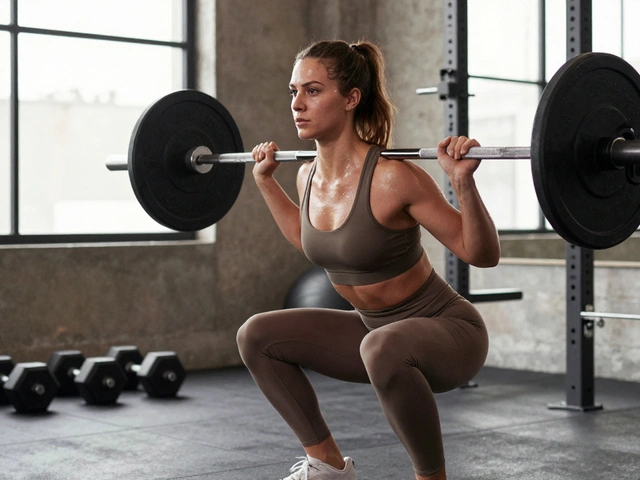
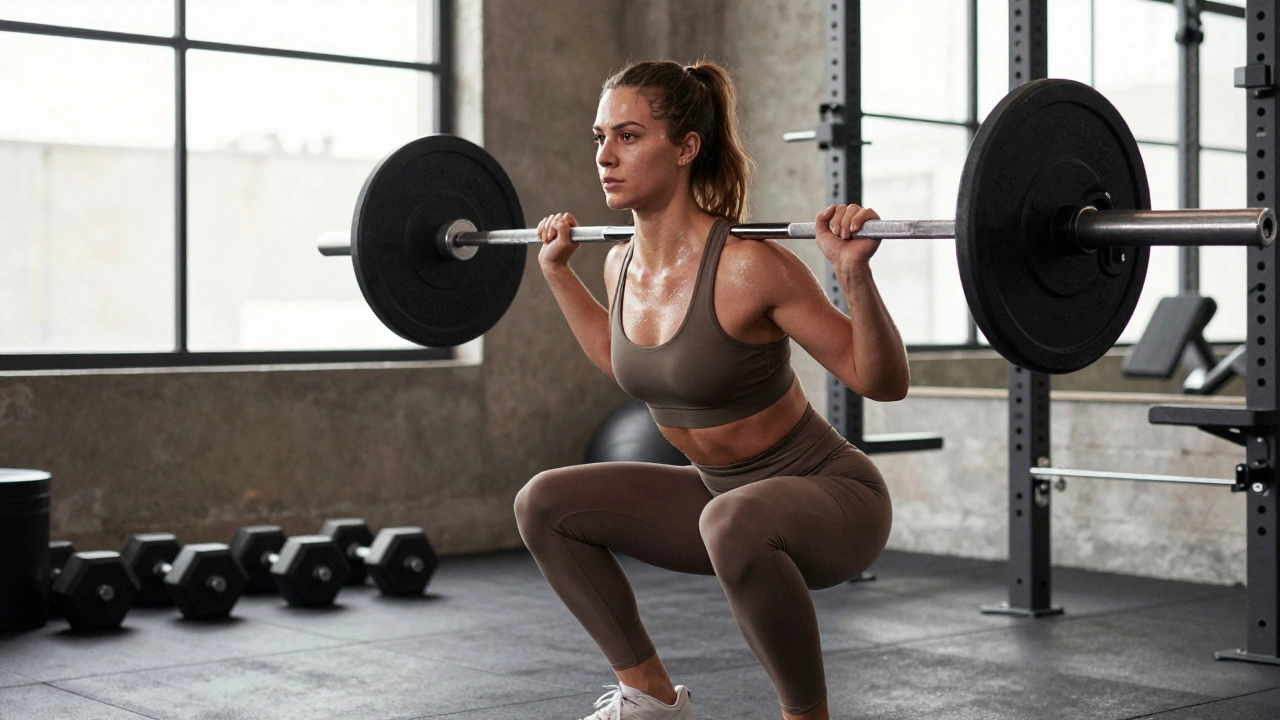
Fitness models aren’t bodybuilders. They don’t chase maximum size. They don’t bulk for months and then cut for six weeks. Their goal is balance: enough muscle to look defined, but not so much that they lose mobility or natural movement. Most train 5 to 6 days a week, but not for hours. A typical session lasts 60 to 75 minutes. They focus on compound lifts-squats, deadlifts, bench presses, pull-ups-and pair them with high-rep isolation work to shape muscles without adding bulk.
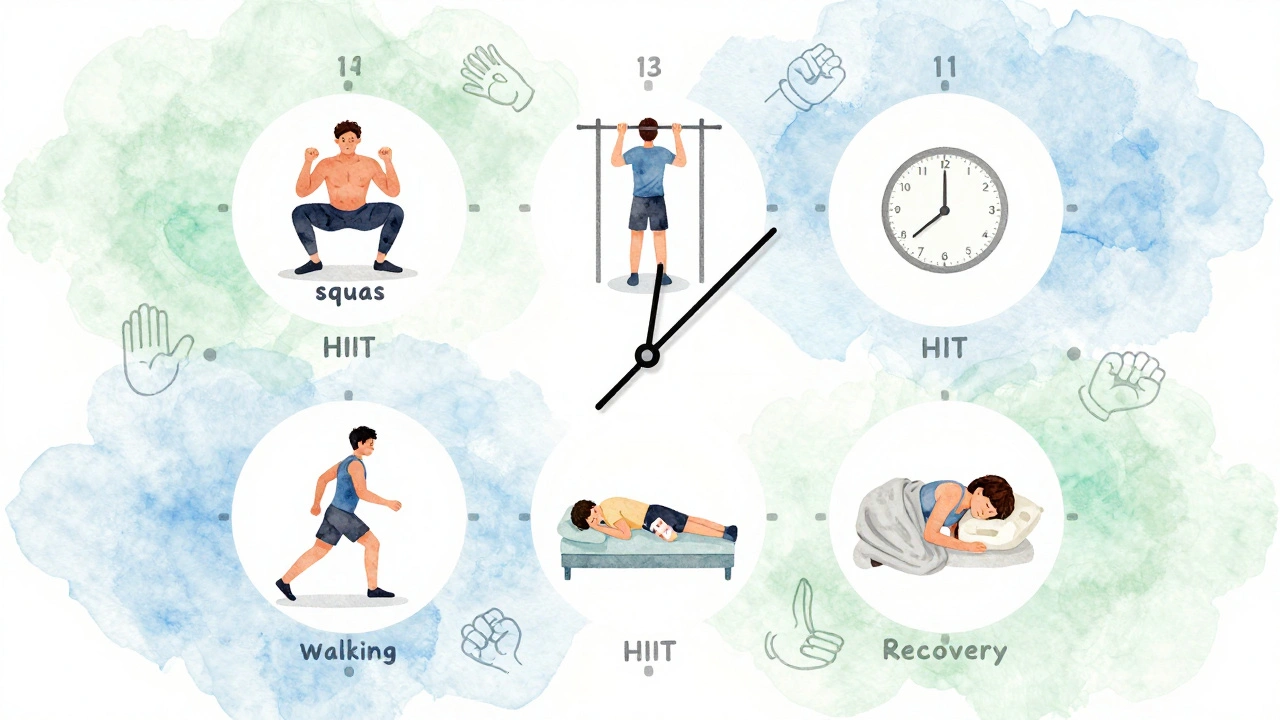
Take Sarah Lin, a fitness model based in London. Her weekly split isn’t about lifting heavy every day. Monday is legs with 4 sets of barbell squats at 75% of her 1RM, followed by lunges and calf raises. Wednesday is upper body push-overhead press, incline dumbbell bench, triceps extensions. Friday is back and core: pull-ups, bent-over rows, hanging leg raises. She doesn’t do cardio on a treadmill for an hour. Instead, she walks 8,000 steps daily and does 20-minute HIIT sessions twice a week. That’s it.
The Myth of the 10-Hour Workout
Many people believe fitness models train like elite athletes. They don’t. Most are former athletes, dancers, or coaches who learned how to train efficiently. One study from the University of Birmingham in 2024 tracked 120 fitness models across Europe and found the average weekly training volume was 8.7 hours-not 15 or 20 like some YouTube videos claim. The real secret? Recovery. Sleep. Consistency.
They prioritize rest days. They nap. They get 7 to 8 hours of sleep. They don’t train sore muscles. They don’t push through pain. They know that muscle grows when you rest, not when you lift. A fitness model who trains six days a week isn’t trying to exhaust themselves-they’re trying to stimulate growth without burnout.
How Nutrition Really Works for Them
Forget the kale smoothies and protein powder at every meal. Most fitness models eat like normal people-just with more structure. They track calories and macros, but not obsessively. A 2025 survey by the European Fitness Nutrition Association found that 68% of fitness models don’t count calories daily. Instead, they use portion control: a palm-sized protein, a fist of carbs, a thumb of fat, and two cups of vegetables per meal.
They eat carbs. They eat fat. They eat rice, potatoes, eggs, cheese, and even pizza-once a week. Their meals are timed around training. Carbs before workouts. Protein after. Fat at night. No fasting. No juice cleanses. No detoxes. One model from Manchester told me, “I don’t eat clean. I eat consistent.” That’s the real mantra.
Body Composition vs. Appearance
What you see in photos isn’t always what’s real. Lighting, angles, posing, and editing play a huge role. Many fitness models look their best for 24 to 48 hours before a shoot. They reduce sodium, increase water intake, and do light carb-loading. That’s it. It’s temporary. It’s not how they live.
True fitness models maintain a body fat percentage between 12% and 16% for women, and 8% to 12% for men. That’s not starvation-level low. That’s sustainable. You can maintain it with proper nutrition and training, without starving yourself or taking supplements. The average woman doesn’t need to drop below 18% body fat to look toned. Most can look great at 20% with decent muscle mass.
The Role of Genetics and Time
Let’s be honest: genetics matter. Some people build muscle faster. Others hold less fat. But that doesn’t mean others can’t get close. Most fitness models started with average physiques. One model from Oxford, who now has over 200K followers, told me she was a runner in college-skinny, no muscle. She started lifting at 24. Four years later, she was on magazine covers. That’s not magic. That’s four years of showing up.
There’s no shortcut. You can’t get there in 30 days. Or 90. It takes 2 to 4 years of consistent effort to build the kind of physique most fitness models have. And even then, it’s not about perfection. It’s about health, strength, and confidence.

What They Don’t Tell You
They don’t post about their off days. Or the times they skipped training because they were tired. Or the week they ate out every night because they were traveling. Or how they used to hate squats. Or how they cried after their first deadlift session.
Fitness models aren’t flawless. They’re human. They get bored. They lose motivation. They have cravings. They have bad weeks. The difference? They don’t quit. They don’t chase perfection. They chase progress.
Can You Build a Fitness Model Physique?
Yes-but not the way you think. You don’t need to follow a 7-day workout plan from a 22-year-old Instagram star. You don’t need to buy supplements or detox teas. You need:
- Strength training 3 to 5 times a week
- Progressive overload-gradually lifting more weight or doing more reps
- Enough protein-about 1.6 to 2.2 grams per kilogram of body weight
- Good sleep-7+ hours, consistently
- Patience-no results in less than 6 months
Forget the before-and-after photos. Look at the long-term. The person who’s been training for five years looks different than the one who just started. That’s the real benchmark.
Final Thought: It’s Not About Looking Like Them
The goal isn’t to become a fitness model. The goal is to become stronger, healthier, and more confident in your own skin. Fitness models didn’t get there by copying someone else. They got there by showing up, day after day, even when it was hard. That’s the truth. And that’s something anyone can do.