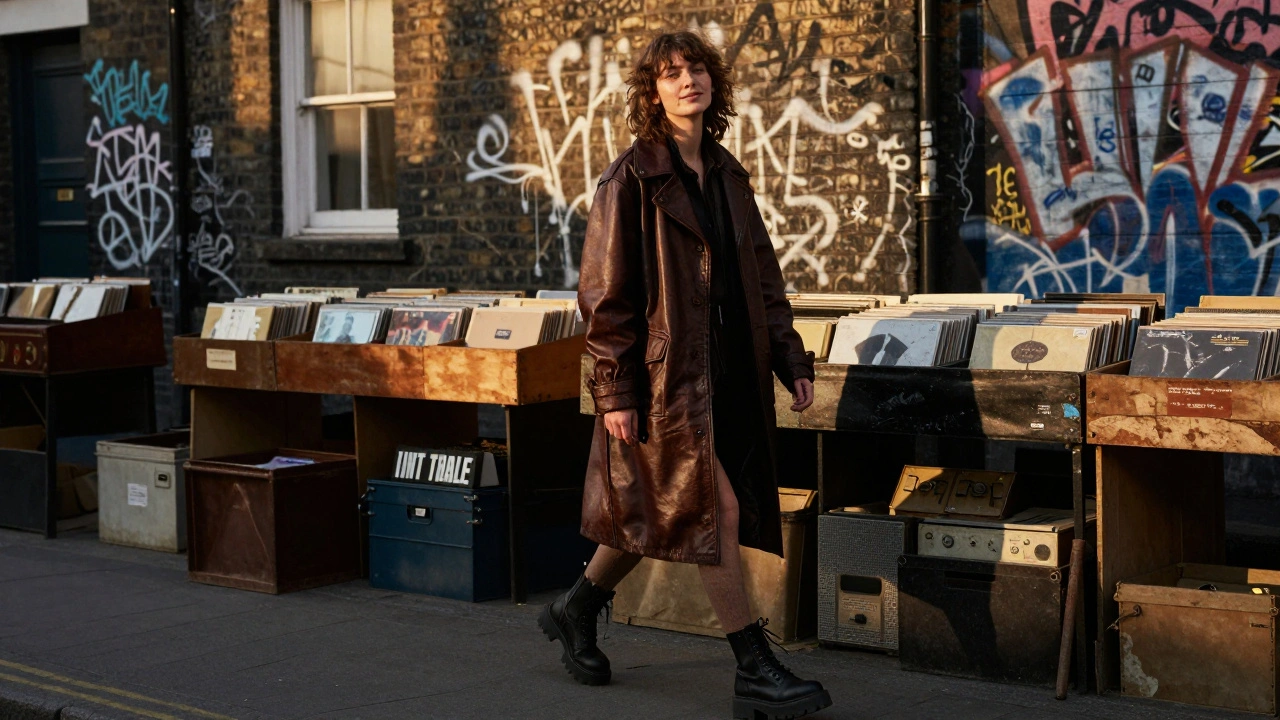
When you think of models, you might picture New York runways or Parisian catwalks. But if you’ve ever seen a UK model walk, you know there’s something different about them. It’s not just about height or symmetry. It’s attitude. It’s grit. It’s a quiet confidence that doesn’t need to shout to be noticed. British models don’t just wear clothes-they tell stories with them. And that’s why their style stands out globally.
It’s Not Just About the Look-It’s the Vibe
UK models don’t follow trends the way others do. They reinterpret them. Think of Kate Moss in the 90s: thin, messy hair, barely there makeup, and a slouch that turned rebellion into a movement. She wasn’t trying to be perfect. She was trying to be real. That’s the UK model DNA. It’s raw. It’s unpolished. It’s deeply personal.
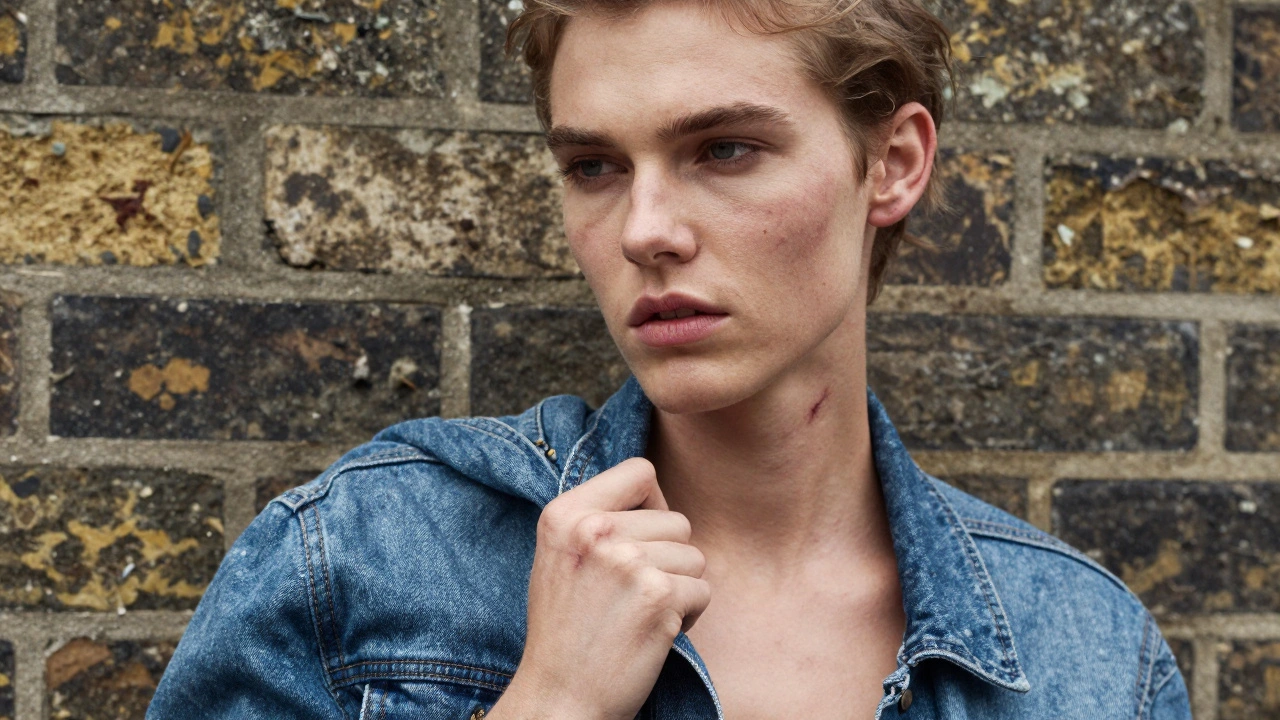
Compare that to the glossy, airbrushed look you see in some American campaigns. UK modeling leans into texture-freckles, crooked smiles, uneven shoulders. It’s not about hiding flaws. It’s about owning them. A 2023 study by the British Fashion Council found that 68% of UK-based campaigns intentionally cast models with visible scars, birthmarks, or non-traditional features. That’s not a trend. That’s a philosophy.
The Influence of Street Style
London’s streets are the real runway. You won’t find UK models posing in studio backdrops alone. You’ll see them in Camden Market, Hoxton, or Peckham, wearing thrifted coats, chunky boots, and vintage denim. Their style is shaped by subcultures-punk, grime, indie, and rave. These aren’t just fashion choices. They’re cultural statements.
Take the rise of models like Adwoa Aboah or Ellie Bamber. They don’t just walk for Burberry or Stella McCartney. They show up at underground gigs, speak openly about mental health, and model in locations that feel lived-in. Their authenticity bleeds into the brands they represent. That’s why UK designers keep hiring them-they bring more than legs. They bring context.
Training and Attitude: How UK Agencies Shape Talent
Unlike agencies in other countries that prioritize measurements above all else, UK agencies like Premier Model Management or Models 1 look for something harder to define: presence. They want someone who can hold a room without saying a word. You’ll hear phrases like “has a look” or “has that spark” more than “178cm with 23-inch waist.”
Many UK models start young, often discovered on buses, in cafes, or at music festivals-not in modeling schools. There’s no rigid path. Some come from art schools. Others grew up in council estates. What ties them together? A sense of self. A refusal to conform. Agencies train them in how to move, how to emote, how to make a simple T-shirt look like a manifesto.
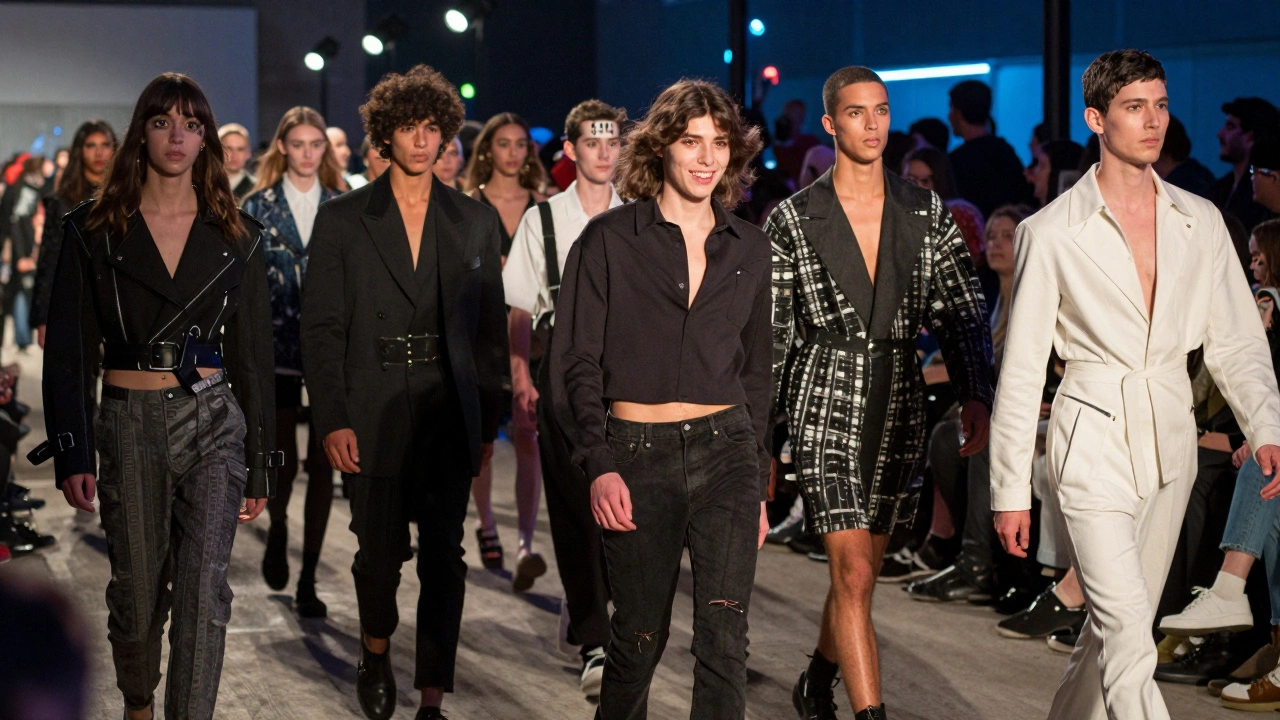
And it shows. In 2025, 42% of models on London Fashion Week runways were British. That’s higher than any other nationality. Not because they’re the tallest or the slimmest. Because they’re the most memorable.
Why UK Models Dominate Global Campaigns
Look at recent ad campaigns. H&M’s 2024 “Real People, Real Style” series? Half the faces were UK models. Zara’s minimalist winter line? Shot entirely in Manchester with local talent. Even luxury brands like Alexander McQueen and Vivienne Westwood rely on British models to carry their edge.
Why? Because global brands need authenticity. And UK models deliver it without trying. They’re not manufactured. They’re cultivated. They’ve seen the inside of a squat in Brighton, worked part-time in a record shop, or walked home after a night shift. That lived-in quality translates on camera. It’s not about looking expensive. It’s about looking true.
One photographer in London told me: “I don’t cast models who look like they’ve been on a shoot before. I cast people who look like they’ve been through something.” That’s the UK difference.
The Quiet Rebellion in Their Pose
Watch a UK model in motion. Their walk isn’t rigid. It’s loose. There’s a slight sway, a head tilt, a glance that feels like it’s thinking three steps ahead. It’s not choreographed. It’s instinctive. You’ll rarely see them with a fixed smile. Instead, you’ll get a smirk. A raised eyebrow. A look that says, “I know you’re watching. I don’t care.”
This isn’t arrogance. It’s independence. It’s a cultural inheritance. Britain has a long history of challenging norms-from punk to the suffragettes. UK models carry that legacy. They don’t just sell clothes. They question what’s beautiful.
What Makes UK Models Different? A Quick Breakdown
- Attitude over perfection - Scars, asymmetry, and quirks are assets, not flaws.
- Street roots - Style is shaped by real life, not just fashion weeks.
- Agency philosophy - Casting focuses on presence, not measurements.
- Cultural weight - They carry the legacy of British rebellion in fashion.
- Global impact - They dominate campaigns not because they’re trendy, but because they’re unforgettable.
They’re Not Just Models-They’re Cultural Icons
The UK doesn’t produce models. It produces voices. And those voices are changing what fashion means. You won’t find them in glossy magazines trying to sell a fantasy. You’ll find them in documentaries, on protest marches, in indie films, and in ads that make you pause and think: “Wait. That’s real.”
That’s why, no matter where you are in the world, when you see a UK model, you don’t just see a face. You see a story. And that’s the style no other country can replicate.
Why are UK models considered more authentic than others?
UK models are seen as more authentic because their style is rooted in real life, not studio perfection. Many grew up in working-class neighborhoods, discovered by chance on streets or at music events, and carry personal histories into their work. Agencies prioritize presence and individuality over rigid measurements, and campaigns intentionally feature freckles, scars, and non-traditional features. This authenticity resonates globally because it feels human, not manufactured.
Do UK models have specific physical requirements?
There are no strict rules. While some high-fashion brands still prefer taller frames, many UK agencies now cast models of all heights, body types, and proportions. What matters most is how they carry themselves-confidence, movement, and emotional expression. A model with a 5’6" frame and a distinctive look can land major campaigns, while someone who fits traditional specs but lacks presence often won’t.
How do UK modeling agencies differ from those in the US or Italy?
US agencies often focus on marketability and standardized looks, while Italian agencies lean toward classical beauty. UK agencies, especially in London, prioritize uniqueness and cultural relevance. They look for models who have a story, a vibe, or a connection to street culture. Many UK agencies don’t even require formal portfolios-just a strong Instagram presence or a chance encounter. The emphasis is on authenticity, not polish.
Are UK models more likely to work in indie or luxury fashion?
They work in both-and often bridge the gap. UK models are equally at home on the runway for Alexander McQueen as they are in a grassroots campaign for a London-based sustainable brand. Their versatility comes from their ability to adapt their energy to the message. Luxury brands hire them for their edge; indie brands hire them because they feel like real people. That dual appeal is unique to the UK scene.
Can someone from outside the UK become a UK model?
Yes, but they need to embody the UK aesthetic. Agencies aren’t looking for nationality-they’re looking for attitude. Models from Eastern Europe, South Africa, or Australia have successfully broken into the UK scene by adopting its raw, unpolished style. What matters is whether they can connect with British street culture, understand its nuances, and bring that energy to a shoot. It’s about alignment with the culture, not passport stamps.