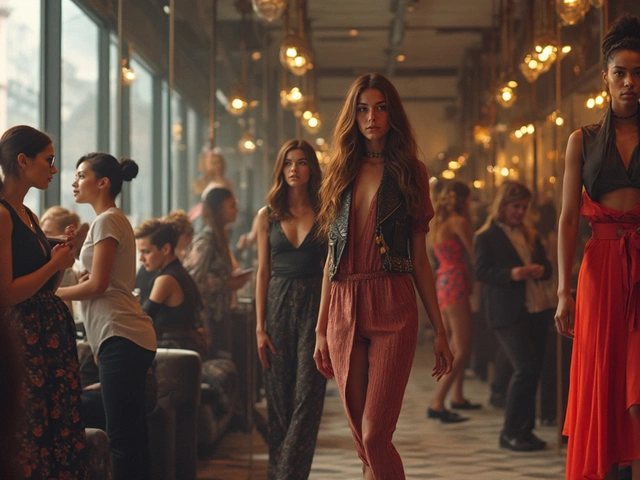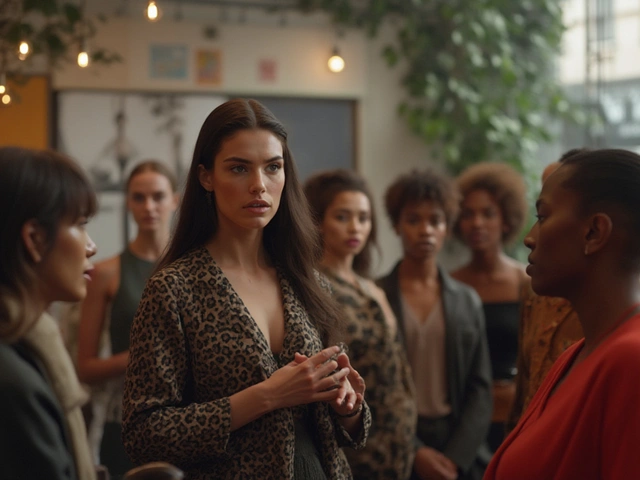
Twenty years ago, a fashion model’s career was simple: walk a runway, appear in a magazine, get paid. Today, that same model might launch a makeup line, post 12 TikToks a week, collaborate with a sustainable brand, and sell out a limited-edition hoodie before breakfast. The rise of fashion models isn’t just about who’s on the cover-it’s about who owns the feed.
How the Runway Changed Everything
The 1990s gave us supermodels like Naomi Campbell and Kate Moss. They were icons because they were rare. Agencies controlled their images. Magazines dictated their looks. A model’s worth was measured in how many covers she landed and how much she earned per show. But that system was fragile. It only worked if you were tall, thin, and perfectly timed with the right photographer.
Then came Instagram. Not as a replacement, but as a revolution. Suddenly, a model in São Paulo could build a following without stepping foot into a New York studio. She didn’t need Vogue to validate her. She just needed consistent lighting, a real voice, and a story people cared about. By 2020, models with 500K followers were earning more from sponsored posts than from runway gigs. Some even turned down shows to focus on content.
The New Rules of Visibility
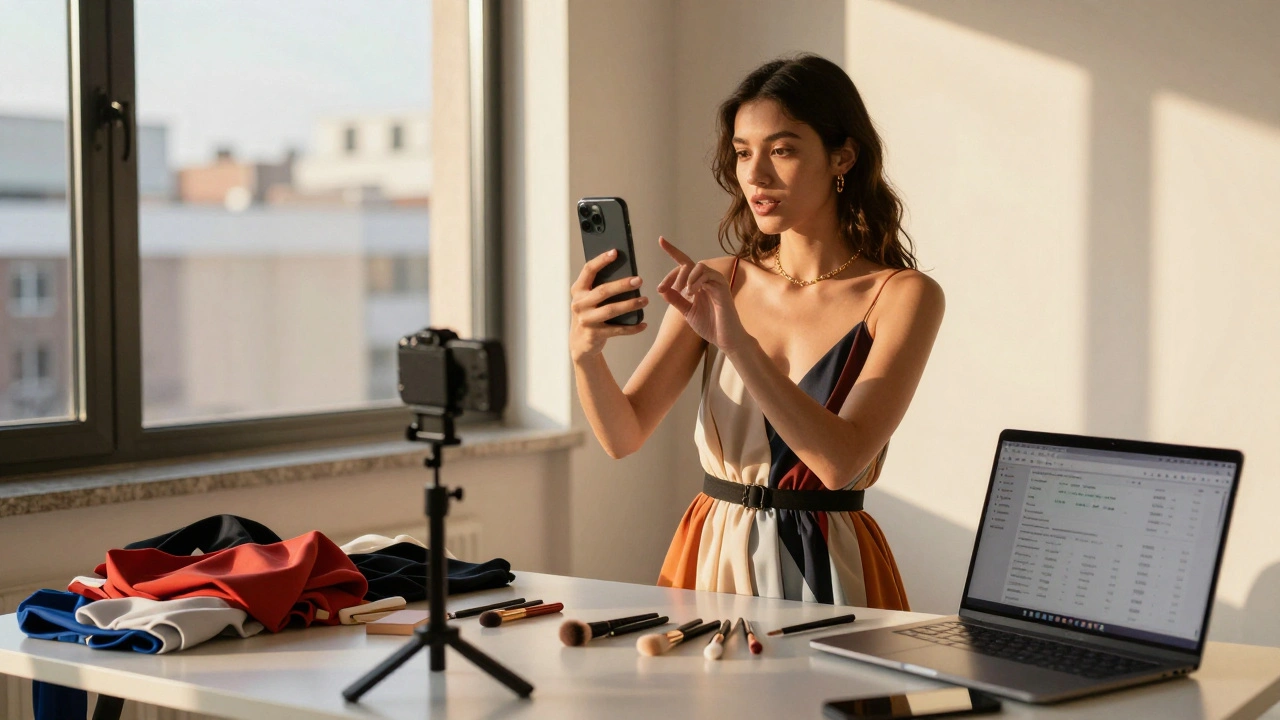
Today’s top fashion models don’t just wear clothes-they explain them. They show how a dress moves when you walk. They film themselves trying on five different pairs of jeans and tell you which one actually flatters your hips. They post behind-the-scenes clips of fittings, makeup tests, and even breakdowns of how a brand’s sustainability claims hold up.
This shift didn’t happen overnight. It started with a few models who realized they had more control than they thought. Take Irina Shayk. She didn’t wait for a magazine feature to become a household name. She built her brand by posting real moments: her morning coffee, her dog, her workout routine. Her followers didn’t just admire her-they felt like they knew her. That connection turned viewers into customers. By 2023, her personal brand collaborations brought in over $8 million in revenue, far more than her modeling contracts.
It’s not just about looks anymore. It’s about authenticity. Brands now look for models who can speak to their values, not just wear their clothes. A model who talks openly about body image, mental health, or ethical fashion becomes more valuable than one who simply has perfect posture on a catwalk.
From Print to Algorithm
The old fashion calendar-Paris, Milan, New York, London-still exists. But it’s no longer the only path to fame. In 2025, the most talked-about models weren’t on any runway. They were on Instagram Reels, YouTube Shorts, and even Pinterest.
Take Zara’s 2024 campaign. Instead of hiring a big-name model, they chose three emerging creators: one from Jakarta, one from Lagos, and one from Mexico City. Each had under 200K followers but had built trust by sharing real-life styling tips. The campaign went viral. Sales jumped 47% in three weeks. Zara didn’t just save money-they gained credibility.
Platforms now reward engagement over perfection. A model who posts a video saying, “I wore this dress for 12 hours and my back hurt-here’s what I learned,” gets more reach than one who poses in a studio with perfect lighting. Algorithms don’t care about symmetry. They care about comments, shares, and saves.
Who’s Winning Now?
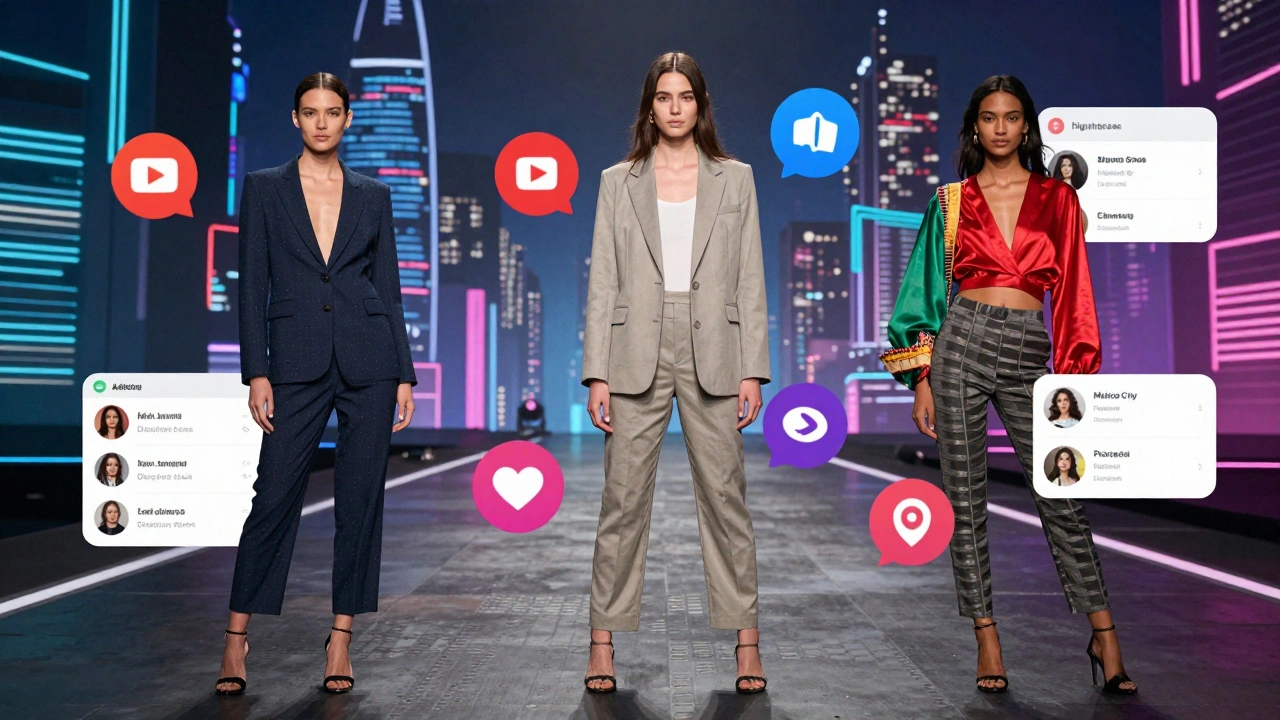
The most successful fashion models today are hybrids. They’re not just models. They’re stylists, storytellers, and sometimes even CEOs.
- Emi Ito started as a runway model in Tokyo. Now she runs a small brand called Re:Form that turns deadstock fabric into minimalist clothing. Her Instagram posts show her sourcing fabric in Osaka, sketching designs, and fitting samples on friends.
- Amara Diallo was discovered on TikTok. She posted a video of herself styling thrifted finds in Dakar. Within six months, she was signed to a global agency-but she turned down the big contracts. Instead, she launched a YouTube series called “Style Without a Budget”, which now has 3.2 million subscribers.
- Luca Rivera is one of the few male models who made the leap into content creation. He doesn’t just model menswear-he critiques it. His TikTok series, “Why This Suit Sucks”, has over 15 million views. Brands now send him products before launch, asking for his feedback.
These aren’t anomalies. They’re the new standard. Agencies are hiring content creators who can model, not models who can post. The best ones know how to turn a photo shoot into a narrative. They know how to make a product feel personal, not polished.
The Dark Side of the Feed
But it’s not all glamour. The pressure to constantly perform is crushing. Many models now work 14-hour days: morning shoot, afternoon content shoot, evening livestream, late-night editing. Some report burnout within a year. Mental health support in the industry is still rare.
And the metrics are brutal. A model can have 1M followers but earn less than $500 a month if engagement drops below 3%. Brands now demand analytics-not just aesthetics. If a model’s audience doesn’t convert, they’re dropped. No second chances.
There’s also the issue of authenticity being exploited. Some models are pressured to fake their lifestyles. A post about “my morning routine” is actually scripted by a marketing team. A “honest review” of a skincare product is paid for by the brand. Followers are catching on. Trust is harder to earn than ever.
What It Takes to Survive
If you’re a fashion model today, here’s what you need:
- A unique voice-not just a look. What do you believe in? What do you care about?
- Consistency-posting at least 3-4 times a week, even if it’s just a 30-second clip.
- Transparency-disclose paid partnerships. Your audience respects honesty more than perfection.
- A skill beyond modeling-editing, writing, styling, or even teaching. Your value isn’t just your face.
- A safety net-many now have side gigs in retail, freelancing, or teaching. The modeling income isn’t reliable anymore.
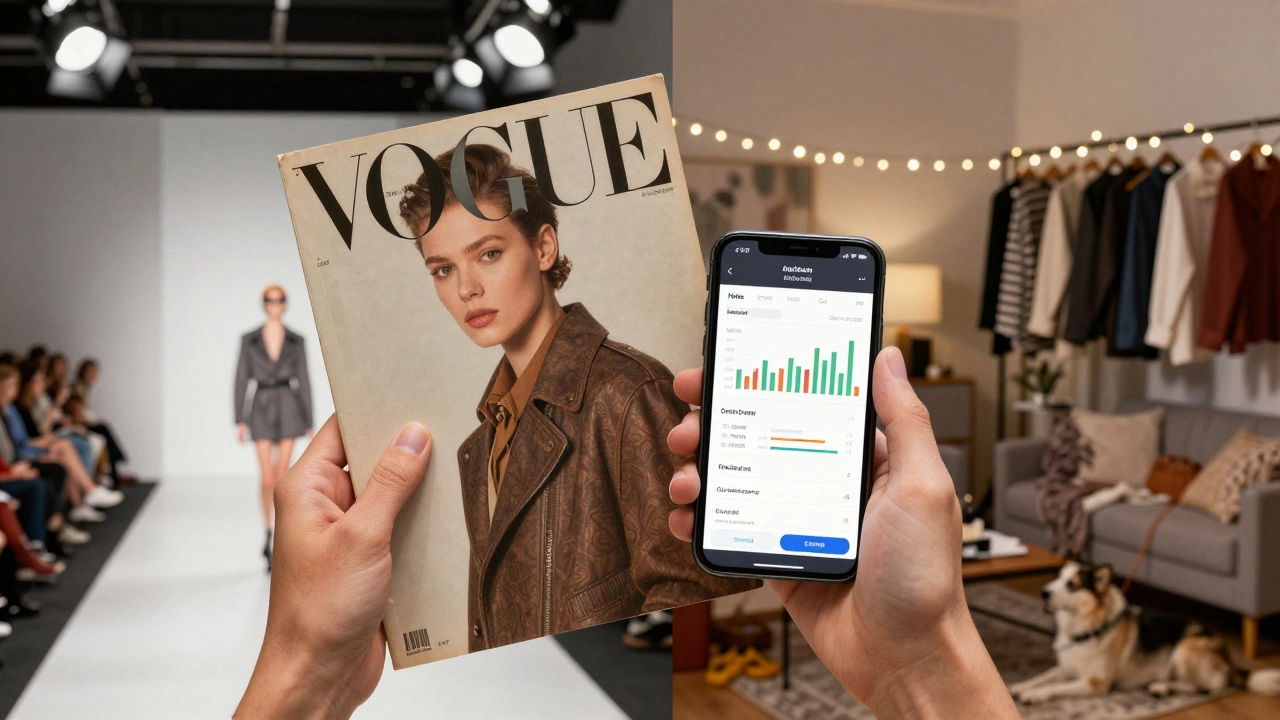
The old model career ladder-agency, magazine, runway, ad campaign-is gone. The new one is messy, unpredictable, and deeply personal. But it’s also wider. A model in Manila, Nairobi, or Buenos Aires can now reach a global audience without ever stepping into a Western agency office.
The Future Isn’t Just About Looks
By 2027, fashion brands won’t hire models based on their measurements. They’ll hire them based on their analytics, their audience demographics, and their ability to drive real conversations.
AI is already being used to simulate models for campaigns. But brands are realizing something: people don’t want perfect digital faces. They want real people who’ve been through it. The models who thrive won’t be the ones with the most followers. They’ll be the ones with the most honest stories.
The runway didn’t disappear. It just moved online. And now, the most powerful models aren’t the ones who walk the longest. They’re the ones who talk the loudest-with truth, not filters.
Are traditional modeling agencies still relevant for new models?
Yes-but not in the way they used to be. Top agencies still handle runway bookings and major editorial shoots. But they’re now looking for models who already have a strong social presence. Many agencies have added digital content teams to help models grow their online brands. If you have 50K+ followers and consistent engagement, agencies will approach you. The power has shifted: it’s no longer agencies finding talent-it’s talent finding agencies.
Can someone become a fashion model without meeting traditional height or size requirements?
Absolutely. The industry has moved far beyond the 5’9” to 6’0” female model stereotype. Brands like Savage X Fenty, Aerie, and Universal Standard built empires by working with models of all sizes, shapes, and backgrounds. Social media made it impossible to ignore demand for diversity. In 2025, over 60% of fashion campaigns featured models who didn’t fit the old “ideal” body type. Your value now comes from your story, your authenticity, and your connection with your audience-not your measurements.
How do fashion models make money today?
Today’s fashion models earn from multiple streams: runway shows (still pay $1,000-$10,000 per show), editorial shoots ($500-$5,000 per shoot), brand collaborations ($2,000-$50,000 per post depending on reach), affiliate sales (5-20% commission on links), digital products (e-books, presets, styling guides), and even merchandise. Some top creators earn over $1 million a year, mostly from content and product sales-not traditional modeling.
Is it harder to break into modeling now because of social media?
It’s not harder-it’s different. There are more people trying than ever before. But there are also more ways to get noticed. You don’t need to be scouted in a mall anymore. You can upload a reel, tag a brand, and get noticed by a creative director. The barrier to entry is lower, but the competition is fiercer. Success now depends on consistency, personality, and strategy-not just looks.
What skills should a new fashion model learn besides posing?
Learn basic video editing (CapCut or Premiere Rush), understand Instagram and TikTok algorithms, write short captions that spark conversation, and practice speaking naturally in front of the camera. Knowing how to style your own outfits, use natural lighting, and engage with comments builds trust. Many successful models now take online courses in digital marketing or content creation. The best models aren’t just models-they’re small business owners.