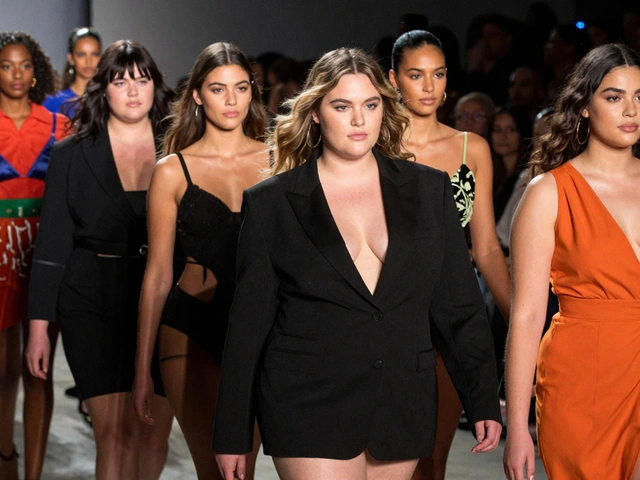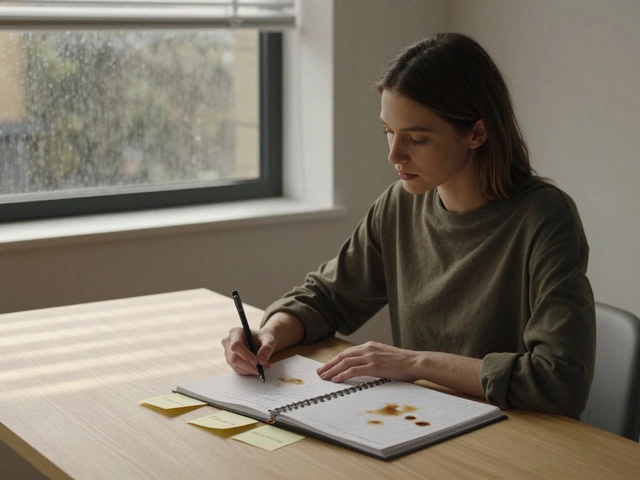
Being a teen model isn’t just about posing in front of a camera. It’s about juggling homework, exams, and social life while showing up on set early, learning how to walk for a designer, and dealing with unpredictable schedules. Many teens think modeling is all glamour-flashy photoshoots, free clothes, and Instagram likes. But behind the scenes, it’s a job. And like any job, it demands discipline, time management, and support.
Start with the basics: What teen modeling really looks like
Teen models are usually between 14 and 19 years old. They work in fashion shows, catalog shoots, school uniform ads, beauty campaigns, and sometimes editorial spreads. Unlike adult models, they can’t sign contracts on their own. A parent or legal guardian must be involved in every deal. That means your mom or dad will read the fine print, negotiate pay, and often drive you to shoots after school.
Pay varies. A local catalog shoot might pay £100-£200 for half a day. A national campaign could bring in £500-£1,500. But you won’t get paid every week. Some months you might work three times. Other months, nothing. That’s why planning money matters more than chasing big paychecks.
Your school comes first-here’s how to make it work
Most countries, including the UK, have laws protecting child performers. In England, teens under 16 need a performance license from the local council. Schools also have rules. If you miss too many classes, teachers will notice. And if your grades drop, your parents might pull the plug.
Here’s what works for teens who’ve made it work:
- Plan shoots around exam periods. No point in booking a photoshoot the week before GCSEs.
- Use weekends and holidays. Most modeling gigs happen on Saturdays or during school breaks.
- Ask teachers for assignments ahead of time. If you’re traveling for a shoot, email them early. Most are willing to help if you’re proactive.
- Keep a shared calendar. Google Calendar works. Mark every shoot, deadline, and test. Share it with your parents and your agent.
One 16-year-old model from Brighton told me she studies on the train to shoots. She carries flashcards in her bag. When the agency gives her a 3-hour wait between outfits, she uses it to review biology notes. That’s not luck-that’s strategy.
Choosing the right agency matters more than you think
Not all agencies are built for teens. Some push for too many jobs. Others don’t care if you miss school. A good teen modeling agency treats you like a student first, a model second.
Look for these signs:
- They require proof of school enrollment.
- They limit bookings on school nights.
- They don’t pressure you into risky shoots (like lingerie or heavy makeup before 16).
- They have a clear contract with parental approval.
Ask for references. Talk to other teens who work with them. If the agency won’t let you speak to current clients, walk away.
Reputable UK agencies like Premier Model Management, Models 1, and Select Model Management all have teen divisions with strict school policies. They know that a model who can’t pass math won’t last long.

Time management isn’t optional-it’s survival
Most teens who burn out in modeling do it because they didn’t plan. They say yes to everything. Then they’re exhausted, stressed, and failing classes.
Here’s a real weekly schedule from a 17-year-old model in Manchester:
- Monday-Friday: School 8:30 AM-3:30 PM. Study from 4-6 PM. Dinner. Light exercise or walk.
- Saturday: Photoshoot 10 AM-4 PM. Rest after. Review notes for Sunday.
- Sunday: Free day. Catch up on sleep. Plan next week.
- Evenings: No social media scrolling after 9 PM. That’s non-negotiable.
She doesn’t miss school. She doesn’t fall behind. And she’s booked for a London Fashion Week show next month.
Protect your mental health
Teen modeling can be isolating. You’re surrounded by people your age, but you’re not really part of their world. You’re missing parties because you’re in a studio. You’re getting comments online about your body. You’re tired all the time.
It’s okay to feel overwhelmed. But you need to speak up.
- Talk to your parents. Not just about pay or schedules-about how you feel.
- Find a mentor. Someone older who’s been through it. A former teen model, a school counselor, even a therapist who understands creative industries.
- Set boundaries. If a shoot feels wrong, say no. If someone makes you uncomfortable, tell your parent immediately.
One girl I spoke to quit modeling for six months after she started comparing herself to edited photos online. She came back stronger-only taking jobs that made her feel proud, not pressured.

Long-term thinking: What happens after 19?
Most teen models don’t become supermodels. That’s fine. Modeling is a stepping stone, not a lifetime career.
Think about what you want after school. Do you like fashion? Consider studying design, marketing, or photography. Do you enjoy being in front of the camera? Try media or communications. The skills you learn as a teen model-confidence, professionalism, public speaking-translate to any job.
Don’t let modeling define your worth. Your grades, your friendships, your curiosity-they matter more.
Red flags to watch out for
Scams target teens. Always be alert.
- Anyone asking you to pay for a portfolio. Legit agencies don’t charge upfront fees. They earn when you get paid.
- Photoshoots in private homes or hotels. Always have a parent or chaperone present.
- Agents who promise fame. Real modeling is slow. It’s not viral trends-it’s consistent work.
- Pressure to look older or change your body. No one should tell you to lose weight or wear makeup you’re not comfortable with.
If something feels off, trust your gut. Walk away. There are plenty of real opportunities that respect you.
What you can do today
You don’t need to quit school. You don’t need to move to London. You don’t need a perfect body. You just need to start smart.
- Ask your parents to sit down and talk about your goals.
- Research 3 reputable UK agencies that work with teens.
- Update your school schedule with your upcoming exams and holidays.
- Take 5 clear, natural photos of yourself in good lighting. No filters.
- Send those photos to one agency. Wait for their response. Don’t spam.
Modeling is a job. School is your foundation. You can do both-but only if you treat them both with respect.
Can I model if I’m under 16 in the UK?
Yes, but you need a performance license from your local council. Your parents must be involved in every contract. Most agencies won’t book you for evening or overnight shoots before 16. School attendance is non-negotiable.
How much do teen models earn?
Pay ranges from £100 for small local jobs to £1,500 for national campaigns. Most teen models earn between £200 and £600 per shoot. Payment is not weekly-it’s project-based. Save money for taxes and future needs.
Do I need professional photos to start?
You don’t need a full portfolio. Just 5 clean, natural photos showing your face and full body in casual clothes. No heavy makeup, no filters. Agencies want to see how you look in real life, not edited versions.
Can I model if I’m not tall or thin?
Absolutely. The industry is changing. Teens of all shapes, sizes, and backgrounds are being hired for catalog work, school uniforms, beauty brands, and social media campaigns. Diversity isn’t a trend-it’s the new standard.
What if modeling affects my grades?
If your grades drop, your parents or school might ask you to pause modeling. That’s not a failure-it’s a reset. School gives you options. Modeling is a job. You can always come back later, but your education won’t wait.