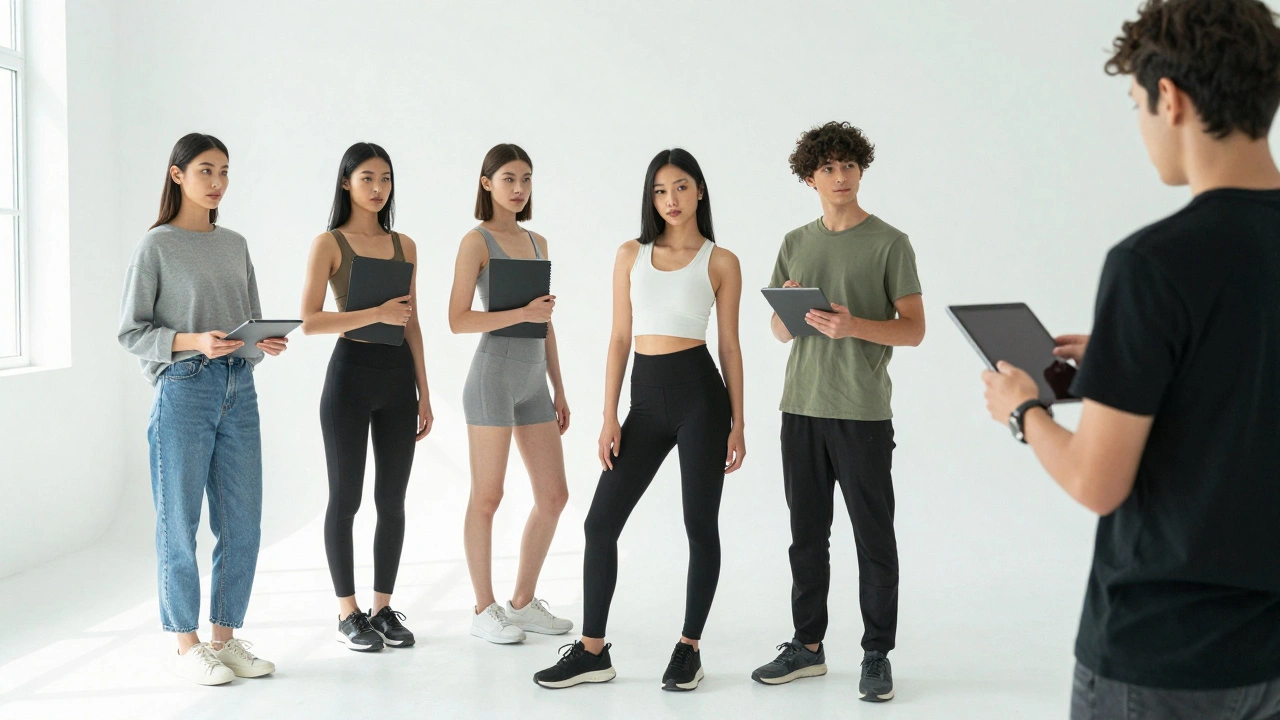
Want to become a model? You’re not alone. Every year, thousands of people walk into agencies with a phone full of selfies and big dreams. But only a small fraction actually build a lasting career. The truth? Modeling isn’t just about looking good. It’s about strategy, resilience, and knowing exactly what to do next. If you’re serious about making it, this guide cuts through the noise and gives you the real steps-no fluff, no fairy tales.
Understand the Different Types of Modeling
Not all modeling is the same. The industry has clear divisions, and picking the wrong path early can waste months-or years. Start by identifying which type fits your look, personality, and goals.- Fashion modeling is what you see on runways and in high-end magazines. Agencies look for height (women typically 5’8” and up), lean build, and strong bone structure. This is the most competitive.
- Commercial modeling is everywhere: TV ads, catalogs, billboards. You don’t need to be tall or stick-thin. Real people, diverse body types, and expressive faces win here.
- Fit modeling means you’re hired to test clothing sizes. Agencies need your exact measurements to match what’s on the rack. If you’re a size 8 or 12, this could be your niche.
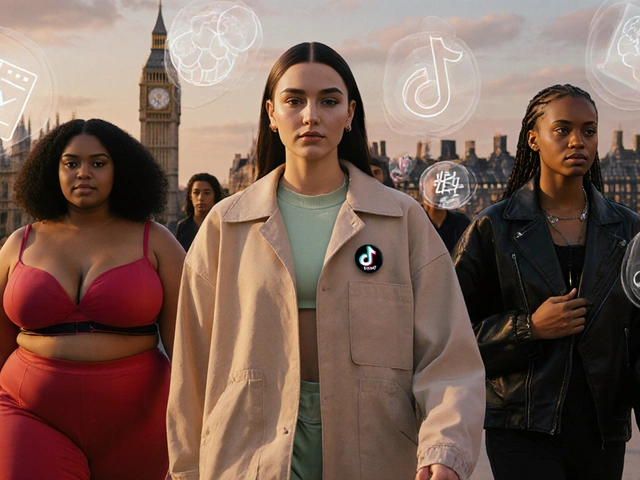
- Plus-size and curvy modeling has exploded in the last five years. Brands like Savage X Fenty and Aerie now actively seek models who represent real bodies. Height requirements are more flexible, but confidence and professionalism matter more than ever.
- Instagram modeling isn’t a formal category, but it’s a powerful gateway. If you can build a following of 10,000+ engaged followers, agencies will notice-even if you’re not a traditional model.
Most successful models start in commercial or fit modeling. It’s easier to land jobs, build experience, and get paid consistently. Fashion modeling? That’s the dream-but it’s also the hardest to break into without the right connections.
Build a Professional Portfolio
Your portfolio isn’t just a photo album. It’s your resume. Agencies and clients don’t care how many likes your Instagram has-they care about what you can do on set.Start with 8-12 high-quality images that show:
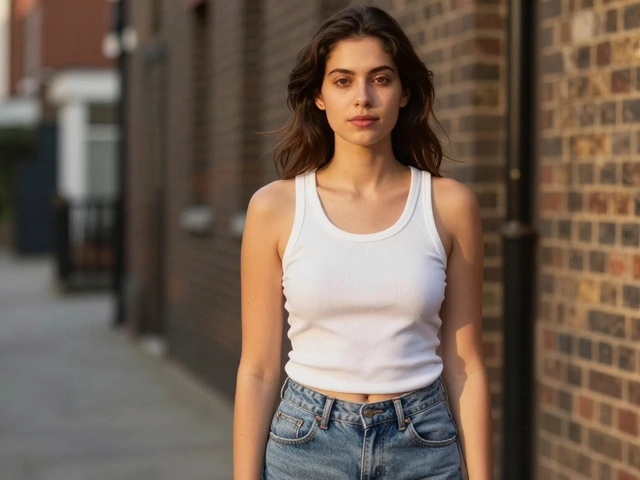
- A clean headshot (no filters, no makeup unless it’s editorial)
- A full-body shot in casual clothes
- A look that matches your target market (e.g., business attire for commercial, swimwear for fitness)
- At least one expressive shot-smiling, serious, or emotional
Don’t hire the cheapest photographer. Look for someone with experience in modeling portfolios. Ask to see their past work. If they only shoot weddings or family portraits, walk away. A bad photo can kill your chances before you even apply.
Use free platforms like ModelMayhem or OneModelPlace to host your portfolio. Avoid Instagram as your only portfolio-it’s not professional enough for agencies. Keep it simple, clean, and easy to navigate.
Find the Right Agency
An agency isn’t just a middleman. A good one opens doors, negotiates pay, and protects you from scams. But not all agencies are trustworthy.Here’s how to spot a real one:
- They don’t ask for money upfront. Legit agencies earn a commission (usually 15-20%) only when you get paid. If they ask for $500 for “portfolio packages,” run.
- They have a website with real client names. Look for brands like John Lewis, ASOS, or L’Oréal. If they only list “international clients” with no names, be skeptical.
- They’re registered and have a physical office. Check Companies House in the UK. If they’re a PO box with no address, it’s a red flag.
In the UK, top agencies include Models 1, Storm Model Management, and Select Model Management. Apply to 5-10 that match your type. Don’t spam every agency. Tailor your submission: if you’re 5’6” and curvy, don’t send your photos to a fashion agency that only books 5’10” models.
Learn How to Walk, Pose, and Take Direction
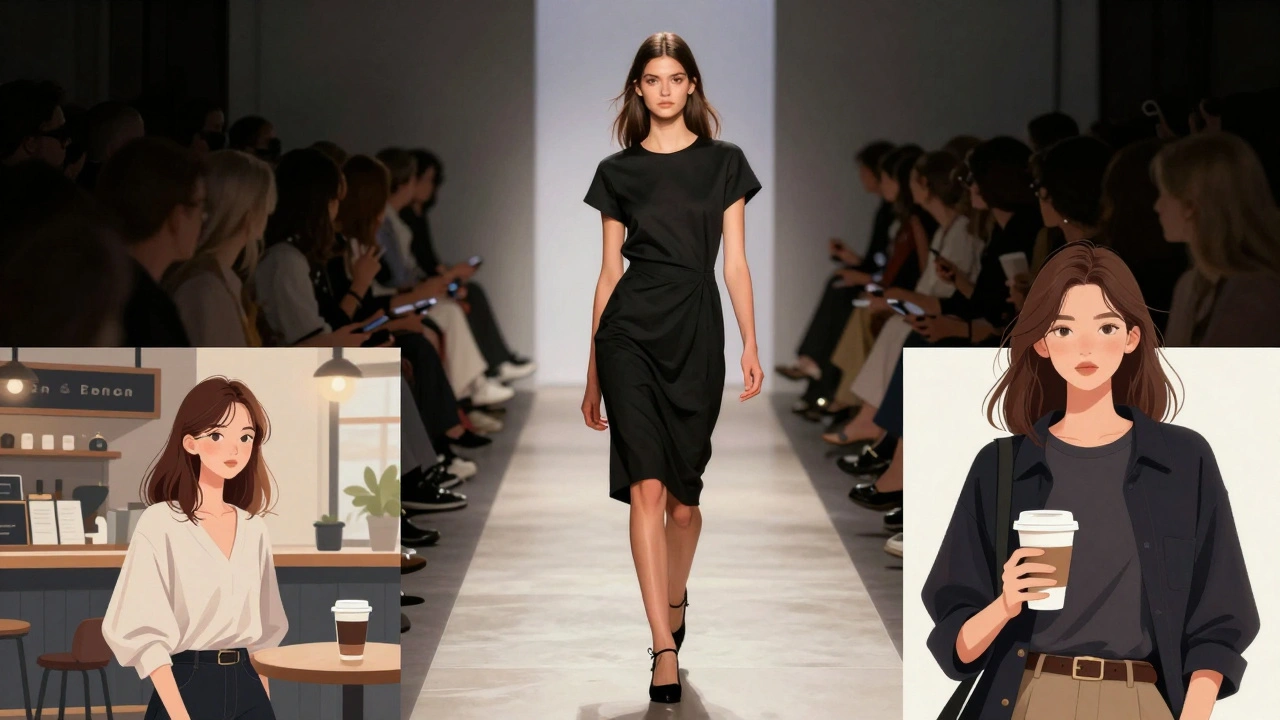
You don’t need to be a professional to start-but you need to look like you know what you’re doing.Practice in front of a mirror. Watch runway videos from Victoria’s Secret or Chanel. Notice how models shift their weight, use their hands, and hold their heads. Don’t just copy-understand the rhythm.
On set, you’ll be told to “turn your shoulder,” “look past the camera,” or “relax your jaw.” If you freeze, you lose the job. Take a free class on YouTube or book a one-off session with a modeling coach. In Brighton, Modeling Studio UK offers affordable 90-minute workshops that teach posture, expression, and confidence.
Also, learn to shoot your own content. Use your phone’s timer, a tripod, and natural light. Even if you’re not posting it, knowing how to create good images helps you communicate better with photographers.
Start Getting Gigs-Even Small Ones
Your first job might pay £50 and last two hours. That’s fine. Experience is currency.Look for:
- Local fashion shows at universities or boutiques
- Small brands on Etsy or Instagram looking for product shots
- Charity events that need models for promotional photos
Use platforms like ModelSight or Modeling Job Board UK to find paid gigs. Apply to everything-even if it feels “below you.” Each job adds to your resume, builds your confidence, and gives you real feedback.
After each job, ask the client: “What did I do well? What could I improve?” That kind of feedback is gold. Most new models skip this step-and never grow.
Stay Consistent and Protect Your Mental Health
This industry eats people alive. Rejection is constant. You’ll go to castings and hear “you’re not the look we’re after” more times than you’ll get called back.Here’s how to survive:
- Don’t compare yourself to Instagram influencers. Those are curated highlights. Behind the scenes, most are struggling too.
- Keep a day job or side hustle. Modeling income is unpredictable. Even top models have months with no work.
- Set boundaries. Say no to shoots that make you uncomfortable. No one has the right to touch you without permission.
- Find a community. Join Facebook groups like “UK Models Network” or local meetups. You’ll find people who get it.
Success doesn’t come from being the prettiest. It comes from being the most reliable, the most professional, and the most persistent.
What to Avoid at All Costs
There are predators in this industry. Don’t be naive.- No photo shoots in private homes. Always meet in studios, public places, or with a friend present.
- No “free” work for “exposure.” Exposure doesn’t pay rent. If a brand offers “exposure,” ask for a contract or walk away.
- No signing contracts without reading them. If an agency asks you to sign a 3-year exclusive deal, get a lawyer. Most are unfair.
- No editing your body. Agencies want real people. If you’re airbrushing your waist or legs, you’re not showing your true self-and you’ll get caught.
The modeling world isn’t glamorous. It’s hard, messy, and often unfair. But if you’re smart, patient, and professional, you can build a career that lasts.
How Long Does It Take to Succeed?
There’s no magic timeline. Some get signed in 3 months. Others take 2 years. The average? 12-18 months of consistent effort before landing regular work.Track your progress:
- Number of agencies applied to
- Number of castings attended
- Number of jobs booked
- Feedback received
If you’ve applied to 20 agencies, gone to 15 castings, and booked 3 jobs in 6 months-you’re on track. If you’ve done nothing but post selfies on Instagram for a year? You’re not ready yet.
Success isn’t about luck. It’s about showing up, again and again, even when no one’s watching.
Can I become a model if I’m not tall?
Yes. While fashion modeling requires height (usually 5’8”+), commercial, fit, and plus-size modeling don’t. Many top brands now prioritize personality, expression, and authenticity over traditional measurements. You can build a full career without being tall.
Do I need to pay for modeling classes or portfolio packages?
No. Legitimate agencies never charge you upfront. If someone asks for money for “training,” “photoshoot packages,” or “membership fees,” it’s a scam. You only pay for your own professional photos and maybe a workshop-but never to an agency.
How do I know if an agency is real?
Check their website for real client logos, verify their business registration on Companies House (UK), and look for reviews on ModelMayhem or Trustpilot. A real agency will have a physical office, a professional team, and a history of placing models in paid jobs-not just “exposure.”
Can I model part-time while working another job?
Absolutely. Most models start part-time. Many work in retail, cafes, or freelance gigs while building their modeling careers. The key is consistency-show up to castings, update your portfolio, and follow up. You don’t need to quit your job to start.
What’s the biggest mistake new models make?
Waiting for someone to “discover” them. Modeling isn’t a lottery. You have to take action: build a portfolio, apply to agencies, go to castings, learn the craft, and keep showing up. The people who succeed are the ones who treat it like a job-not a dream.
If you’re ready to start, pick one step from this guide and do it today. Update your portfolio. Apply to one agency. Book a photo shoot. Action beats waiting every time.



December 15, 2025 AT 21:22
Leanne McNally
so u just wanna be a model? cool. i hope u know ur gonna get ghosted 90% of the time. but hey, at least u got a cute selfie collection to show for it 😅
December 17, 2025 AT 13:54
Kristin Kuchenbecker
I just want to say-this guide is so, so, so needed. So many young people think modeling is about being pretty, but it’s about being professional, resilient, and smart. I wish I’d had this when I started. Seriously. This is gold. Please, please, please share it with every aspiring model you know. It’s life-changing.
December 19, 2025 AT 02:09
Tony Giny
Fit modeling is underrated. I know a guy who makes 80k a year just testing jeans. No runway. No filters. Just real body. Real pay.
December 19, 2025 AT 08:34
rohit patel
why do u need a portfolio? just post pics on ig. if u got 10k followers u already made it. why waste money on photos? this guide is too much work
December 19, 2025 AT 20:10
martha urquizu
I’ve seen this before. The same ‘guide’ gets recycled every year. Agencies are still predatory. The ‘no upfront fees’ rule? Ha. They charge you through the nose for ‘digital portfolios’ and ‘branding packages’-and call it ‘investment’. This isn’t advice. It’s a Trojan horse for scams.
December 20, 2025 AT 15:25
william de simone
What’s the actual success rate for commercial modeling? Like, out of 100 people who follow this guide, how many land consistent work after 12 months?
December 21, 2025 AT 07:07
Christopher DeReinzi
You say don’t edit your body. Then why is every single photo in your examples airbrushed? You’re a hypocrite. Also, ‘expressive shot’? What does that even mean? Stop using buzzwords. This entire post is full of empty fluff wrapped in corporate jargon.
December 22, 2025 AT 14:33
George Wilson
This is the most naive thing I’ve read all year. You think applying to 5 agencies is enough? You think a £50 gig is ‘experience’? You’re not building a career-you’re doing free labor for brands that make millions off your face. Wake up.
December 23, 2025 AT 03:59
CIaran Vaudequin
The fact that you recommend ModelMayhem is a red flag. That site’s a graveyard of unpaid gigs and catfish agencies. Real agencies don’t need third-party portfolios. They have their own portals. You’re giving outdated advice.
December 25, 2025 AT 03:48
Richard Reyes
Thank you for writing this with such clarity and care. I’ve mentored aspiring models for over a decade, and this is the most accurate, non-exploitative guide I’ve seen. The emphasis on mental health, boundaries, and consistency is not just helpful-it’s essential. I’ll be sharing this with every student in my modeling prep program. You’ve done something rare: you’ve told the truth without sugarcoating it. And for that, I’m grateful.
Also, to the person who said ‘just post on Instagram’-please don’t. You’re not building a career. You’re building a vanity project. Real modeling is work. It’s discipline. It’s showing up when no one’s cheering. And if you’re reading this and thinking it’s too hard? Good. You’re ready.