Traditional Models: What They Are and How They Compare to Today's Standards
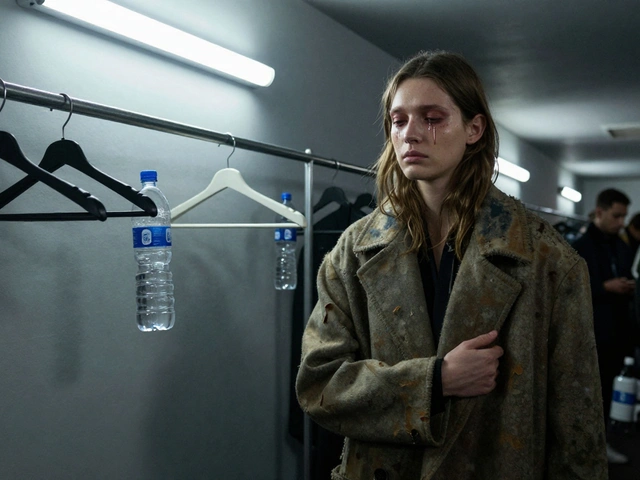
When you think of traditional models, a specific, narrow type of model defined by height, weight, and facial symmetry that dominated fashion from the 1960s to the early 2000s. Also known as classic modeling standards, they were the only faces brands trusted to sell clothes on runways and in magazines. These models didn’t just walk—they represented a single, unspoken rule: beauty had one shape. Tall, thin, often white, and always silent. Their job wasn’t to speak or stand out as individuals—it was to disappear into the clothing and let the design shine. That’s not just history. It’s the foundation every modern model is reacting to.
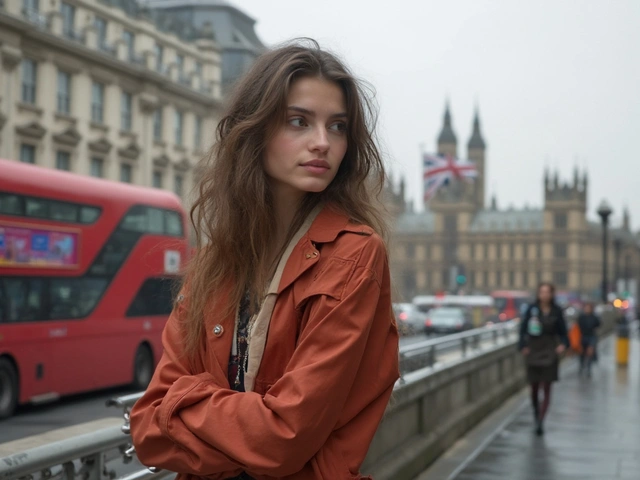
But traditional models aren’t the whole story anymore. Today’s industry is built on what came after them. UK models, a diverse group reshaping global fashion through race, size, age, and gender representation are leading the charge. From London’s runways to Instagram feeds, you’re seeing models who look like real people—curvy, disabled, older, Black, Asian, non-binary. This shift didn’t happen by accident. It was pushed by consumers, activists, and models themselves who refused to accept outdated rules. Meanwhile, fashion modeling, the business of using human bodies to sell clothing and lifestyle products has evolved from a gatekept club into a marketplace where authenticity often beats perfection.
It’s not just about looks. It’s about power. Traditional models were chosen by agencies with strict measurements and little room for negotiation. Today, models build their own brands, negotiate contracts, and use social media to bypass agencies entirely. The rise of modeling history, the record of how beauty standards in fashion have changed over decades shows us that change is possible—and it’s happened before. Think Twiggy in the 60s, Naomi Campbell in the 90s, Adwoa Aboah in the 2010s. Each broke a mold. Each made space for the next.
What you’ll find in these articles isn’t nostalgia. It’s truth. You’ll read about how glamour models once defined beauty, how plus size models forced designers to change, how teen models are demanding fair pay, and how London agencies now scout talent based on personality, not just proportions. You’ll learn what it took to break the mold—and how you can navigate this new landscape, whether you’re dreaming of a photoshoot or just trying to understand why fashion looks so different now.
 1 December 2025
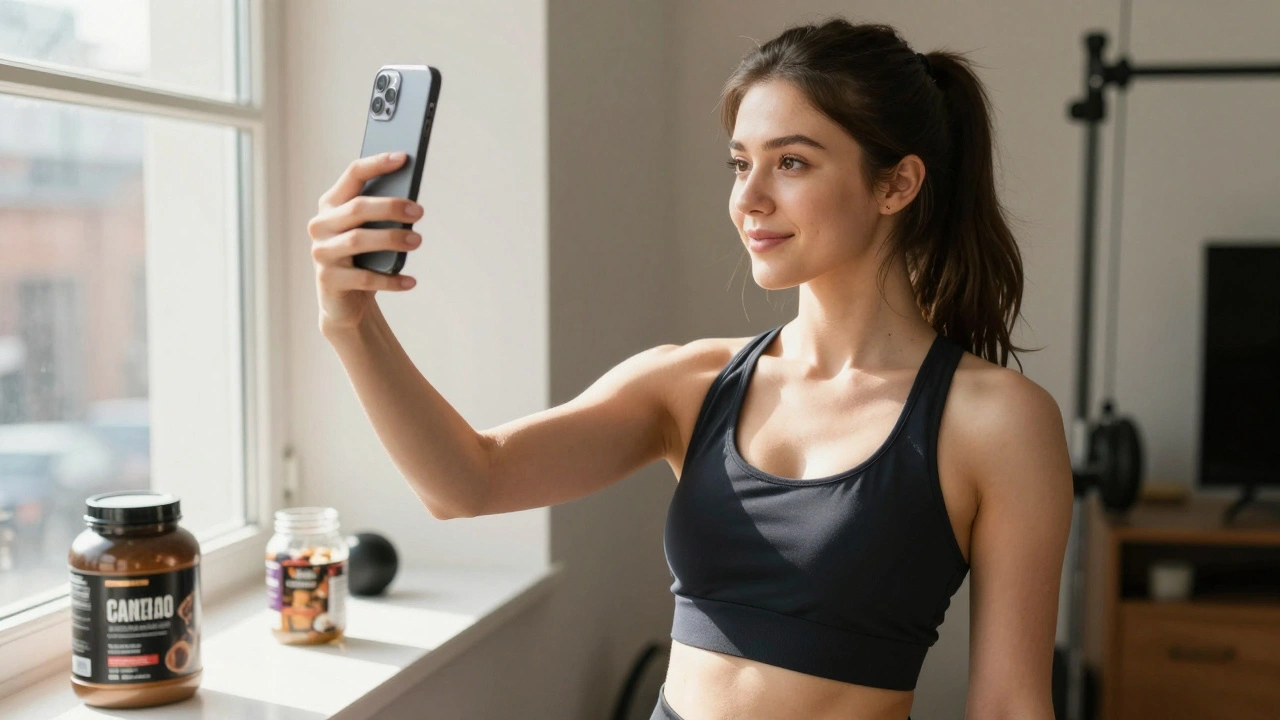
Instagram Models vs. Traditional Models: What's the Real Difference?
Instagram models build careers through social media engagement, while traditional models rely on agencies and runway gigs. Discover how income, control, and sustainability differ between the two paths-and which one suits you.