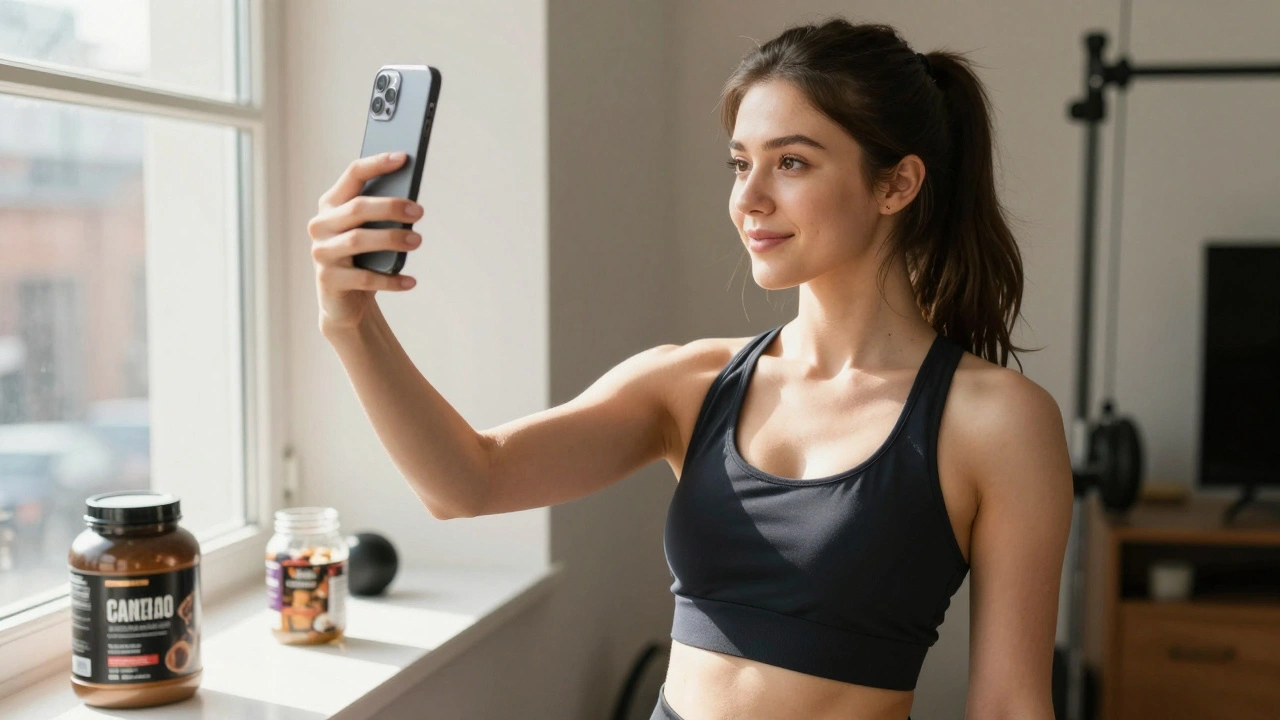
Ever scroll through Instagram and wonder how someone with no runway experience lands brand deals worth thousands-while seasoned models struggle to get noticed? The answer isn’t just about looks. It’s about a complete shift in how modeling works today. Instagram models and traditional models don’t just operate in different spaces-they follow different rules, earn differently, and build their careers in entirely separate systems.
What Exactly Is an Instagram Model?
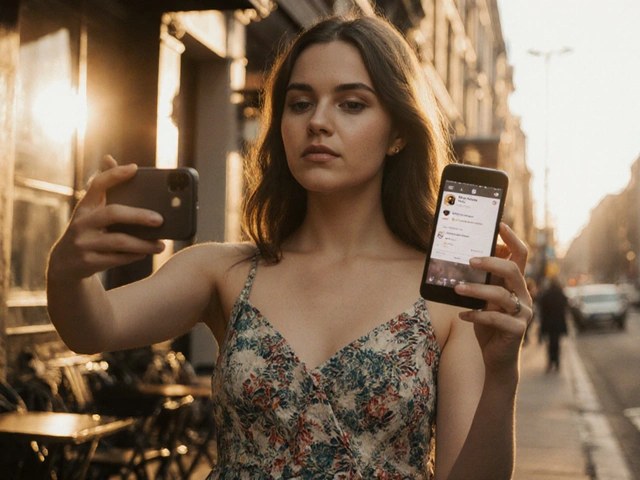
An Instagram model isn’t defined by agency representation or portfolio books. It’s defined by followers, engagement, and the ability to turn a single post into a sale. These are people who build personal brands on social media, often starting with selfies, lifestyle shots, or fitness content. Some have no formal training. Others trained as dancers or athletes before switching to content creation.
Unlike traditional models, Instagram models don’t wait for casting calls. They create their own. A post of someone in a new swimsuit isn’t just a photo-it’s a product launch. Brands pay them not for their face, but for their audience. A model with 50,000 engaged followers can earn more per post than a top traditional model who books one magazine cover a month.
Platforms like Instagram reward consistency, personality, and authenticity. You don’t need to be a size 0. You don’t need to be 6 feet tall. You just need to connect. One model from Manchester built a $200K/year business posting daily gym routines in workout gear. She never walked a runway. She didn’t need to.
How Traditional Modeling Still Works
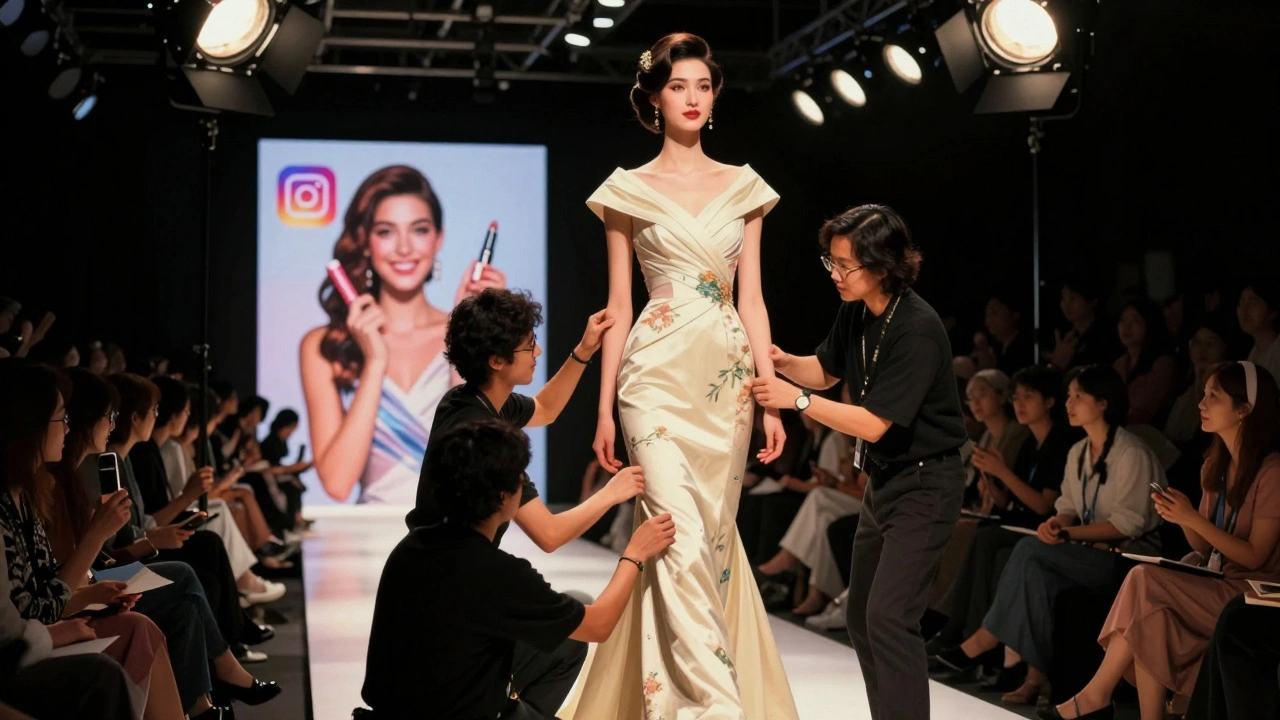
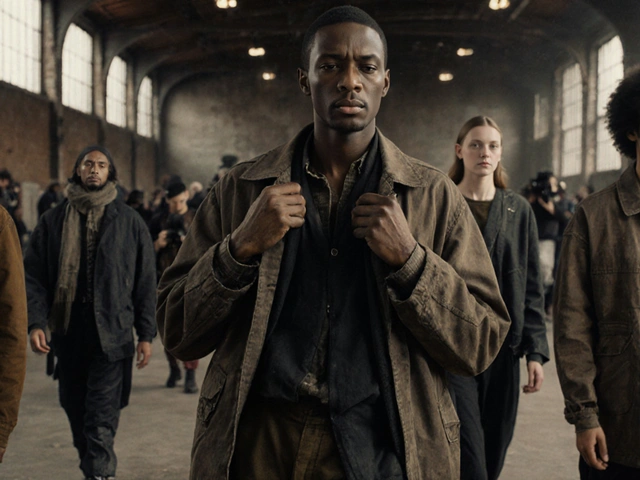
Traditional modeling is a structured industry built on decades of rules. Agencies scout in malls, hold open calls, and sign contracts. Models get booked for fashion weeks, magazine spreads, and ad campaigns. Their work is curated by art directors, stylists, and editors. Pay comes from hourly rates, weekly contracts, or flat fees per job.
Physical standards still matter here. Height, proportions, and facial symmetry are non-negotiable for high-fashion gigs. Agencies take 20% commission. Clients expect reliability, punctuality, and the ability to follow direction-often with zero input from the model.
Think of it like acting. You’re hired to embody a character, not to be yourself. A traditional model might shoot a luxury watch campaign for three days, then disappear for weeks. They don’t control the message. The brand does. Their value lies in how well they fit a pre-existing vision.
Income: Who Makes More?
It’s not a simple answer. A top traditional model like Gigi Hadid can earn $10M a year from runway, campaigns, and endorsements. But that’s the exception. Most traditional models earn between £200 and £1,000 per job. Many work part-time because gigs are inconsistent.
Instagram models? Their income is unpredictable but potentially higher. A mid-tier influencer with 100K followers can charge £500-£2,000 per sponsored post. Top creators with 500K+ followers make £5,000-£20,000 per post. Some even sell their own products-lipstick, leggings, supplements-and keep 80% of the profit.
But here’s the catch: Instagram income isn’t steady. One algorithm change, one controversial post, and your reach drops 60%. Traditional models have contracts. Instagram models have audiences. One is a paycheck. The other is a business.
Control: Who Calls the Shots?
Traditional models are told what to wear, where to stand, how to pose. Their creativity is limited. They show up, do the job, and leave. They rarely see the final edit. Many feel like mannequins.
Instagram models run their own show. They choose the lighting, the outfit, the caption, the hashtags. They reply to comments. They negotiate deals directly. They decide what’s on-brand. One model in Bristol turned down a £10K deal because the product didn’t match her values. She kept her audience’s trust-and got 3 new offers the next week.
That control comes with pressure. Instagram models are always “on.” They post daily. They answer DMs. They manage their own editing, scheduling, and analytics. There’s no assistant. No stylist. No agency to handle the stress.
Pathways to Success
Traditional modeling has a clear ladder: scout → agency → test shoot → editorial → commercial → runway → global campaigns. It takes years. Most don’t make it past the first year. Agencies reject 9 out of 10 girls who audition.
Instagram modeling? There’s no ladder. Just a starting line. You post. You grow. You pitch. You get paid. Success doesn’t come from being perfect-it comes from being consistent. A girl from Leeds started posting her daily coffee routines with her cat. Two years later, she’s partnered with a UK coffee brand, a pet food company, and a local yoga studio. No agency. No photoshoot crew. Just her phone and a good angle.
But here’s what no one tells you: many Instagram models start with traditional modeling experience. They know how to pose. They understand lighting. They know how to look good in photos. That’s their secret edge. You don’t need to be a supermodel to make it on Instagram-but knowing how to use your body as a tool helps.
Long-Term Sustainability
Traditional modeling has a short shelf life. Most models retire by 28. The industry moves fast. Aging out is built into the system.
Instagram models? Their careers can last decades. Think of Chrissy Teigen. She started as a model, then became a TV personality, author, and brand founder. Her Instagram presence kept her relevant long after runway gigs dried up. Many Instagram models pivot into content creation, podcasting, coaching, or launching their own brands.
Traditional models often struggle after retirement. Their value was tied to their appearance. Instagram models built relationships. Their audience followed them, not just their face. That’s why you see former models running wellness blogs, fitness programs, or even selling handmade jewelry.

Which Path Is Right for You?
If you’re tall, have perfect proportions, and love structured environments-traditional modeling might be your fit. You’ll need patience. You’ll need to handle rejection. But if you make it, you’ll work with top designers, travel the world, and be featured in magazines.
If you’re creative, tech-savvy, and love connecting with people-Instagram modeling could be your launchpad. You’ll need discipline. You’ll need to treat your account like a business. But you’ll own your brand. You’ll set your hours. And you won’t have to wait for someone else to give you permission to succeed.
Some do both. They sign with an agency for editorial jobs and use Instagram to sell their own products. It’s not an either/or anymore. The lines are blurring. But the core difference remains: one path relies on gatekeepers. The other relies on you.
Why the Shift Happened
Before 2010, brands needed magazines to reach audiences. Now, they can go straight to the consumer. Instagram gave power to the people. Suddenly, a girl with 10K followers could outperform a model in a Vogue spread.
Brands realized: engagement beats exposure. A post with 5,000 likes and 300 comments is more valuable than a full-page ad seen by 500,000 people who don’t interact.
Algorithms favor authenticity over perfection. Real skin. Real bodies. Real stories. That’s why Instagram models with stretch marks, acne, or curves are often more valuable than airbrushed traditional models. The market changed. The models had to change with it.
What’s Next?
The future isn’t about choosing one path. It’s about blending them. Agencies now scout Instagram. Brands hire influencers for campaigns they used to give to runway models. The old system isn’t dead-it’s evolving.
But if you’re starting today, don’t wait for permission. Don’t hope for a scout to find you. Build your own platform. Post consistently. Engage with your audience. Learn the tools. Your next job isn’t on a casting list. It’s in your camera roll.
Can you become an Instagram model without any experience?
Yes. Many Instagram models start with no formal training. All you need is a phone, a sense of style, and the willingness to post regularly. You don’t need a portfolio or an agency. Your feed becomes your portfolio. Success comes from consistency, not credentials.
Do Instagram models make more money than traditional models?
It depends. Top traditional models earn millions from global campaigns. But most earn modestly per job. Instagram models can earn more per post, especially if they sell their own products. However, their income is less stable. One algorithm update can cut reach in half. Traditional models have contracts. Instagram models have audiences-and audiences can disappear overnight.
Is Instagram modeling just a trend?
No. It’s a permanent shift in how brands connect with consumers. Social media marketing is now bigger than traditional advertising. Instagram models aren’t a fad-they’re the new face of consumer influence. The format may change (TikTok, YouTube Shorts), but the core idea-direct creator-to-audience trust-is here to stay.
Do you need to be super skinny to be an Instagram model?
No. In fact, brands are actively seeking diverse body types. Curvy, athletic, petite, and tall models all thrive on Instagram. The key isn’t size-it’s relatability. A model who looks like her followers often gets better engagement than someone who looks unattainable. Authenticity beats perfection every time.
Can you transition from Instagram modeling to traditional modeling?
Yes. Many agencies now scout Instagram for talent. A strong, professional feed with high engagement can get you noticed. Some models use their Instagram following as proof of marketability when signing with an agency. But you still need to meet physical standards for high-fashion work. Instagram can open doors-but it doesn’t replace the traditional model requirements.
December 1, 2025 AT 12:45
julia costa
Instagram models are just people with good lighting and a filter
December 2, 2025 AT 00:29
Patricia Estera Esquejo
Let me tell you something about this so-called 'authenticity' culture. You think posting gym selfies in cropped tops is empowerment? It's just capitalism repackaging objectification with a hashtag. These girls aren't building brands-they're selling their bodies under the guise of 'relatability.' And don't even get me started on how brands exploit young women by telling them they can be 'influencers' instead of getting an education. This isn't progress. It's exploitation dressed up as liberation.
December 3, 2025 AT 06:48
Clay Hamilton
Look I get what you're saying about Instagram models but honestly the whole thing is kind of backwards. Traditional modeling had rules yeah but at least you knew what you were getting into. Now everyone's a model because they can take a decent selfie and that's it. No discipline no training no respect for the craft. And don't even start me on how people think you don't need to be tall or thin anymore. Sure you can get by without it but if you actually want to work with major brands the standards haven't changed they just moved to the back end where no one sees it. The people making real money still have the same body types they always did it's just that the Instagram crowd doesn't know the difference between a campaign and a sponsored post
December 4, 2025 AT 03:29
Paul Eric
People act like Instagram models are new but its just the same thing with better phones. Back in the 90s girls got discovered at malls now they get discovered on their phones. Same thing. Same pressure. Same fake smiles. The only difference is now they have to post every day and answer comments. Thats not freedom thats slavery with a better filter. And dont tell me about control. You think choosing your own outfit means you control your life when your whole identity is tied to how many likes you get
December 4, 2025 AT 06:04
William Lapes
Why are we even talking about this like its some big cultural shift. America built the fashion industry. We had real models with real talent. Now we got some kid from Ohio posting yoga pics and calling it a career. The whole thing is pathetic. If you want to be a model go to New York get signed get trained. Dont think your 5000 followers make you a professional. This is why the country is falling apart. No work ethic no standards no respect for tradition. Just likes and filters
December 4, 2025 AT 07:28
Gerry Hodgins
you said instagram models dont need to be 6 feet tall but they do if they want to work with high end brands. also the word is 'it's' not 'its' and 'you're' not 'your'. fix your grammar before you write about culture
December 5, 2025 AT 20:33
Mindy Robinson
Honestly I think both paths are valid and people should do what feels right for them. I know someone who started as an Instagram model and now runs her own sustainable clothing line. She never wanted to walk runways but she found her voice and built something real. And I know a traditional model who got signed at 16 and now teaches photography to teens. Both are successful in their own way. The key is not comparing yourself to others but finding what makes you feel alive. Also I totally typoed that last sentence but you get the point lol
December 7, 2025 AT 09:33
Lashawn Darden
So let me get this straight. You're telling me a girl who posts selfies in a bikini gets more respect than a model who spent 10 years working with top designers just because she has a cute cat in the background? This is the future? We're rewarding attention seeking over skill? You think this is empowerment? No this is the death of art. You want to be a model? Train. Work. Earn it. Don't just post a pic and call it a career. And don't act like your followers are your fans. They're just scrolling. They don't care about you. They care about the next post. This isn't a movement. This is a meltdown