Building a strong model portfolio isn’t just about having lots of pictures. It’s about having the right pictures-taken by the right people. Too many models think that any photographer with a decent camera will do. That’s a mistake. Different photographers bring different skills, styles, and expectations. Knowing how to work with each type can make or break your portfolio.
Understand the Photographer’s Specialty
Not all photographers are the same. Some specialize in fashion editorials. Others focus on commercial headshots or fitness shots. A photographer who does high-end runway work might not know how to light a natural, everyday look. And vice versa.Before booking a shoot, look at their portfolio. Not just the quality, but the type of images. If you’re aiming for commercial modeling jobs, you need photos that show you in relatable settings-coffee shops, offices, casual streetwear. If you’re targeting fashion magazines, you need dramatic lighting, bold poses, and editorial styling.
Ask them: "What kind of models do you usually work with?" If they say, "I shoot mostly brides," that’s a red flag. You don’t want someone whose experience is in wedding photography trying to create your next runway look.
Working with Fashion Photographers
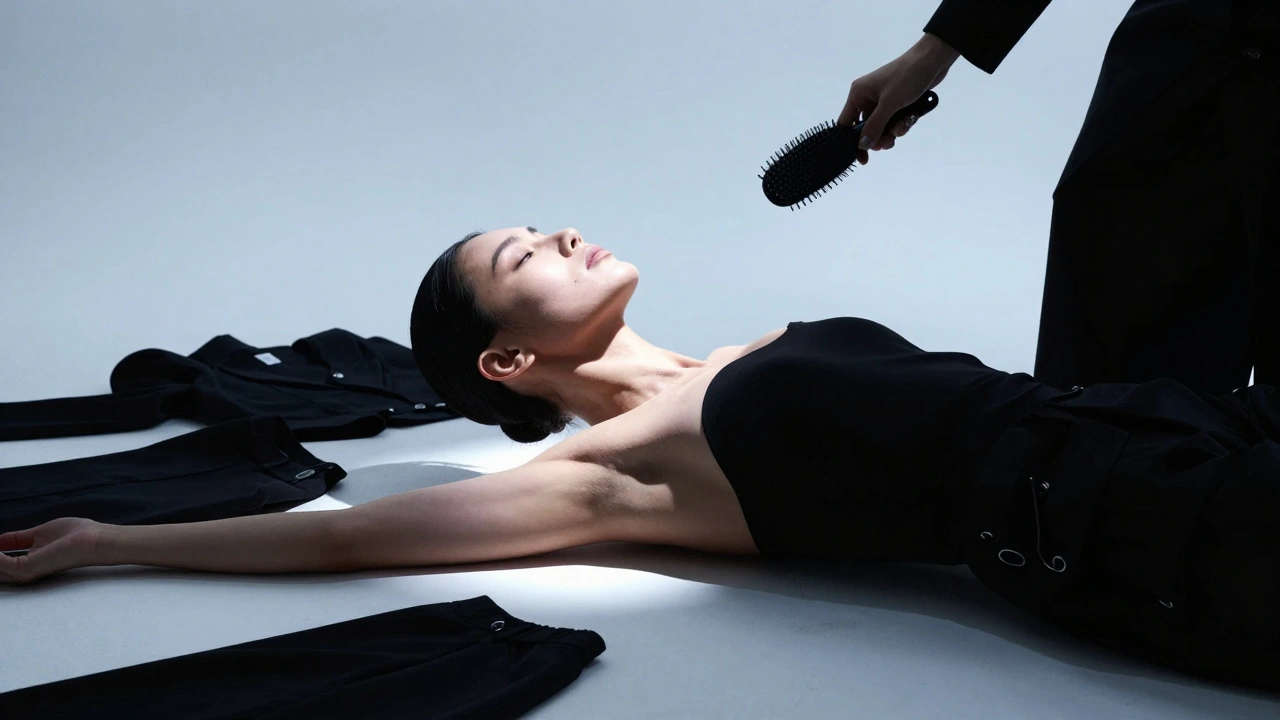
Fashion photographers often have strong creative visions. They might want you to pose in ways that feel unnatural. Don’t be afraid to speak up if something feels uncomfortable, but also be open to experimentation.These shoots usually involve heavy styling-designer clothes, dramatic makeup, unusual hair. You’re not just a model; you’re a canvas. Be ready to move quickly. Sessions can be long, with multiple outfit changes and location shifts.
Key things to remember:
- Follow direction precisely, even if it feels odd. Sometimes the weirdest pose turns out to be the best shot.
- Bring your own simple backup outfits in case the wardrobe team is late or runs out of options.
- Keep your skin hydrated and your hair manageable. Fashion shoots often require multiple looks in one day.
One model I worked with in London had a shoot with a photographer known for avant-garde work. He asked her to lie on her back and twist her neck at a 90-degree angle. She thought it was ridiculous. The resulting image became her most-used portfolio piece. Sometimes the best shots come from trusting the process.
Working with Commercial Photographers
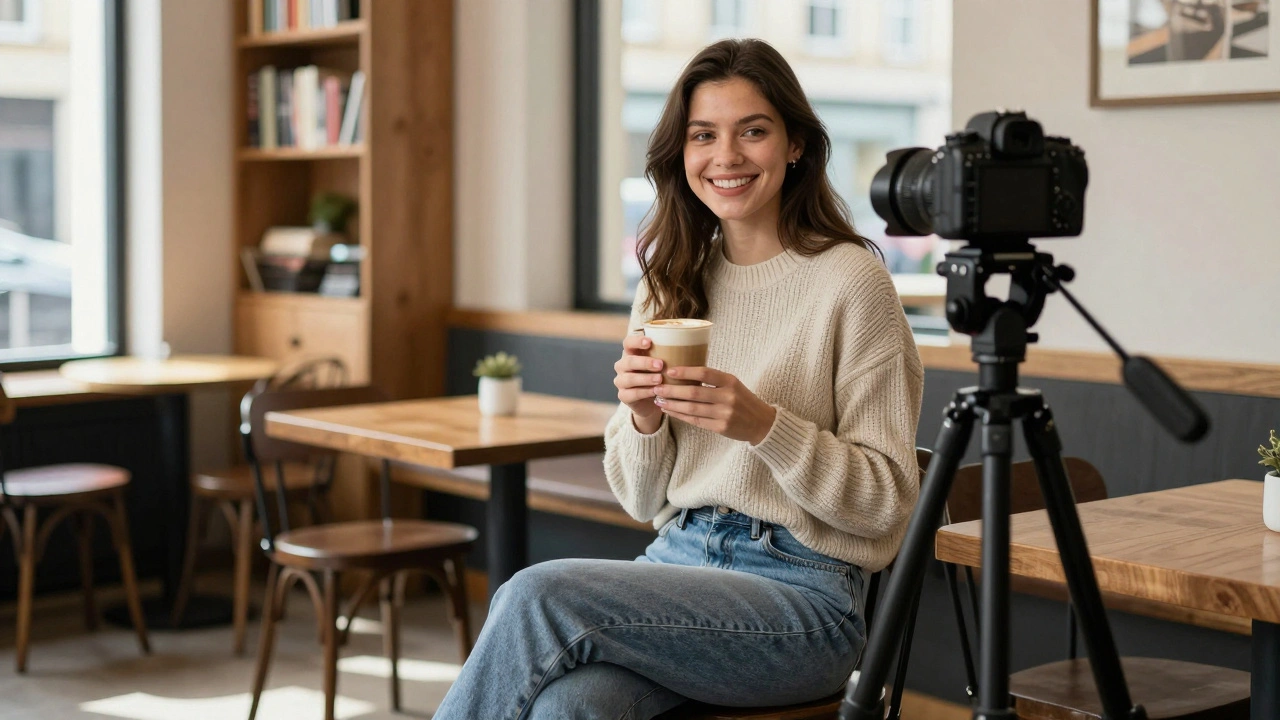
Commercial photographers want you to look approachable, confident, and real. This is the kind of work you’ll see in ads for banks, supermarkets, or phone companies. No fantasy. No runway. Just you, looking like someone you’d trust with your money or your groceries.These shoots are less about art and more about clarity. The lighting is even. The background is neutral. Your expression should be warm, not overly dramatic. Smiling with your eyes matters more than a perfect grin.
Here’s what works:
- Wear clothes that look like something you’d actually wear. No designer labels unless the brand is part of the shoot.
- Keep makeup natural. Think "I woke up like this," not "I just got done with a photoshoot."
- Practice relaxed eye contact. Look directly into the lens like you’re talking to a friend.
One of my favorite commercial shots came from a 15-minute session at a Bristol café. No studio. No crew. Just me, a photographer, and a latte. The photo was used in a national bank campaign. It worked because it felt real.
Working with Fitness and Wellness Photographers
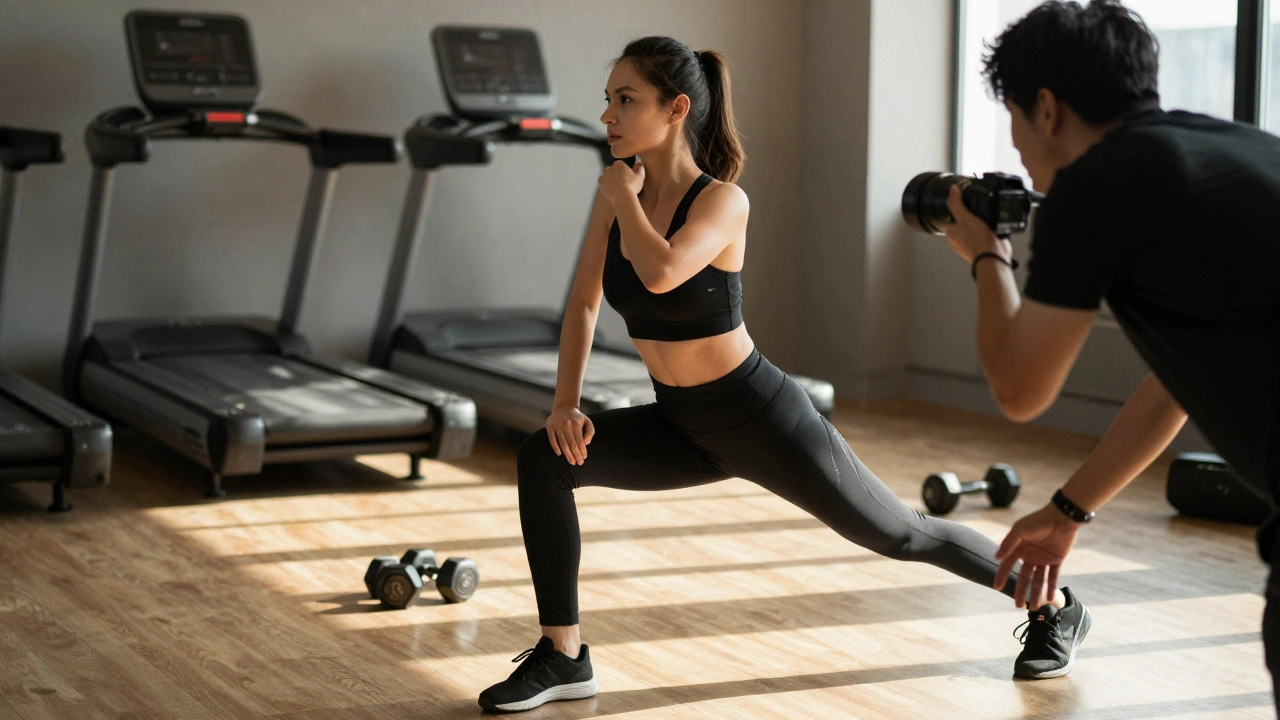
If you’re aiming for fitness modeling, you need photos that show strength, tone, and energy. These photographers often work with gyms, supplement brands, or activewear lines. They care about muscle definition, posture, and movement.Unlike fashion shoots, you won’t be wearing flowing gowns. You’ll be in sports bras, leggings, or swimwear. Be prepared to move. These sessions often involve dynamic poses-jumping, stretching, lifting weights, or running on a treadmill.
Important tips:
- Hydrate well the day before. Dehydration makes skin look dull under bright lights.
- Don’t try to "flex" constantly. Natural tension looks better than forced muscle engagement.
- Bring your own workout gear if you have pieces that fit well and show your shape without being too tight or too loose.
One model I know lost a major campaign because she showed up in baggy gym shorts. The photographer had planned for tight leggings to highlight her quad definition. She didn’t realize how much the clothing mattered. Don’t make that mistake.
Working with New or Emerging Photographers
It’s tempting to work with new photographers because they’re cheaper-or even free. But here’s the truth: free shoots often cost more in the long run.Some new photographers are talented and hungry. Others are still learning how to focus a lens, let alone direct a model. Before agreeing to a trade-for-prints (TFP) shoot, ask to see at least 10 finished images from past clients. Not Instagram highlights. Actual edited photos.
Also, get a simple agreement in writing-even if it’s just a text message. Something like: "I’ll provide 5 edited images for you in exchange for you providing 10 edited images for my portfolio." That protects both sides.
Don’t assume that because someone has a nice Instagram page, they can deliver professional results. One model I worked with did three TFP shoots with photographers who "just started." She ended up with blurry shots, bad lighting, and no usable images. She wasted three months.
What to Bring to Every Shoot
No matter the type of photographer, there are a few essentials you should always carry:- Simple, neutral underwear and bras (no lace or patterns that show through)
- Basic skincare products (moisturizer, lip balm, blotting papers)
- A small makeup touch-up kit (mascara, lipstick, powder)
- Comfortable shoes for travel between locations
- A copy of your portfolio or digital link on your phone
- A water bottle and a healthy snack
These aren’t luxuries. They’re tools that keep you looking fresh and professional, even when the shoot runs late or the studio is cold.
Communication Is Everything
The best models aren’t the ones who look the prettiest. They’re the ones who communicate clearly.Before the shoot, ask:
- What’s the goal of this session?
- How many outfits will we do?
- Will there be a stylist or makeup artist?
- When will I get the final images?
During the shoot, if something doesn’t feel right-whether it’s the lighting, the pose, or the vibe-say something. A good photographer will appreciate your input. A bad one will ignore you and deliver poor results.
After the shoot, follow up politely. If you don’t hear back in two weeks, send a gentle reminder. Don’t be pushy, but don’t disappear either. Your portfolio depends on timely delivery.
Don’t Just Collect Photos-Curate Them
Having 50 photos doesn’t make a strong portfolio. Having 12 perfect, varied, professional images does.After each shoot, review the images with a critical eye. Ask yourself:
- Does this show my best features?
- Is this the kind of image a booking agent would use?
- Does it match the style of the jobs I want?
Remove anything that’s blurry, awkward, or doesn’t represent your brand. If you’re going for commercial work, don’t include a high-fashion shot where you’re wearing a full face of contouring. It confuses agencies.
Update your portfolio every 6 months. Take out old shots. Add new ones. Your look changes. Your goals change. Your portfolio should too.
Final Thought: You’re the Director Too
You might think you’re just the subject. But in reality, you’re a co-creator of your brand. The photographer captures the image, but you decide which ones make the cut. You decide who you work with. You decide what kind of model you want to be.Don’t let anyone else define your portfolio. Ask questions. Set boundaries. Choose photographers who respect your goals. And never, ever settle for "good enough."
How many photos should I have in my model portfolio?
A strong model portfolio has 8 to 12 high-quality images. More isn’t better-clarity is. Include variety: headshots, full-body shots, different styles (fashion, commercial, fitness), and at least one expressive close-up. Avoid duplicates or similar poses. Each image should serve a purpose.
Should I pay for a photoshoot or do TFP (trade for prints)?
TFP can be useful early on, but only with photographers who have a proven track record. Never do TFP with someone who doesn’t show you at least 10 finished, edited images from past clients. If you’re serious about booking paid jobs, invest in one professional shoot with a photographer who specializes in your target market. A single strong image from a pro can open more doors than ten blurry TFP shots.
What if the photographer doesn’t deliver the photos on time?
Set clear expectations before the shoot: "I need the final edited images within 2 weeks." If they miss the deadline, send a polite reminder after 10 days. If they still don’t respond, it’s time to move on. Don’t wait indefinitely-your portfolio needs to be active. Consider hiring a different photographer to reshoot key images if needed.
Can I use the same photos for both fashion and commercial modeling?
Not usually. Fashion photos are dramatic, stylized, and often edited to look surreal. Commercial photos are natural, relatable, and focused on everyday appeal. Using a fashion shot in a commercial portfolio confuses agencies. Keep them separate. Build two versions of your portfolio-one for fashion, one for commercial-and tailor each to its purpose.
How do I know if a photographer is professional?
A professional photographer has a consistent style, delivers edited images on time, communicates clearly, and respects boundaries. They’ll ask about your goals, provide a shot list, and give you a clear timeline. They also have liability insurance and use professional equipment. If they say, "I just use my phone," or "I don’t edit much," walk away.

December 20, 2025 AT 23:54
diana c
So many models think they just need ‘any photographer’ - but honestly, it’s like hiring a plumber to fix your brain. Different shoots need different minds. I once did a TFP with some ‘artist’ who thought ‘edgy’ meant me lying in a dumpster. I got zero usable shots. Lesson learned: your portfolio isn’t a scrapbook, it’s your resume.
December 22, 2025 AT 10:39
Shelley Ploos
I’ve mentored new models for years and this post nails it. The biggest mistake? Trying to use the same photos for fashion and commercial. It’s like wearing a tuxedo to a job interview at Walmart. Agencies see that and they don’t know what you want. Keep it clean. Keep it focused. Your brand matters more than your Instagram likes.
December 23, 2025 AT 11:40
Haseena Budhan
lol u think u need a ‘pro’ photog? i did 3 tfps with my cousin who has a canon rebel and got 2 pics i used for my agency profile. they booked me for 3 jobs. who even cares if the lighting is ‘bad’ if u look hot? also why do u need 12 pics? i have 5 and i’m doing fine. stop overthinking.
December 25, 2025 AT 05:33
Bing Lu
THEY’RE ALL WATCHING YOU. EVERY PHOTOGRAPHER IS A CULT MEMBER. THEY USE YOUR IMAGE TO PROGRAM THE PUBLIC. WHY DO YOU THINK THEY WANT ‘NATURAL’ LIGHTING? IT’S A TRAP. THEY WANT YOU TO LOOK ‘RELATABLE’ SO YOU’LL BUY THEIR PRODUCTS. THEY’RE NOT CREATING ART - THEY’RE SELLING YOU TO CORPORATIONS. DON’T TRUST THE LENS. <:-O
December 26, 2025 AT 08:53
gaia quinn
Oh wow, a whole essay on how to not be a fool. Who knew? I’m just shocked that models still need to be told not to show up in baggy shorts to a fitness shoot. Like, did you forget you’re being paid to look like a human sculpture? And TFP with ‘emerging’ photographers? Honey, if they’re emerging, you’re the oxygen they’re breathing. You’re not ‘building your portfolio’ - you’re doing free labor for someone’s Instagram clout. And don’t even get me started on ‘curating’ - if you have more than 10 photos, you’re not a model, you’re a hoarder with a Dropbox folder.
December 26, 2025 AT 17:01
BETHI REDDY
It is imperative to recognize that the ontological framework of modeling is intrinsically linked to the semiotic production of identity. One cannot merely ‘take pictures’ without engaging in a dialectical negotiation between the gaze of the photographer and the performative self. The commercial imperative, as articulated by Foucaultian discourse, commodifies the corporeal into a signifier of consumer desire. Hence, the assertion that one must ‘curate’ one’s portfolio is not merely aesthetic - it is epistemological. One must ask: who is the subject, and who is the object? The answer, I fear, is already predetermined by the capitalist apparatus.
December 27, 2025 AT 18:39
Michaela Bublitz
Just wanted to say thank you for this - I’m new to modeling and I was so overwhelmed before reading this. I didn’t realize how much the photographer’s style mattered. I did a shoot last month thinking ‘it’s all just photos’ and ended up with 30 blurry shots. Now I know to ask questions first. Also, the skincare tip? Game changer. My skin looked way better after I brought my moisturizer. Small things matter. 😊
December 27, 2025 AT 23:32
mariepierre beaulieu
This is so helpful! I just did my first fitness shoot and I was so nervous about what to wear. I brought my own leggings and it made all the difference. Also, the part about hydration? I drank so much water the day before and my skin actually glowed under the lights 🙌 I used to think it was all about posing, but it’s really about being prepared. Thanks for the reminder that we’re not just objects - we’re part of the process!