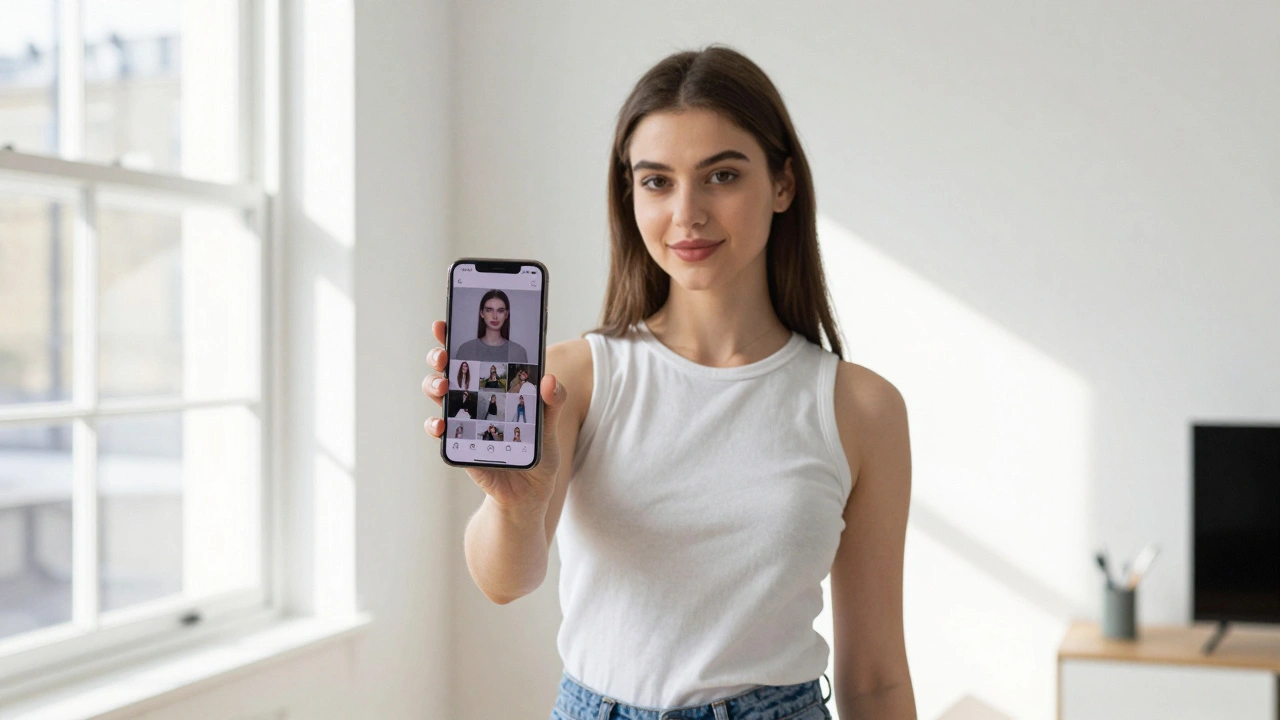
Your model portfolio used to be a printed book of headshots and full-body shots. You’d hand it to agents at castings, mail it to agencies, or leave it on a table at open calls. Now, your portfolio lives online-and it’s not just a collection of photos. It’s a living, breathing profile that agencies, brands, and clients scroll through before they even consider meeting you. And the biggest force shaping that profile? social media.
Why Your Social Media Is Now Your Portfolio
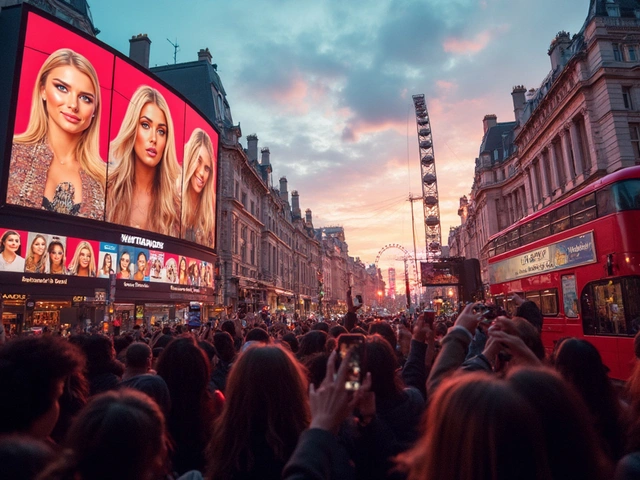
Agencies don’t just look at your printed book anymore. They check your Instagram. They watch your TikTok reels. They scroll through your Pinterest boards. If you don’t have a strong online presence, you’re invisible-even if you’ve got the best headshots in London.
Think about it: a casting director in Milan gets 200 submissions a week. They open your PDF portfolio. It looks good. But then they click your Instagram handle. And what do they see? A feed with 300 followers, blurry selfies, and three posts from two years ago. They close the tab. No second look.
But if your Instagram has 15,000 followers, consistent high-quality content, clear styling, and real engagement? That’s not just a profile. That’s proof you’ve got an audience. That’s proof you’re marketable. That’s proof you’re not just a model-you’re a brand.
What Agencies Look for in Your Social Media
It’s not about how many followers you have. It’s about what those followers say about you.
- Consistency - Do your posts look like they’re from the same person? Are your lighting, angles, and styling on point? Random snapshots won’t cut it.
- Authenticity - Do you look like yourself? Or are you trying to copy someone else’s vibe? Agencies want real people, not filters and trends.
- Engagement - Are people commenting? Liking? Sharing? A post with 500 likes and 80 comments tells a different story than one with 5,000 likes and 2 comments.
- Professionalism - No drunk party pics. No offensive captions. No tagging random influencers just to get noticed. Keep it clean.
One model I know in Bristol got signed by a top agency after they saw her Instagram. She didn’t have a big following-just 8,000-but every post looked like a campaign. Natural lighting. Clean backgrounds. Clear expressions. No gimmicks. That’s what stood out.
What to Include in Your Social Media Portfolio
Your social media should mirror what’s in your printed portfolio-but with motion, personality, and context.
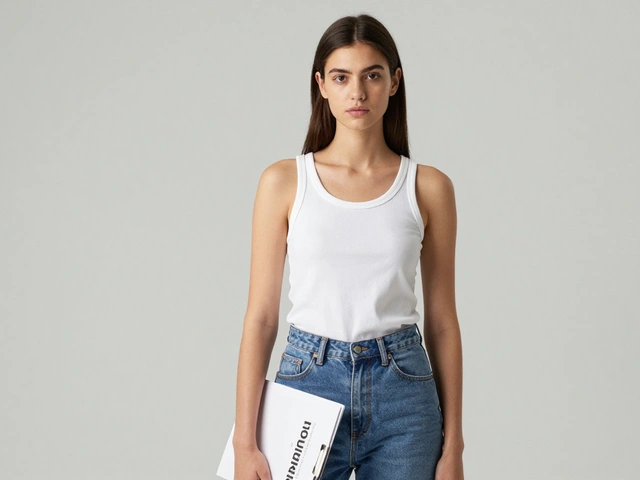
- Headshots - Post one clean, well-lit headshot. Not 10 variations. Just one that shows your face clearly.
- Full-body shots - Show your posture, stance, and how you carry yourself. Wear simple clothes. No logos.
- Lookbook clips - Short videos (15-30 seconds) showing you walking, turning, posing. No music. Just natural sound. Let your movement speak.
- Behind-the-scenes - Show your prep: makeup, hair, wardrobe, set calls. It humanizes you and shows you’re professional.
- Client work - If you’ve done paid gigs, tag the brand (with permission). Even small local campaigns count.
Don’t post everything. Curate. Think of your feed like a gallery. You wouldn’t hang 50 paintings in a small room. Pick the 10 strongest.

Platforms That Matter Most
Not all platforms are equal. Here’s where you should focus:
- Instagram - The #1 platform for models. Use high-res images. Use Stories to show daily life. Use Reels for movement. Keep your bio clear: name, agency (if any), location, contact.
- TikTok - Growing fast. Brands are scouting here. Post 15-30 second clips showing your range: serious, playful, confident. Use trending sounds if they fit your vibe.
- LinkedIn - Surprisingly important. List yourself as a “Model” or “Freelance Model.” Add your portfolio link. Agencies use it to verify professionalism.
- Pinterest - Great for lookbooks. Create boards: “Editorial,” “Commercial,” “Runway.” Pin your best shots. It’s a visual resume.
Don’t waste time on Facebook unless you’re doing local gigs. Twitter? Skip it. YouTube? Only if you’re building a personal brand with long-form content.
Common Mistakes That Hurt Your Chances
Here’s what kills a model’s online presence:
- Using filters that change your face - Agencies need to know what you actually look like. Heavy filters = red flag.
- Posting too much - Five posts a day looks desperate. Three a week is enough.
- Not tagging locations or brands - If you’re in a shoot in London, tag it. If you worked with a local designer, tag them. It helps with discoverability.
- Ignoring comments - Reply to genuine questions. It shows you’re active and engaged.
- Buying followers - Fake followers are easy to spot. Agencies know. And they won’t trust you.
I’ve seen models with 50,000 followers get rejected because their engagement rate was 0.3%. One real comment per post. That’s not a following. That’s a number.
How to Build a Strong Social Media Presence from Scratch
If you’re just starting out, here’s how to build something real:
- Choose one platform to start with-Instagram.
- Post three times a week: one headshot, one full-body, one behind-the-scenes.
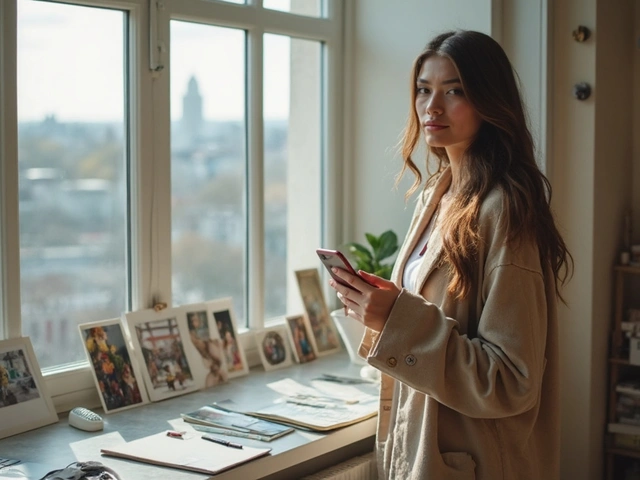
- Use natural lighting. Shoot near a window. No flash.
- Write captions that tell a story: “Day 3 of my shoot with @localdesigner. Loved working with this team.”
- Engage with 5 other models or photographers every day. Comment meaningfully.
- After 3 months, review your analytics. Which posts got the most saves? That’s your style.
Don’t chase viral. Chase consistency. One steady post a week beats five rushed ones.

What Happens When You Get It Right
One model from Leeds, 19 years old, started posting on Instagram with no agency. Three months later, a scout from a London agency DM’d her. She had 12,000 followers. Her feed showed range: editorial, commercial, swimwear. Her captions were professional. Her engagement was real.
She got signed. Then booked a campaign with a UK high-street brand. Then a magazine spread. All because her social media told a clear story: “This is who I am. This is what I do.”
That’s the power of a well-curated social media portfolio. It doesn’t replace your printed book. It *amplifies* it.
Final Checklist: Is Your Social Media Portfolio Ready?
Before you send your portfolio to an agency, run through this:
- ✅ All photos are high-resolution and well-lit
- ✅ No filters that alter your natural features
- ✅ Bio includes your name, location, and contact info
- ✅ No inappropriate or unprofessional content
- ✅ Engagement looks real (comments, replies, saves)
- ✅ You’ve posted consistently for at least 3 months
- ✅ You’ve tagged brands and locations where relevant
- ✅ You have at least one video clip showing movement
If you checked all these boxes? You’re not just ready. You’re competitive.
Do I need to have a huge following to get signed?
No. Agencies care more about engagement quality than follower count. A model with 5,000 followers and 200 real comments per post is more attractive than someone with 50,000 followers and only 10 comments. Authenticity and consistency matter more than numbers.
Should I hire a social media manager?
Only if you’re already working with an agency and booking regular jobs. For beginners, managing your own feed is part of the job. It teaches you how to present yourself, understand your audience, and build confidence. Once you’re earning, then consider outsourcing.
Can I use the same photos in my portfolio and on social media?
Yes-but don’t just repost the exact same images. Edit them for social. Crop tighter for Instagram Stories. Add subtle filters if they enhance the mood, not distort your look. Social media should feel like an extension of your portfolio, not a copy.
What if I don’t have professional photos yet?
Start with what you have. Use natural light, a plain wall, and your phone. Take 10 shots: front, side, back, smiling, serious. Post them. Then reach out to local photographers for trade-for-print (TFP) sessions. Many are looking for models to build their own portfolios. It’s a win-win.
How often should I update my social media portfolio?
Update your feed every 4-6 weeks with new work. Remove old or low-quality posts. If you’ve done a new shoot, post it within a week. Keep your feed fresh, but don’t flood it. Quality over quantity always wins.
Next Steps: What to Do Today
Don’t wait for the perfect shot. Don’t wait for the perfect lighting. Don’t wait for an agent to find you.
Right now, open your phone. Look at your Instagram. Ask yourself: If I were an agency, would I hire me based on what I see?
If the answer is no, delete one unprofessional post. Post one new photo. Reply to one comment. That’s it. Start small. Stay consistent. And in six months, you’ll look back and wonder why you waited so long to take control of your image.


January 6, 2026 AT 04:20
Christopher Dan Rangaka
Bro, I just checked my IG and realized I’ve been posting selfies with my dog like it’s a runway show. 😅 Time to delete that ‘chill vibes’ post where I’m half-naked holding a burrito. Agencies ain’t buying ‘vibes’-they buying brand potential. Time to get real.
January 7, 2026 AT 06:15
Nina Khvibliani
It’s wild how we’ve turned identity into a curated feed. We’re not models anymore-we’re content architects of our own mythos. 🌌 The algorithm doesn’t care if you’re beautiful, it cares if you’re *consistent*. And isn’t that the tragedy? We don’t just perform for cameras anymore-we perform for the void. And the void likes engagement metrics.
January 7, 2026 AT 07:06
Rosanne van der Greft
Let’s be real-this whole ‘social media portfolio’ thing is just corporate gaslighting. Agencies want you to do free labor posting content so they can scout you without paying for a proper portfolio. And don’t get me started on ‘engagement.’ That’s just a metric to make you feel like you’re growing while they profit off your emotional labor. 💅📉
January 7, 2026 AT 13:03
Vishal saini
Minor correction: You said ‘no flash’-but if you’re shooting indoors, a diffused flash can actually help with even lighting. Just bounce it off a white wall or use a softbox. Natural light is ideal, but not always possible. Also, ‘no logos’ is good advice-brands hate competing with other brands in your feed.
January 7, 2026 AT 18:44
Rajesh Kumar bisai
This is so encouraging! I just started posting 2x a week with my phone and a white sheet as a backdrop. Last night, a local photographer DM’d me for a TFP shoot. Small steps, but it’s happening. Keep going, everyone. You’re not alone in this. 💪📸
January 9, 2026 AT 12:31
Chase D
Yeah right. Agencies don’t care about your ‘authenticity.’ They care about who your followers are. If you’ve got 500 followers who are all bots from Nigeria and 1000 fake likes from Pakistan, you’re golden. 😏 The real system? It’s rigged. They don’t want talent-they want influencers with fake clout. Just buy the followers, slap on a filter, and pray the scout doesn’t check your analytics. 🤫
January 11, 2026 AT 12:05
William Sogus
So let me get this straight… you’re telling me I should delete my party pics from 2021 because some corporate drone in Milan thinks I look ‘unprofessional’? What’s next? Are we gonna have to scrub our childhood Facebook photos too? 🤡 This isn’t branding-it’s cultural erasure. They don’t want models. They want robots with good lighting.
January 11, 2026 AT 16:18
Rayna Hawley
Just a quick note: you wrote ‘no filters that change your face’-but technically, ‘filters’ can mean both Instagram filters and lighting filters. Clarify. Also, ‘tag locations’-should be ‘tag geotags’ or ‘use location tags’ for SEO. And ‘reply to comments’-grammar: ‘Reply to genuine questions’ is correct, but ‘comment’ should be plural: ‘comments.’ Just saying. 😊
January 12, 2026 AT 08:32
Ariel Lauren
Stop. This is manipulation disguised as advice. You’re telling people to perform their identity for free so corporations can profit. You’re not helping. You’re enabling. The system is broken. And you’re just giving it a nicer wrapper.
January 12, 2026 AT 11:32
Steve Wilson
One post. That’s all I did. A single headshot, natural light, no filter. Just me. And guess what? A scout from a small agency in Portland liked it. Didn’t even comment. Just saved it. Sometimes, quiet consistency speaks louder than the noise.