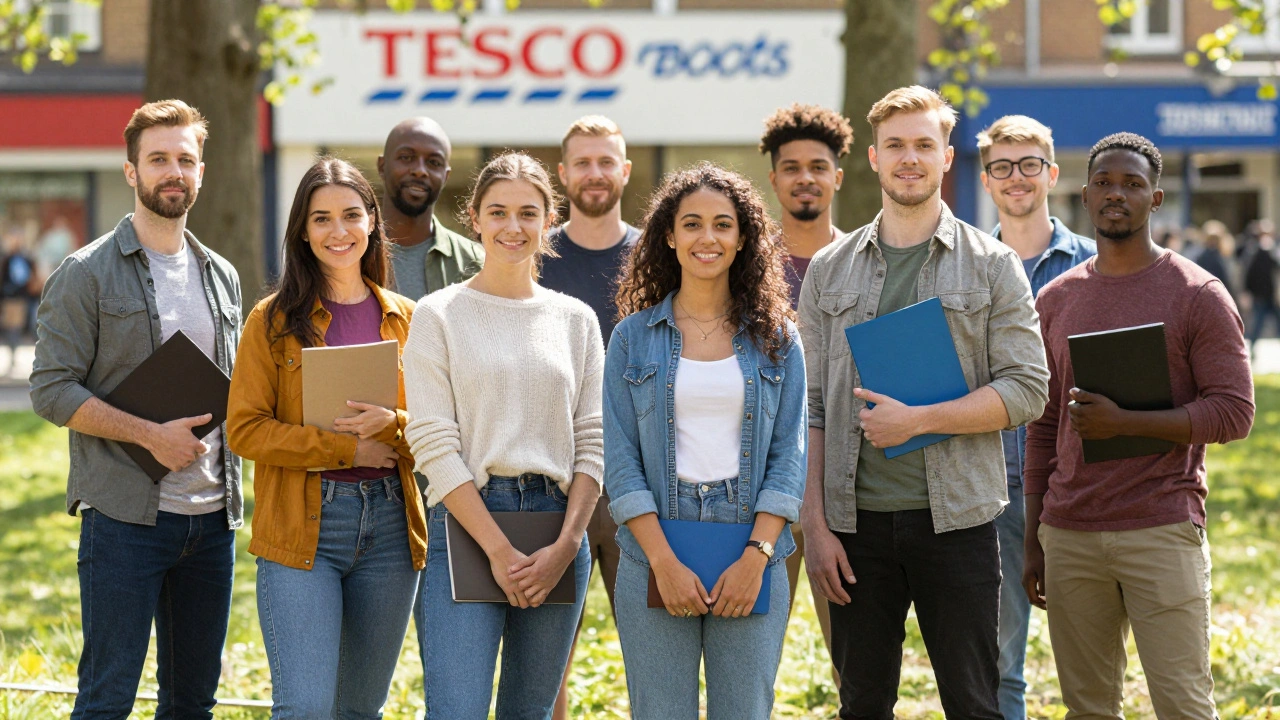
Want to become a model but don’t know where to start? You’re not alone. Every year, thousands of people in the UK and around the world take their first steps into modeling-not because they want fame, but because they see it as a real way to earn money, build confidence, and express themselves. The truth? You don’t need to be a supermodel to begin. You just need the right mindset, a few practical steps, and the willingness to learn.
Understand What Modeling Really Is
Most people think modeling means walking runways in high heels for luxury brands. That’s one part of it-but it’s not the whole picture. Today’s modeling industry includes commercial modeling, print ads, social media influencers, catalog work, fitness modeling, and even promotional events. You don’t need to be 5’10” or wear a size 0. Brands are looking for real people who connect with audiences.
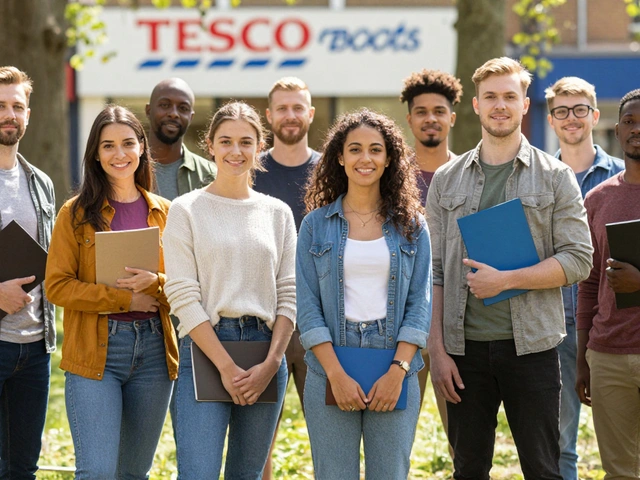
In 2025, over 60% of UK modeling jobs were for commercial and lifestyle campaigns-not high fashion. Companies like Boots, Tesco, and ASOS regularly hire models who look like their customers. That means if you’re average height, have freckles, or wear a size 12, you still have a shot.
Know Your Type
Modeling isn’t one-size-fits-all. There are different paths, and knowing which one fits you saves time and money.
- Commercial modeling: For ads in magazines, billboards, TV, and online. Focuses on relatability. Height: 5’5” to 5’9”. No strict size limits.
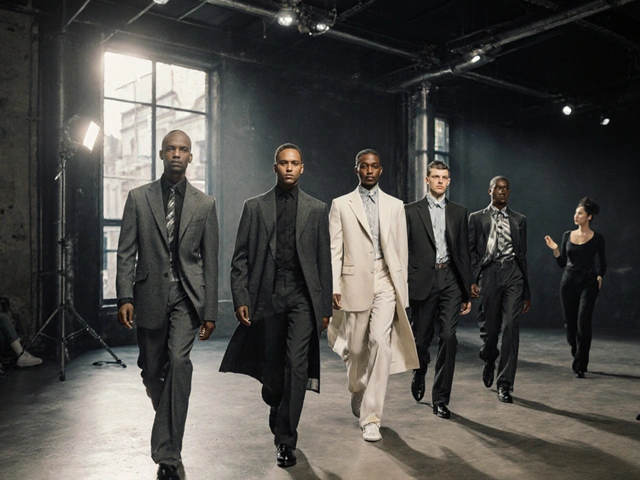
- Fashion modeling: For runway shows and editorial shoots. Usually taller (5’9”+ for women), slimmer build.
- Fit modeling: You try on clothes for designers to check sizing. Often size 8-14, average height.
- Promotional modeling: At events, trade shows, or product launches. Personality matters more than measurements.
- Instagram modeling: Growing fast. Requires consistent content, engagement, and a clear niche (fitness, fashion, travel, etc.).
Take a honest look at your body type, face, and personality. Don’t force yourself into a mold. The best models are the ones who stay true to who they are.
Build a Simple Portfolio
You don’t need a $2,000 photoshoot to start. A good portfolio shows your range, not your budget.
Start with 6-8 photos:
- A clear headshot (no filters, natural lighting)
- A full-body shot in casual clothes
- A shot in a simple outfit (white t-shirt, jeans)
- A smile and neutral expression
- One action shot (walking, laughing, holding something)
- One styled shot (if you can get a friend with a camera to help)
Use natural light. A window in your home works better than a flash. Shoot in the morning or late afternoon. Keep backgrounds simple-white wall, park bench, plain bedroom.
Don’t use Instagram filters or apps that change your face. Agencies want to see the real you. If you’re unsure, ask a friend who’s good with cameras to help. Many local photography students need portfolio pieces too-they’ll shoot for free or low cost.
Find a Reputable Agency
Agencies connect you with jobs. But not all are honest. Avoid anyone who asks you to pay upfront for “training,” “classes,” or “catalogs.” Legit agencies earn money by taking a commission (usually 15-20%) from the jobs they book for you.
In the UK, check agencies listed on the Model Alliance or Equity websites. These are industry-backed organisations that vet agencies.
Some well-known UK agencies for beginners:
- Models 1 (London)
- Storm Model Management (London)
- MPM Models (Manchester, London)
- Next Model Management (London, Edinburgh)
Send your portfolio to 5-10 agencies at once. Use email. Keep it short:
Hi [Name],
I’m a beginner model based in [City]. I’ve attached my portfolio and would love to be considered for commercial and lifestyle work. I’m available for castings and shoots. Thank you for your time.
Best,
[Your Name]
If you don’t hear back in 10 days, follow up once. Then move on. Don’t chase them.

Prepare for Castings
When an agency invites you to a casting, treat it like a job interview.
- Wear simple, fitted clothes-no logos, no bright colours.
- Don’t wear makeup unless told to. Natural is best.
- Bring your portfolio (printed or on a tablet).
- Arrive 15 minutes early.
- Be polite, smile, and listen. They’re not just looking at your looks-they’re checking if you’re easy to work with.
Most castings last 5-10 minutes. You might be asked to walk, turn around, or smile. That’s it. Don’t overthink it. You’re not competing with Victoria’s Secret models. You’re showing you can follow directions and look natural.
Start Small, Build Experience
Your first job might not be glamorous. That’s okay.
Look for:
- Local store catalogs (pharmacies, supermarkets, clothing boutiques)
- University student magazines or websites
- Small brands on Instagram looking for models
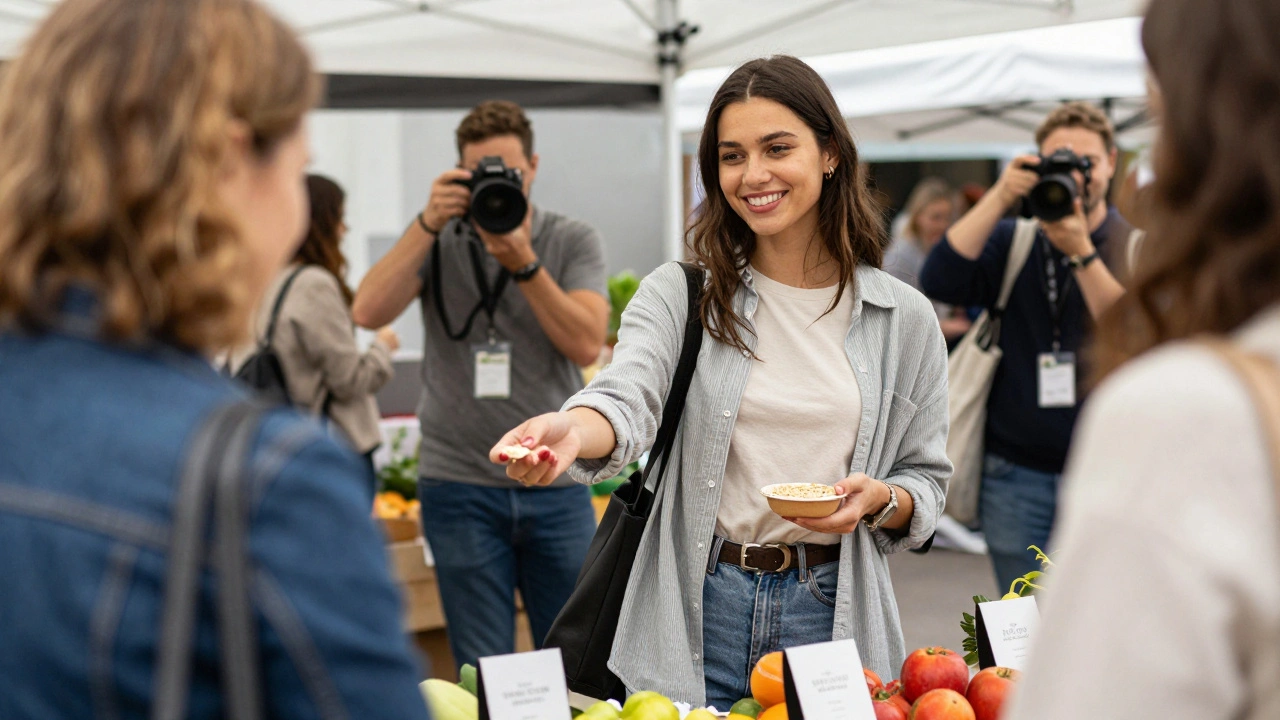
- Community events (charity runs, local fairs)
These gigs pay anywhere from £50 to £200. They’re not huge, but they build your resume. Each job gives you a new photo, a reference, and confidence.
Keep a spreadsheet: date, agency, job type, pay, and what you learned. Over time, you’ll see patterns. You’ll know what you like, what you’re good at, and what to avoid.
Learn the Basics of Self-Promotion
Even if you have an agency, you need to be your own marketer.
Create a simple Instagram profile:
- Use your real name or a variation (e.g., “EmmaModelLondon”)
- Post 2-3 times a week: behind-the-scenes, outfit ideas, candid shots
- Use hashtags like #LondonModel #CommercialModel #BeginnerModel
- Engage with local photographers and small brands. Comment on their posts.
Don’t buy followers. It’s fake and hurts your chances. Agencies check engagement. If your posts get 5 likes from 500 followers, they’ll know it’s not real.
Think of your Instagram as your online portfolio. Keep it clean, consistent, and professional.
Know Your Rights
Modeling isn’t always fair. Some people try to take advantage.
- Never sign a contract without reading it. If it says you owe them money, walk away.
- Always get paid before you do the shoot. No exceptions.
- Keep copies of all emails and contracts.
- If you’re under 18, a parent or guardian must sign any contract.
- You have the right to say no to any shoot that makes you uncomfortable.
UK law protects models under the Employment Rights Act 1996. If you’re treated unfairly or not paid, you can report it to ACAS or your local trading standards office.
Stay Patient and Consistent
Becoming a model doesn’t happen overnight. Most people take 6-12 months to land their first paid job. Some take longer. That’s normal.
Don’t compare yourself to influencers who post daily with 100k followers. Most of them aren’t even paid models. They’re content creators with a lucky break.
Focus on progress, not perfection. One new photo. One casting. One positive email. That’s a win.
Keep showing up. Keep learning. Keep improving. The industry rewards those who stick with it.
What to Avoid
Here are the biggest mistakes beginners make:
- Paying for “modeling classes” or “portfolio packages” - these are scams.
- Using heavy editing - agencies reject fake-looking photos.
- Trying to be someone else - authenticity sells better than perfection.
- Getting discouraged after one rejection - it’s part of the process.
- Sharing personal info too soon - never give your address, bank details, or ID until you’re sure the job is real.
If something feels off, trust your gut. Walk away.
Do I need to be tall to become a model?
No. While fashion modeling often requires height (5’9”+), most modeling jobs today are commercial or lifestyle-based. Brands want people who look like their customers. If you’re between 5’5” and 5’9”, you’re in the perfect range for 70% of UK modeling work.
Can I become a model if I have acne or scars?
Absolutely. Many brands now celebrate natural skin. Acne, freckles, and scars are real. In fact, campaigns that feature real skin often perform better in sales. Don’t hide your skin-own it. If a photographer or agency tells you to cover it up, they’re not the right fit.
How much money can I make as a beginner model?
Beginner models in the UK typically earn £50-£200 per job. High-paying gigs (like national ads) come later. Most models start with local work, then build up. It’s not a get-rich-quick path, but it can easily supplement your income or become a full-time job with time.
Do I need a professional camera to start?
No. A good smartphone camera in natural light works fine for your first portfolio. Focus on lighting and composition, not gear. Many agencies will re-shoot you if they like you. Your first photos just need to show your face and presence.
Is modeling safe for teenagers?
Yes, if done the right way. Under-18s must have a parent or guardian involved in contracts and shoots. Always work with agencies listed on Equity or Model Alliance. Never go to a shoot alone. Stick to daylight, public locations, and always tell someone where you’re going.
Next Steps
Ready to start? Here’s your 7-day plan:
- Day 1: Take 3 natural-light photos of yourself (headshot, full body, smile).
- Day 2: Research 5 UK agencies that accept beginners. Write down their email addresses.
- Day 3: Create a simple Instagram profile. Post your best photo with #BeginnerModelUK.
- Day 4: Send your portfolio to 3 agencies. Keep a copy.
- Day 5: Find a local photographer on Instagram and ask if they’re open to a free swap (you model, they get portfolio shots).
- Day 6: Read the UK Model Alliance guidelines on contracts and rights.
- Day 7: Celebrate that you took action. That’s more than most people do.
Modeling isn’t magic. It’s a job. And like any job, it takes effort, patience, and consistency. You don’t need to be perfect. You just need to show up.
January 10, 2026 AT 02:07
Priya Parthasarathy
This is one of the most practical, no-BS guides I’ve read in years. Seriously, the emphasis on authenticity over perfection? Chef’s kiss. I’ve mentored dozens of young women in India who thought they needed to be tall and flawless to start-and they didn’t even try because they felt excluded. This changes everything.
January 12, 2026 AT 00:45
Cooper McKim
While I appreciate the sentiment, the article fundamentally misunderstands the structural economics of modeling. The 60% commercial modeling statistic is misleading-it conflates volume with value. Most commercial gigs pay below minimum wage when you factor in travel, time, and non-compete clauses. The real power lies in the agencies, who extract 20% while providing zero infrastructure. This is labor arbitrage disguised as opportunity.
January 12, 2026 AT 23:38
Joe Pittard
Oh please. Let’s be real-this is the same tired ‘just be yourself’ nonsense that gets fed to people who don’t understand how the industry actually works. You think a 5’6” girl with freckles is going to land a national campaign? In 2025? Please. The ‘real people’ narrative is a marketing ploy by brands to avoid paying for professional models. And don’t get me started on Instagram ‘modeling’-it’s just influencer content repackaged with a thin veneer of legitimacy. If you’re not 5’10” and a size 0, you’re not modeling-you’re doing free advertising for someone else’s brand.
January 13, 2026 AT 15:41
Laurence B. Rodrigue
There’s a reason this guide exists. Because people are desperate. And desperation makes them easy targets. The agencies listed? Most of them have been flagged by the Model Alliance for predatory practices. The ‘free portfolio’ photographers? They’re often just building their own portfolios with your image, then selling it. And Instagram? It’s a vanity metric trap. If you’re not rich, you’re not modeling-you’re just a photo prop.
January 15, 2026 AT 06:44
danny henzani
bro u think america invented modeling? we had real models in india since the 90s-no filters, no drama, just chill people sellin clothes. u keep actin like this is some new revolution but its just west copyin east vibes. also who cares if u r 5’5” or 5’9” - if u got confidence u can sell a potato as a luxury item. stop overthinkin and just go take pics in front of ur mirror. u dont need a agency to be real.
January 16, 2026 AT 15:37
Satya Im
It is, indeed, a remarkable document-structured, thoughtful, and grounded in empirical reality. One must, however, observe that the very notion of ‘modeling’ as a profession has undergone a semiotic shift-from the classical ideal of physical perfection to the postmodern construct of relatability. The commodification of ‘authenticity’ is not merely a trend, but a cultural recalibration, wherein the body becomes a medium of narrative, not aesthetics. The absence of contractual safeguards, however, renders this emancipatory rhetoric perilously naive. One must ask: who benefits when the labor of self-representation is outsourced to the untrained?
January 16, 2026 AT 16:49
Benjamin Buzek
Wow. So the solution to systemic exploitation is... take more photos? Let me guess-next you’ll tell me that if I just smile more, my landlord will stop raising rent. This article reads like a corporate PR pamphlet written by someone who’s never been to a casting. You don’t ‘build a portfolio’-you get exploited. You don’t ‘find an agency’-you get scammed. And Instagram? That’s just a digital sweatshop with better lighting. This isn’t empowerment. It’s gaslighting with a filter.
January 17, 2026 AT 08:33
Tejas Kalsait
Real talk: most people think modeling is about looks. It’s not. It’s about consistency. About showing up. About not giving up after one no. I’ve seen guys with crooked teeth and one ear higher than the other land national ads because they were reliable. The system isn’t broken-it’s just lazy. Stop waiting for permission. Start shooting. Start emailing. Start being boringly persistent. That’s the real secret.
January 19, 2026 AT 01:43
Emily Martin
Just wanted to say thank you for this. I’m 24, live in Ohio, wear a size 14, and have acne scars. I’ve been too scared to even try. This guide made me feel like I’m not broken-I’m just not the old version of what modeling was. I took my first photo today. It’s not perfect. But it’s mine.
January 19, 2026 AT 07:48
Grace Nean
Emily, your comment gave me chills. You’re not alone. I’ve been there too. I started with a phone camera, a white wall, and a friend who said ‘you look like you belong here.’ That’s all it took. Keep going. You don’t need to be perfect-you just need to be you. And that’s enough.