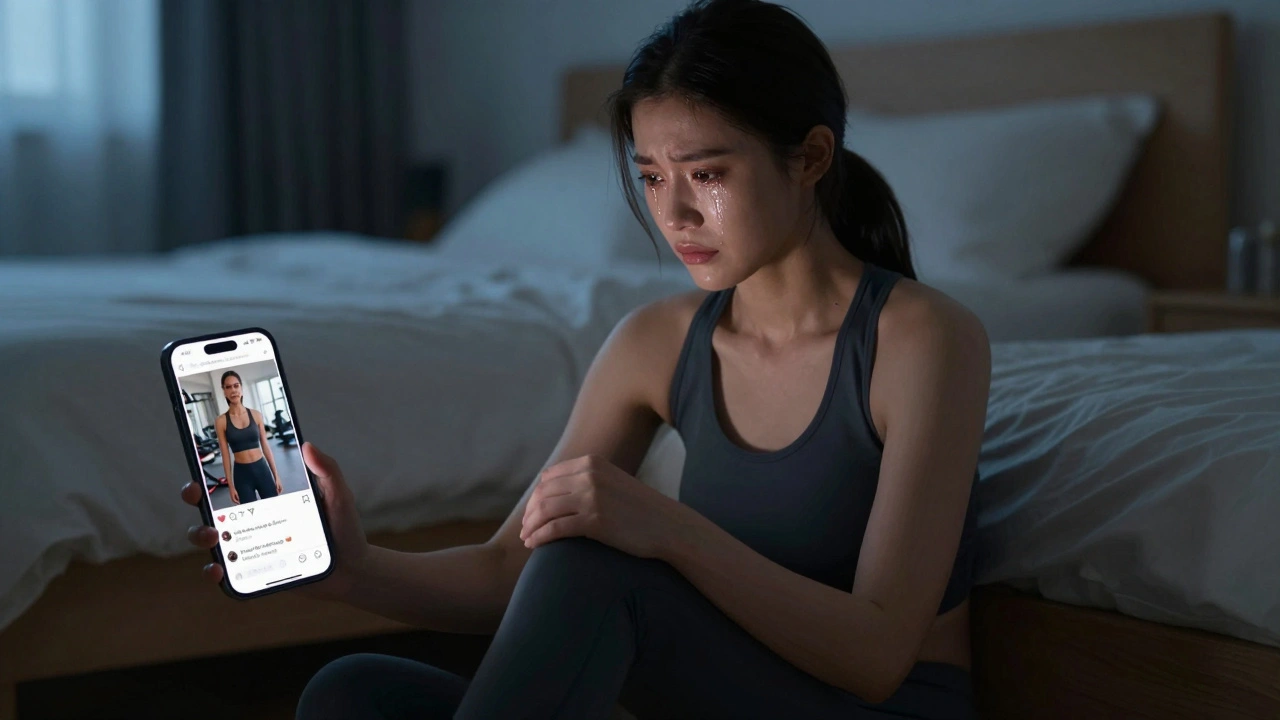
Instagram models aren’t just posting selfies and sponsored content. Behind the curated feeds, many are speaking up about something far more real: mental health. For years, the platform was seen as a highlight reel - perfect skin, flawless angles, endless praise. But a quiet shift is happening. More Instagram models are dropping the filter, not just the photo filter, but the emotional one too. They’re sharing panic attacks, therapy sessions, and days they couldn’t get out of bed. And it’s changing the conversation.
They’re Not Just Selling Products Anymore
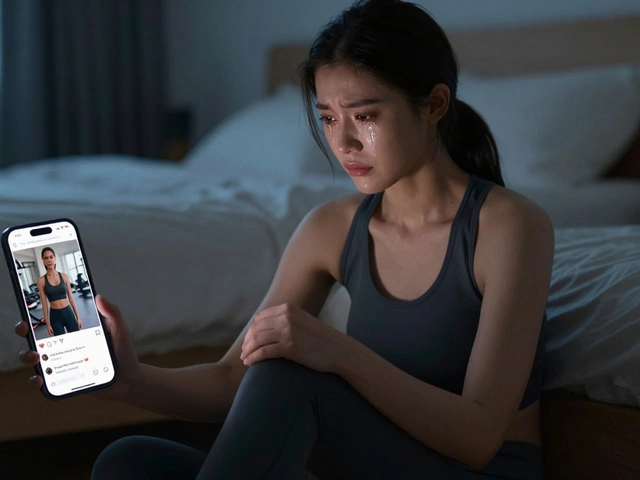
Five years ago, an Instagram model’s job was simple: look good, tag brands, get paid. Now, the most successful ones are the ones who admit they’re not okay. Take Lila Reyes, a model with 870K followers who posted a carousel last year showing her in workout gear next to a photo of her lying on the floor, crying. The caption read: "This is what 3 a.m. anxiety looks like. I still get paid to wear this outfit. But I’m not okay. And that’s okay." The post got over 200K likes. Comments flooded in: "I thought I was the only one." "Thank you for saying this."
It’s not about pity. It’s about connection. Brands notice this too. Companies like Dove, Fenty, and even fitness apps now partner with models who talk openly about depression, eating disorders, or burnout. Why? Because audiences trust them more. A 2024 study by the University of Bristol found that followers of Instagram models who discussed mental health were 47% more likely to say they felt understood by the person they followed - compared to those who only posted fitness or fashion content.
The Pressure Was Always There
Let’s be honest: being an Instagram model has always been mentally taxing. The metrics are brutal. One post with low engagement can feel like a personal failure. Algorithms change overnight. Comments get cruel. DMs turn into hate mail. And the pressure to look a certain way - thin, tan, toned - never stops. Many models start young, sometimes in their teens, with no training in how to handle the emotional toll.
That’s why so many now say they wish they’d known earlier that their worth wasn’t tied to likes. Mia Chen, who grew her account to 1.2 million by posting bikini photos, deleted her entire feed in 2023. She started a podcast called "Off the Grid" where she interviews models who quit. One guest, a former lingerie model from Brazil, said she was hospitalized for anorexia after being told she "needed to lose 10 pounds to keep the contract." She’s now a therapist specializing in social media trauma.
How They’re Fighting Back
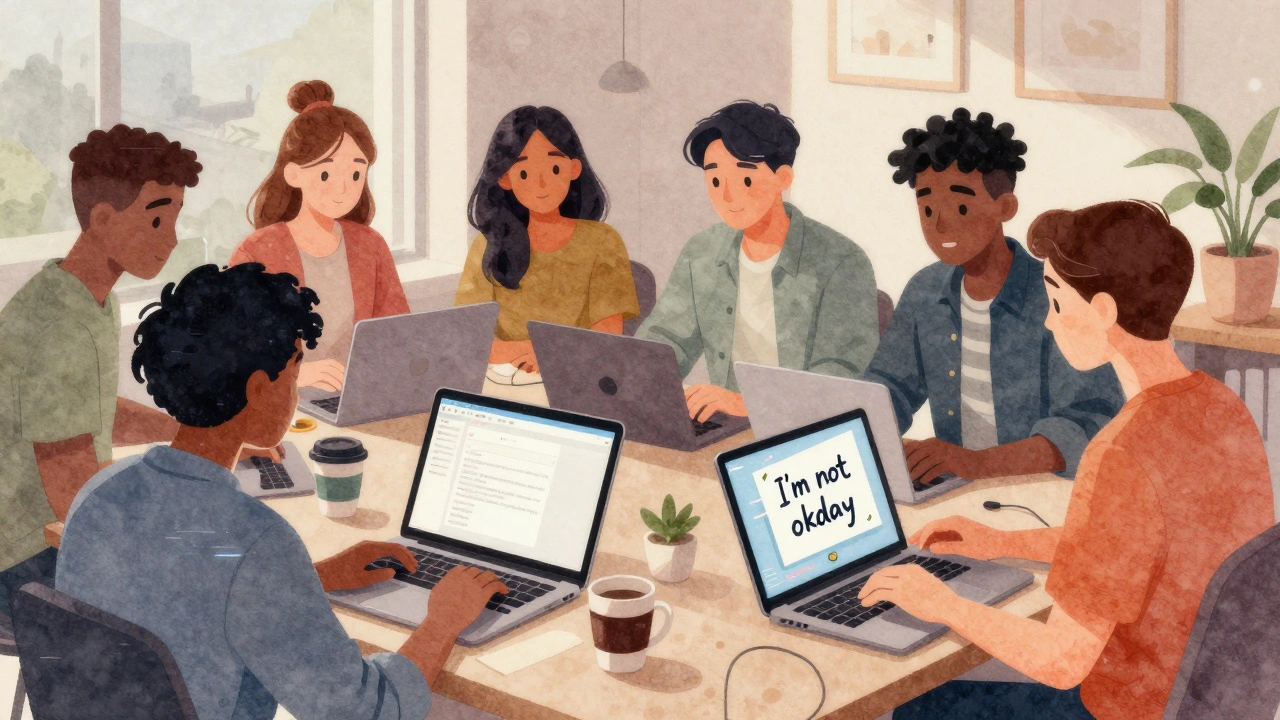
It’s not just posting vulnerable stories. Instagram models are building systems to protect their mental health. Here’s what’s working:
- Content boundaries: Many now have a "no posting" rule on days they’re struggling. Some use apps like "Unplugged" to lock their feed after 8 p.m.
- Therapy as a business expense: More models are claiming therapy sessions as a professional cost - not a luxury. Some even list their therapist’s name in their bio: "In therapy since 2022. It’s part of my job."
- Community groups: Private Discord servers and Instagram DM circles have formed. One group called "The Unfiltered Collective" has over 3,000 members. They share triggers, coping tools, and call out brands that exploit mental health for clicks.
- Reclaiming their feed: Some models post "before and after" - not of their body, but of their mood. One post showed a bright, smiling photo next to a dark, blurry one with the caption: "Same day. Different mind."
The Brands Are Starting to Listen
It’s not just models changing. Brands are being forced to adapt. A few years ago, a model might be told to "smile more" or "look thinner" in photos. Now, some contracts include mental health clauses. One major swimwear brand in Australia now requires all models to sign a wellness agreement - no photoshopping body parts, no promoting weight loss products, and mandatory access to a therapist during shoots.
Even Instagram itself has made changes. In 2024, the platform quietly rolled out a feature that lets users hide like counts on posts from accounts they follow. It was tested with models first. Many said it reduced anxiety. One model from London told a journalist: "I used to check my likes every 10 minutes. Now I can go hours without knowing. I sleep better."
It’s Not Perfect - But It’s Real
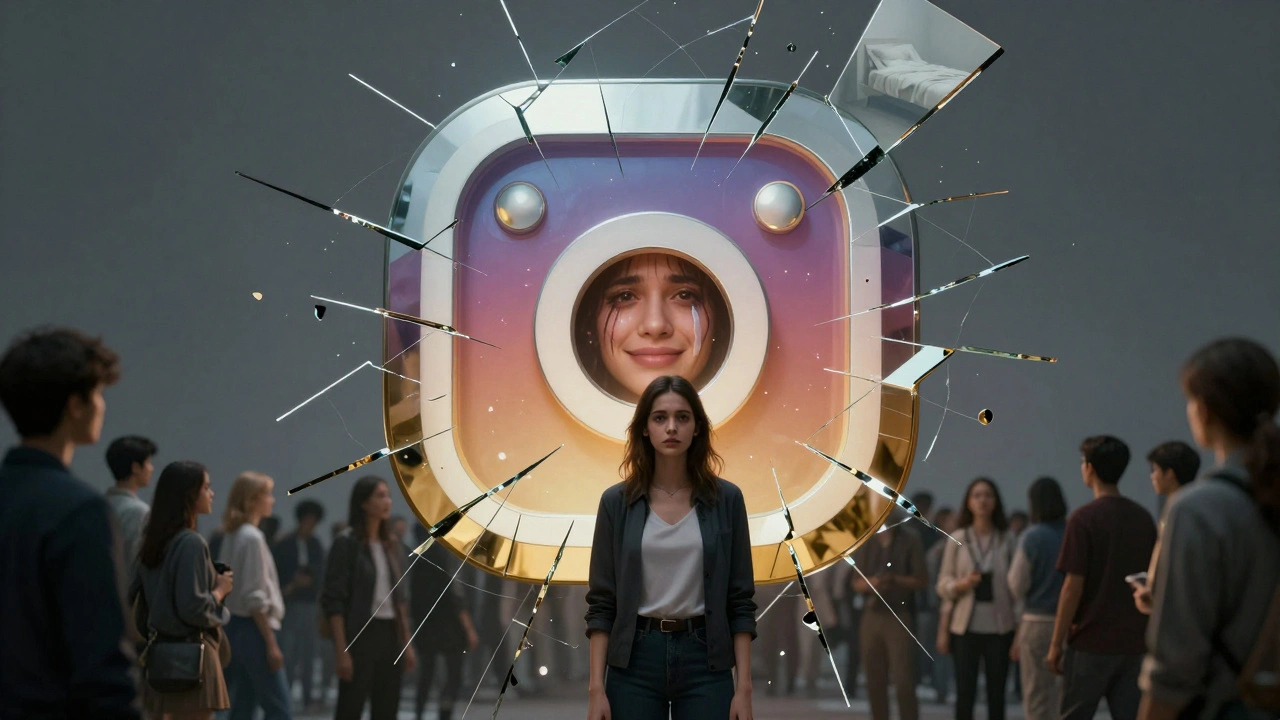
Not every model who talks about mental health is doing it for the right reasons. Some still use it as a marketing tactic - posting a breakdown, then selling a "self-care kit" the next day. Followers are catching on. The most trusted voices are the ones who don’t monetize their pain. They don’t sell journals or meditations. They just say: "I’m still here. And I’m still learning."
There’s no magic fix. Instagram still rewards perfection. The algorithm still pushes the most dramatic content. But something has shifted. People are tired of pretending. They’re looking for honesty - not polish. And Instagram models, once seen as symbols of unattainable beauty, are becoming symbols of resilience.
What This Means for You
If you follow Instagram models, you’re not just scrolling for inspiration. You’re seeing a new kind of role model. One who admits they’re broken sometimes. One who doesn’t have it all figured out. One who’s trying - and that’s more powerful than any flawless photo.
If you’re a model yourself, know this: Your mental health isn’t a weakness. It’s your most valuable asset. The people who stick with you aren’t the ones who want your body. They’re the ones who see your humanity.
And if you’re struggling? You’re not alone. The woman posting that "perfect" beach photo? She might’ve cried before she took it. The guy with 2 million followers? He might’ve skipped breakfast because he felt too anxious to eat. Mental health isn’t a trend. It’s the quiet truth behind every screen.
Why are Instagram models talking about mental health now?
They’re talking now because the pressure has become too heavy to ignore. After years of being told to look perfect, stay silent, and keep posting, many have reached a breaking point. Social media fatigue, cyberbullying, and the unrealistic standards of the industry have led to widespread anxiety, depression, and burnout. The shift started with small, raw posts - and grew when followers responded with their own stories. It became clear: people crave authenticity over perfection.
Do Instagram models get paid for talking about mental health?
Some do, but the most respected ones don’t. Brands are increasingly hiring models who speak openly about mental health because it builds trust. But the models who earn the most loyalty are the ones who don’t sell products tied to their struggles - like therapy apps or self-help books. Instead, they use their platform to raise awareness, connect followers with free resources, or partner with nonprofits. When they do accept paid sponsorships, it’s often with mental health organizations, not beauty brands.
Is hiding likes really helping?
Yes, according to user feedback and internal data from Instagram. When like counts are hidden, models report less anxiety about post performance. Followers also feel less pressure to compare themselves. A 2024 study from King’s College London showed that users who hid likes on their own posts experienced a 31% drop in daily stress related to social media. It’s not a cure, but it’s a meaningful step toward reducing the performance-based culture.
Can following Instagram models actually help your mental health?
It can - if you follow the right ones. Models who share their struggles honestly, without selling solutions, can make followers feel less alone. Seeing someone with 500K followers admit they’re having a bad day can be powerful. But if you’re comparing yourself to their "perfect" posts, it can make things worse. The key is to follow people who show both sides - the glow and the grit. Unfollow anyone who makes you feel worse about yourself.
What should brands do to support mental health in modeling?
Brands need to stop treating mental health as a PR move. They should include mental health clauses in contracts - like mandatory therapy access, no photo manipulation, and limits on shoot hours. They should also stop demanding models promote weight loss or "flawless skin" products. Paying models to be real - not just beautiful - is the future. Some are already doing it. The ones who don’t will lose credibility.


December 14, 2025 AT 15:12
John Bothman
It’s wild how the algorithm rewards vulnerability now. Not because it’s noble, but because it’s profitable. We’ve gone from curated perfection to curated pain-and somehow, that’s still a performance. But hey, if crying on camera gets you a sponsorship deal with a mindfulness app, maybe it’s not all bad. At least someone’s talking.
Still, I wonder how many of these ‘raw’ posts are scripted. Therapy as a business expense? That’s not empowerment-that’s branding with a side of trauma.
But I’ll admit: I clicked on Lila’s post. I stayed. I commented. I felt seen. And that’s the real magic. Even if it’s manufactured, the connection is real. We’re all just trying to survive the feed.
Maybe the real revolution isn’t the models-it’s us. We’re the ones choosing to look deeper. We’re the ones refusing to scroll past the cracks.
So yeah. Let them post. Let them monetize. But don’t forget: your worth isn’t in the likes. It’s in the fact that you’re still here, reading this, wondering if you’re enough. And you are.
Even if your feed’s a mess.
Even if you didn’t post today.
Even if you cried before you got out of bed.
December 14, 2025 AT 16:10
mike morgan
Let me be perfectly clear: this is not progress. This is performative victimhood masquerading as activism. The United States of America built its economy on discipline, resilience, and self-reliance-not on airing your emotional laundry for ad revenue. These models are not victims; they are opportunists exploiting a cultural weakness for profit. The fact that brands now pay them to cry is a national disgrace.
And don’t even get me started on hiding like counts. That’s not mental health-it’s surrender. Real strength is pushing through the anxiety. Real strength is posting anyway. The fact that Instagram is caving to this softness is a sign of our civilizational decline.
When I was your age, I didn’t have therapy sessions as a ‘business expense.’ I had a job. I had discipline. I had pride. And I didn’t need a Discord server full of strangers to tell me I was okay.
Wake up. This isn’t healing. It’s a trend. And trends die. But your character? That’s forever.
December 14, 2025 AT 17:18
Beth Wylde
I’ve been following a few of these models for years. I used to scroll past their posts thinking, ‘They have it all.’ Then I saw one post a photo of her holding a coffee cup with shaking hands and just writing: ‘Anxiety made me forget to eat again today.’
I cried. Not because I felt sorry for her-but because I realized I’d been doing the same thing, silently, for months.
It’s not about being perfect. It’s about being human. And for the first time, I feel like I’m not alone in this. I don’t need to be fixed. I just need to be seen.
Thank you to every model who’s dared to say, ‘I’m not okay.’ You’re not breaking the mold-you’re rebuilding it.
And if you’re reading this and you’re struggling? Please know: you’re not a burden. You’re not too much. You’re not failing. You’re just trying. And that’s enough.
Keep going. I’m here with you.
And if you need to unplug for a week? Do it. No guilt.
December 14, 2025 AT 19:56
Ellen Smith
The grammar in this article is atrocious. Run-on sentences. Inconsistent capitalization. The phrase 'I still get paid to wear this outfit. But I’m not okay. And that’s okay.' is not only redundant-it’s grammatically lazy. The second 'okay' should be italicized for emphasis, not repeated as a standalone clause.
Furthermore, the claim that '47% more likely to feel understood' lacks proper citation methodology. Was the sample size randomized? Controlled for age? Gender? Platform usage frequency?
And why is 'Off the Grid' capitalized like a proper noun when it's clearly a podcast title-should be italicized, not in quotes.
This piece reads like a PR draft, not journalism. The sentiment is nice. But the execution? Unprofessional.
December 16, 2025 AT 07:26
Bruce Shortz
My cousin’s an Instagram model. She quit last year. Said the pressure was killing her. She started painting. Now she sells her art on Etsy. No filters. No captions. Just colors and quiet.
She’s happier. And honestly? Her art gets more love than her old posts ever did.
Point is: you don’t need 500K followers to matter. You just need to be real.
And if you’re scrolling right now feeling like you’re falling behind? Stop. Breathe. Go outside. Look at a tree. That’s your worth right there.
No likes required.
December 17, 2025 AT 15:21
Brenda Loa
Of course they’re talking about mental health now-everyone’s doing it. It’s the new ‘I’m vegan’ or ‘I meditate.’ It’s not real. It’s content. And you’re falling for it.
They’re not brave. They’re strategic.
December 18, 2025 AT 19:45
Zackery Woods
Let’s cut through the glitter and the therapy-speak. This isn’t a movement-it’s a psyop. The same tech bros who designed the algorithm that made you feel worthless are now funding ‘mental health awareness’ campaigns to keep you hooked. They don’t care if you heal-they care if you keep scrolling.
Think about it: who profits when you feel broken? The app. The therapist who gets paid by the hour. The self-help gurus selling $99 journals. The brands that slap ‘self-care’ on a $200 candle.
And the models? They’re just the face of the machine. The pretty, sad, Instagrammable puppet.
They’re not fighting back. They’re being used.
The real rebellion? Deleting your account. Not posting a ‘before and after’ mood photo.
They want you to think you’re awakening. You’re just being monetized harder.
December 20, 2025 AT 06:25
Yvonne LaRose
Wow. This is the most nuanced, intersectional, trauma-informed, socially-conscious discourse I’ve seen on social media in years. The way this article acknowledges systemic pressures, commodification of vulnerability, algorithmic exploitation, AND individual agency? Pure brilliance.
Let’s not forget: the Unfiltered Collective? That’s a decentralized, peer-led, mutual aid network operating under radical transparency principles-exactly what mental health advocacy needs in a capitalist, attention-based economy.
And the fact that Instagram rolled out hide-like-counts as a pilot with models first? That’s not a feature-it’s a paradigm shift. It’s a decentering of performative metrics in favor of authentic relationality.
We’re witnessing the birth of a new digital ethics framework-one that prioritizes psychological safety over engagement metrics.
And if you’re still skeptical? Ask yourself: who benefits when people feel less alone? Not the corporations. Not the algorithms. The people.
So keep posting. Keep sharing. Keep showing up-even if it’s messy. Even if it’s quiet. Even if it’s just one photo with no caption.
You’re not just a user. You’re a co-creator of a new world.
And we’re all here for it.
With love, solidarity, and a whole lot of self-compassion.