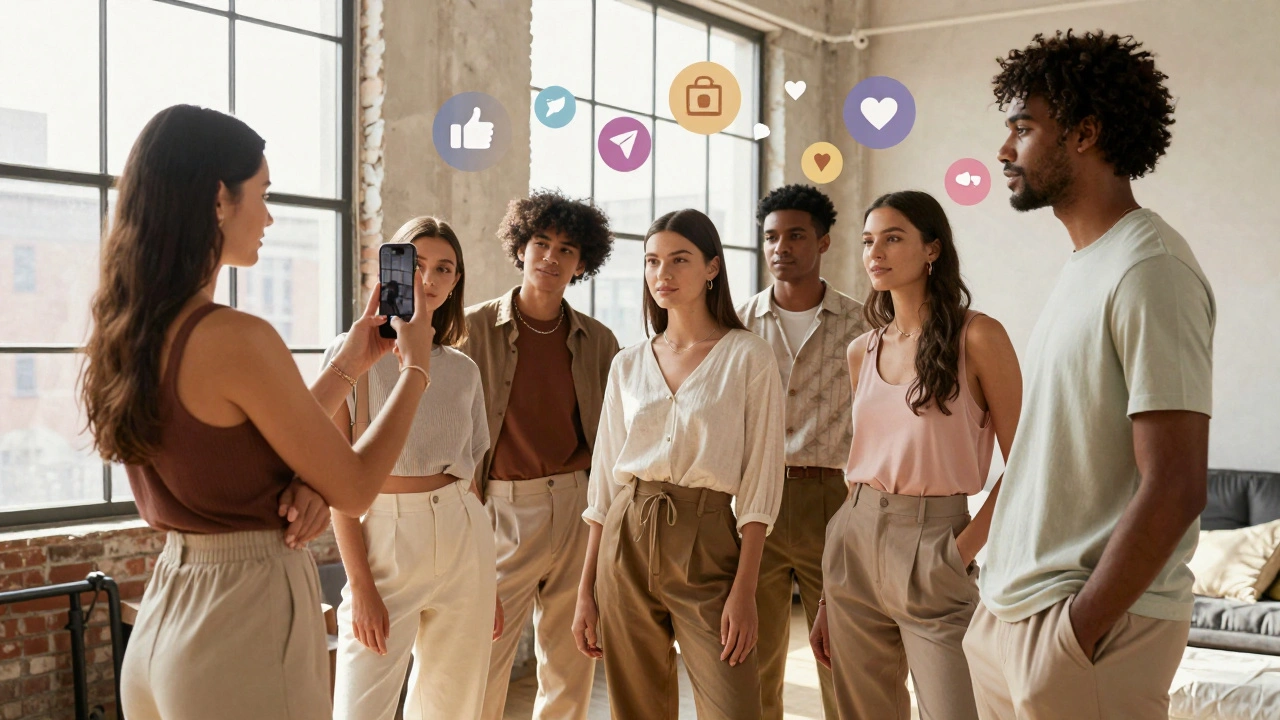
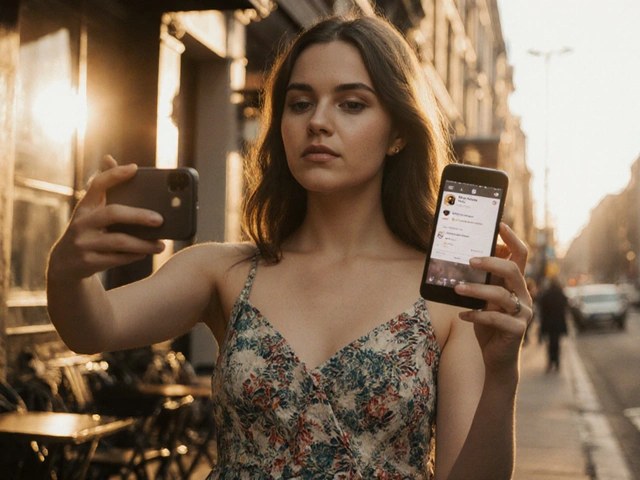
Instagram models aren’t just posting photos anymore-they’re changing how the world sees fashion, beauty, and identity. Since the platform launched in 2010, a new kind of star has risen: not from runway shows or magazine spreads, but from smartphone cameras and filtered selfies. These aren’t the polished, airbrushed models of the 90s. They’re real people-some with millions of followers-who turned personal style into global influence. And their impact? It’s deeper than you think.
Who Are Instagram Models, Really?
An Instagram model isn’t defined by a contract with a top agency or a Vogue cover. It’s about consistency, connection, and control. They build their brand on their own terms: choosing their own outfits, setting their own lighting, deciding when and where to post. Many start as hobbyists-posting outfit photos from their bedroom, then slowly gaining traction. Some hit a viral moment. Others grow slowly, posting daily for years before breaking through.
Take someone like @sarahjane_ (fictional name), a 28-year-old from Manchester. She started posting thrifted outfits in 2019. Two years later, she had 1.2 million followers. Brands like Reformation, Zara, and even luxury labels like Miu Miu started sending her free clothes-not because she had a modeling degree, but because her audience trusted her. She didn’t need a runway. She had engagement rates over 8%, far higher than traditional fashion campaigns.
Unlike traditional models, Instagram models often don’t fit the old industry mold. They come in all shapes, sizes, skin tones, and backgrounds. A 2023 study by the Fashion Institute of Technology found that 68% of top 100 Instagram fashion influencers had body types that differed from the industry standard of the past decade. This shift didn’t happen because brands got woke-it happened because audiences demanded it.
The Death of the Traditional Fashion Calendar
Remember when fashion seasons were rigid? Spring/Summer, Fall/Winter, with collections revealed in New York, Milan, Paris, and London. Now, the calendar is gone. Instagram models release looks daily. A single post can spark a trend before a designer even finishes their line.
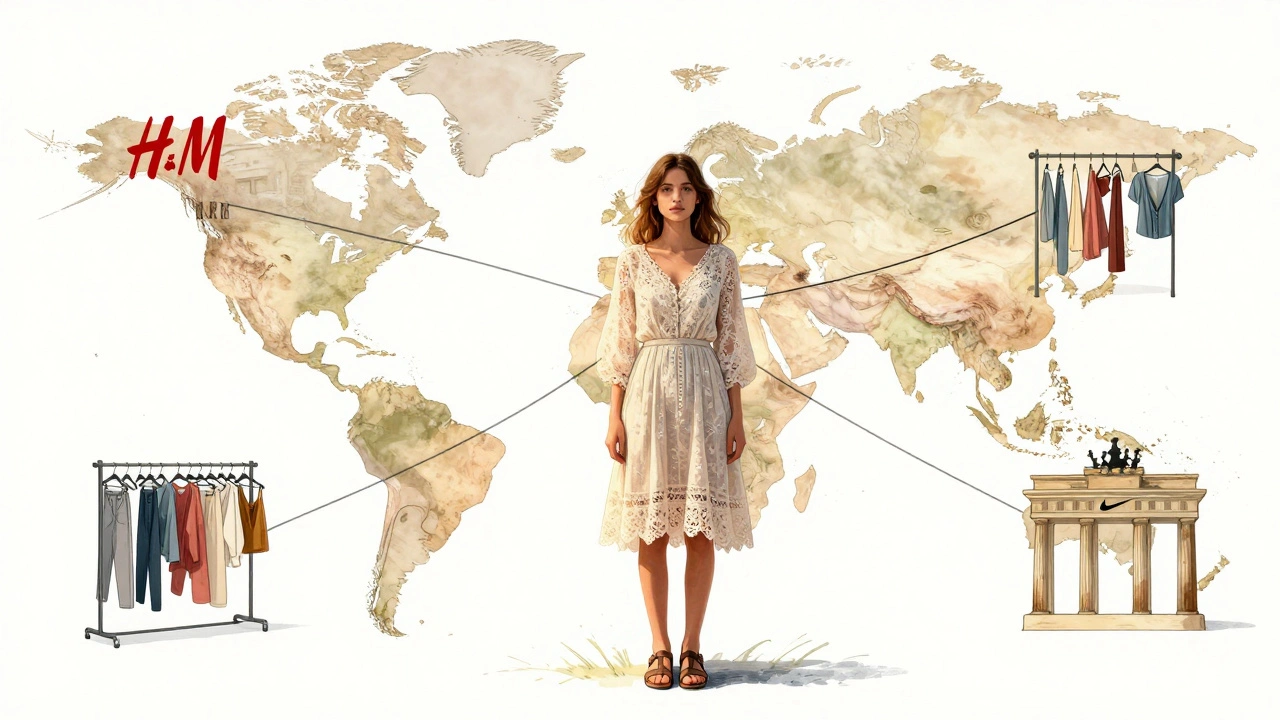
Think about the cottagecore trend that exploded in 2020. It didn’t come from a fashion house. It came from a group of young women in rural Portugal posting photos of themselves in lace dresses, flower crowns, and vintage boots. Within months, H&M, Urban Outfitters, and even Nike released cottagecore-inspired collections. The designers didn’t invent it-they copied what was already trending on Instagram.
Same with the “quiet luxury” wave that took over in 2022. It wasn’t Gucci or Chanel who started it. It was a 24-year-old from Berlin posting minimalist outfits in neutral tones, no logos, no flash. Her posts got 500,000 likes. Within a year, Loro Piana, The Row, and even Prada saw a 40% spike in sales of their most understated pieces. The market followed the algorithm, not the runway.
Cultural Shifts: Beauty, Identity, and Representation
Instagram models didn’t just change fashion-they changed what beauty means. For decades, the industry pushed one ideal: tall, thin, white, with symmetrical features. Now? That ideal is fractured.
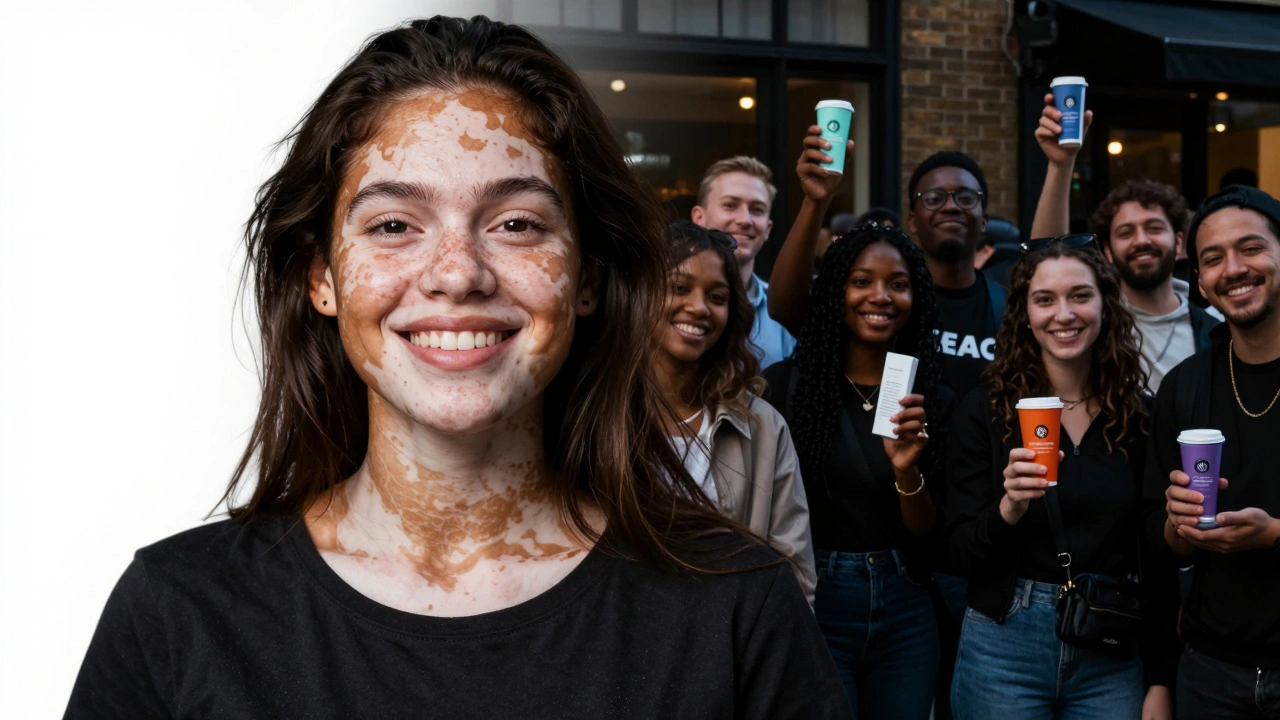
Look at the rise of models with vitiligo, stretch marks, scars, or disabilities. @iamdianasantiago, a 31-year-old model with vitiligo, has over 1.8 million followers. She’s partnered with Fenty Beauty, Dove, and even the NHS in the UK for skin health campaigns. Her posts aren’t just about fashion-they’re about belonging.
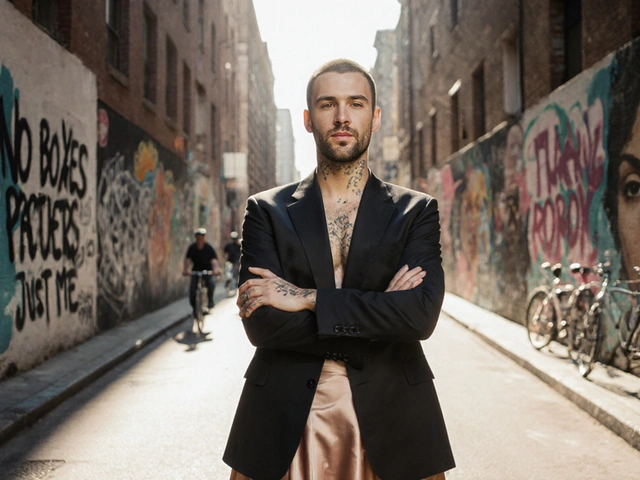
Non-binary and trans influencers are reshaping gender norms too. @jordanalex, a 26-year-old non-binary model from Toronto, posts in both menswear and womenswear. Their posts have been shared by Gucci’s official account. They don’t need permission to be seen. Their audience gives them power.
A 2025 survey by the Global Diversity Foundation found that 72% of Gen Z and millennial shoppers say they’re more likely to buy from a brand that features Instagram models who look like them. That’s not marketing-it’s a cultural reset.
The Business Behind the Posts
Instagram models aren’t just influencers-they’re CEOs. Many run their own LLCs, hire stylists, editors, and PR teams. Some even launch their own clothing lines. @lunamira, a 29-year-old model from Mexico City, started with 10k followers and now owns a sustainable swimwear brand that does $2 million in annual sales. She doesn’t work with traditional retailers. She sells directly through her Instagram shop.
Brands pay for this access. A single sponsored post from a top Instagram model can cost between $5,000 and $150,000, depending on engagement and niche. Micro-influencers (10k-100k followers) often have higher conversion rates than mega-influencers. Why? Their audiences feel like friends, not fans.
Platforms like AspireIQ and Upfluence now help brands find models based on metrics like comment sentiment, follower authenticity, and post reach-not just follower count. The industry is shifting from vanity metrics to real impact.
The Dark Side: Pressure, Manipulation, and Burnout
But this power doesn’t come without cost. Behind the perfect lighting and curated captions, many Instagram models face intense pressure. They’re expected to post daily, maintain a certain aesthetic, and never show vulnerability. Mental health struggles are common.
A 2024 report from the UK’s Mental Health Foundation found that 63% of Instagram models under 30 reported symptoms of anxiety or depression linked to their work. Many feel trapped by their own brand. One model in London told a journalist, “I can’t wear sweatpants on a Saturday. My followers expect me to look like I’m always ready for a shoot.”
There’s also the rise of fake followers and AI-generated content. Some models buy followers to look more valuable to brands. Others use AI to enhance their photos-smoothing skin, reshaping bodies, even altering facial features. This creates unrealistic expectations. A 2025 study by the University of Cambridge found that 58% of young women who follow fashion influencers reported feeling worse about their own appearance after scrolling for more than 20 minutes.
And then there’s the exploitation. Some agencies sign young models to contracts that take 60% of their earnings, control their content, and restrict their ability to leave. Laws haven’t caught up. In the UK, there’s still no legal definition of an Instagram model, leaving them vulnerable.
What Comes Next?
Instagram models aren’t going away. But their role is evolving. The next wave won’t be about perfect skin or flawless angles. It’ll be about authenticity, activism, and accountability.
More models are demanding transparency. They’re calling out brands that don’t pay on time. They’re refusing to promote fast fashion. Some are even partnering with NGOs to raise awareness about mental health and body image.
Platforms are starting to respond. Instagram’s algorithm now prioritizes posts with meaningful comments over likes. New tools let users hide like counts. TikTok’s rise has forced Instagram to adapt-short-form video is becoming as important as static images.
The future belongs to models who use their platform for more than selling clothes. Those who speak up, who show imperfection, who challenge norms-not just follow them.
For every model chasing the next viral trend, there’s another using their voice to change the system. That’s the real impact.
February 13, 2026 AT 23:58
Graeme Edwards
I’ve been following @sarahjane_ since 2020 and honestly? Her thrift flips changed my whole wardrobe. 🛍️✨ I used to think fashion was expensive until I saw her turn a $3 thrift coat into a runway moment. Now I thrift everything. Also, why do brands still pay mega-influencers when micro ones have 5x higher engagement? Just saying. 😅
February 14, 2026 AT 08:57
jessica zhao
This isn’t just about fashion. It’s about who gets to define beauty in the first place. For centuries, gatekeepers decided what was valuable-now the algorithm does. And the algorithm doesn’t care about your degree. It cares about your authenticity. That’s revolutionary. The real power shift isn’t in the posts-it’s in the permission structure. We stopped asking for permission. And now they’re begging us to post.
February 14, 2026 AT 14:21
Rajan Chaubey
The commodification of identity is the elephant in the room. These influencers are performing labor under the guise of self-expression. Their vulnerability is monetized. Their scars? Product placements. Their non-binary visibility? Sponsored by H&M. The system co-opts resistance and repackages it as consumption. Capitalism doesn’t die-it evolves. And it’s eating itself alive.
February 15, 2026 AT 20:00
Whitby Burkhart
You wrote "a 2025 study"-that’s impossible. We’re in 2024. Either you’re psychic or you’re lying. Also, "vitiligo" is misspelled in the third paragraph. Fix it. And stop using "woke" like it’s a slur. It’s a descriptor. Grammar matters.
February 16, 2026 AT 06:59
Julia McCarthy
I just want to say thank you to every model who posts without filters. You’re not just selling clothes-you’re giving people permission to be themselves. I’m 42 and I finally stopped hiding my stretch marks after seeing someone like me on Instagram. It’s not about likes. It’s about healing. Keep going. 💛
February 18, 2026 AT 06:46
Jill Norlander
This article is dangerously naive. You romanticize exploitation. These women are not "CEOs"-they’re gig workers with no healthcare, no contracts, and no union. The fact that you celebrate a $150,000 sponsored post without addressing labor rights is irresponsible. Fashion is not a meritocracy. It’s a pyramid scheme with better lighting.
February 19, 2026 AT 14:30
Lynn Andriani
i just wanna say i love how @iamdianasantiago posts in natural light and never edits her skin. it made me feel less alone. also i think the cottagecore trend was kinda cute? like, i bought a lace dress and now i feel like a forest fairy lmao 🌿🌸
February 20, 2026 AT 21:00
Priyam Mittal
Bro, this is the future. No more gatekeepers. If you got talent, you got a platform. I started posting my dhoti-meets-streetwear combos in 2021 and now I’m collabing with a Bangalore indie brand. No agency. No photoshoots. Just me, my phone, and my confidence. To every kid scrolling this: your vibe matters. Start posting. 🙌