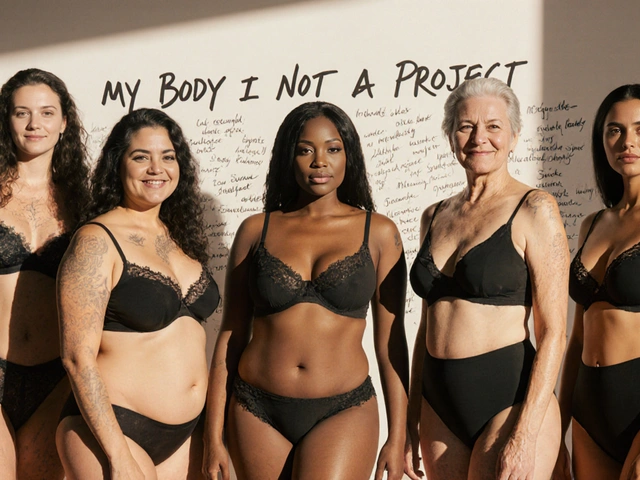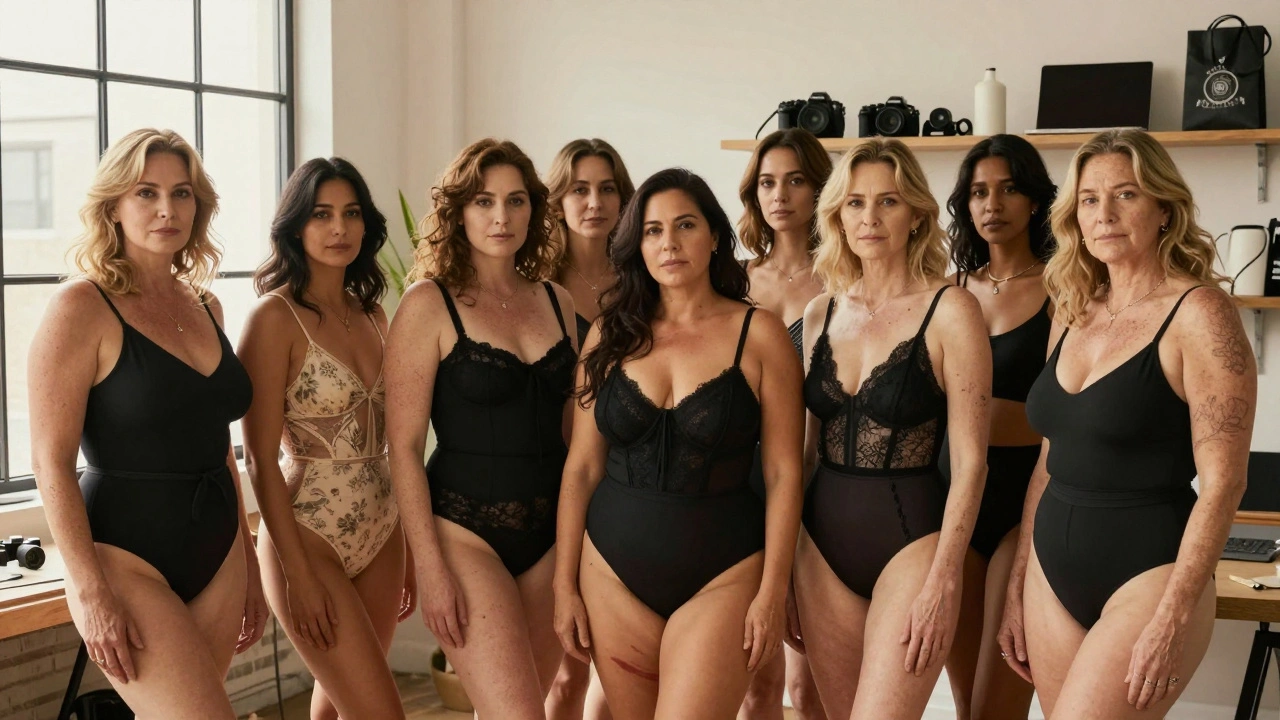
When you think of glamour models, you might picture glossy magazine covers, red carpet events, or viral Instagram posts. But behind those images are real people-women with complex lives, quiet battles, and unexpected wins. This isn’t about posing in silk lingerie or smiling for camera flashes. It’s about what happens after the lights go down.
What Exactly Is a Glamour Model?
A glamour model isn’t a fashion model walking a runway or a fitness model with six-pack abs. She’s someone who uses sensuality, confidence, and personal branding to build a career in photography, media, and entertainment. Glamour modeling often includes boudoir shoots, swimwear campaigns, and editorial work that emphasizes beauty, allure, and personality over pure athleticism or haute couture.
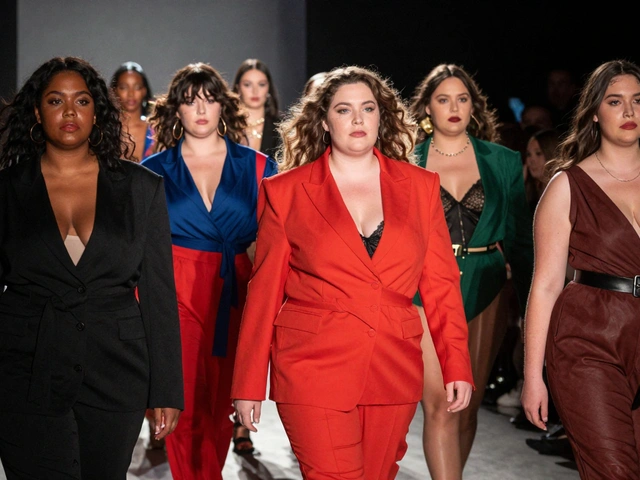
It’s a space where curves, freckles, scars, and tattoos aren’t hidden-they’re highlighted. Unlike traditional fashion modeling, which often pushes a narrow body type, glamour modeling has room for diversity. Women in their 30s, 40s, and beyond are finding work here. So are women who never fit the ‘size zero’ mold.
Companies like Glamour Models a category of modeling focused on sensual, confident imagery that celebrates individual beauty and personal brand don’t just hire models-they build partnerships. Many work directly with photographers, stylists, and digital marketers to create content that sells not just products, but a lifestyle.
The Rise of the Self-Made Glamour Model
Ten years ago, you needed an agency to get noticed. Today, you need a smartphone, good lighting, and consistency.
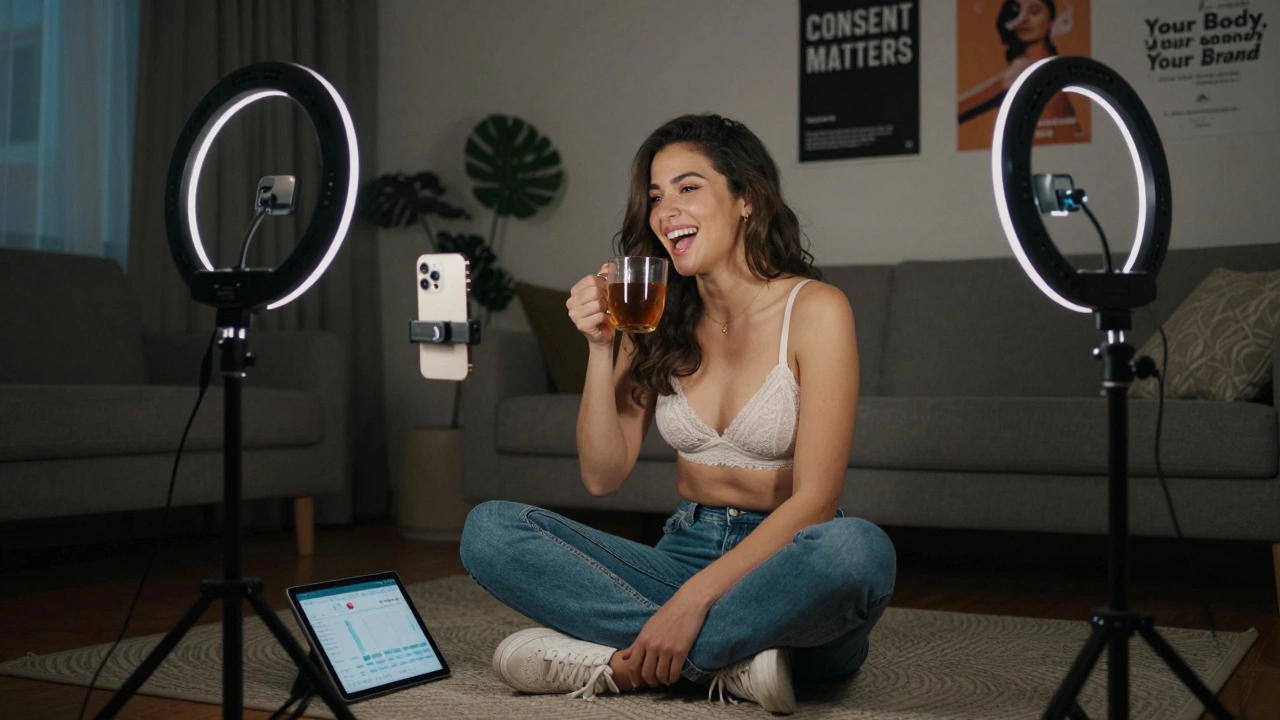
Laura, 34, from Manchester, started posting bikini photos on Instagram in 2020. She had no experience, no agent, just a small apartment and a $200 ring light. Within 18 months, she had 200K followers. Brands started reaching out: swimwear labels, lingerie companies, even a UK-based wellness brand. She now earns six figures a year-not from one big contract, but from dozens of small, recurring gigs.
She didn’t become famous overnight. She posted daily for a year. She learned how to edit photos herself. She responded to every comment. She didn’t wait for permission. She built her own platform.
That’s the new reality. The old gatekeepers-agencies, magazines, casting directors-are still around, but they’re no longer the only path. The internet gave power back to the model. And with that power came responsibility.
The Dark Side: Pressure, Exploitation, and Burnout
Not every story is a success. Not every post leads to a paycheck.
Jamila, 29, from Birmingham, signed with a boutique agency in 2021. They promised ‘creative freedom’ and ‘high-end clients.’ Within six months, she was pressured into shoots that crossed her boundaries. She was told to lose weight fast. She was asked to pose in ways that made her uncomfortable. When she refused, her bookings dropped. When she spoke up, the agency threatened to leak private images.
She left the agency, deleted her accounts, and took a year off. She now works as a mental health advocate for models. She says the industry doesn’t talk enough about emotional toll.
Studies from the Model Health Initiative an independent organization tracking mental health and labor conditions in the modeling industry show that 68% of glamour models report anxiety or depression linked to their work. Body image issues, online harassment, and financial instability are common.
And it’s not just about looks. Many models juggle multiple jobs. One woman told me she worked as a receptionist by day, did photo shoots on weekends, and studied psychology at night. She was 26.
How Glamour Models Make Money Today
It’s not all about magazine spreads anymore. Here’s how real glamour models earn today:
- Brand partnerships - Working with lingerie, beauty, or wellness brands on long-term campaigns
- Subscription content - Platforms like OnlyFans or Patreon where fans pay monthly for exclusive photos and videos
- Photography sales - Selling high-res images directly to fans or through stock sites like Shutterstock
- Public appearances - Events, conventions, or fan meetups (often paid per hour)
- Merchandise - Selling custom prints, apparel, or digital art
- Content creation - YouTube, TikTok, or blogs about modeling life, fitness, or self-confidence
Some models earn $5,000 a month. Others make $50,000. A few hit six figures. But most work hard for $1,500-$3,000 a month. It’s not a get-rich-quick scheme. It’s a small business.
The Skills You Don’t See
Being a glamour model isn’t just about looking good. It’s about managing a brand, negotiating contracts, handling taxes, and staying mentally healthy.
Successful models learn:
- How to read a contract (and when to walk away)
- How to set boundaries with photographers and clients
- How to use analytics to grow their audience
- How to work with editors and PR teams
- How to say no without losing opportunities
Many take online courses in digital marketing. Others hire accountants. A growing number join collectives-like The Glamour Collective a UK-based network of glamour models offering legal advice, mental health support, and networking-to share resources and protect each other.

Who’s Behind the Scenes?
There’s a myth that glamour models are all about vanity. But the truth? Many are mothers, students, nurses, teachers, or artists who use modeling to fund other dreams.
One model in Leeds is raising two kids while studying to become a therapist. Another in Brighton is saving for her own photography studio. A third in Glasgow is paying off student debt.
They’re not chasing fame. They’re chasing freedom.
What’s Next for Glamour Modeling?
The industry is changing fast. AI-generated images are making it harder for real models to compete. Some brands now use digital avatars instead of hiring people.
But here’s the twist: audiences are pushing back. People crave authenticity. Real skin. Real stories. Real women.
More brands are shifting toward ‘real body’ campaigns. More photographers are hiring models with stretch marks, scars, or gray hair. More platforms are banning exploitative content.
The future of glamour modeling won’t be about perfection. It’ll be about power-women owning their image, their narrative, and their value.
Final Thought: It’s Not Just a Job. It’s a Movement.
Glamour modeling isn’t about being seen. It’s about being heard.
Every photo, every post, every contract negotiation is a tiny act of rebellion. Against outdated beauty standards. Against silence. Against being told what you can or can’t be.
Some models become millionaires. Others just find their voice. Both are wins.
Are glamour models the same as sex workers?
No. Glamour modeling is about artistic expression, branding, and media. While some models may choose to work in adult content, the two are legally and culturally distinct. Glamour modeling typically focuses on tasteful, editorial-style imagery and is often licensed through photography and media rights. Many glamour models work with mainstream brands and avoid explicit content entirely.
Do you need an agent to become a glamour model?
No. While agencies still exist and can help with exposure, most successful glamour models today build their careers independently. Social media, direct client outreach, and personal branding have replaced the need for traditional representation. Many models earn more on their own than they ever did through agencies.
Is glamour modeling safe?
It can be-but only if you set boundaries. Red flags include pressure to do nude or sexualized shoots, lack of contracts, refusal to pay upfront, or demands for personal information. Always use a contract, get paid before shooting, and work with trusted photographers. Joining a support group like The Glamour Collective can also help you avoid exploitation.
Can older women become glamour models?
Absolutely. In fact, the demand for models over 35 is growing. Brands are realizing that beauty isn’t age-limited. Women in their 40s, 50s, and even 60s are landing campaigns for lingerie, skincare, and travel brands. Age brings confidence-and that’s what sells.
How do glamour models handle online harassment?
Many use strict privacy settings, block abusive accounts, and avoid engaging with trolls. Some hire social media managers to handle comments. Others work with legal teams to issue cease-and-desist letters. Mental health support is critical-many models now have therapists who specialize in online trauma.
If you’re thinking about entering this world, remember: your value isn’t in how you look. It’s in how you show up-on your terms, with your voice, and with your boundaries intact.