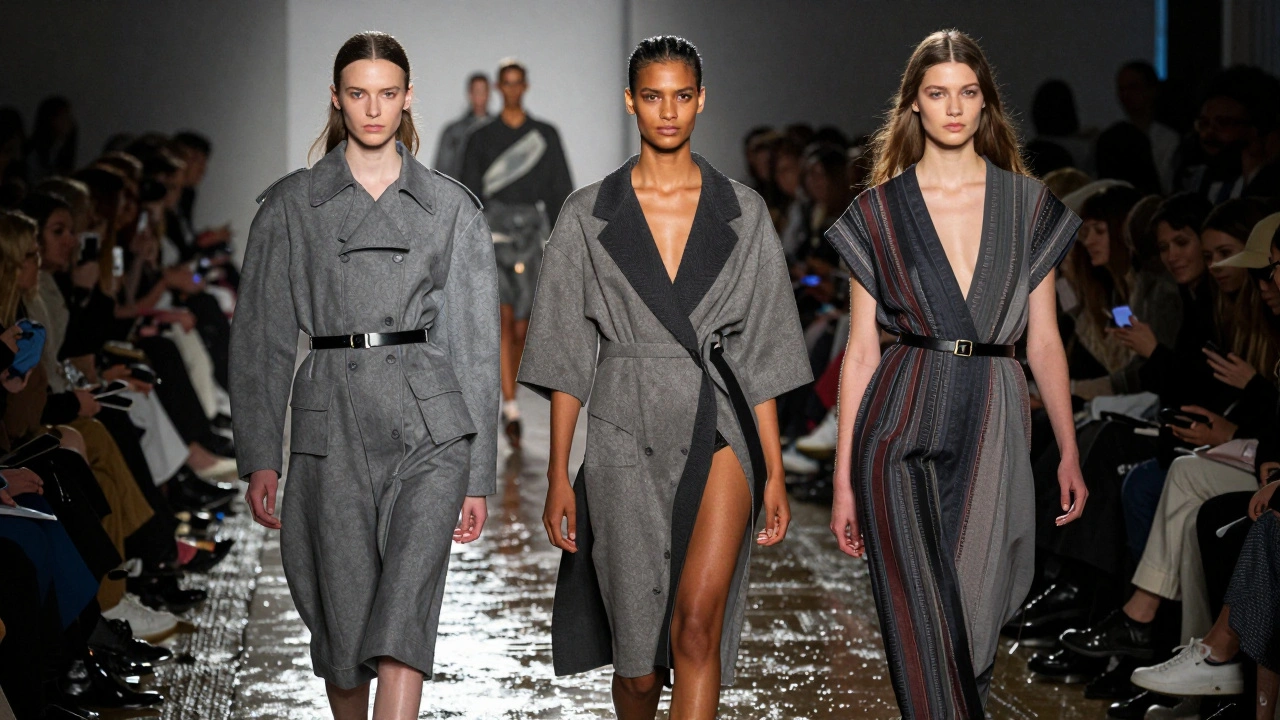
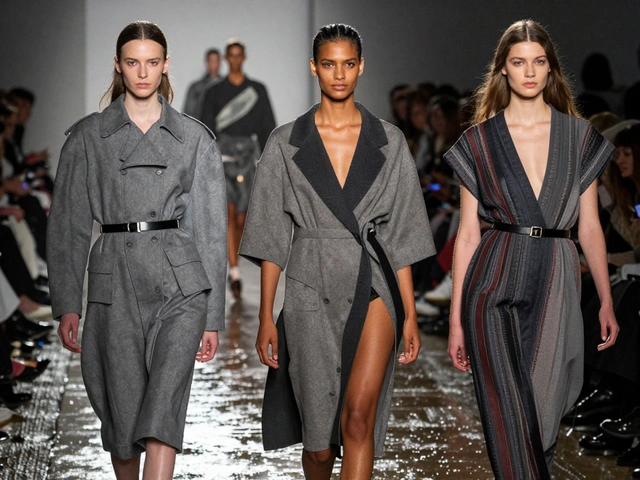
Walk into any major fashion show in Paris, Milan, or New York, and you’ll see at least three UK models on the runway. Flip through a Vogue cover from the last five years, and chances are high that the face staring back is British. From the gritty streets of East London to the manicured lanes of Surrey, the UK has consistently produced the most sought-after models in the world. But why? It’s not just about height or cheekbones. It’s a mix of culture, training, timing, and something harder to define - a certain kind of presence.
They Don’t Just Look Good - They Have Depth
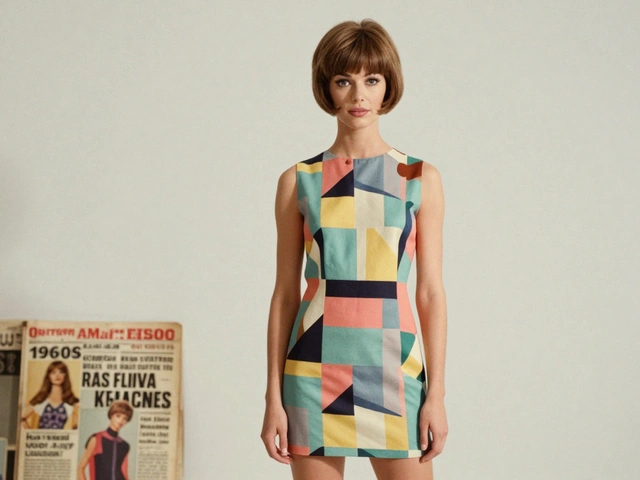
British models don’t just walk. They tell stories. Look at Kate Moss in the 90s - her thin frame, half-smile, and effortless cool didn’t just sell clothes. They sold rebellion. She wasn’t posing; she was living. That’s not an accident. The UK has a long tradition of valuing individuality over perfection. While other countries chase a standardized ideal, British casting directors look for character. A crooked smile, a scar, an unusual gait - these aren’t flaws to be edited out. They’re assets.This mindset started in the 1960s with Twiggy, who broke the mold of the hourglass supermodel. She was 19, under 5’3”, and had a boyish figure. And yet, she became a global icon. That shift didn’t vanish. Today, models like Adwoa Aboah and Jourdan Dunn bring authenticity to campaigns. They speak openly about mental health, race, and identity. Brands don’t just hire them for their looks - they hire them for their voice.
The Training Is Different
Most countries treat modeling like a side hustle. In the UK, it’s treated like a profession. Agencies like Premier Model Management, Storm Model Management, and Select Model Management don’t just scout. They train. New signings go through intensive workshops on posing, walking, media training, and even basic finance. They learn how to negotiate contracts, handle interviews, and manage their personal brand from day one.Compare that to some markets where models are handed a portfolio and sent to castings with no guidance. In the UK, it’s common for agencies to require models to attend weekly posture classes, vocal coaching, and even etiquette sessions. This isn’t about being fancy - it’s about professionalism. A British model walks into a shoot knowing how to carry themselves in front of a camera, how to read a brief, and how to collaborate with stylists and photographers.
London Is a Global Incubator
London Fashion Week isn’t just another event on the calendar. It’s a launchpad. Unlike Milan or Paris, which often favor established names, London actively promotes new talent. Designers like Vivienne Westwood, Alexander McQueen, and Stella McCartney built their reputations on fresh, unconventional faces. That tradition continues. Brands like Burberry, Mulberry, and Topshop still cast unknowns from London’s art schools and street style scenes.It’s not just the shows. London has more modeling schools per capita than any other city in Europe. Central Saint Martins, Ravensbourne, and the London College of Fashion churn out students who don’t just want to model - they want to understand fashion. Many start as interns, then become assistants, then walk the runway. They don’t just appear overnight. They earn their place.

Cultural Diversity Is Built In
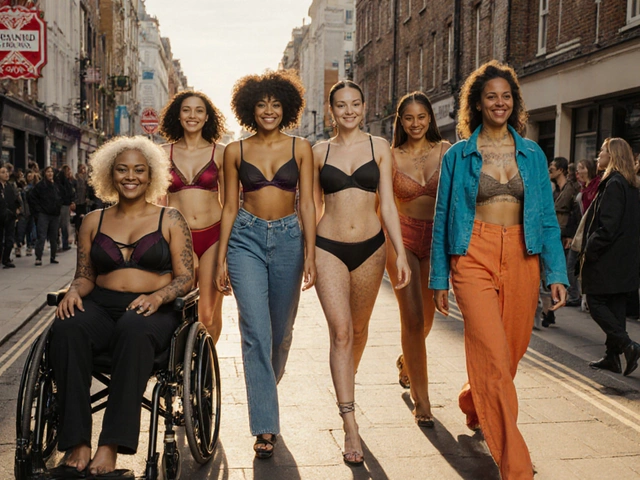
The UK is one of the most ethnically diverse countries in the world. And its modeling industry reflects that. You won’t find a single “British look.” You’ll find models with Nigerian roots, Pakistani heritage, Jamaican ancestry, Polish upbringing, and Welsh backgrounds - all working side by side at the highest levels.In 2023, 42% of models booked for London Fashion Week identified as non-white, according to the British Fashion Council. That’s higher than any other major fashion capital. This isn’t performative diversity - it’s structural. Agencies in the UK have long-term relationships with communities across the country. They don’t wait for trends. They build pipelines.
Look at Naomi Campbell, who broke barriers in the 80s, or Adut Akech, a South Sudanese refugee turned global star. Their success wasn’t an exception. It was the norm.
Media and Public Perception
In the US, models are often treated like celebrities - they’re on talk shows, in tabloids, and chasing reality TV deals. In the UK, the focus stays on the work. British models rarely chase fame. They don’t need Instagram to validate their worth. They’re hired because they deliver results.This cultural difference matters. A UK model is more likely to be calm under pressure, respectful on set, and focused on the job. They’re not there to get likes. They’re there to sell a coat, a perfume, a pair of shoes. That professionalism makes them reliable. And reliability is what brands pay for.
Even the British press treats models differently. While American outlets obsess over relationships and scandals, UK publications like The Guardian and British Vogue focus on their craft. Interviews are about technique, inspiration, and the industry - not their dating life.
It’s Not Just About Beauty - It’s About Versatility
British models don’t stick to one lane. The same woman who walks for Chanel might shoot a campaign for a UK supermarket chain the next week. They do editorial, commercial, beauty, and even fitness modeling. This versatility comes from early exposure.Many UK models start in catalog work - think John Lewis, Next, or Marks & Spencer. These jobs pay well, teach discipline, and force models to adapt to different body types, lighting, and audiences. By the time they hit the runway, they can handle anything. A New York model might spend years trying to break into editorial. A London model has already done 20 catalog shoots, three TV commercials, and a charity campaign by age 18.
The Numbers Don’t Lie
According to the Fashion Model Directory, in 2024, UK models accounted for 28% of all top 50 global models - more than any other country. France came second at 14%. The US was third at 19%. In high-fashion runway bookings alone, British models made up 37% of appearances across the Big Four fashion weeks in 2024.And it’s not just runway. In commercial advertising, UK models dominate global campaigns for brands like Unilever, Nike, and Apple. Their faces appear in ads from Tokyo to Toronto. Why? Because they’re adaptable, reliable, and carry a quiet confidence that translates across cultures.
They’re Not Perfect - And That’s Why They Win
The secret isn’t flawless skin or perfect symmetry. It’s authenticity. British models are allowed to be real. They’re allowed to have opinions. To be awkward. To be themselves. The industry doesn’t try to turn them into plastic mannequins. It lets them evolve.That’s why when a brand wants to connect with real people - not just idealized images - they turn to UK models. They’re not selling perfection. They’re selling truth. And in a world saturated with filters and AI-generated faces, that’s the most powerful thing a model can offer.
Why are UK models so popular in international fashion?
UK models stand out because they combine professionalism, authenticity, and versatility. Unlike models from other regions who may be trained for one specific look, British models are groomed to handle everything from high-fashion runways to commercial campaigns. Their ability to convey emotion, adapt to different styles, and maintain a strong work ethic makes them highly desirable to global brands.
Do UK models have better training than others?
Yes, in many cases. Major UK agencies like Storm and Premier provide structured training programs that include posture, media training, contract negotiation, and even financial literacy. This level of professional development is rare in other markets, where models often receive minimal guidance. UK models enter the industry prepared - not just for walking, but for managing their careers.
Is diversity a big factor in the success of UK models?
Absolutely. The UK’s modeling industry reflects the country’s multicultural society. Nearly half of all models booked for London Fashion Week in 2024 were non-white. Agencies actively recruit from diverse communities, and designers expect representation. This isn’t a trend - it’s the standard. Brands worldwide seek UK models because they bring real diversity that feels natural, not forced.
Are UK models only successful in fashion?
No. UK models dominate not just fashion but also commercial, beauty, and fitness sectors. Many start in catalog work for brands like Next or John Lewis, gaining experience in lighting, posing, and audience targeting. This broad exposure makes them adaptable. They can switch from a luxury runway show to a supermarket ad without losing impact.
Why don’t UK models chase fame like American models?
The UK culture values privacy and professionalism over celebrity. British models are rarely featured on reality TV or tabloids. Their focus stays on their work - not their personal lives. This makes them more reliable for brands who want consistent, serious professionals. It also means their success is built on talent and reputation, not social media clout.
What Comes Next?
The UK model scene isn’t slowing down. With new talent emerging from Manchester, Birmingham, and Glasgow - and agencies investing more in regional scouting - the pipeline is stronger than ever. The next generation of models isn’t waiting for invitations. They’re creating their own platforms, building their own brands, and pushing boundaries.If you’re looking for the most compelling, reliable, and globally recognized faces in fashion today - look to the UK. They’re not just models. They’re storytellers, professionals, and cultural ambassadors. And that’s why the world keeps looking their way.

December 10, 2025 AT 05:54
Tim Orrell
The UK model phenomenon isn't about aesthetics it's about systemic conditioning the industry doesn't discover talent it manufactures it through a pipeline that begins in state-funded art schools and ends with contract lawyers drafting clauses before the first photoshoot
They're not natural they're engineered and that's why they work everywhere the algorithm of British modeling is optimized for global scalability not individual expression
December 11, 2025 AT 22:17
Clay Caldwell
Interesting how the article frames this as cultural superiority when really it's about economic infrastructure and institutional memory. The UK has had a centralized fashion education system since the 70s while the US still treats modeling like a side gig for college kids. It's not about depth it's about access to training and capital. The diversity stats are real but they're also a byproduct of immigration policy not some magical British openness
December 12, 2025 AT 11:12
anjan tiwari
bro why u always talk bout uk models? i see same faces everywhere. its like they all came from same house. also why no one talk bout indian models? we got like 1.4 billion people and still no one cares. 😒
December 13, 2025 AT 22:43
Jazzmen McCray
Let me cut through the fluff. The UK wins because they treat modeling like a job not a fantasy. No one cares if you have a cute Instagram. Brands want someone who shows up on time knows how to take direction and doesn't cry when the lighting sucks. That's not culture that's discipline. And yeah the diversity thing? That's not virtue signaling it's smart business. The world doesn't look like a white suburban mall anymore. Get over it
Also catalog work at Next? That's where the real skills are built. No one's posting selfies on that set
December 15, 2025 AT 06:09
Anjali Ragi
Wait… 42% non-white models at LFW? That’s a red flag. Who’s really behind this? The EU? The UN? Or is this just another woke corporate scam to distract from the fact that real British talent is being pushed out? 😳 And why does every article mention Naomi Campbell like she’s the only Black model who ever existed? Where’s the data on pay gaps? Who’s funding these agencies? Someone’s pulling strings here. 🕵️♀️
December 15, 2025 AT 09:30
Griffin Treanor
You think this is about authenticity? It’s about control. The UK fashion establishment has spent decades curating a myth of British cool to maintain global dominance. The 'realness' they celebrate is carefully selected. The crooked smile? The scar? The gait? All vetted by casting directors who’ve been trained to pick the right kind of rebellion. The industry doesn’t want real people. It wants the illusion of real people. And it sells it to you like it’s revolutionary
Meanwhile the kid from Manchester who actually grew up in poverty? He’s still flipping burgers. The model who walked for Burberry? She’s got a publicist and a trust fund. Don’t confuse representation with equity