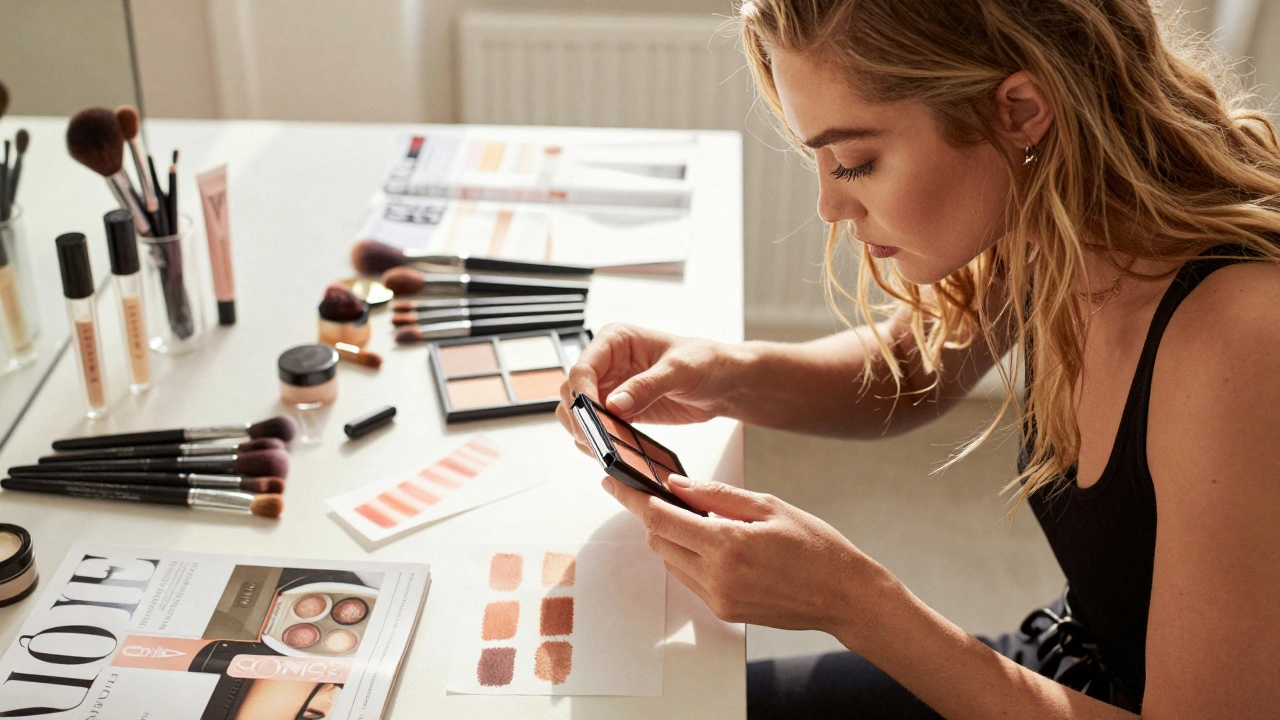
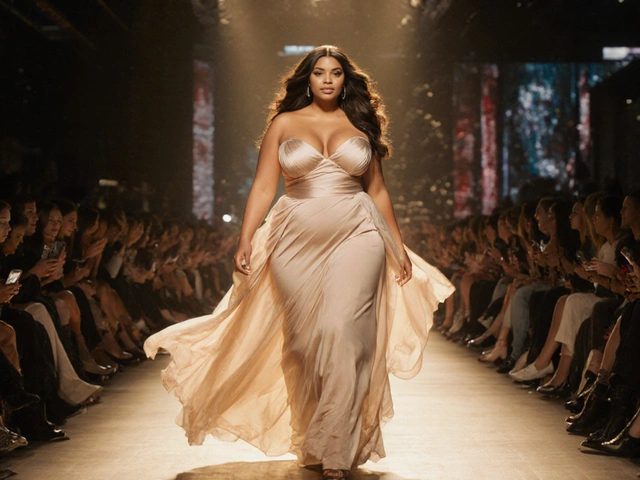
When you think of a fashion model, you probably picture someone walking a runway, posing for magazines, or scrolling through Instagram with perfect lighting. But behind the glamour, a growing number of female models are doing something quieter-and far more powerful: building businesses. They’re not just selling looks. They’re selling ideas, products, and solutions. And they’re doing it with the same discipline, resilience, and work ethic that got them on the cover of Vogue.
Why Models Make Great Entrepreneurs
Models don’t get to the top by accident. They wake up before sunrise for castings, travel across continents on tight schedules, and handle rejection daily. That kind of life builds toughness you can’t learn in a business class. They know how to pitch themselves. They understand branding. They’ve spent years learning how to read a room, adapt quickly, and turn a bad day into a comeback. Take Gigi Hadid. Before she launched her beauty brand, Gigi Hadid Beauty, she spent over a decade in front of cameras. She didn’t just model clothes-she studied how products looked under different lighting, how consumers reacted to packaging, and what made a brand feel authentic. That’s not luck. That’s experience. Same with Karlie Kloss. While walking for top designers, she noticed how few young women had access to coding education. So she created Kode with Klossy, a nonprofit teaching girls to code. It started with a summer camp. Now it’s a global program with thousands of graduates. She didn’t wait for someone else to fix it. She used her platform to build something real.Real Stories: From Runway to CEO
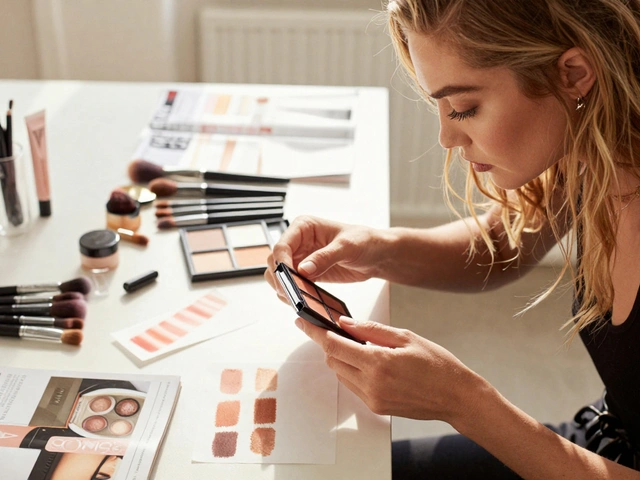
Not every model-turned-entrepreneur became a household name. Some started small. Others took years to find their footing. But all of them made the leap from being seen to being in charge. Adriana Lima didn’t just retire from Victoria’s Secret. She launched Adriana Lima Collection, a lingerie line designed for real bodies-not just idealized ones. She worked with engineers to improve support structures, consulted with women who’d never felt seen by mainstream brands, and refused to use airbrushed models in ads. Sales hit $45 million in its first year. Why? Because she knew what women actually needed-because she’d lived it. Emily Ratajkowski turned her experience with objectification into a business. Her book My Body became a bestseller. Then she launched In My Skin, a skincare line focused on body positivity and clean ingredients. She didn’t just slap her name on a bottle. She reformulated products based on feedback from her audience, tested them on diverse skin types, and partnered with dermatologists. Her brand now has a 92% customer retention rate. Even lesser-known models are doing it. In London, former runway model Leila Mendoza started a sustainable fashion rental service after realizing how much clothing she’d worn once and never used again. Today, her company, ReWear London, serves over 12,000 clients and partners with 40 independent designers. She didn’t need a VC pitch. She just needed to solve a problem she’d lived.How They Made the Switch
There’s no single path. But there are patterns. They started small. Most didn’t quit modeling overnight. They built their side hustle during downtime-between shoots, while waiting for flights, or after late-night edits. One model in Berlin started selling handmade jewelry on Etsy during her off-season. Two years later, she had a warehouse and a team of five. They used their network. Models know people. They’ve worked with photographers, stylists, makeup artists, and PR teams. They didn’t wait for a “business mentor.” They asked the people they already trusted: “Can you help me design this label?” “Can you shoot my product photos?” “Can you introduce me to a supplier?” They listened to their audience. Unlike traditional brands that rely on focus groups, these women had direct access to thousands of followers who gave honest feedback. One model in Miami noticed her Instagram followers kept asking for stretchy, breathable workout gear that didn’t ride up. She made three prototypes, posted them, and let her audience vote. The winning design became her first product line. They embraced failure. One model launched a line of luxury sleepwear that flopped. Instead of hiding it, she posted a video saying, “I thought this would work. Here’s why it didn’t.” The video went viral. People praised her honesty. She used the feedback to relaunch with better fabric and fit. Sales tripled.
Common Pitfalls to Avoid
Not every model-turned-entrepreneur succeeds. And the biggest mistakes are the same ones people make when they confuse fame with expertise. Thinking your name alone will sell products. A million followers doesn’t mean people will buy your candles, supplements, or skincare. If your product doesn’t solve a real problem, no amount of selfies will fix it. Ignoring the basics. Many models skip learning about taxes, supply chains, or legal structure because they’re used to someone else handling it. That’s dangerous. One model in LA lost $80,000 because she didn’t register her LLC and got hit with back taxes. Trying to be everything. Don’t launch a clothing line, a podcast, a book, and a course all at once. Pick one thing you’re passionate about and good at. Nail it. Then expand. Underpricing or overpricing. Models know their worth-sometimes too much. One brand priced its organic cotton tees at $150 because “it’s luxury.” No one bought them. Another sold premium hair oils for $12, thinking it was “accessible.” It didn’t cover costs. Find the sweet spot. Look at competitors. Test prices. Adjust.Where to Start If You’re a Model Thinking of Starting a Business
If you’re reading this and you’re a model wondering if you can do this too, here’s your roadmap:- Write down what you’re already being asked for. Do people always ask you for your favorite moisturizer? Your go-to workout playlist? Your favorite way to style a blazer? That’s your starting point.
- Test it small. Make five units. Sell them to friends. Ask for feedback. Don’t spend money on packaging or a website yet.
- Find one person who can help you. A photographer, a designer, a friend who runs a small business. Ask them for one piece of advice. Most people want to help-if you ask clearly.
- Track your time. If you’re spending 20 hours a week on this and it’s not bringing in any income after three months, pivot. Don’t quit-but don’t stay stuck.
- Register your business. Even if it’s just a sole proprietorship. Protect yourself. Use free tools like the UK’s Gov.uk business registration to get started.

It’s Not About Being Famous. It’s About Being Useful.
The most successful female models-turned-entrepreneurs aren’t the ones with the most followers. They’re the ones who solved a problem they understood deeply. They didn’t leave modeling to escape it. They left to build something that outlasted the runway. You don’t need a billion-dollar idea. You just need one thing you can do better than anyone else-because you’ve lived it.Frequently Asked Questions
Can I start a business while still modeling?
Yes, and most successful ones do. Many start small-selling handmade items, offering styling advice, or launching a digital product like an eBook or course. The key is to use downtime wisely: between shoots, during travel, or after long days. Keep your modeling income steady while testing your business idea. Don’t quit your day job until your side hustle brings in consistent, reliable income.
Do I need a lot of money to start?
No. Many female models started with under £500. You can begin by creating a simple product, like a digital guide on skincare for models, or selling custom accessories through Instagram. Use free tools like Canva for design, Etsy or Shopify for sales, and Instagram Reels to show your process. Focus on solving a specific problem, not on looking professional. Authenticity beats polish every time.
What kind of businesses do models usually start?
Common ones include skincare and beauty brands, sustainable fashion lines, fitness programs, modeling coaching services, digital content (eBooks, courses), and rental or resale platforms for clothing. Many also launch nonprofits or educational initiatives, especially around body image, mental health, or diversity in fashion. The best ideas come from personal pain points-something they struggled with as models and realized others did too.
How do I handle the stigma of being seen as "just a model"?
You don’t fight the stigma-you outgrow it. Focus on results. When your product solves a real problem, the narrative shifts. One model in Manchester started a line of compression wear for women with chronic pain. She didn’t talk about her past runway work. She talked about the pain she’d lived through and how her product helped. Customers didn’t care if she’d walked for Chanel. They cared that her leggings worked. Let your work speak. Over time, people will stop labeling you and start seeing you as an expert.
What’s the biggest mistake models make when starting businesses?
They assume their audience will buy because they like them. But people don’t buy influencers-they buy solutions. If your product doesn’t fix a real problem, no amount of followers will save it. The most successful models treat their business like a startup, not a vanity project. They test, iterate, listen, and adapt. They don’t rely on their name-they rely on their value.

December 24, 2025 AT 18:50
Clay Caldwell
Love how this post flips the script. Models aren’t just pretty faces-they’re the ultimate hustle culture legends. I’ve seen girls go from runway to launching skincare lines that outperform big brands. It’s not about fame, it’s about seeing a gap and filling it with real experience.
Also, the fact that they use their audience as a focus group? Genius. No corporate focus group could give that raw, real-time feedback. They’re basically running lean startups while wearing designer heels.
December 25, 2025 AT 06:02
Trent Curley
Let’s be real-most of these ‘entrepreneurs’ are just leveraging their Instagram clout to sell overpriced junk. Gigi Hadid Beauty? That’s just a glorified affiliate link with a fancy bottle. And don’t get me started on ‘body positivity’ brands that still use size-0 models in their ‘inclusive’ ads. It’s performative activism wrapped in a PR campaign.
Real entrepreneurs build companies without a selfie in sight. These women didn’t build businesses-they monetized their fame. Big difference.
December 25, 2025 AT 19:58
Ntombikayise Nyoni
There is a comma missing after ‘reality’ in the third paragraph. Also, ‘she worked with engineers to improve support structures’-should be ‘she worked with engineers to improve the support structures.’ And ‘$45 million in its first year’-the apostrophe is incorrect in ‘its.’
Grammar matters, especially when you’re claiming expertise. Your credibility hinges on details.
December 27, 2025 AT 00:32
Gabriel Sutton
This is the kind of content I wish more media would highlight. These women didn’t wait for permission. They saw a problem-something they lived-and just started fixing it. No big budget, no corporate backing, just grit and a phone.
And the part about using their network? So true. I know a former model in Atlanta who got her first product photos taken by a photographer she met on a shoot five years ago. He still helps her for free because he believes in her. That’s the power of real relationships.
Also, the ‘start small’ advice? Gold. Too many people think they need a website, a logo, and a launch party. Nah. Start with five handmade items. Sell them to your cousin. Ask what they’d change. That’s how real innovation begins.
December 28, 2025 AT 04:13
Jason Parker
Really interesting how these women turned their exposure into empowerment. I never thought about how much they learn about lighting, packaging, and consumer psychology just from being on set. It’s like an unpaid MBA in branding.
Also, the part about failure-posting the video where she admitted her sleepwear flopped? That’s the opposite of what most brands do. Most hide their mistakes. She turned it into a lesson. That’s leadership.
December 28, 2025 AT 21:11
Jessica Montiel
So let me get this straight you spent 10 years being paid to look pretty and now you think you know how to run a business because you once held a purse in a photo shoot
December 30, 2025 AT 14:14
Natalie Norman
OMG I CANNOT BELIEVE PEOPLE STILL THINK THIS IS SOME KIND OF ‘INSPIRATION’ STORY. You think Adriana Lima started her line because she ‘knew what women needed’? No. She started it because she got tired of being told her body wasn’t ‘sexy’ enough for Victoria’s Secret. Same with Emily. It’s not empowerment-it’s revenge. And honestly? That’s way more powerful than any ‘hustle porn’ blog post.
Also, why is no one talking about how these women still get paid millions to model while their ‘businesses’ get free PR? It’s a two-way street. They’re not just entrepreneurs-they’re brand extensions. And that’s fine. But don’t pretend it’s pure hustle.
December 31, 2025 AT 15:31
Nithin Kumar
India has so many women who started businesses from nothing-no runway, no fame, just sweat and smart thinking. Why do we only celebrate models? The real heroes are the women in small towns selling handmade soaps or stitching clothes from home. They don’t have 2M followers. They don’t get interviewed by Vogue. But they feed their families.
Let’s not turn entrepreneurship into a celebrity sport. Real change happens in silence.